How David Attenborough risked death and a coup to make the greatest nature series ever
A new documentary reveals the hair-raising adventures behind the making of Life on Earth, as the broadcaster turns 100.

UNITED KINGDOM —
Key facts
- David Attenborough turns 100 on Friday 8 May.
- Life on Earth aired in 1979 to 15 million UK viewers and 500 million worldwide.
- The series took three years to film, covering 40 countries and a million miles.
- The crew filmed over 600 species, including the first footage of lions hunting wildebeest.
- Attenborough narrowly avoided becoming BBC director-general to pursue the project.
- The team faced a coup in the Comoros, threats from Saddam Hussein's army, and being shot at in Rwanda.
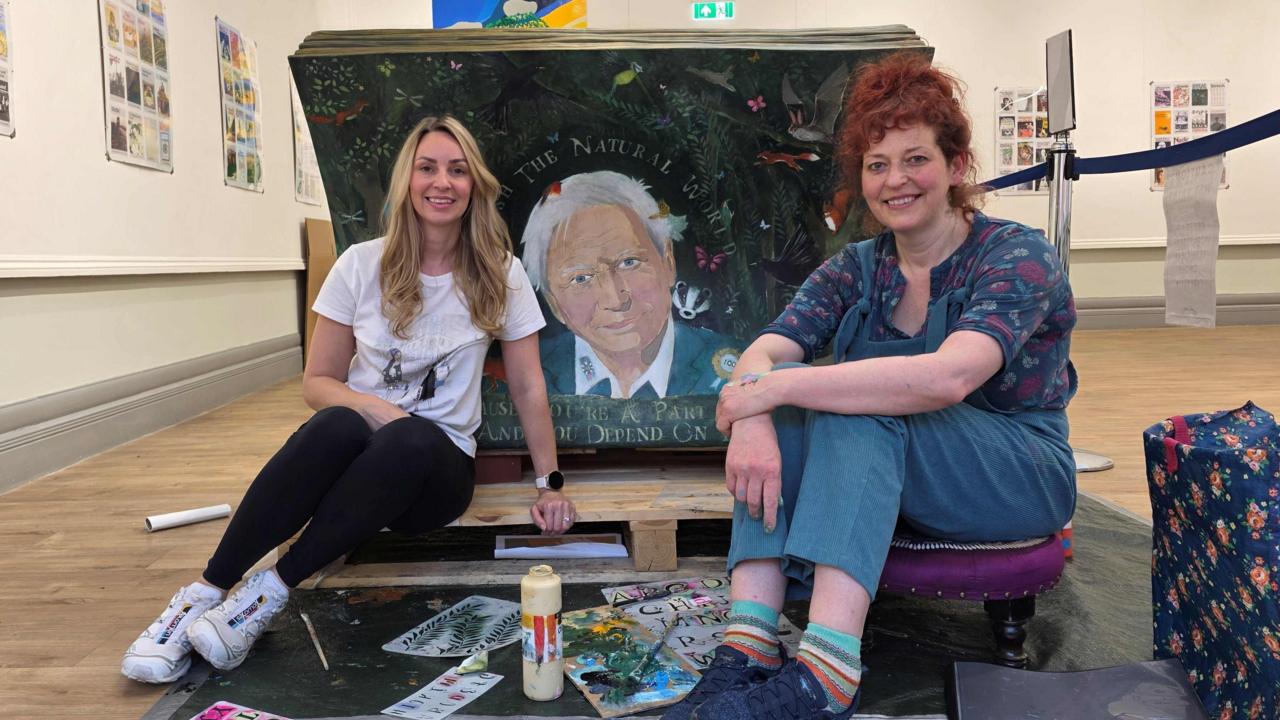
- A hand-painted book bench by artist Lisa House will be installed outside Cockerton library in Darlington.
A 50-year-old gamble that changed television
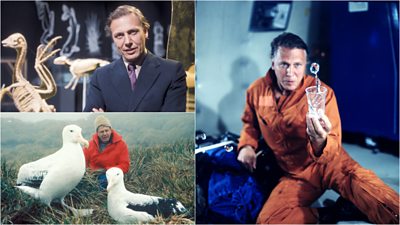
In 1976, production began on David Attenborough's Life on Earth. No one had ever attempted a natural history series on this scale before. The result, broadcast in 1979, was a landmark that redefined wildlife filmmaking and cemented Attenborough's reputation as the most influential nature broadcaster of all time. Now, as Attenborough celebrates his 100th birthday, a new BBC documentary, Making Life on Earth: Attenborough's Greatest Adventure, goes behind the scenes of that epic production. Directed by Victoria Bobin, the film is less a solemn tribute than a rollicking, gossipy celebration of a blockbuster moment in pop culture.
The sacrifice of a management career for a dream
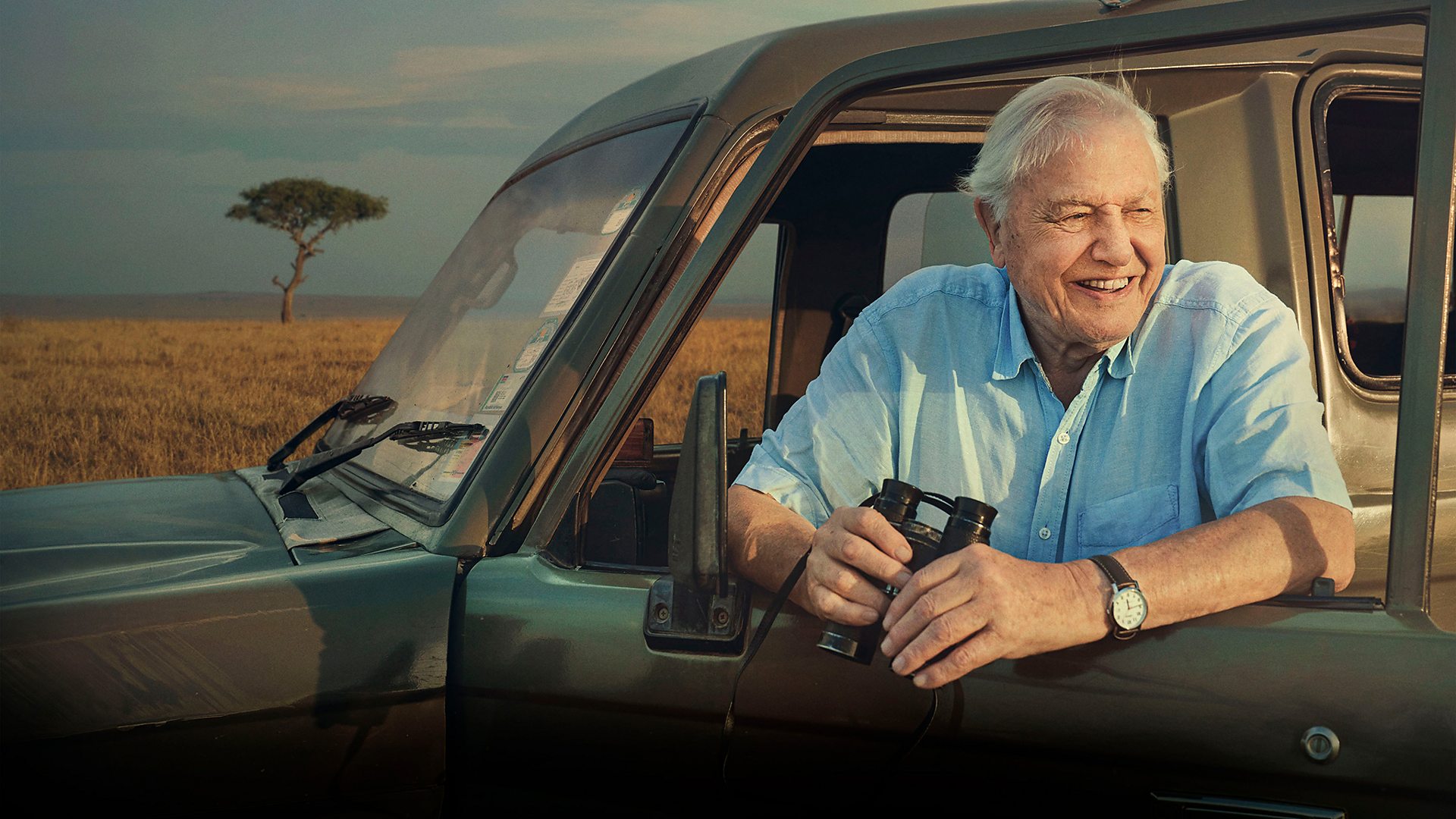
Attenborough, seen larking with the documentary crew before his interview, explains how he had to sacrifice his BBC management career to pursue his passion. After narrowly avoiding becoming director-general, a role he found unappealing, he quit and joined the Natural History Unit in Bristol. With scripts honed and a best-in-the-business team assembled, Attenborough set off on a three-year filming stint that involved scores of journeys around the world. The first challenge came at the Grand Canyon, where his allergy to donkeys caused his eyes to swell, forcing a climactic shot to be filmed from a distance. In the Galápagos, giant tortoises trampled the crew's tent guy ropes.
Coup, war, and near-execution: the perils of filming
Matters became hairier in the Comoros Islands in 1978, where a political coup temporarily cost the team their filming permits. Attenborough smoothed things over with the authorities in French, but the elusive coelacanth—a key species for the series—initially forced him to make do with a dried specimen found in a glass case in a local bar. Worse followed when Attenborough insisted on filming artefacts about early human writing in Iraq, which was on the brink of war with Iran. Associate producer Mike Salisbury recalls being sent ahead on a recce, joking that his imprisonment by Saddam Hussein's regime would be less problematic than if Attenborough were taken hostage. Salisbury eventually leaned across a distracted official's desk, stamped the team's passports himself, and fled.
The gorilla encounter that defined a career
The most iconic moment came in Rwanda, where Attenborough was cuddled by mountain gorillas. That shot, repeated countless times, remains one of the most celebrated in television history. 'There is more meaning and mutual understanding in exchanging a glance with a gorilla than any other animal I know,' he whispered. But the team almost didn't capture it. On their way to the airport with the film canisters, they were intercepted and taken to an army compound in Kigali, where for a while it looked as if they might be shot. They escaped and returned home to broadcast the series to 15 million enraptured viewers in the UK and 500 million worldwide.
A week of celebrations and a new series on back gardens
To mark Attenborough's centenary, the BBC is airing a week-long celebration of his work, including the new documentary and a series called Secret Garden. In five episodes set in different British gardens, Attenborough reveals the secret lives of animals from pine martens in the Western Highlands to blue tits in Bristol. The series highlights how 80% of Britons have access to a garden, covering an area larger than all national nature reserves combined. It urges viewers to consider the impact of their own backyards on struggling species.
A hand-painted bench in Darlington honours his legacy
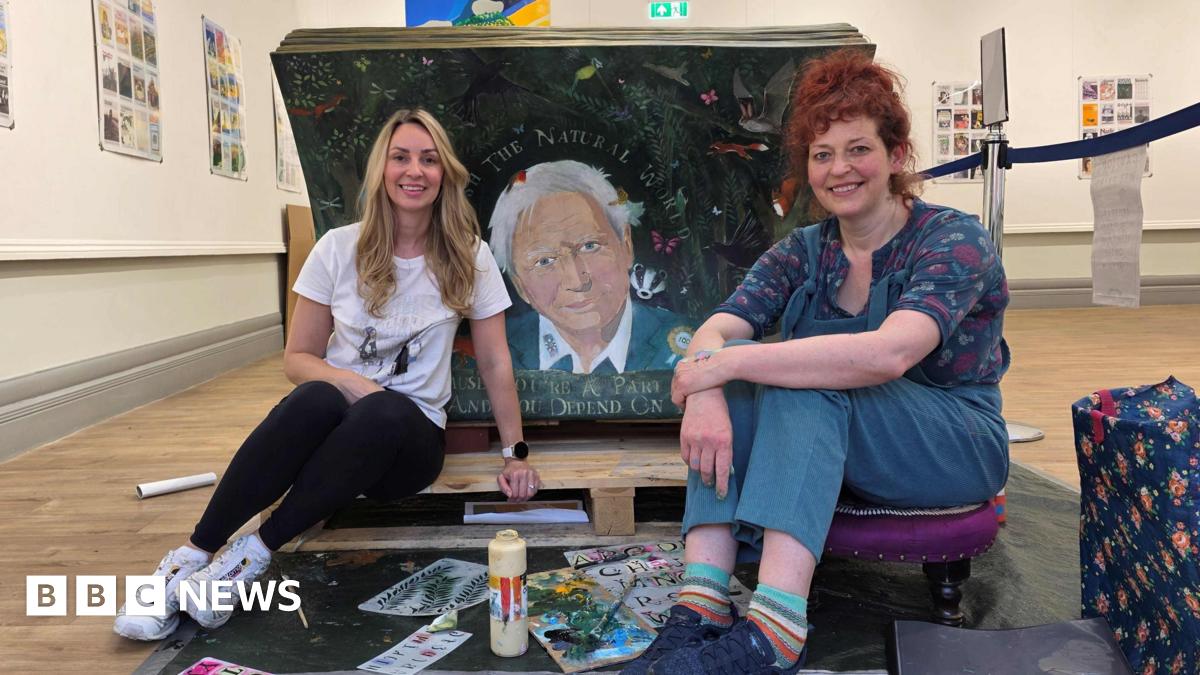
In Darlington, artist Lisa House has hand-painted a book bench to celebrate Attenborough's contribution to environmental awareness. Commissioned by Darlington Libraries, the bench features a portrait of Sir David alongside images of British wildlife such as foxes, hares, and birds. House, 52, said she was 'over the moon' to be asked. The hardest part was the portrait, as she is not a portrait painter. The bench will be installed outside Cockerton library once finished.
The enduring legacy of a broadcasting pioneer
Life on Earth changed television history, taking advantage of advances in air travel, video camera technology, and the spread of colour television. Attenborough and his team grabbed their chance and achieved the inconceivable, creating a template for every BBC nature series that followed. As pubs emptied on Tuesday nights during the original broadcast, the series confirmed Attenborough's reputation. Now, at 100, his influence endures, not just through his films but through the generations of viewers and conservationists he inspired.
The bottom line
- David Attenborough turned 100 on 8 May, with a week of BBC programming celebrating his career.
- Life on Earth, which aired in 1979, was a three-year, 40-country odyssey that set the template for modern nature documentaries.
- The production faced life-threatening dangers, including a coup, war, and a near-execution in Rwanda.
- Attenborough sacrificed a top BBC management role to pursue his passion for wildlife filmmaking.
- A new documentary, Making Life on Earth, reveals the behind-the-scenes stories with humour and candour.
- A hand-painted bench in Darlington and a new series on British gardens highlight his ongoing impact on conservation.
UK to Bake at 27°C Friday, Then Plunge Into Thunderous Bank Holiday Weekend
In 'The Cage,' a Casino Heist Becomes a Devastating State-of-the-Nation Drama
Shevlin double fires Coleraine to Irish Cup glory in seven-goal thriller