Kathy Hilton Says AI Deepfake Jell-O Diet Left Her Bloated and Regretful
The Real Housewives of Beverly Hills star fell for a scam using AI-generated endorsements from Oprah Winfrey, Michelle Obama, and others.
UNITED KINGDOM —
Key facts
- Kathy Hilton tried the Jell-O diet after seeing AI-generated ads featuring Oprah Winfrey, Michelle Obama, Kelly Clarkson, and Dr. Mehmet Oz.
- Hilton initially lost 2 pounds but became so bloated she could not fit into her clothes.
- She discovered the endorsements were fake during the Season 15 reunion of The Real Housewives of Beverly Hills.
- Snopes.com found no evidence that any celebrities are associated with the Jell-O diet weight-loss claims.
- Winfrey's team confirmed she is not involved and warned consumers to only trust posts on her personal Instagram page.
- The Better Business Bureau received over 170 complaints about a pink salt drink promoted with Winfrey's likeness.
- This is part of a broader trend of AI deepfakes used to sell health products, including a case where a woman was duped by a deepfake of her own surgeon.
A Celebrity Victim of AI Deception
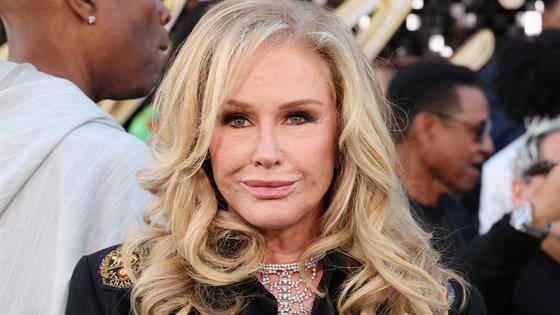
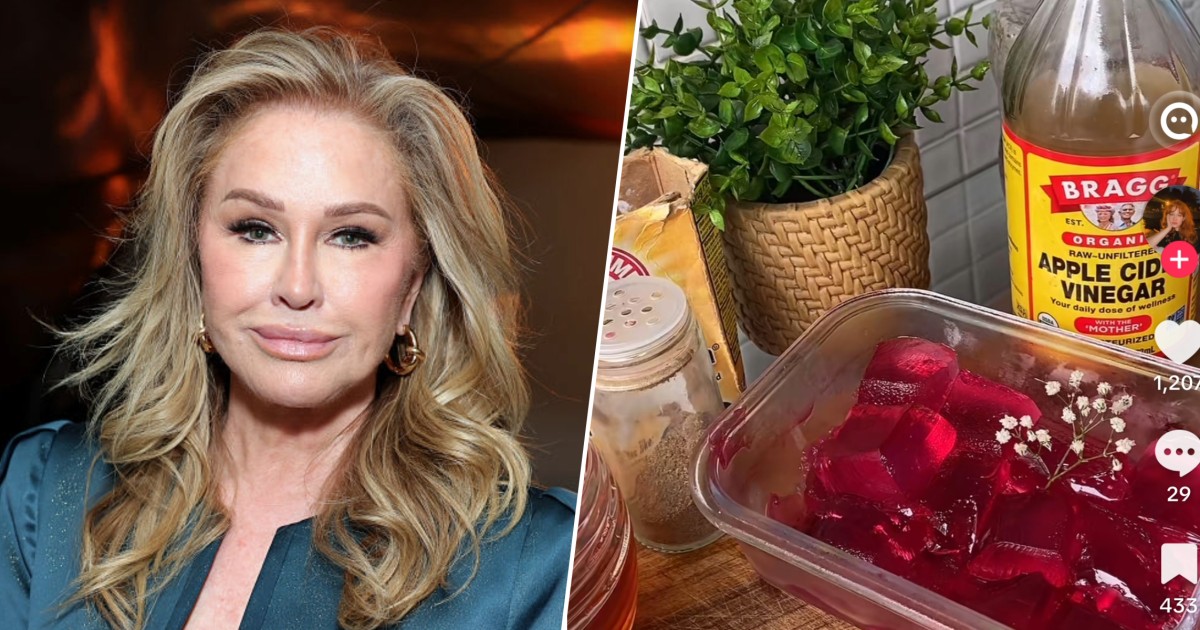
Kathy Hilton, star of The Real Housewives of Beverly Hills, has become the latest high-profile victim of an AI-generated scam, revealing that she fell for a fake diet advertisement featuring deepfake versions of Oprah Winfrey, Michelle Obama, Kelly Clarkson, and Dr. Mehmet Oz. The incident, which Hilton detailed during part two of the Season 15 reunion, underscores the growing threat of artificial intelligence in consumer fraud. Hilton explained that she was convinced by the deepfake videos to try the so-called Jell-O diet, which she believed was endorsed by the celebrities. The diet involved consuming Jell-O with vinegar and baking soda, a regimen she thought had their backing.
The Jell-O Diet and Its Aftermath
Initially, losing 2 pounds, but the results quickly soured. "I was so bloated I could not fit into anything," she said during the reunion. "It has messed up my whole entire system." The bloating and regret set in as she realized the endorsements were fabricated. Host Andy Cohen pressed Hilton on the details, asking if the ads featured AI versions of Oprah saying, "I do this Jell-O diet?" Hilton confirmed, adding that Dr. Oz was also depicted promoting the diet. The revelation came as a shock to Hilton, who said, "They lied to me. It was all IA — AI."
The Scope of the AI Scam
the scam has been spreading through social media ads and posts, primarily using the likenesses of Winfrey and Oz. The fact-checking site found no evidence that any celebrities are actually involved in promoting the Jell-O diet. Winfrey's team issued a statement to TODAY.com, confirming she has no connection to the diet and urging consumers to exercise caution. "To help viewers with discernment, unless something is posted on her personal IG page @oprah, it is not something she is involved in and consumers should please take extra caution before providing their personal information or purchasing any such products," Winfrey's team said. A representative for Dr. Oz did not immediately respond to a request for comment.
A Pattern of AI-Driven Health Scams
This incident is not an isolated case. on a woman who was duped by an AI deepfake featuring her own surgeon, losing hundreds of dollars. Winfrey's likeness has also been used to promote weight-loss gummies and a viral pink salt drink. The Better Business Bureau received more than 170 complaints about the pink salt drink, with consumers claiming Winfrey's image convinced them to buy it. The use of AI to replicate recognizable faces is a growing concern, as scammers exploit trust in public figures to peddle unproven health products. Hilton's experience highlights the ease with which consumers can be misled by sophisticated deepfake technology.
Broader Implications for Consumer Protection
The Jell-O diet scam raises questions about the adequacy of current consumer protections against AI-generated fraud. As deepfake technology becomes more accessible, the potential for misuse in advertising and scams increases. Public figures like Winfrey and Oz may find their images used without consent, while consumers risk financial loss and health consequences. Hilton's public disclosure may serve as a cautionary tale, but it also underscores the need for platforms to more aggressively detect and remove deceptive AI-generated content. The Better Business Bureau's complaints suggest that many consumers have been similarly misled, indicating a widespread problem.
What Comes Next
As investigations into the Jell-O diet scam continue, it remains unclear who created the deepfake ads or how many consumers have been affected. Hilton's case may prompt further scrutiny of AI-generated advertisements on social media. For now, Winfrey's team has advised consumers to rely only on her official social media channels for endorsements. The incident serves as a reminder that even savvy individuals can be fooled by advanced AI. Hilton's experience, shared on national television, may help raise awareness but also highlights the challenges in combating digital deception.
A Cautionary Tale in the Age of AI
Kathy Hilton's ordeal with the Jell-O diet is a vivid example of how artificial intelligence can be weaponized to exploit trust in celebrities. The scam not only caused her physical discomfort but also exposed the vulnerabilities in the digital marketplace. As AI technology evolves, so too must the mechanisms to protect consumers from such fraud. The story of Hilton's bloated regret is more than a celebrity anecdote; it is a warning about the pervasive reach of AI-generated misinformation. For the public, the lesson is clear: verify before you trust, especially when a deal seems too good to be true.
The bottom line
- Kathy Hilton fell for an AI-generated Jell-O diet ad featuring deepfake endorsements from Oprah Winfrey, Michelle Obama, Kelly Clarkson, and Dr. Mehmet Oz.
- The diet caused Hilton to become severely bloated after an initial 2-pound weight loss.
- Snopes.com confirmed the endorsements are fake, and Winfrey's team issued a statement denying involvement.
- The Better Business Bureau has received over 170 complaints about a similar scam using Winfrey's likeness for a pink salt drink.
- AI deepfakes are increasingly used to promote health products, with previous cases involving a woman duped by a deepfake of her own surgeon.
- Consumers are advised to verify endorsements through official social media channels and exercise caution with AI-generated content.
UK to Bake at 27°C Friday, Then Plunge Into Thunderous Bank Holiday Weekend

Shevlin double fires Coleraine to Irish Cup glory in seven-goal thriller
/https%3A%2F%2Fsportsmole-media-prod.s3.gra.io.cloud.ovh.net%2Fuploads%2F2026%2F04%2Fmousinho-7-69d159c93061f755597880.jpg)
Mousinho's Farewell? Portsmouth Host Birmingham in Final Day Showdown