Gulf Ceasefire at Breaking Point as US and Iran Refuse to Yield Over Strait of Hormuz
Four weeks into a fragile truce, a US naval escort mission through the strategic waterway has brought the region to the brink of renewed all-out war.
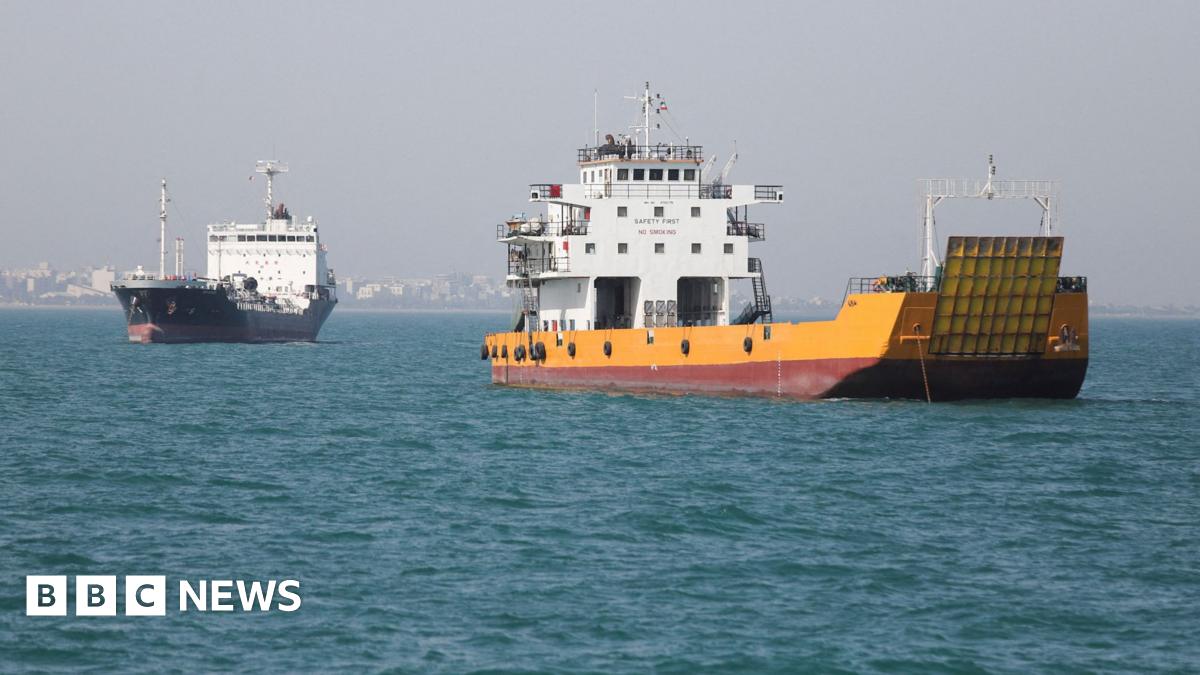
UNITED KINGDOM —
Key facts
- The Gulf ceasefire is four weeks old and showing signs of collapse.
- US and Iranian officials met in Islamabad but failed to reach a diplomatic breakthrough.
- Iranian Foreign Minister Abbas Araghchi told MPs there will be no return to the old status quo regarding the Strait of Hormuz.
- Between 40 and 60 vessels transited the strait daily before the US and Israel attacked Iran on February 28.
- Iran has demonstrated its willingness to close the strait, using it as an offensive weapon, revenue raiser, and insurance policy.
- The US decision to escort two ships through the strait has triggered an Iranian reaction, raising the risk of escalation.
- Israel deployed an Iron Dome anti-missile system and soldiers to the UAE, a gesture it refused to offer Ukraine.
- Iranian security forces shot protesters in January, showing the regime's readiness to use force domestically.
A Dangerous Moment for the Gulf Ceasefire
The ceasefire in the Gulf is four weeks old and showing its age. The US and Iran's determination to keep the pressure on each other has put it in serious jeopardy. This is a dangerous moment. The ceasefire opened up a chance for diplomacy that looked for a short time as if it might make progress. Americans and Iranians faced each other across a conference table in Pakistan's capital, Islamabad, but came away empty-handed. The Pakistanis are trying to revive the process, without much success so far. Both America and Iran want to have a deal. But they have different deals in mind and are sticking to their red lines. Until one or the other, or preferably both, decide to offer concessions, renewed full-scale hostilities remain an incident away.
The Strait of Hormuz: Central Flashpoint
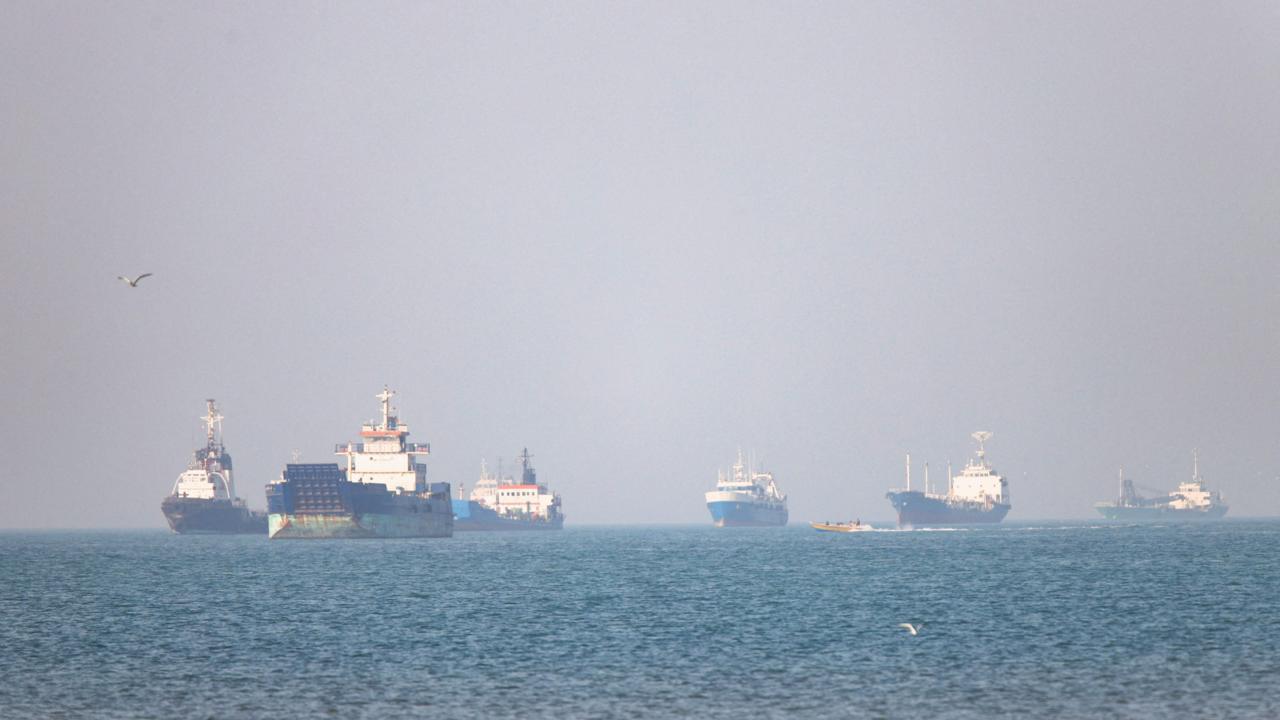
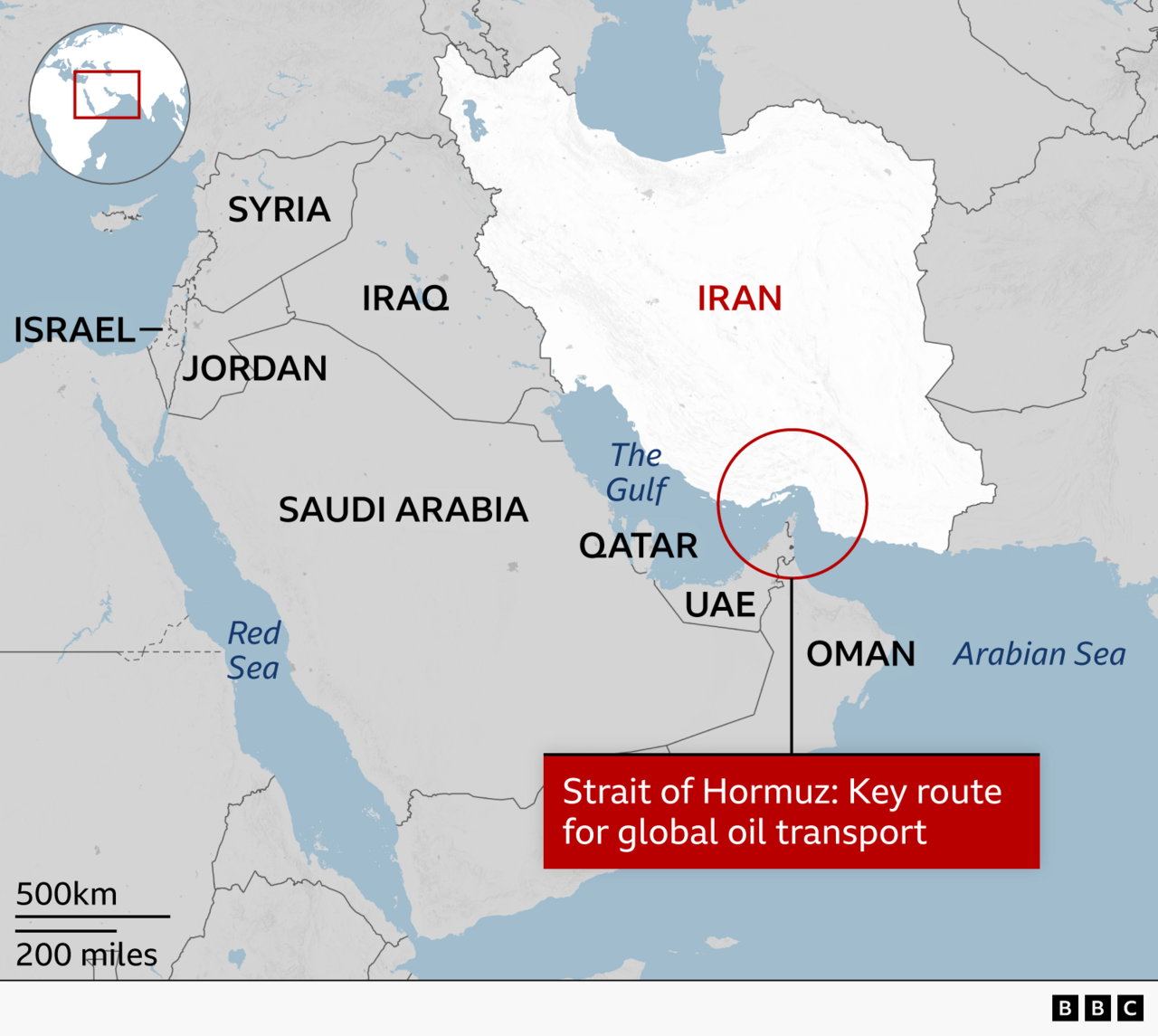
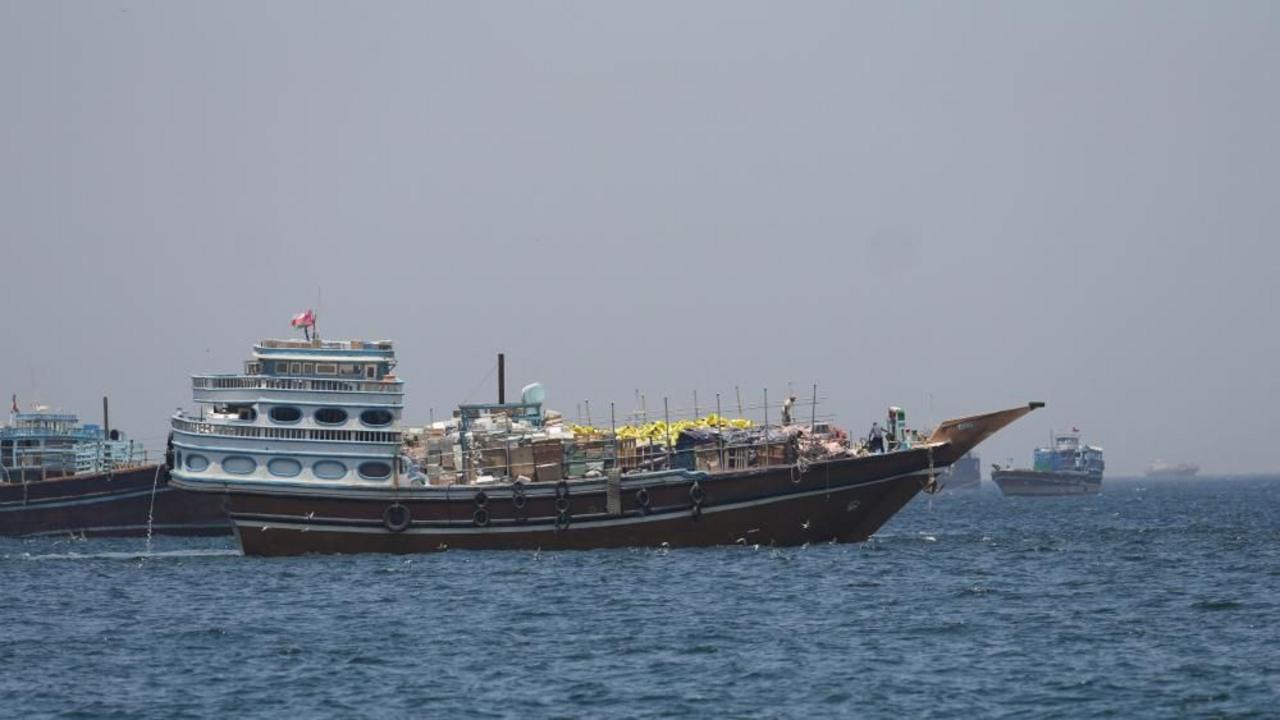
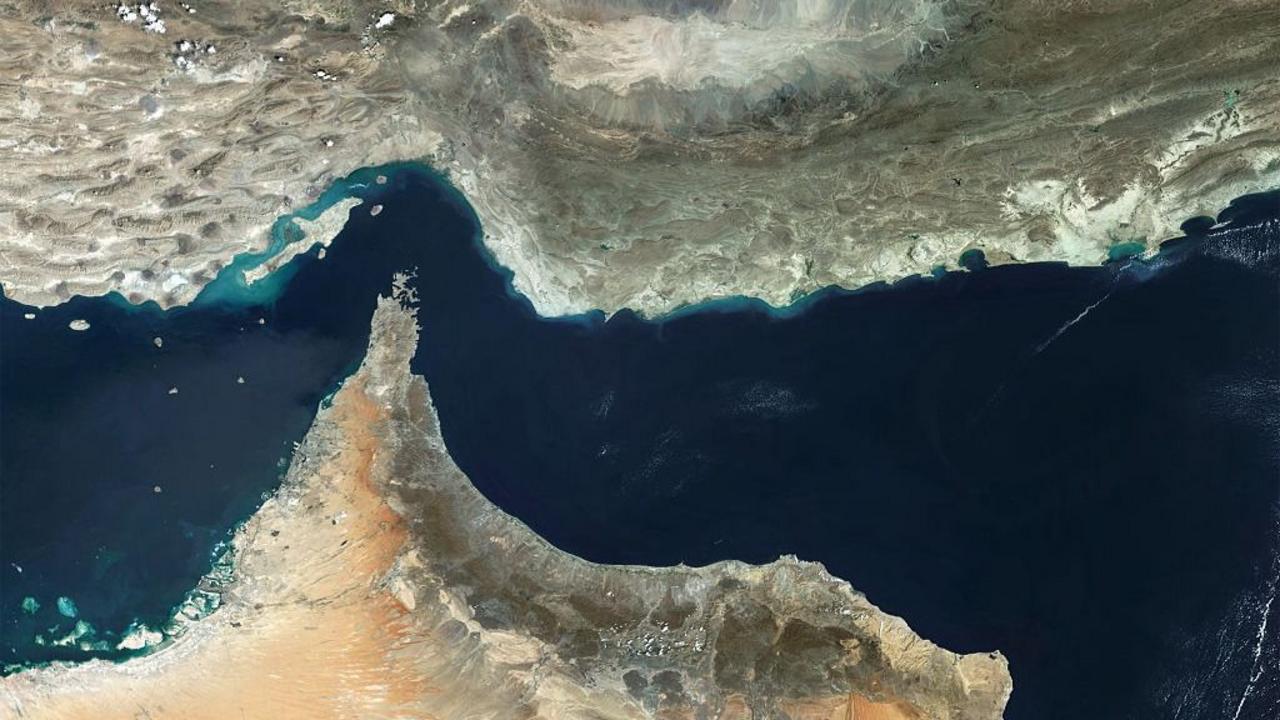
Control of the Strait of Hormuz has become the central issue in the crisis. It was open to navigation, without restriction or the payment of tolls, until February 28 – when the US and Israel attacked Iran. Now Iran has demonstrated how closing it can mean everything from an offensive weapon to a revenue raiser and an insurance policy. This week, Iranian Foreign Minister Abbas Araghchi has told MPs that there will be no return to the old status quo. The US cannot allow Iran to make the Strait of Hormuz into home waters that the Tehran regime can control and use to charge shippers millions in tolls, without accepting that tactical victory over Iran's armed forces has become a strategic defeat. America's decision to escort two ships through the strait was always going to produce a reaction from Iran. This week's urgent question is whether it ends there or whether more action and reaction power a slide back into all-out war.
Global Economic Fallout and the Fertiliser Crisis
Closing the strait has global economic consequences. The length of time it stays closed will determine how severe the consequences of the war will be for people across the world. Shortages of oil and gas, as well as helium for high tech industries and feedstocks for fertiliser, are having an increasingly heavy impact on millions of people a long way from the war zone. The fertiliser crisis risks causing hunger in countries that do not have secure food supplies. Between 40 and 60 vessels were transiting the strait every day until the US and Israel went to war. The US has shown the power of its highly efficient military, but the president's fluctuating decision-making has left the country in a strategic bind.
Trump's Frustration and Iran's Resilience
President Donald Trump's motives, declared and undeclared, are always complex and changeable. He has used social media to try to persuade oil traders not to drive up the price of petrol for American motorists. He must also be frustrated by the Iranian regime's resilience and determination to resist however much pain America and Israel inflict on the country. A regime prepared to shoot its own citizens in the streets for protesting, as the Islamic Republic's security forces did once again in January, is not going to worry too much about their welfare – at least not until it affects their hold on power. Trump's frustration is the result of his own rash decision to go to war assuming an easy victory, without thinking through the consequences of what happens and what to do if it isn't easy. Trump's decision to order the US Navy to escort a couple of ships through the strait does not restore freedom of navigation. Iran has shown that it is prepared to go back to war and might even be prepared to set the pace of escalation.
Regional Alliances Shift: UAE and Israel Deepen Ties
The United Arab Emirates looks to be the main target for Iran among their Gulf Arab neighbours. In response, the UAE has doubled down on its alliances with the US and Israel. The Israelis sent an Iron Dome anti-missile system to the UAE, and IDF soldiers to operate it – a significant gesture they refused to offer to Ukraine. This deployment underscores the shifting regional dynamics, with Gulf states aligning more closely with Israel and the US against Iran. The move also highlights the uneven nature of Western support, as Ukraine has been denied similar assistance. More than ever there is a strong risk of misperception and miscalculation of intentions and consequences. Both are classic ways in which crises slip out of control and wars escalate.
The bottom line
- The four-week-old Gulf ceasefire is fragile and could collapse at any moment due to US-Iran tensions over the Strait of Hormuz.
- Diplomatic efforts in Islamabad have stalled, with both sides sticking to red lines and refusing concessions.
- Iran has signaled it will not revert to the pre-war status quo in the strait, using closure as a strategic tool.
- The closure of the strait is causing global shortages of oil, gas, helium, and fertiliser, threatening food security in vulnerable nations.
- Trump's frustration with Iran's resilience and his own strategic miscalculations have left the US in a bind, with no easy exit.
- The UAE-Israel military cooperation, including the deployment of an Iron Dome system, marks a significant shift in regional alliances.

‘The Devil Wears Prada 2’ Opens to $114.6M Globally as Sequel Dominates International Box Office

Zelenskyy Offers Open-Ended Truce as Putin Demands Two-Day Ceasefire for Victory Day
Trump Threatens to 'Blow Iran Off the Face of the Earth' as US Escalates Strait of Hormuz Operation