UK Airlines to Cancel Flights This Summer as Jet Fuel Crisis Deepens
With the Strait of Hormuz blocked for eight weeks and European stocks dwindling, carriers prepare to consolidate schedules and raise fares to avert travel chaos.

UNITED KINGDOM —
Key facts
- Jet fuel prices surged 121% from $831 to $1,838 per tonne between late February and early April.
- The Strait of Hormuz has been effectively closed since early March, cutting off about 20% of globally traded jet fuel.
- The UK imports 65% of its jet fuel, with much of that coming from the Middle East.
- Five refineries have closed in Europe in the last two and a half years, including two in the UK, leaving just four operational.
- Heidi Alexander met with Heathrow, Gatwick, British Airways, Virgin Atlantic, and easyJet on April 3 to devise contingency plans.
- Goldman Sachs warns Britain is vulnerable due to low stocks, high import reliance, and poor refining capacity.
- Jet fuel accounts for 25-30% of airline operating costs.
The Smell of Crisis on the Tarmac
Step onto the tarmac at any major airport, and the unmistakable sweet, oily scent of jet fuel hangs in the air. That aroma has become dramatically more expensive in recent weeks. The price of jet fuel has soared on international markets since the start of the conflict in the Middle East, and now there are fears of physical shortages in some regions within months. Unless the Strait of Hormuz reopens soon, the industry faces a crunch just as the peak summer holiday season begins. The crisis has exposed the vulnerability of the UK, Europe’s largest jet fuel consumer, to disruption in the Gulf. Airlines are already raising ticket prices and trimming capacity, and further disruption could lead to widespread cancellations.
A Vulnerable Supply Chain
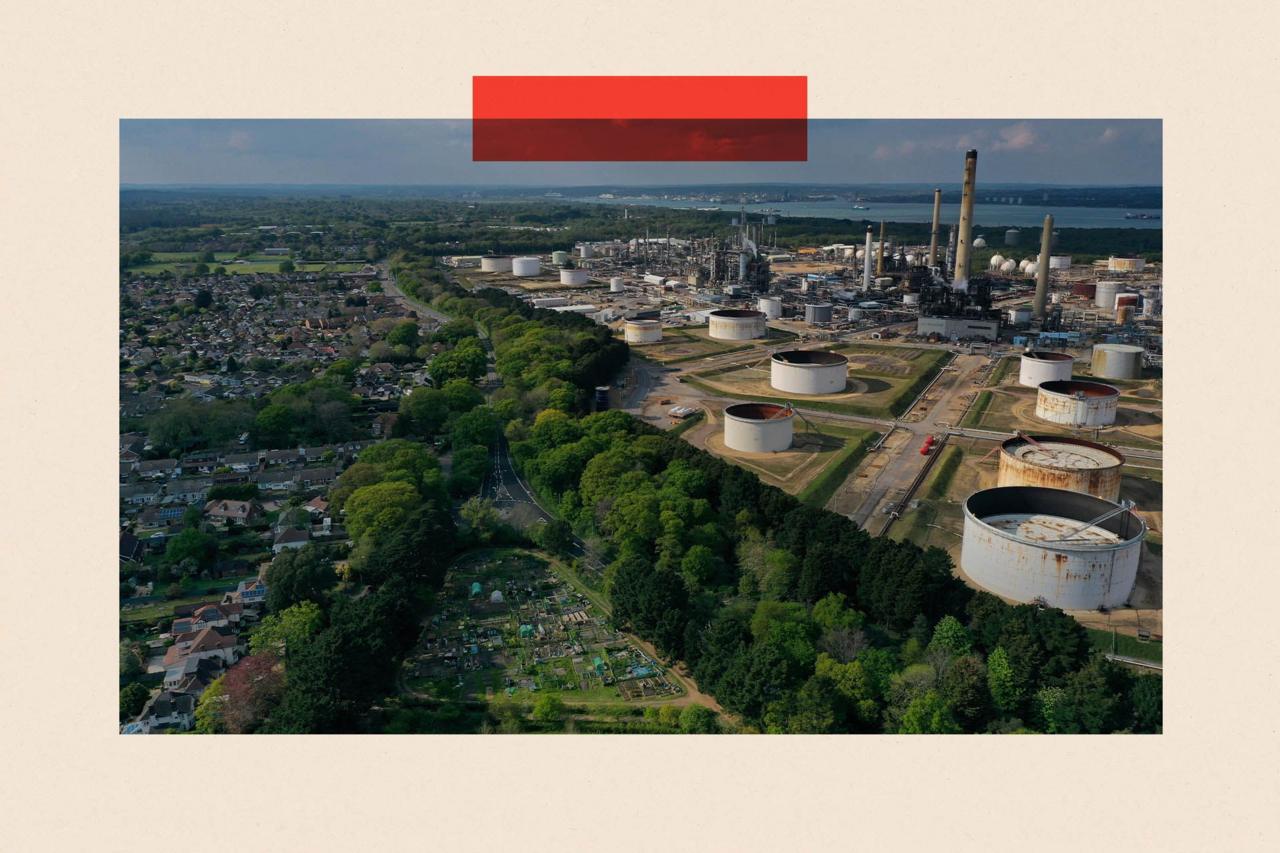
The Gulf region normally produces far more jet fuel than it consumes, exporting about 20% of the fuel traded globally each day. Europe is a key buyer, relying on imports for more than half of its supply, with the Gulf as the primary source. The Strait of Hormuz has been blocked for eight weeks, cutting off those supplies and triggering a scramble for alternative sources. The UK is particularly exposed: it imports 65% of its jet fuel, and two of its refineries have closed in recent years, leaving only four operational. Amaar Khan, head of jet fuel pricing at Argus Media, noted that five refineries have closed in Europe in the last two and a half years while demand has risen year on year, creating a structural deficit.
Price Shock and Profit Squeeze
Before the first US and Israeli airstrikes in late February, jet fuel traded at $831 per tonne in Europe. By early April, it had touched $1,838 – an increase of more than 120%. Prices have since retreated but remain above $1,500. Because jet fuel is a highly refined product, its price has risen far more than crude oil, as refining capacity constraints amplify the impact of supply losses. Fuel typically accounts for 25-30% of an airline’s operating costs, according to the International Air Transport Association (IATA). The price surge is squeezing carrier profitability, forcing them to raise fares and reduce capacity to offset the higher costs.
Government Steps In to Prevent Summer Chaos
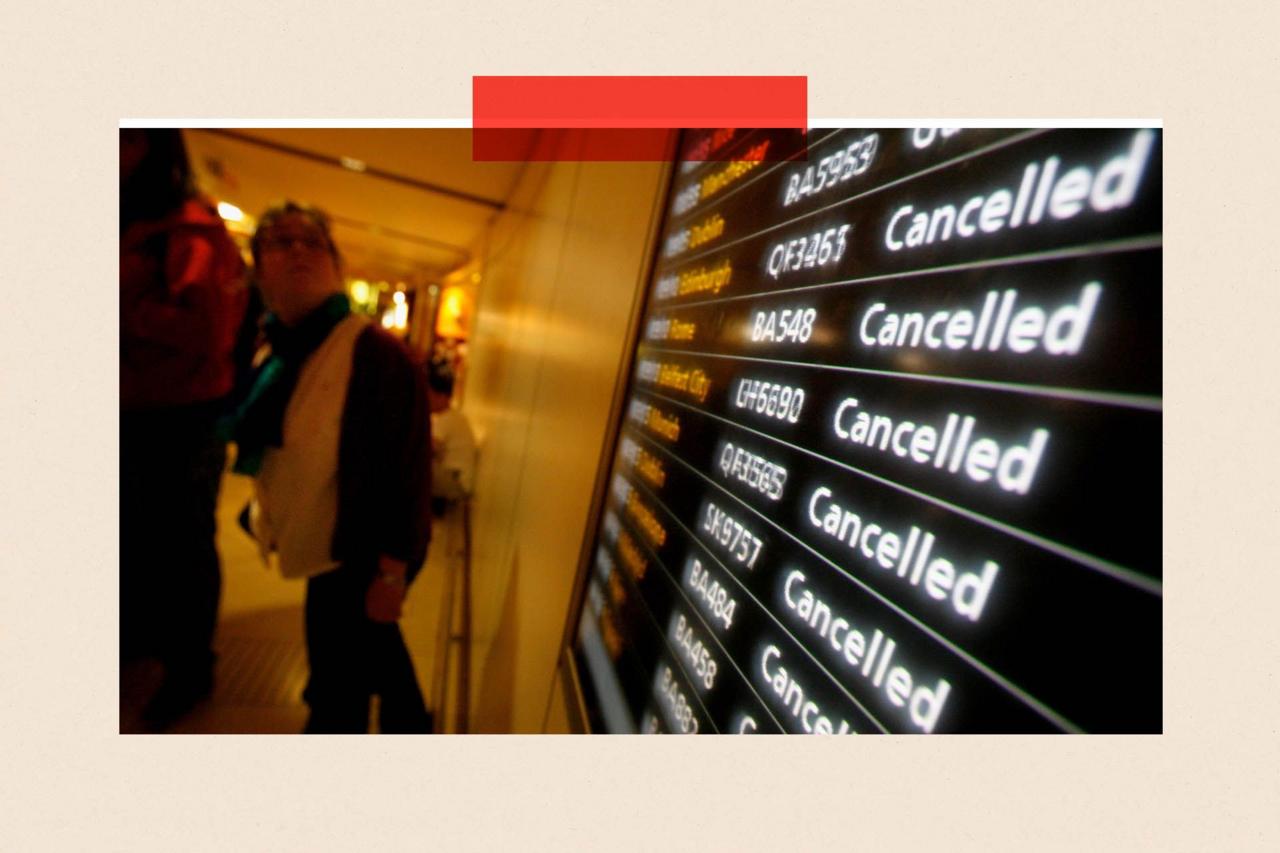
On Sunday, the UK government announced new legislation allowing airlines to cancel or consolidate flights this summer to conserve jet fuel. The measures are designed to avoid last-minute cancellations during the holiday season. Airlines will be able to give back a limited proportion of their takeoff and landing slots without losing the right to operate them the following season, a rule change that prevents them from running half-empty planes just to retain slots. Flights must be cancelled at least two weeks in advance, allowing passengers to be moved to similar services. Routes with multiple daily flights to the same destination may be consolidated. Rob Bishton, chief executive of the UK Civil Aviation Authority, said the slot relaxation gives airlines more flexibility and urged them to give passengers as much notice as possible.
The Meeting That Shaped the Plan
The plans were hatched at a meeting last Thursday between Transport Secretary Heidi Alexander and representatives from Heathrow, Gatwick, British Airways, Virgin Atlantic, and easyJet. Alexander stated that there are no immediate supply issues but said the government is preparing now to provide families with long-term certainty and avoid unnecessary disruption at the departure gate this summer. “This legislation will give airlines the tools to adjust flights in good time if they need to, which helps protect passengers and businesses,” she said. “We will do everything we can to insulate our country from the impact of the situation in the Middle East.”
Goldman Sachs Warns of Structural Weakness
Investment bank Goldman Sachs has warned that Britain is particularly vulnerable to the Strait of Hormuz closure due to low stocks, high reliance on imports, and poor refining capacity. The warning underscores the systemic risk: with just a few weeks of jet fuel supplies left in Europe, according to some calculations, any further disruption could trigger a severe shortage. The crisis has highlighted the long-term decline in European refining capacity. As Khan explained, the combination of refinery closures and rising demand has created a fragile supply-demand balance. The UK, with only four refineries left, is at the sharp end of that imbalance.
What Lies Ahead for Summer Travel
Airlines are now examining their timetables to determine which flights can be cancelled with the least disruption. If flights have not sold a significant proportion of tickets, they may be cancelled to avoid wasting fuel on near-empty planes. The government’s legislation provides a framework for these adjustments, but the underlying problem remains: the Strait of Hormuz is still closed, and no quick resolution is in sight. Passengers face higher fares, fewer options, and the possibility of last-minute changes. The summer holiday season, a critical period for both travellers and the industry, is now clouded by uncertainty. The crisis has laid bare the fragility of a global aviation system that depends on a single, volatile chokepoint for its fuel.
The bottom line
- Jet fuel prices have more than doubled since late February, driven by the closure of the Strait of Hormuz and European refinery closures.
- The UK imports 65% of its jet fuel and has only four refineries, making it acutely vulnerable to supply disruptions.
- New UK legislation allows airlines to cancel or consolidate flights at least two weeks in advance without losing airport slots, aiming to prevent summer travel chaos.
- Airlines including British Airways, easyJet, and Virgin Atlantic are raising fares and cutting capacity to offset higher fuel costs.
- Goldman Sachs warns that Britain’s low stocks, high import reliance, and poor refining capacity amplify the risk of shortages.
- The crisis could persist through the summer unless the Strait of Hormuz reopens or alternative supply sources are secured.



UK airlines to cancel flights as jet fuel shortage looms amid Middle East crisis
Person Dies on Track Near Balcombe, Shutting Brighton Main Line and Causing Chaos at Gatwick
