May Day: From Beltane bonfires to Hawaiian lei, a global welcome to spring
The ancient festival, rooted in pagan fertility rites and Celtic tradition, takes on diverse forms from Maypole dancing in Europe to the vibrant Lei Day celebrations in Hawaii.
UNITED KINGDOM —
Key facts
- May Day originates from European pagan celebrations marking the arrival of spring, including Beltane in Ireland and Scotland.
- Beltane, meaning 'bright fire' or 'Bel's Fire', involved sacred bonfires to protect people, livestock, and crops.
- Maypole dancing, a tradition where dancers weave ribbons around a tall pole, is a common May Day custom.
- May baskets, small baskets of flowers or treats, are left anonymously on neighbors' doorsteps.
- In Hawaii, May Day is celebrated as Lei Day, featuring leis made of native flowers symbolizing aloha (love, respect, connection).
- In Maine, May Day is observed as a quiet, old-fashioned welcome to spring rather than a large public festival.
A festival of renewal
May Day, observed on May 1, marks the transition from winter to spring with celebrations rooted in ancient pagan traditions. The festival, which originated in Europe, symbolizes fertility, growth, and renewal. One of the most well-known precursors is Beltane, celebrated in Ireland and Scotland, which heralds the beginning of summer in Celtic tradition. The name Beltane is interpreted as 'bright fire' or 'Bel's Fire,' referring to the sacred bonfires lit to protect people, livestock, and crops.
Customs across generations
Many May Day customs have persisted through generations, such as Maypole dancing, where participants dance around a tall pole decorated with ribbons, weaving intricate patterns as they move. This tradition was practiced in elementary schools as early as the 1950s. Another custom is the making of May baskets—small baskets of flowers or treats left anonymously on neighbors' doorsteps, a gesture of goodwill and community spirit.
Hawaii's Lei Day: A vibrant cultural expression
In Hawaii, May Day is celebrated as Lei Day, one of the most colorful and meaningful cultural events of the year. A lei, a garland made of various native flowers, is worn around the neck as a symbol of aloha—meaning love, respect, and connection. The celebration is vibrant and communal, deeply rooted in Hawaiian cultural expression. Lei Day transforms the islands into a spectacle of floral artistry and community bonding.
Maine's quiet welcome to spring
In contrast to Hawaii's exuberant festivities, May Day in Maine is a more subdued affair, described as a quiet, old-fashioned welcome to spring. Rather than large public festivals, the day often involves practical preparations for the warmer months: cleaning up yards, setting out deck and yard furniture, readying boats for the water, and planning gardens. The American Legion Yard Sale, scheduled for August 8 on Boothbay Common, offers an opportunity to declutter and donate items no longer needed.
From ancient rites to modern chores
While May Day's origins lie in ancient fertility rites and seasonal celebrations, for many it now signals the start of seasonal chores and outdoor preparations. The day serves as a reminder to transition from winter storage to summer activities, from kayaking and biking to gardening. The American Legion Yard Sale, held at the Legion Hall on Boothbay Common, invites community members to sell their own goods or donate items, fostering a spirit of reuse and neighborly exchange.
The bottom line
- May Day has ancient pagan roots, particularly in the Celtic festival of Beltane, which celebrated spring's arrival with bonfires and rituals.
- Traditional customs like Maypole dancing and May baskets persist, especially in European-influenced communities.
- Hawaii's Lei Day offers a unique, culturally rich celebration centered on the lei as a symbol of aloha.
- In Maine, May Day is a low-key, practical affair focused on preparing for the summer season.
- The festival's modern observance blends ancient traditions with contemporary activities, from community yard sales to gardening.






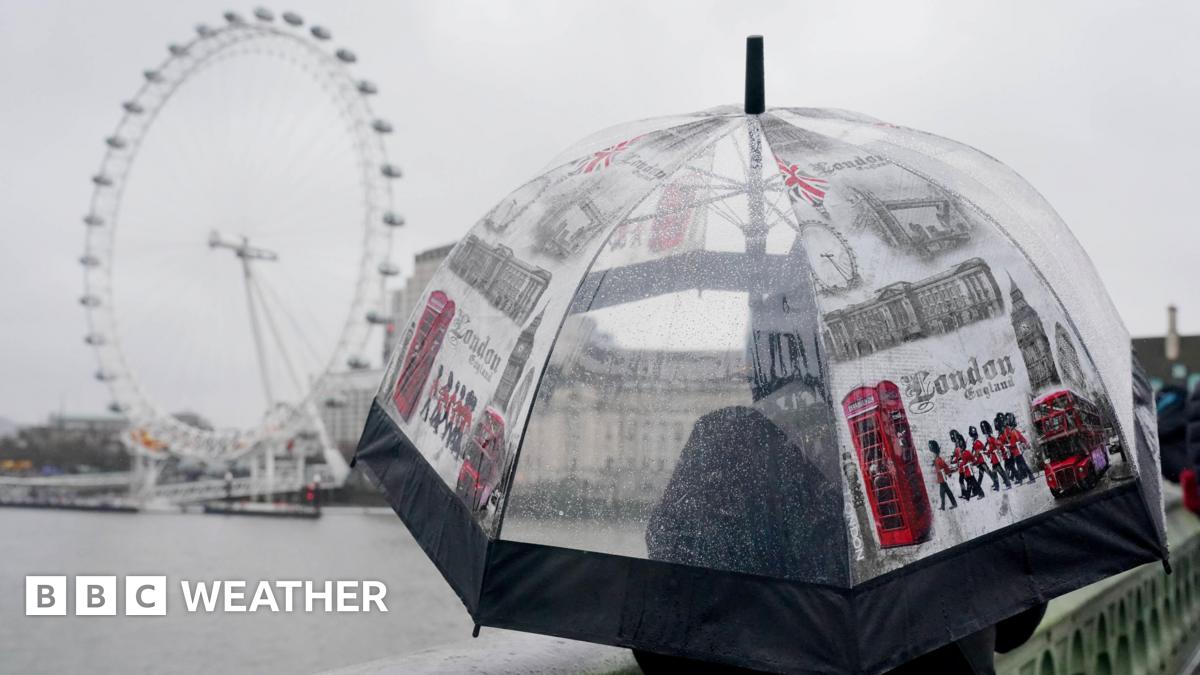
UK to Bake at 27°C Friday, Then Plunge Into Thunderous Bank Holiday Weekend
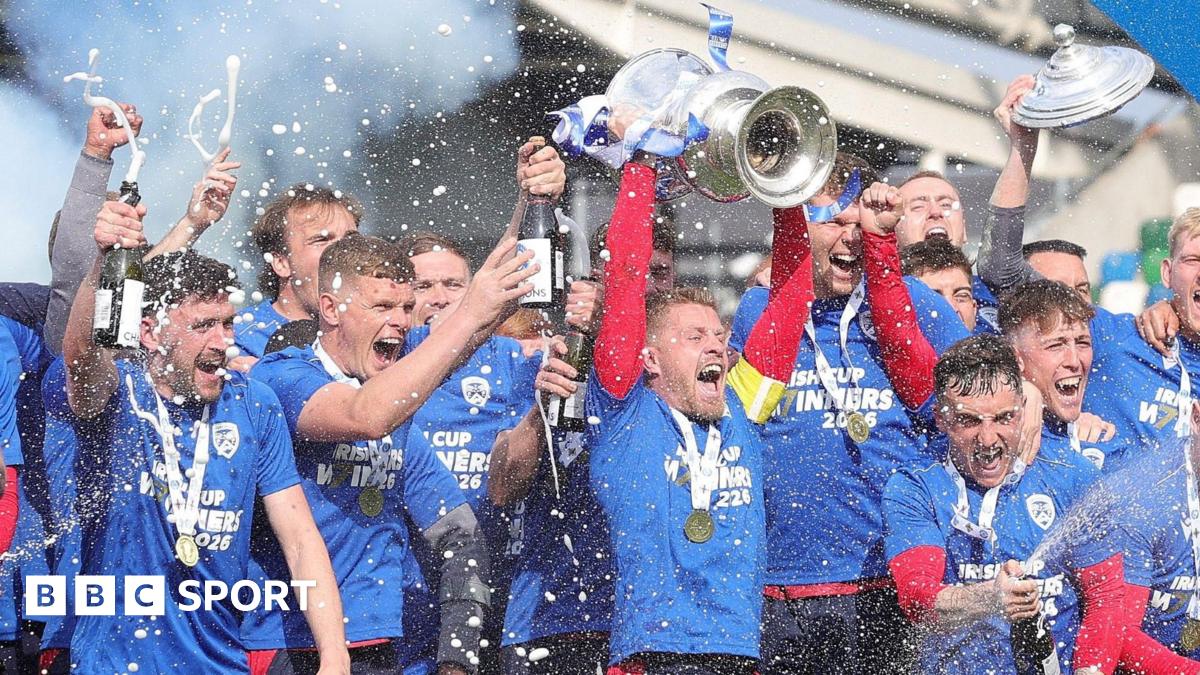
Shevlin double fires Coleraine to Irish Cup glory in seven-goal thriller
/https%3A%2F%2Fsportsmole-media-prod.s3.gra.io.cloud.ovh.net%2Fuploads%2F2026%2F04%2Fmousinho-7-69d159c93061f755597880.jpg)
Mousinho's Farewell? Portsmouth Host Birmingham in Final Day Showdown