Zurbarán's Supernatural Realism: A Visionary Retrospective at the National Gallery
The 17th-century Spanish master's first major survey in nearly four decades unveils newly attributed works and reconstructs a monumental altarpiece.

UNITED KINGDOM —
Key facts
- Francisco de Zurbarán (1598-1664) is the subject of a major exhibition at the National Gallery, London, from 2 May to 23 August.
- The last Zurbarán survey on this scale was in 1987.
- Two newly discovered paintings, including Alcarraza on a Plate (c. 1650), are highlights.
- The second tier of the altarpiece from the Charterhouse of Jerez de la Frontera is reconstructed for the first time in about 175 years.
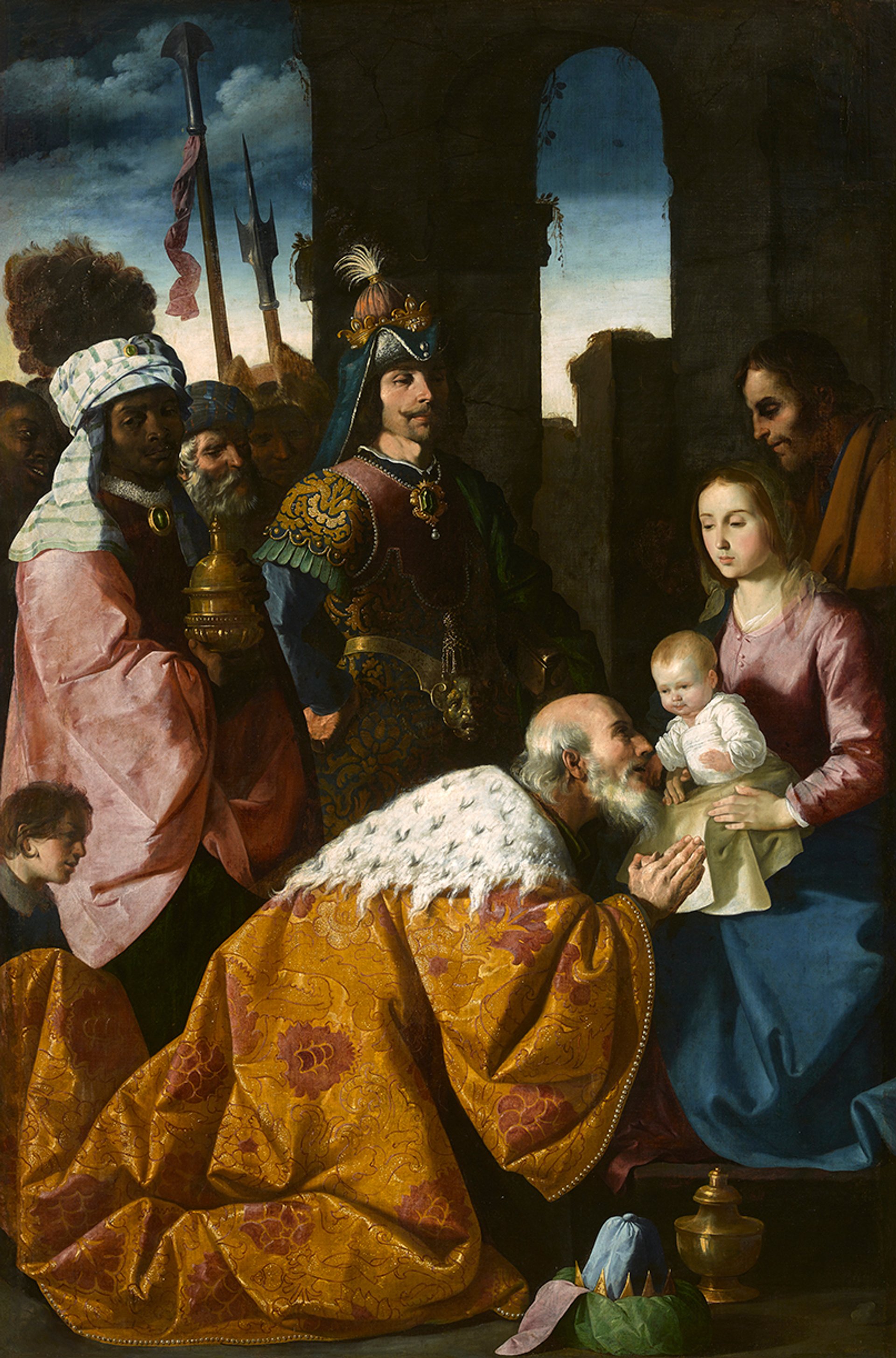
- The Adoration of the Magi (1638-39) and The Circumcision (1639) are lent by the Musée de Grenoble; the Virgin of the Rosary with the Carthusians (1638-39) comes from the National Museum in Poznań.
- Zurbarán's son Juan died in the great plague that struck Seville in 1649.
- The exhibition argues that Zurbarán's late period was not a decline but a shift to smaller, more intimate works.
A Visionary's Return
The 17th-century Spanish painter Francisco de Zurbarán painted with a supernatural intensity that dissolves the boundary between the viewer and the canvas. The National Gallery's new exhibition, opening 2 May and running until 23 August, presents the first major survey of his work in nearly four decades. It brings together his signature saintly portraits, intimate still-lifes, and vast altarpiece projects, revealing an artist whose range extended far beyond the austere piety for which he is best known.
Newly Attributed Works and a Reconstructed Altarpiece
Co-curator Daniel Sobrino Ralston highlights two newly attributed paintings, including Alcarraza on a Plate (c. 1650), which individually depict ceramic objects that appear together in Zurbarán's Still Life with Four Vessels (c. 1650). These small studies suggest that Zurbarán, possibly with his son Juan, painted detailed studies at exact scale for transposition into larger works. For the first time in about 175 years, the second tier of the altarpiece from the Charterhouse of Jerez de la Frontera is reconstructed. The Adoration of the Magi (1638-39) and The Circumcision (1639), lent by the Musée de Grenoble, join the Virgin of the Rosary with the Carthusians (1638-39), measuring about 4m in height, from the National Museum in Poznań. This reconstruction gives visitors a sense of the scale and impact of the original 15m-tall altarpiece.
The Paradox of Precision and Mysticism
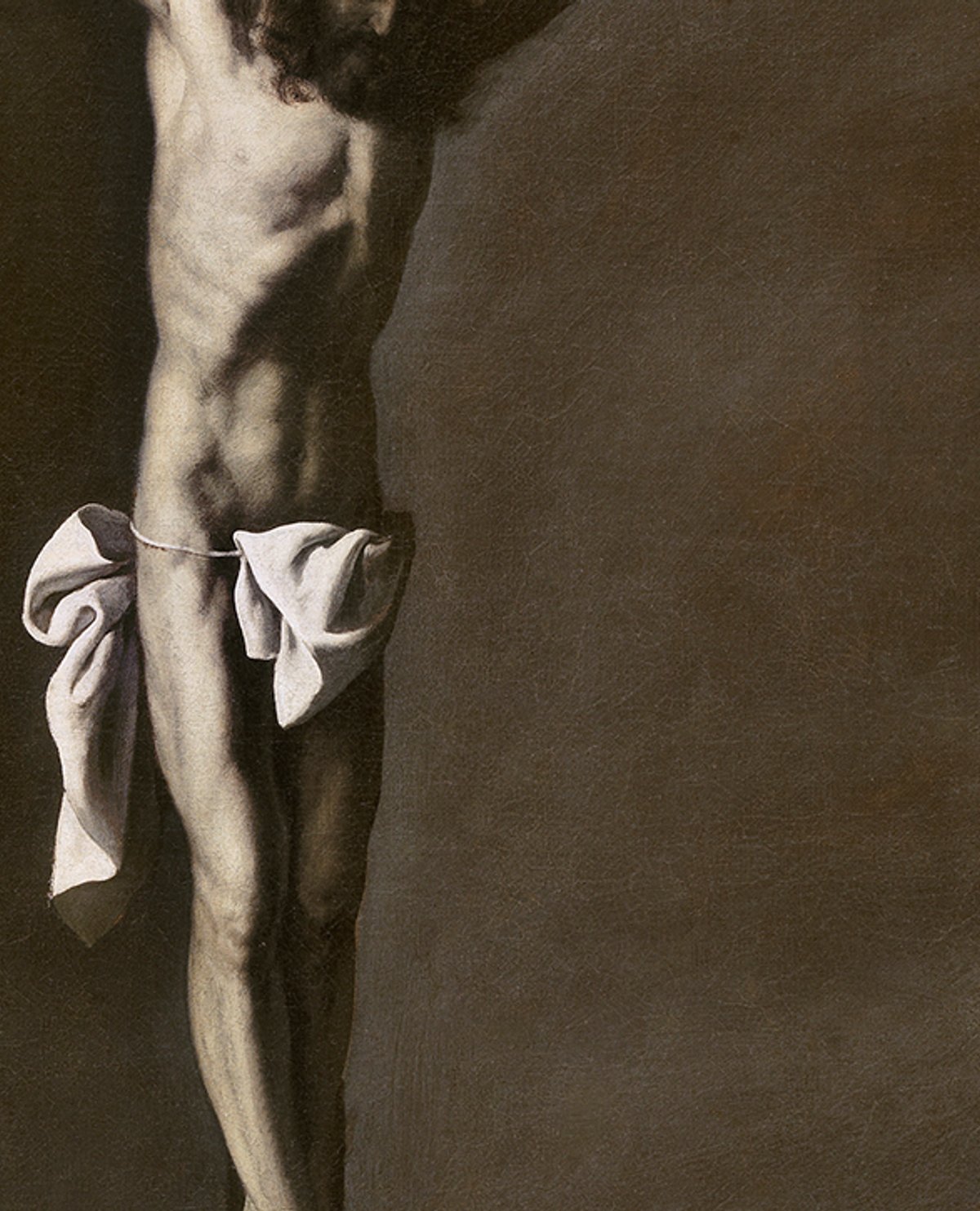
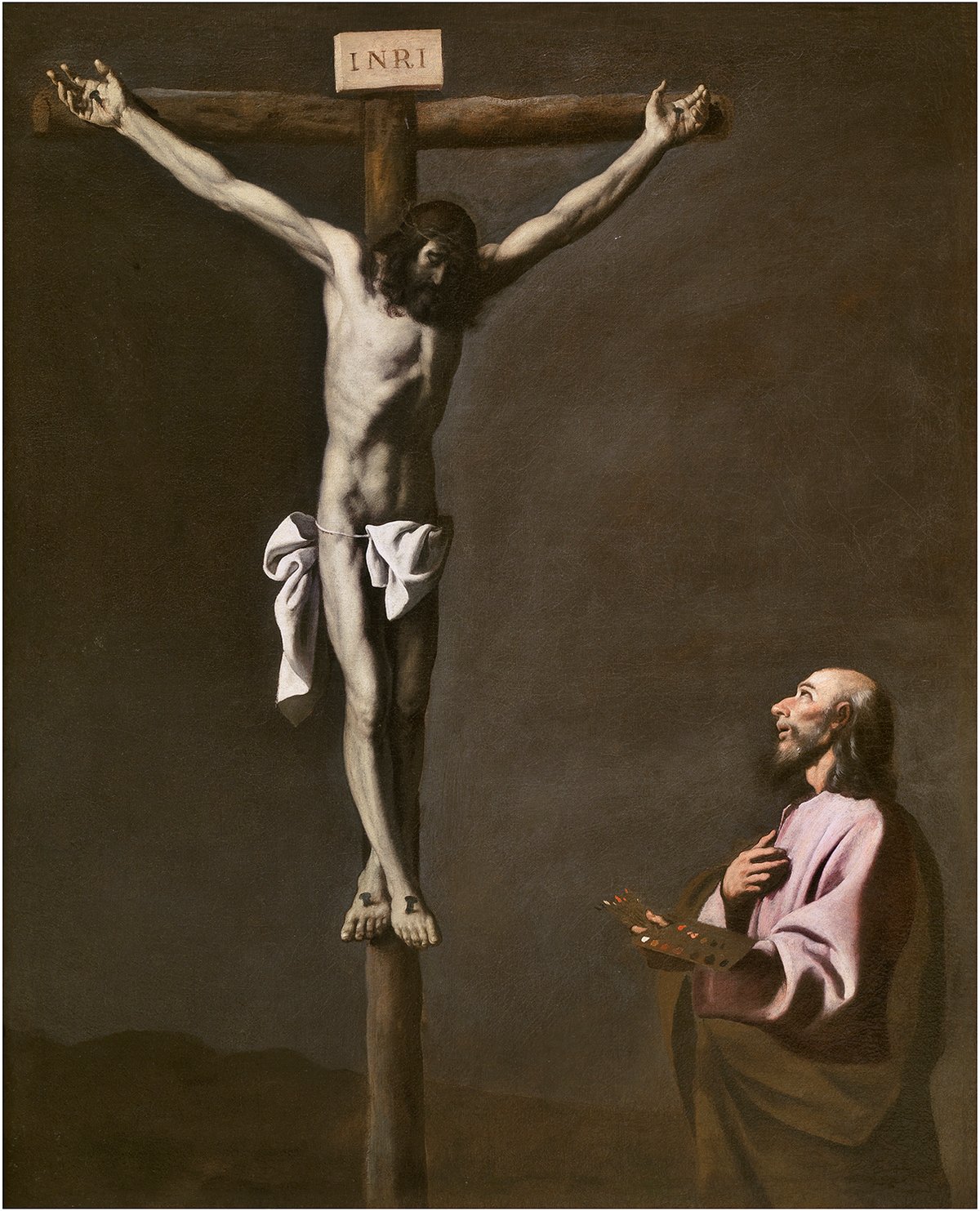
Zurbarán's art is a mesmerising paradox: a mystical Catholic painter who worked with scientific accuracy. Born in 1598, he spent his greatest years in Seville, a city shaped by centuries of religious warfare and Islamic design. The wealth from the Americas fuelled a flourishing artistic culture that also produced Diego Velázquez. Zurbarán's still-lifes, such as those featuring lemons, oranges, and a rose balanced on a reflective plate, isolate objects against blackness with mirror-like perceptiveness, turning natural observation into cosmic mystery. His religious paintings share that same quality of attention. The Crucified Christ towers above the viewer, a pale body in darkness, with a loincloth of pure white fabric that dances like a flower. Saint Serapion's beaten body is hidden in a billowing white sail, while Saint Casilda of Toledo, a Muslim princess, is depicted with bread miraculously turning to flowers. These works were made for the masses, touching the working people of 1600s Seville with their incandescent conviction.
Late Period Reconsidered
Zurbarán's late period has often been perceived as a decline after his imperious oeuvre of the 1630s, especially following the great plague of 1649 that killed his son Juan. The exhibition argues that he moved in a different direction, producing smaller, softer, and more intimate works for private chapels and houses. Zurbarán became more self-aware, painting cartellini—fictive pieces of paper announcing authorship—on his canvases. In The Veil of Veronica (1658), a cloud-like representation of Christ's blood and sweat on the cloth creates an almost witty game of illusion. The exhibition ends with Crucified Christ with a Painter (c. 1650), interpreted as a self-portrait or a depiction of Saint Luke, making a remarkable statement about the purpose of painting as a spiritual experience.
A Seriousness for the Irreligious
Zurbarán's most moving still-life, Agnus Dei, depicts a lamb trussed up for slaughter, painted lifesize with such perfection it might be a specimen in a vitrine. It symbolises Christ but is also an actual lamb, a victim of human butchery. Each fold and knot of its fleece is soft and thick enough to touch, dragging the viewer through the picture plane to pity its suffering. This seriousness about life, death, and the mystery of being has few equals, offering something profound even to the irreligious.
The bottom line
- Zurbarán's first major survey since 1987 includes newly attributed works and a reconstructed altarpiece tier.
- The exhibition spans his saintly portraits, still-lifes, and large-scale commissions, revealing his full range.
- Zurbarán's precision in still-lifes mirrors the attention to detail in his religious paintings.
- His late period is reframed as a shift to intimate, self-aware works rather than a decline.
- The show runs from 2 May to 23 August at the National Gallery, London.
UK to Bake at 27°C Friday, Then Plunge Into Thunderous Bank Holiday Weekend

Shevlin double fires Coleraine to Irish Cup glory in seven-goal thriller
/https%3A%2F%2Fsportsmole-media-prod.s3.gra.io.cloud.ovh.net%2Fuploads%2F2026%2F04%2Fmousinho-7-69d159c93061f755597880.jpg)
Mousinho's Farewell? Portsmouth Host Birmingham in Final Day Showdown