United Utilities Shares Surge 11% on £800M Placing and Upgraded Return Targets
The water company’s plan to invest an additional £2.5bn in infrastructure, backed by a cornerstone investment from Australia’s Future Fund, has pushed its stock to an all-time high.

UNITED KINGDOM —
Key facts
- United Utilities shares rose 11% on Thursday, reaching a record 1,480p.
- The company announced an £800m equity placing, half taken by Australia’s Future Fund and Atlas.
- United Utilities targets a return on equity of 10-11% in the current five-year period, up from 8.5% forecast by some analysts.
- The firm plans to spend an extra £2.5bn on infrastructure, raising total AMP8 investment to £11.5bn.
- Underlying operating profit jumped 34.8% to £1.1bn in the 2025 financial year.
- Net debt rose by £0.6bn to £9.9bn.
- The dividend for 2025-26 is set at 53.66p per share, up 3.5%.
- Severn Trent shares rose 7% in sympathy on Thursday.
A Surge Defying Utility Norms
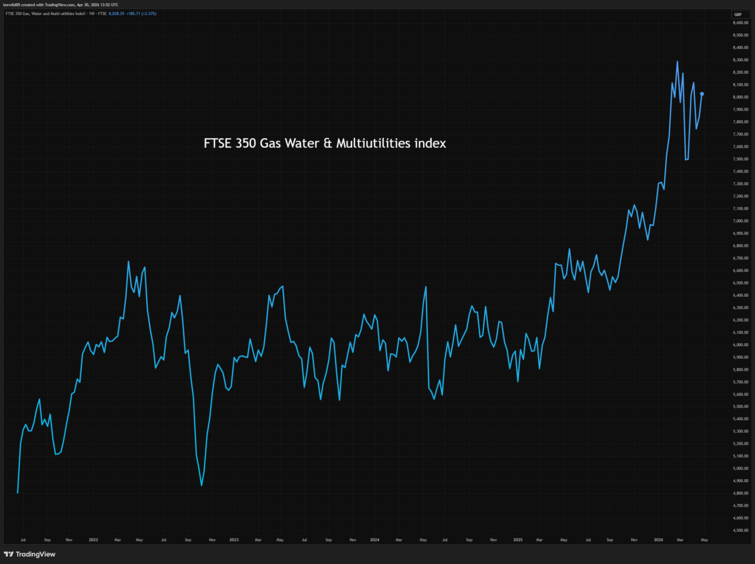
United Utilities, the water company serving north-west England, saw its share price leap 11% on Thursday, a move that would be remarkable for any utility but is especially striking when the company is simultaneously issuing £800m of new shares. The jump pushed the stock to an all-time high of 1,480p, outpacing the FTSE 100 index, which has risen 30% over the past year. Investors scrambled for the equity after Australia’s sovereign wealth fund, Future Fund, and global infrastructure investor Atlas snapped up half the allocation as cornerstone investors. The placing is designed to fund an ambitious £2.5bn of incremental investment, taking United Utilities’ total spending for the 2025-30 regulatory period to £11.5bn.
Regulatory Tailwinds and Upgraded Returns
The catalyst for the surge is a regulatory settlement from Ofwat that, a year on, appears more generous than initially perceived. United Utilities is now targeting a return on equity of 10-11% for the current five-year cycle, a full percentage point above previous guidance and well above the 8.5% some City analysts had forecast. These double-digit returns, underpinned by inflation-linked bill increases, have made the company a standout in a sector plagued by crises at Thames Water and others. The company’s strategic update also revealed that it expects to secure permission from Ofwat for an additional £2.5bn of spending on top of the agreed £9bn, citing the government’s plans for new homes and data centres around Manchester. The first £1.4bn tranche, if approved, would add £10 to household bills.
Infrastructure Investment Drives Asset Growth
United Utilities’ asset base is now projected to grow at a compound annual rate of 10% through 2030, up from 7% previously. For water utilities, the size of the asset base is a primary driver of valuation, making this upgrade a key reason for the share price rally. Morgan Stanley noted that the equity raise “answered questions about funding” and viewed the simultaneous increase in capex and capital raise as positive, with capital going directly to value-accretive growth. The company’s full-year results for 2025 underscored its financial strength: underlying revenue rose 20.1% to £2.6bn, while underlying operating profit jumped 34.8% to £1.1bn. Earnings per share came in slightly ahead of expectations at 107.1p. Free cash outflows remained flat at £0.1bn, as higher infrastructure investment offset improved profitability.
The Broader Sector Context
The rally at United Utilities rippled through the sector. Severn Trent, which operates in the Midlands, saw its shares rise 7% to 3,293p, while Pennon Group, owner of South West Water, gained 36.5p to 553p. Both companies are seen as potential beneficiaries of similar “reopeners” with Ofwat, allowing them to pitch for additional investment. This stands in stark contrast to the crisis at Thames Water, which has been mired in pollution fines and financial turmoil. The divergence highlights a sector where well-run companies are being rewarded by investors, even as the wider industry faces scrutiny over environmental performance and bill increases. United Utilities itself has faced criticism over sewage spills at Windermere, but its financial discipline has kept it in favour.
Implicit Bargain with Government
The regulatory framework that has enabled United Utilities’ growth reflects an implicit bargain between the Labour government and the water industry. Ministers, opposed to nationalisation, sought a more investor-friendly set-up to ensure infrastructure gets built. Ofwat’s settlement, which allowed higher bills and returns, was designed to attract capital. Five other water companies that appealed to the Competition and Markets Authority secured only small upward adjustments, effectively endorsing Ofwat’s original arithmetic. Yet the crisis at Thames has arguably worked to the advantage of United Utilities and Severn Trent, the two standout financial outperformers among the three remaining listed water companies. Their shares are now at all-time highs, a remarkable outcome given the sector’s broader troubles.
Outlook: Growth and Dividends
Looking ahead, United Utilities expects underlying revenue to rise to between £2.7bn and £2.8bn in the current financial year. The company has increased its dividend at least in line with inflation for 15 consecutive years, and plans to distribute 35.78p per share on 3 August, bringing the total for 2025-26 to 53.66p, a 3.5% increase. However, the higher allowed revenue comes with strings attached: it must be used to fund major upgrades to water infrastructure, reducing leaks and overflows. The company’s future revenue is directly tied to the value of its infrastructure, creating a strong incentive to invest. While the inflation-linked price increases provide a natural hedge, the funds are received two years later, which can strain cash flows in the interim. For now, investors are betting that the growth story outweighs those risks.
The bottom line
- United Utilities’ share price hit an all-time high after an 11% surge, driven by an £800m equity placing and upgraded return targets.
- The company plans to invest an additional £2.5bn in infrastructure, raising total AMP8 spending to £11.5bn.
- Return on equity guidance was raised to 10-11%, a full percentage point above previous forecasts.
- The regulatory settlement from Ofwat has proven more generous than initially thought, benefiting well-run water companies.
- United Utilities’ asset base is now expected to grow at 10% annually, up from 7%, a key driver of valuation.
- The company’s dividend increased 3.5% to 53.66p per share, maintaining a 15-year record of inflation-linked growth.




Bayesian Yacht Sinking: Crew Blamed as Weather Was Manageable, Preliminary Inquiry Finds

Taylor Swift's 2018 Contract Clause Forces UMG to Share $1.4 Billion Spotify Payout with Artists
Bayesian Superyacht Sinking: Storm Not to Blame, Investigators Conclude
