US Strikes Iranian Boats in Strait of Hormuz as Maersk Vessel Exits Under Military Protection
A US-flagged commercial ship successfully navigated the largely blocked waterway amid conflicting claims about the number and nature of targets hit.
UNITED KINGDOM —
Key facts
- President Donald Trump said the US struck seven Iranian 'fast boats' in the Strait of Hormuz.
- Maersk's US-flagged vessel Alliance Fairfax exited the strait under US military protection as part of 'Project Freedom'.
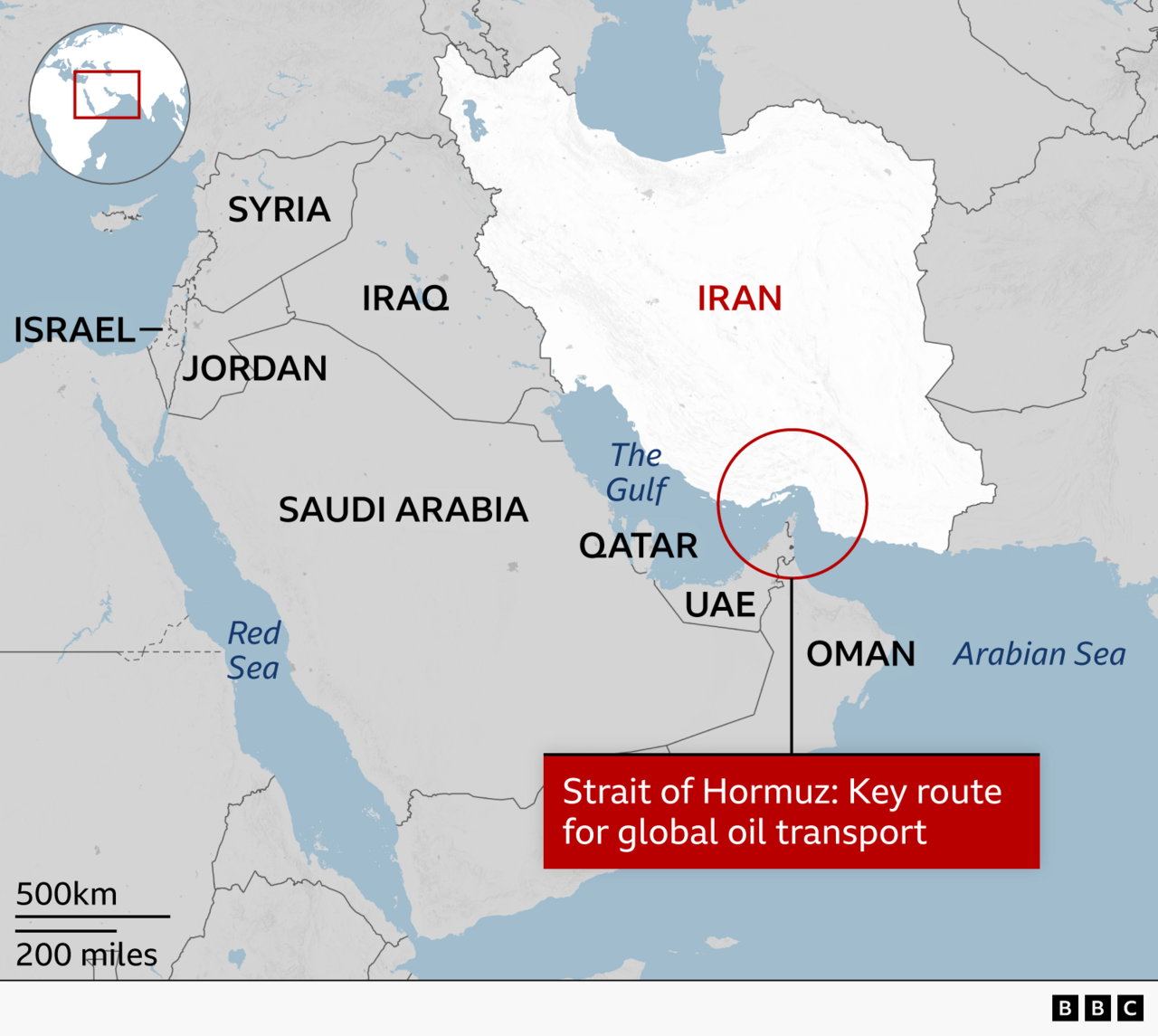
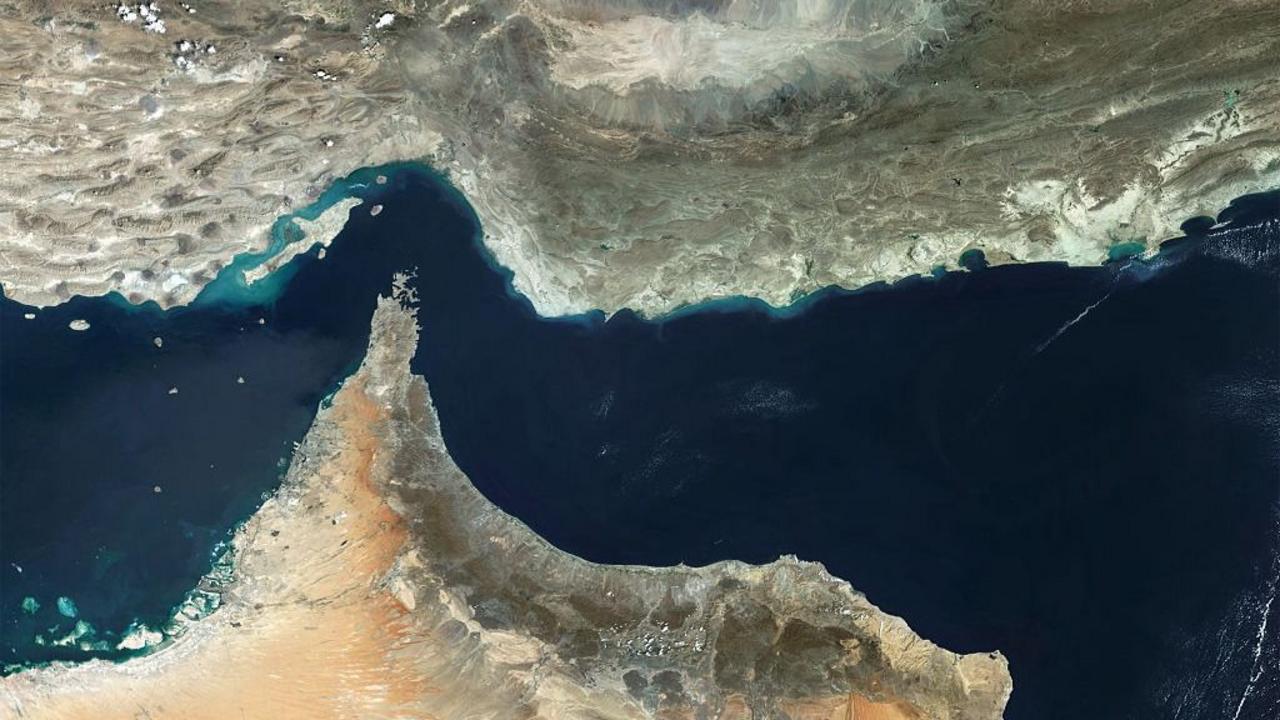
- 20% of the world's oil and LNG normally passes through the Strait of Hormuz, which has been largely blocked since February.
- Iranian Foreign Minister Abbas Araghchi said events show 'there's no military solution to a political crisis'.
- Iranian state media disputed Trump's account, saying two small cargo vessels were hit, killing five civilians.
- The US and Iran announced a ceasefire in early April, but few vessels have transited since.
Escalation in the Strait
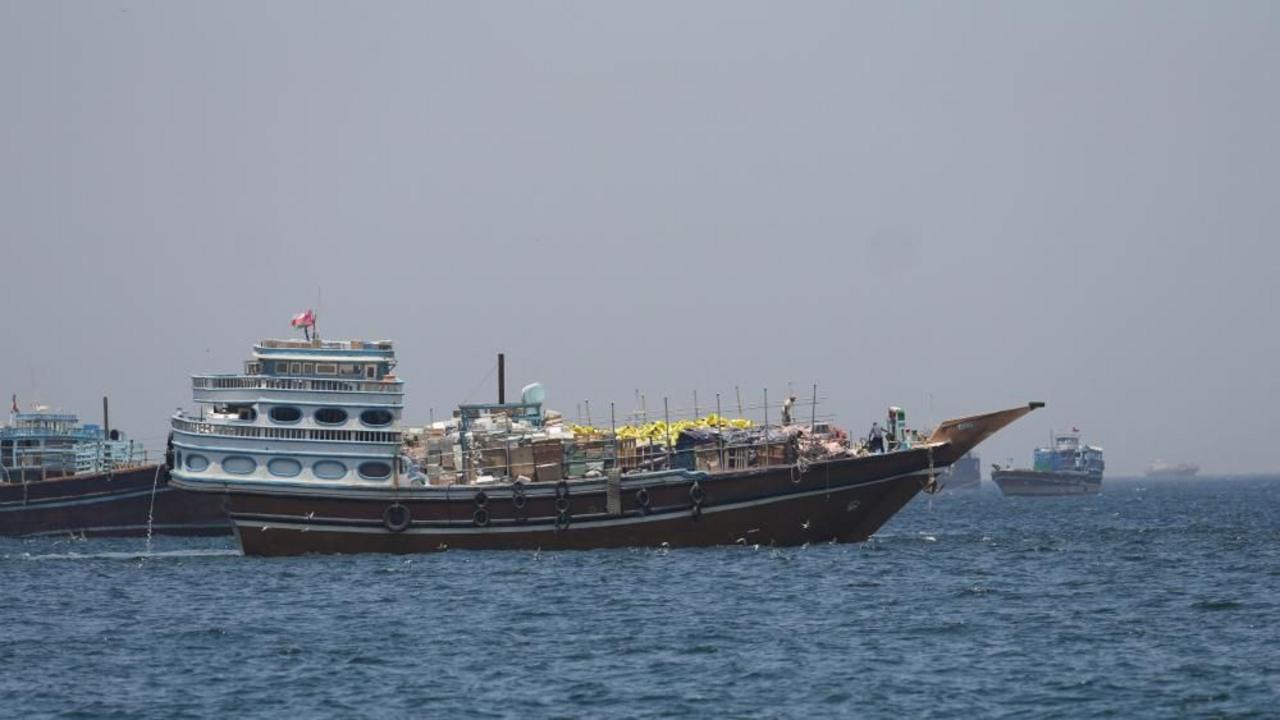
President Donald Trump announced on Monday that the United States had struck seven Iranian 'fast boats' in the Strait of Hormuz, as Washington pushes to reopen the vital waterway. The operation, part of what Trump calls 'Project Freedom', aims to guide stranded commercial vessels out of the Gulf. The US military said it used helicopters to attack the boats. Iranian state media swiftly disputed the president's account. Citing a military source, the two small cargo vessels had been hit instead, killing five civilians. The conflicting narratives underscore the fog of war in a region where the US and Iran have been locked in a tense standoff since February.
Maersk Vessel Exits Under US Protection
Shipping company Maersk confirmed that one of its US-flagged commercial vessels, the Alliance Fairfax, had successfully exited the Strait of Hormuz with US military protection. The vessel had been stranded in the Gulf since the US and Israeli air strikes on Iran at the end of February. Maersk said the transit was 'completed without incident, and all crew members are safe and unharmed'. The firm stated it had been contacted by the US and 'offered the opportunity for the vessel to exit the Gulf under US military protection'. In a statement, Maersk added: 'The vessel subsequently exited the Persian Gulf accompanied by US military assets.'
Conflicting Claims and Regional Fallout
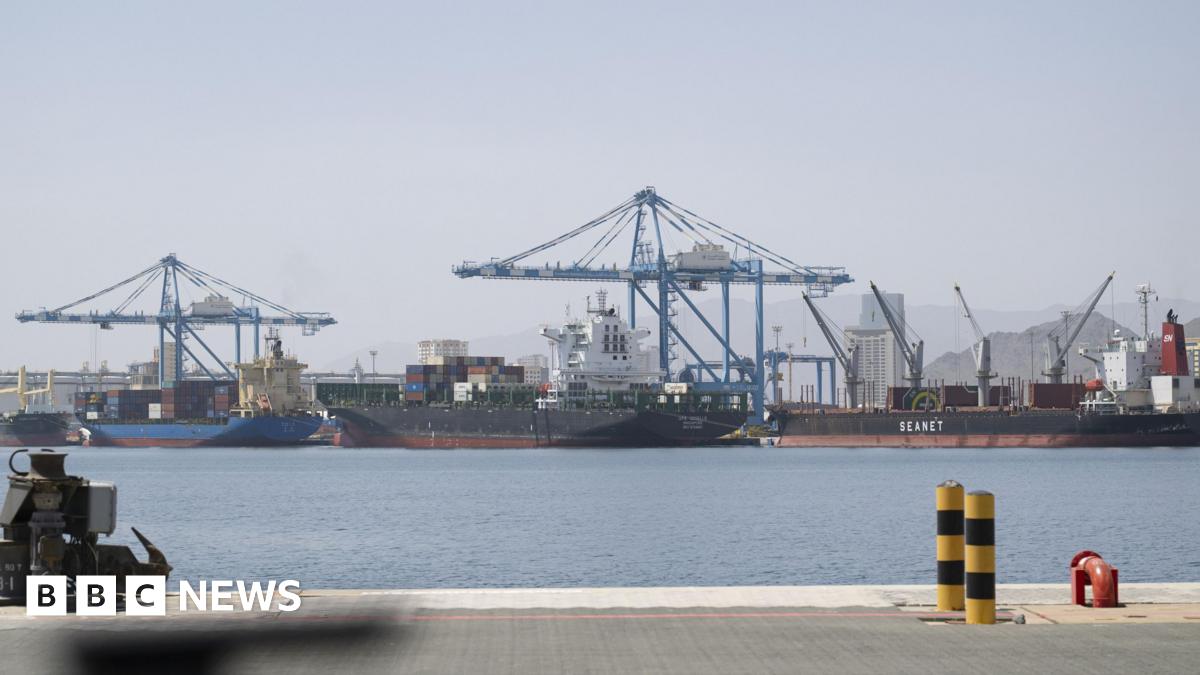
strikes on ships in the Strait of Hormuz on Monday. The UAE also said a fire broke out at the oil port of Fujairah after an Iranian attack. Iran has not confirmed these incidents. The US earlier said navy destroyers and US-flagged merchant ships sailed through the strait, but Iran called the claims 'entirely false', with its military saying it fired warning shots at a US warship—a charge the US denied. Iranian Foreign Minister Abbas Araghchi weighed in, stating that events in the strait 'make clear that there's no military solution to a political crisis'. He added: 'Project Freedom is Project Deadlock.' The remarks highlight Tehran's refusal to back down despite the US military pressure.
Background: A Waterway Under Siege
The Strait of Hormuz has remained largely blocked since the US and Israel launched air strikes on Iran in February. Tehran responded by closing the crucial waterway, through which 20% of the world's oil and liquefied natural gas normally passes. In early April, the US and Iran announced a ceasefire under which Iran ended its drone and missile strikes on Gulf countries including the UAE, but few vessels have been able to transit since. The US also imposed its own blockade on Iranian ports. The standoff has raised global energy security concerns, as any prolonged closure could disrupt oil supplies and send prices soaring. The successful transit of the Alliance Fairfax may signal a shift, but the waterway remains perilous.
What Comes Next
The US military's ability to escort commercial vessels through the strait will be tested in the coming days. Trump's claim of destroying seven Iranian boats, if accurate, suggests the US is willing to use force to break the blockade. However, Iran's denial and its continued presence in the region indicate that the confrontation is far from over. International shipping companies are watching closely. Maersk's successful exit may encourage other firms to request similar escorts, but the risks remain high. The ceasefire from early April appears fragile, and the Strait of Hormuz—a chokepoint for global energy—remains a flashpoint for US-Iran tensions.
The bottom line
- The US struck Iranian boats in the Strait of Hormuz, but Iran disputes the number and nature of the targets, claiming civilian casualties.
- Maersk's US-flagged vessel Alliance Fairfax successfully exited the Gulf under US military protection, the first such transit since the February strikes.
- 20% of the world's oil and LNG usually passes through the Strait, which has been largely blocked for months, threatening global energy supplies.
- Iranian Foreign Minister Abbas Araghchi insists there is no military solution, while the US pushes 'Project Freedom' to reopen the waterway.
- The ceasefire announced in early April has not restored normal transit, and both sides continue to trade accusations and military actions.

Dennis Taylor recalls saving Clive Everton's life as snooker legends gather for John Virgo memorial

BJP Secures Landslide Victory in West Bengal, Modi Hails 'New Dawn'
Romanian Government Collapses After No-Confidence Vote, Deepening Political Crisis
