Ghana’s Central Bank Losses Widen to GH¢15.6 Billion as Former Finance Minister Petitions IMF
Mohammed Amin Adam warns that the Bank of Ghana’s worsening negative equity could undermine macroeconomic stability and fiscal gains under the IMF programme.
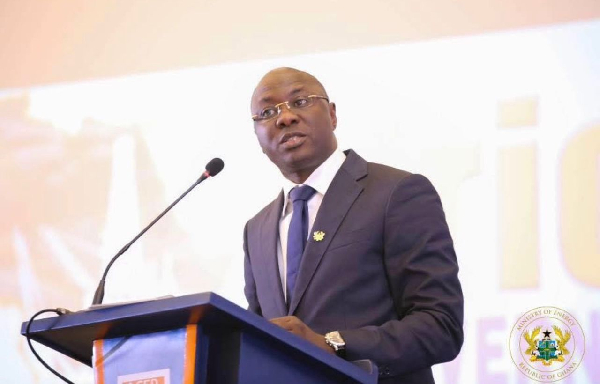
GHANA —
Key facts
- Bank of Ghana group negative equity rose from GH¢58.62 billion in 2024 to GH¢93.82 billion in 2025.
- The central bank recorded a loss of GH¢15.63 billion in 2025, up from GH¢9.49 billion in 2024.
- Former Finance Minister Mohammed Amin Adam petitioned the IMF over ‘material implications’ for Ghana’s stability.
- Effia MP Isaac Boamah-Nyarko calls Minority scrutiny essential to prevent a return to past fiscal crises.
- Sefwi Wiawso MP Kofi Benteh Afful described critics of the central bank as ‘seeking the doom of the economy’.
- Ghana borrowed GH¢20.48 billion from Treasury bill auctions in April 2026.
Widening Losses and Negative Equity at the Central Bank
The Bank of Ghana’s audited 2025 financial statements reveal a deepening financial hole. The group’s negative equity ballooned from GH¢58.62 billion in 2024 to GH¢93.82 billion, while the central bank’s own negative equity rose from GH¢61.32 billion to GH¢96.28 billion. The bank recorded a loss of GH¢15.63 billion in 2025, compared with GH¢9.49 billion the previous year, driven largely by high open market operation expenses and other financial pressures. Former Finance Minister and Ranking Member on Parliament’s Finance Committee, Dr Mohammed Amin Adam, has warned that these figures indicate ‘meaningful balance sheet repair has not yet commenced in substance.’ He argues that the worsening equity position could have spillover effects on government finances and debt sustainability.
Petition to the IMF and Call for Stronger Surveillance
In a detailed letter to the IMF Ghana Mission Chief under the Extended Credit Facility programme in Washington, DC, Dr Amin Adam urged the Fund to pay closer attention to safeguarding gains made under the programme. He commended the IMF’s support but stressed that ‘greater attention is paid to safeguarding the durability of these gains’ as Ghana exits the programme. He called for clearer treatment of gold transactions, recapitalisation plans, and safeguards against monetary financing. He also urged the IMF to strengthen post-programme surveillance and ensure full transparency in central bank operations, insisting that ‘the durability of that progress will depend on whether fiscal consolidation is supported by transparent recognition of all public-sector obligations.’
Parliamentary Scrutiny and Political Divisions
Effia MP and member of Parliament’s Finance Committee, Isaac Boamah-Nyarko, has stressed that rigorous scrutiny by the Minority over the central bank’s loss is essential to safeguarding Ghana’s economic stability. He argued that the Minority plays a critical constitutional role in reviewing government policies and economic data, warning that ignoring such oversight could expose the country to recurring economic difficulties. ‘The Minority has a responsibility to scrutinise data and information that is brought before it and point out where we think the weaknesses and challenges are, so that government, if it is a listening government and not one that only makes issues out of nothing, will take them seriously,’ he said. His comments follow the Member of Parliament for Sefwi Wiawso, Kofi Benteh Afful, describing critics of the central bank’s recent loss as individuals ‘seeking the doom of the economy.’
Historical Context and the Role of the IMF Programme
Mr Boamah-Nyarko noted that Ghana’s economic challenges are not new, pointing out that the country has previously experienced periods of high inflation and fluctuating interest rates. He explained that some of the recent macroeconomic improvements are the result of earlier policy decisions, including fiscal tightening and structural adjustments agreed under the IMF programme. He cautioned against politicising economic discussions, stressing that constructive engagement between government and the Minority is necessary for long-term stability. He maintained that economic progress must be assessed within a broader historical context, including reforms implemented under Ghana’s engagement with the IMF.
Stakes for Ghana’s Fiscal Outlook and Debt Sustainability
Dr Amin Adam’s petition highlights that the central bank’s losses could have spillover effects on government finances and debt sustainability. He warned that without transparent recognition of all public-sector obligations, the progress made under the IMF programme could be undermined. The former minister also referenced the need for stronger economic buffers, including reserves and prudent fiscal management, to cushion the economy against future shocks. Mr Boamah-Nyarko echoed this, urging policymakers to remain consistent in implementing sound economic measures, warning that any reversal of discipline could undermine recent gains. ‘The role of the Minority is not to oppose for opposition’s sake, but to ensure that the country does not slide back into economic instability,’ he added.
What Comes Next: Transparency and Recapitalisation Demands
The Bank of Ghana’s recapitalisation plan faces scrutiny as demands for full disclosure grow. The Chamber of Mines has urged the central bank to publish full mining forex inflows, while the Minority in Parliament continues to push for transparency. Dr Amin Adam has called for clearer treatment of gold transactions and safeguards against monetary financing. As Ghana borrows GH¢20.48 billion from Treasury bill auctions in April 2026, the central bank’s financial health remains a critical issue. The IMF’s response to the petition and the government’s willingness to address the concerns will determine whether Ghana can sustain its economic recovery or risk sliding back into instability.
The bottom line
- Bank of Ghana’s negative equity surged to GH¢93.82 billion in 2025, with losses rising to GH¢15.63 billion.
- Former Finance Minister Mohammed Amin Adam petitioned the IMF, warning of material implications for macroeconomic stability.
- Parliamentary Minority insists on rigorous scrutiny to prevent a return to past fiscal crises.
- Political divisions emerge as some MPs accuse critics of seeking the economy’s doom.
- IMF programme gains may be at risk without transparent central bank operations and recapitalisation.
- Ghana’s borrowing from Treasury bill auctions in April 2026 underscores ongoing fiscal pressures.


In Sudan, Eid al-Adha arrives amid war as Qurbani becomes a lifeline for millions

Trisha Krishnan's Birthday Coincides with Vijay's Landmark Election Victory in Tamil Nadu

Maryland Prison Deaths Under Investigation as Fifth Homicide This Year Unfolds