The Cedi’s Volatile Trajectory: From Relative Stability to Sudden Surge Against the Dollar
Traders and investors navigate a period of dramatic exchange rate fluctuation, moving from a steady four-month plateau to a sharp, unexpected strengthening against global currencies.
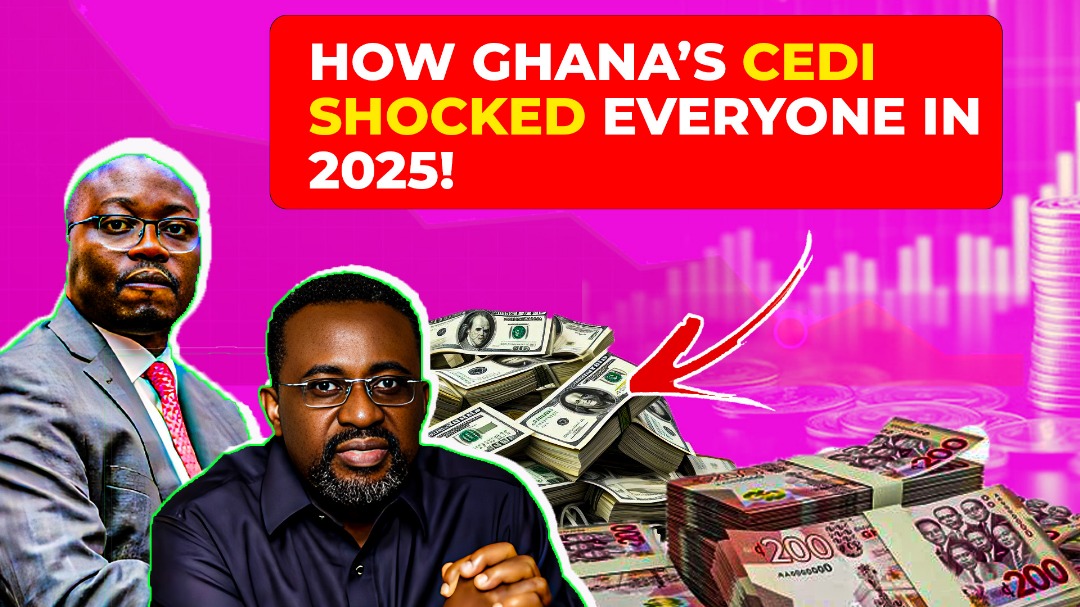
GHANA —
Key facts
- The Ghanaian cedi began 2025 trading at ₵14.70 to the US dollar.
- By February, the cedi had weakened slightly to ₵15.50 against the dollar.
- Over the span of April, the cedi maintained a period of notable stability.
- Between April and May, the cedi strengthened sharply, trading at ₵10.30 against the dollar.
- More recently, the Bank of Ghana (BoG) set the cedi buying rate at 12.5437 and the selling rate at 12.5563 against the dollar on October 3.
- On October 2, the BoG rates were slightly lower, listing the buying rate at 12.4438 and the selling rate at 12.4562.
The Dramatic Swing of the Ghanaian Currency in 2025
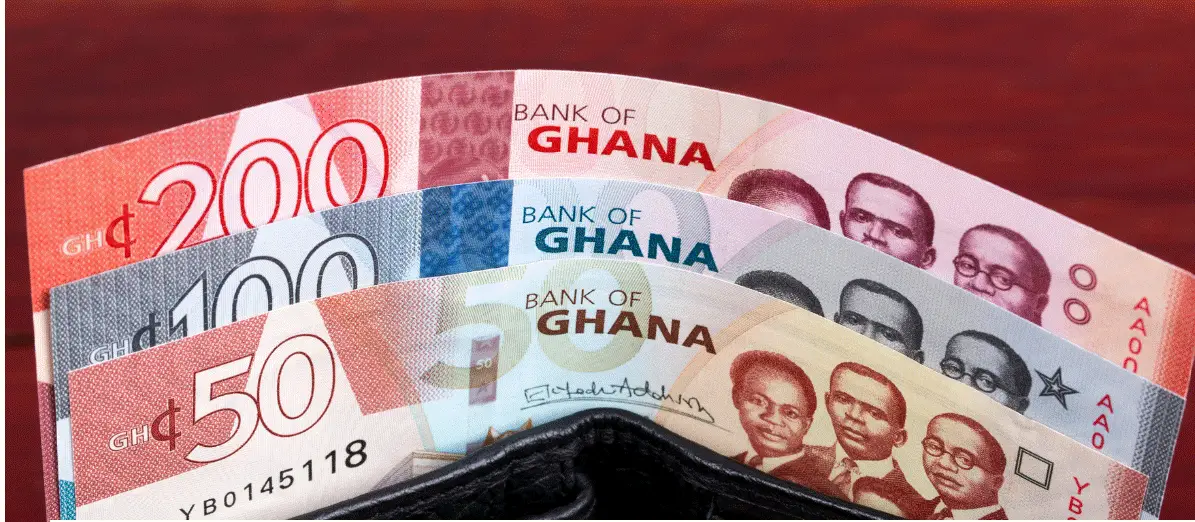
The Ghanaian cedi has experienced a year of extraordinary volatility, setting it apart from many other regional currencies. Its journey began in 2025, when the exchange rate was recorded at ₵14.70 against the US dollar. By February, the cedi had shed some stability, weakening marginally to ₵15.50. However, its trajectory shifted dramatically when it held steady through April, achieving a period of remarkable consistency rarely seen in the past decade. This apparent stability proved merely a prelude to a sharp reversal. Between the months of April and May, the cedi underwent a sudden and substantial strengthening, reaching ₵10.30 against the dollar, defying nearly all prevailing market expectations.
Recent Shifts and BoG Benchmarks Against the Dollar
More recent data reveals continued fluctuations, with the Bank of Ghana (BoG) setting specific benchmarks for the cedi against the dollar. On Friday, October 3, the cedi was listed with a buying rate of 12.5437 and a selling rate of 12.5563. This represented a minute adjustment from the rates set just two days prior. On Thursday, October 2, the BoG had quoted the buying rate at 12.4438 and the selling rate at 12.4562, indicating persistent, narrow movements in the exchange market.
Broader Discussions on Financial Stability and Regulation
Beyond daily exchange rates, the stability of Ghana’s financial sector remains a key talking point among stakeholders. Discussions at the 3i Summit underscored the necessity of protecting consumers while fostering financial inclusion. Adding to this discussion, one official emphasized that Ghana’s improving cedi gains, combined with inflation levels, could reposition the country as a gateway to Africa regarding financial stability. Meanwhile, the central bank governor spoke of formulating a separate legal framework to regulate the rapidly expanding sector of Financial Technology (FinTech).
Analyzing the Forces Shaping Monetary Policy
The monetary debate also touched upon core issues of banking health and foreign relations. A debate arose regarding the BoG’s negative equity status, which one participant defended as a cumulative deficit inherited from a previous administration. Amid the financial discussions, other regional economic partnerships were highlighted, noting the deepening relations between Ghana and China, and a reaffirmation of the partnership vision by Julius Debrah.
The bottom line
- The cedi displayed significant volatility in 2025, moving from a high of ₵15.50 to a low of ₵10.30 against the US dollar.
- The Bank of Ghana utilizes specific, bracketed rates—such as 12.5437/12.5563—to guide the cedi’s trading parameters.
- Market confidence in the Ghanaian financial system is tied to the ability to balance financial inclusion with robust consumer protection.
- Key regulatory moves, such as developing a separate FinTech legal framework, signal efforts to modernize and stabilize the financial architecture.


Messi Reaches 100 Goal Contributions as Inter Miami Defeats Toronto FC 4-2
South Africa's Top Court Revives Impeachment Bid Against President Ramaphosa

Ghana Education Service Sets 2026/27 Academic Calendar