Hantavirus Outbreak on Cruise Ship Sparks International Concern
A rare virus outbreak on the MV Hondius forces evacuations and a contentious journey towards the Canary Islands.
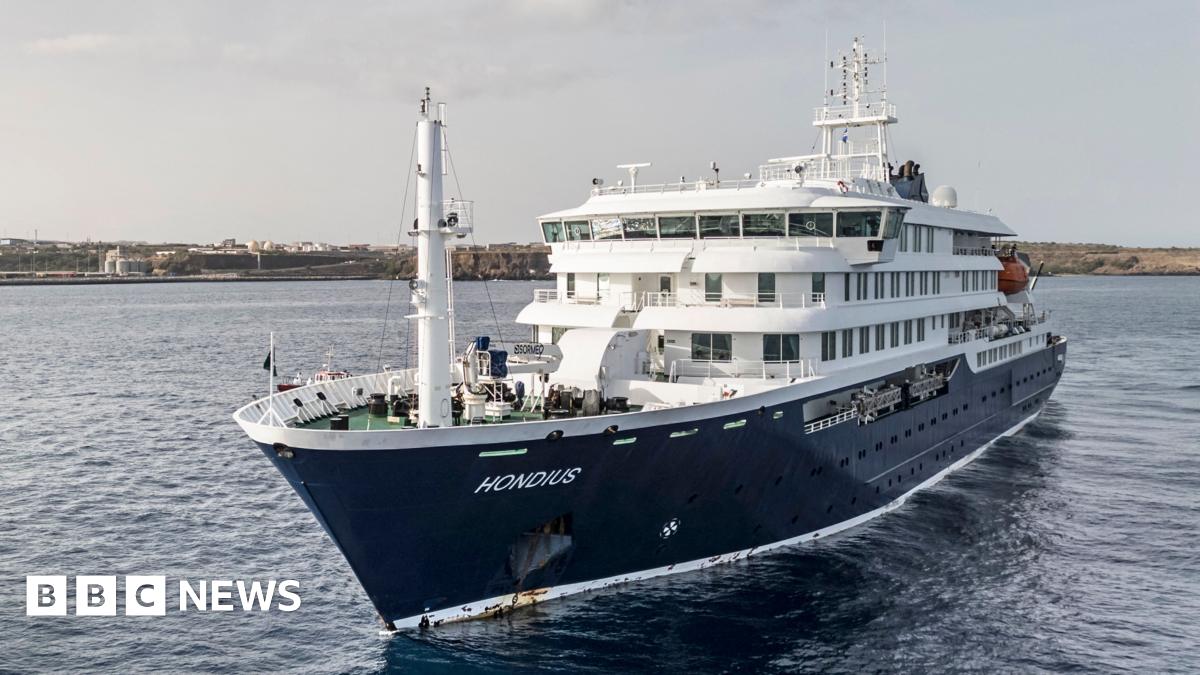
GHANA —
Key facts
- Three suspected hantavirus patients were evacuated from the MV Hondius.
- The ship is en route to the Canary Islands, a voyage expected to take three days.
- At least four people have fallen ill, and three passengers have died.
- The MV Hondius departed Argentina on April 1 for Antarctica and South Atlantic islands.
- Oceanwide Expeditions operates the vessel, carrying 145 passengers and crew.
- Argentine officials are investigating a possible link to a bird-watching trip.
- Cape Verdean authorities dispatched medical teams to the ship.
Cruise Ship Becomes Floating Quarantine Zone
A cruise ship, the MV Hondius, is currently navigating a precarious journey towards the Canary Islands, shadowed by a rare and dangerous hantavirus outbreak. The vessel, carrying 145 passengers and crew, has become a focal point of international concern as authorities grapple with medical evacuations and the potential spread of the virus, which typically transmits through airborne rodent droppings. The ship's operator, Oceanwide Expeditions, confirmed that three individuals showing symptoms of the illness have been evacuated. These passengers, identified as being from Britain, the Netherlands, and Germany, were slated for transport to the Netherlands via specialized aircraft. one of the evacuated individuals was a doctor, a detail later clarified as inaccurate. The situation aboard the MV Hondius has been described by passengers as a prolonged waiting game, with daily routines punctuated by uncertainty. Despite the gravity of the outbreak, passenger accounts suggest morale remains high, with individuals occupying themselves with reading, watching films, and enjoying hot beverages. The ship's operator has implemented stringent isolation measures, hygiene protocols, and continuous medical monitoring, adhering to its highest response level.
Outbreak Traced to Polar Cruise
The hantavirus outbreak aboard the MV Hondius appears to have originated during a weekslong polar cruise that departed from Argentina on April 1. The vessel's itinerary included destinations in Antarctica and several remote islands in the South Atlantic. The precise origin of the infection remains under investigation, with Argentine officials reportedly examining whether a Dutch couple aboard may have contracted the illness during a bird-watching excursion prior to boarding. Health officials have confirmed at least four individuals have fallen ill, and tragically, three passengers have died. The World Health Organization has been monitoring the situation, with passengers advised to isolate in their cabins. The virus, usually spread by inhaling contaminated rodent droppings, does not typically transmit between people, though health authorities acknowledge the possibility. Footage obtained from the ship depicted deserted decks and medical personnel in protective gear, underscoring the seriousness of the situation. Teams of doctors, surgeons, nurses, and laboratory specialists were dispatched by Cape Verdean authorities to the ship while it was anchored off the coast. These teams were observed disembarking onto a smaller vessel, clad in white overalls, boots, and face masks.
Contentious Voyage to the Canary Islands
The MV Hondius is now en route to Spain's Canary Islands, a move that has generated significant friction with regional authorities. The ship is expected to arrive in approximately three days. However, the president of the Canary Islands expressed strong reservations, stating he was not consulted about the vessel's potential docking and views the risk to his population as "very real." Despite these concerns, Spain's interior minister has emphasized that there is "no risk" to the islanders. The Spanish government confirmed the ship would dock, but discussions with relevant authorities regarding the exact port of call were ongoing. The Ministry of Health indicated no decision would be made until then, with the World Health Organization being kept informed. Oceanwide Expeditions stated that all 145 remaining individuals on board are asymptomatic. The company plans for the MV Hondius to dock in either Gran Canaria or Tenerife once the medical evacuations are complete. The decision on the specific port is contingent on ongoing discussions with Spanish officials, who are monitoring the situation closely.
Precautions and Public Health Response
Authorities in Cape Verde implemented heightened safety protocols, particularly in areas near the port, as a precautionary measure against the rodent-borne illness. The capital city, Praia, saw increased vigilance. Passengers on the MV Hondius have been observed adhering to practices reminiscent of the COVID-19 pandemic, including wearing masks and maintaining social distancing. Oceanwide Expeditions confirmed the implementation of its highest level of response, which includes isolation measures, rigorous hygiene protocols, and continuous medical monitoring for all on board. The company stated that two specialized aircraft were dispatched to Cape Verde to facilitate the urgent medical evacuation of two individuals requiring immediate care, as well as one person traveling with a German woman who died on Saturday. While the primary mode of hantavirus transmission is through inhaling contaminated rodent droppings, health authorities are maintaining vigilance for any potential person-to-person spread. The international nature of the cruise, with passengers from various nationalities, has necessitated coordination between multiple governments and health organizations.
Investigating the Source of the Outbreak
The search for the definitive origin of the hantavirus outbreak is ongoing. Reports suggest that officials in Argentina are actively investigating a potential link to a bird-watching trip undertaken by a Dutch couple. This excursion, which took place prior to their boarding the MV Hondius, is being examined as a possible source of infection. The ship's journey began on April 1 from Argentina, embarking on a multi-week expedition that included voyages to Antarctica and several remote South Atlantic islands. The extended nature of the cruise and its passage through diverse environments may have contributed to the complex epidemiological picture. Understanding how the virus was introduced to the ship is crucial for preventing future occurrences. Investigations are focused on identifying specific locations or activities that may have exposed passengers to contaminated rodent droppings, the primary vector for hantavirus.
The bottom line
- A hantavirus outbreak has led to the evacuation of three patients from the cruise ship MV Hondius.
- The ship, carrying 145 passengers and crew, is heading to the Canary Islands after a stop in Cape Verde.
- Three passengers have died, and at least four others are sick with the rare virus.
- The outbreak is believed to have originated during a polar cruise that departed Argentina on April 1.
- Argentine officials are investigating a possible link to a pre-boarding bird-watching trip.
- The Canary Islands' president has expressed concern over the ship's potential arrival, citing public health risks.
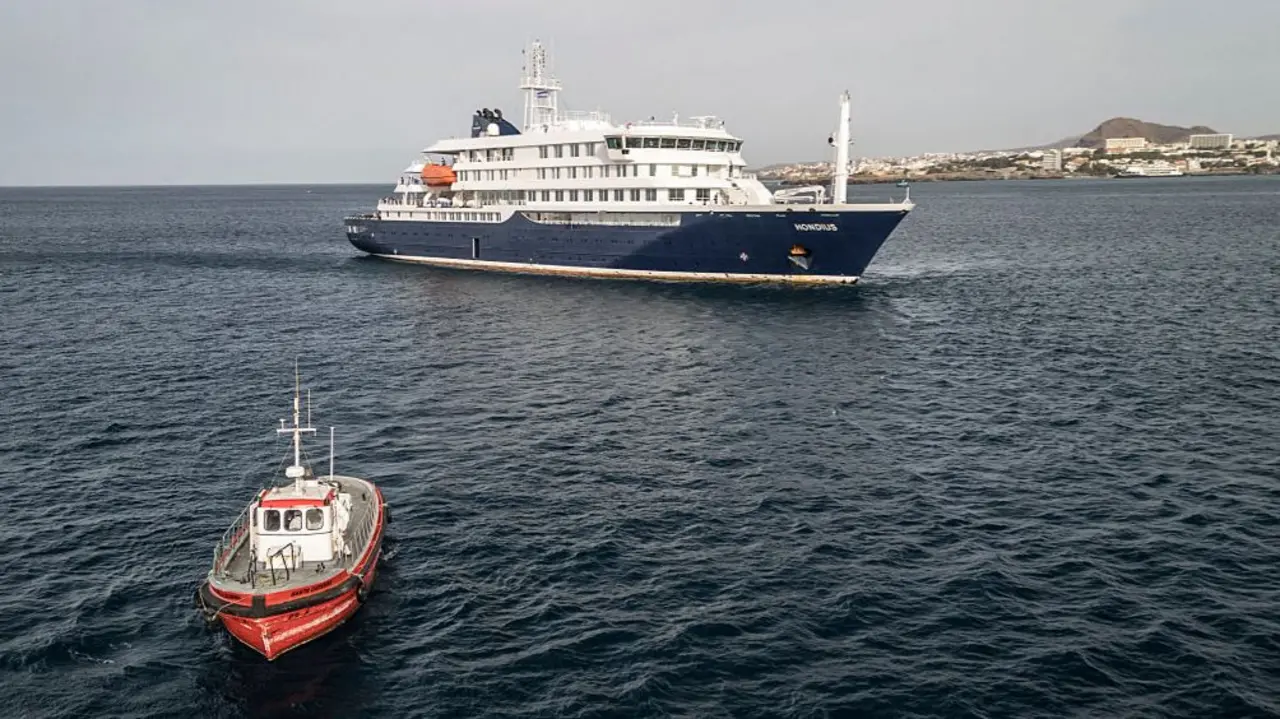
Three Dead in Suspected Hantavirus Outbreak on Atlantic Cruise Ship Off Cape Verde
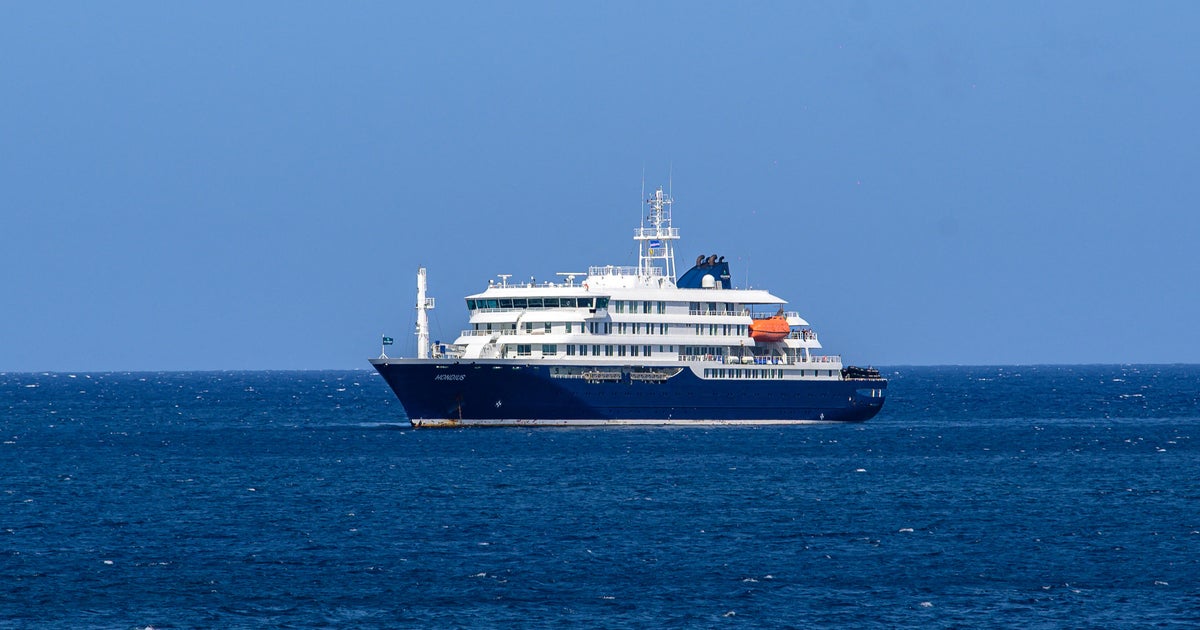
Evacuations Planned as Suspected Hantavirus Outbreak Traps 150 on Cruise Ship off Cape Verde

Mbappé's Real Madrid Stint Marred by Off-Field Disputes and Fan Backlash