Ghana Evacuates Victim of South African Harassment Amidst Regional Xenophobia
Accra facilitates return of man filmed being accosted, as lawmaker decries broader West African insecurity.
GHANA —
Key facts
- Ghana authorities relocated a man harassed in a viral video from South Africa on May 5.
- Anti-immigration protests in South Africa began last month, targeting foreign nationals.
- Ghana's High Commissioner to South Africa, Benjamin Quashie, met the victim on April 23.
- Minority Leader Alexander Afenyo-Markin cited attacks in the Sahel and xenophobia in South Africa.
- Ghana suspended trader movement along the Mali corridor due to security concerns.
- Afenyo-Markin criticized ECOWAS for failing to implement its Free Movement of Persons Protocol.
- Ghana hosts the AfCFTA Secretariat and is urged to ratify the AU Free Movement Protocol by 2027.
Accra Offers Haven Amidst South African Unrest
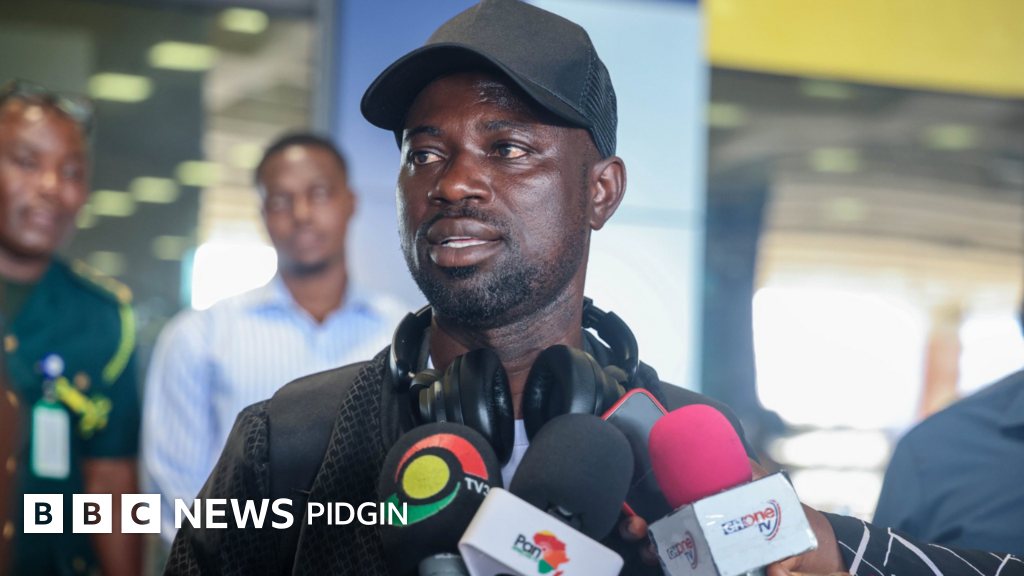
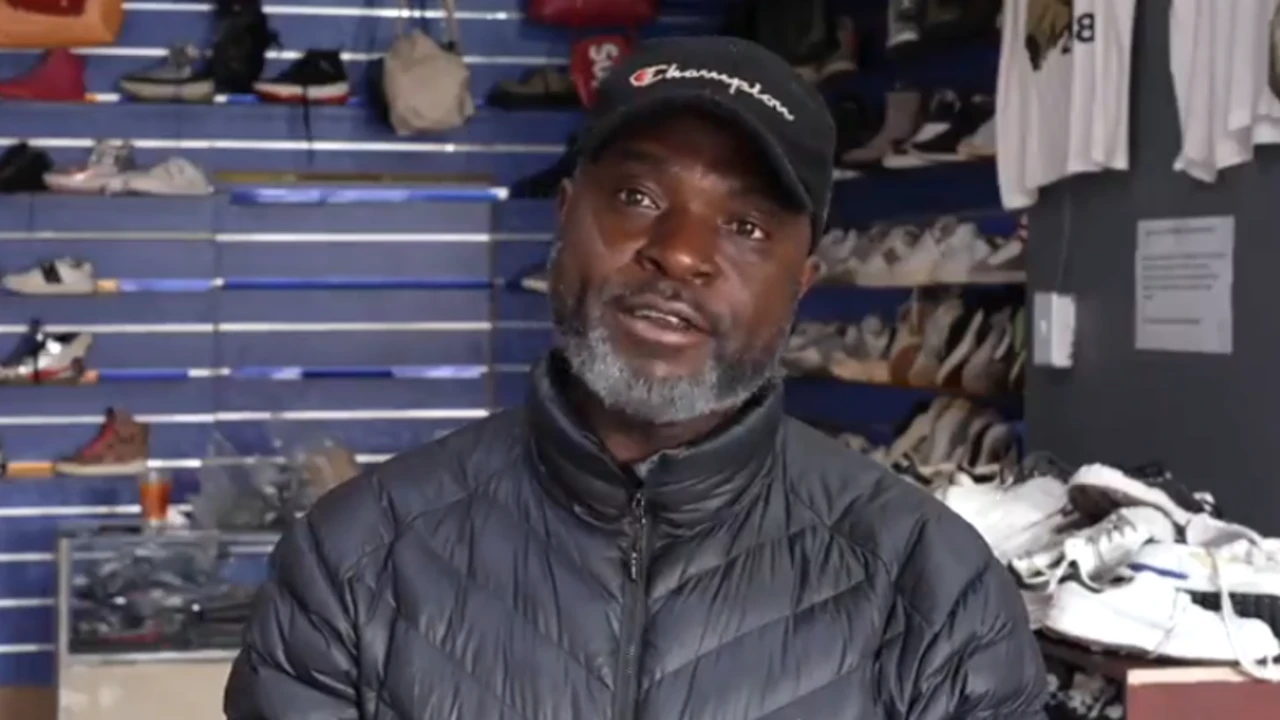
Ghanaian authorities have facilitated the return of a citizen who became the subject of a viral video depicting harassment in South Africa. The man, filmed being questioned about his immigration documents and right to operate a shop, was relocated to Ghana on Tuesday, May 5. This action follows a series of anti-immigration protests that erupted last month in various South African regions, where demonstrators have demanded the expulsion of foreign nationals and other African migrants. The protestors' grievances centre on the perceived impact of foreigners on the job market, alleged involvement in crime, and the presence of individuals without legal documentation. The incident involving the man in the video, where campaigners demanded to see his permits, has become a focal point of concern for Accra. In parallel, other videos have emerged showing similar aggressive actions, including alleged raids on hospitals where foreigners were reportedly told to leave and directed to seek private medical care. These events underscore a climate of heightened tension for African migrants in South Africa.
Consular Support and Assurances
Ghana's High Commissioner to South Africa, Benjamin Quashie, engaged directly with the victim of the harassment on April 23. During their meeting, Quashie pledged consular services and assured the man of his impending relocation. "I want to say that my mother and other relatives should be calm," the victim stated at the time, reflecting the anxiety felt by families back home. The High Commissioner conveyed that both the High Commission and other authorities were actively managing the situation. Commissioner Quashie also confirmed that South African authorities had assured Ghana of their commitment to addressing the issue, despite ongoing protests in cities like Pretoria, Durban, and Mthatha. He further noted that the victim's immigration process during the repatriation was smooth, with South African officials ensuring his safe passage and offering an apology for the incident.
Lawmaker Decries Regional Insecurity
Alexander Afenyo-Markin, Ghana's Minority Leader and a member of the ECOWAS Parliament, has issued a stark call for immediate regional action. He highlighted a confluence of crises, including deadly attacks on West African citizens in the Sahel, escalating xenophobic violence in South Africa, and persistent obstacles to free movement within the West African bloc. Speaking under parliamentary rules concerning matters of public interest, Afenyo-Markin described the current moment as a "profound moral reckoning" for West Africa, demanding both external accountability and internal reforms within the regional body. He pointed to a February 14, 2026, ambush in Titao, Burkina Faso, where Ghanaian tomato traders were reportedly killed by militants after being separated from women. Survivors were forced to conduct local burials due to insecurity preventing official access. These traders, Afenyo-Markin noted, were vital to regional food supply chains. The attack, he warned, exposed a broader structural risk, as critical food trade routes traverse some of the world's most volatile conflict zones, particularly the Liptako-Gourma region. Ghana has since suspended trade movements along the Mali corridor due to security concerns following a major offensive in Mali on April 25, 2026, which reportedly resulted in the death of the country's defence minister.
Failures in Free Movement and Protection
Afenyo-Markin also condemned the rising xenophobic attacks in South Africa, where African migrants from countries including Nigeria, Zimbabwe, and Ethiopia have reportedly faced violence, looting, and displacement. He confirmed that fatalities, including Nigerian nationals, have occurred, with online videos documenting assaults on foreign nationals. While acknowledging South African President Cyril Ramaphosa's condemnation of xenophobia and calls for the rule of law, Afenyo-Markin argued for more robust action. "Words do not arrest perpetrators," he stated, urging for investigations, arrests, and prosecutions. Furthermore, he criticized the ECOWAS bloc for its failure to fully implement the 1979 Protocol on Free Movement of Persons. Despite provisions for visa-free travel, citizens continue to face harassment, extortion, and illegal checkpoints. Afenyo-Markin characterized these barriers as a "de facto tax on poverty" and criticized the slow ratification of the African Union's 2018 Free Movement Protocol. He found the contrast with the African Continental Free Trade Area (AfCFTA) "incoherent," asserting that trade integration cannot thrive without the free movement of people.
A Call for Regional Reform
The lawmaker proposed a five-point plan, including the establishment of a special committee focused on the challenges faced by traders and workers in high-risk zones. He specifically urged Ghana, as the host of the AfCFTA Secretariat, to expedite the ratification of the AU Free Movement Protocol, aiming to meet its stated 2027 target. Afenyo-Markin called for ECOWAS to create a civilian protection framework for individuals operating in these dangerous areas. This framework, he suggested, should address the security risks that impede legitimate cross-border commerce and personal mobility. The situation highlights a critical juncture for West African regional cooperation, where economic integration ambitions are being severely tested by escalating insecurity and persistent xenophobia. The events underscore the urgent need for concrete measures to ensure the safety and rights of citizens across the continent.
The bottom line
- Ghana has repatriated a citizen subjected to harassment in South Africa amidst a wave of anti-immigrant sentiment.
- Xenophobic violence and insecurity in the Sahel are prompting calls for urgent regional action from Ghanaian lawmakers.
- Ghanaian officials are actively engaging with South African authorities to ensure the safety of their citizens.
- A prominent Ghanaian MP has criticized ECOWAS for its failure to enforce free movement protocols.
- The security of trade routes and the free movement of people are identified as critical challenges for West African integration.
- Ghana is urged to accelerate its ratification of the African Union's Free Movement Protocol.
Ghana Education Service Sets 2026/27 Academic Calendar
Hearts of Oak Held to Stalemate by Karela United

Bayern Munich's Champions League Exit Marred by Controversial Refereeing Decisions