Spirit Airlines Shuts Down, Stranding Thousands as Rescue Deal Collapses
The budget carrier ceased all flights early Saturday, leaving passengers stranded and employees jobless after a last-ditch government rescue effort fell apart.
IRELAND —
Key facts
- Spirit Airlines ceased all passenger flight operations around 3 a.m. on Saturday.
- The airline filed a motion on Monday to begin an orderly wind-down and sell its assets.
- Spirit incurred nearly $100 million in incremental fuel costs between March and April 30.
- The company had filed for bankruptcy twice in recent years.
- A proposed U.S. government rescue package fizzled after pushback from creditors and some Republicans.
- Spirit President and CEO Dave Davis said the airline lacked 'hundreds of millions of additional dollars of liquidity.'
- Transportation Secretary Sean Duffy stated the airline was 'in dire straits long before the war with Iran.'
- All Spirit flights were canceled and customer service was no longer available as of Saturday.
Abrupt End for a Low-Cost Carrier
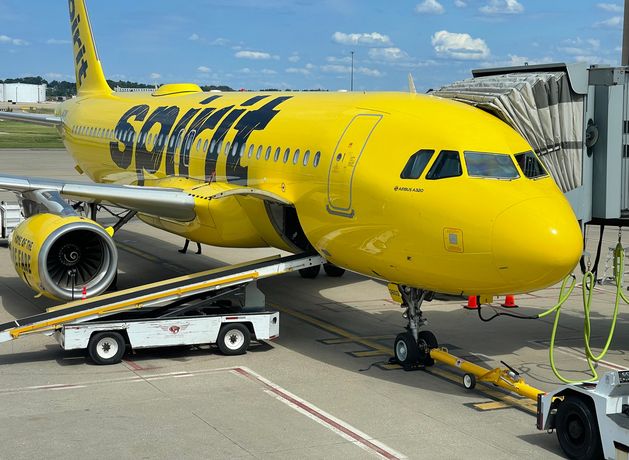
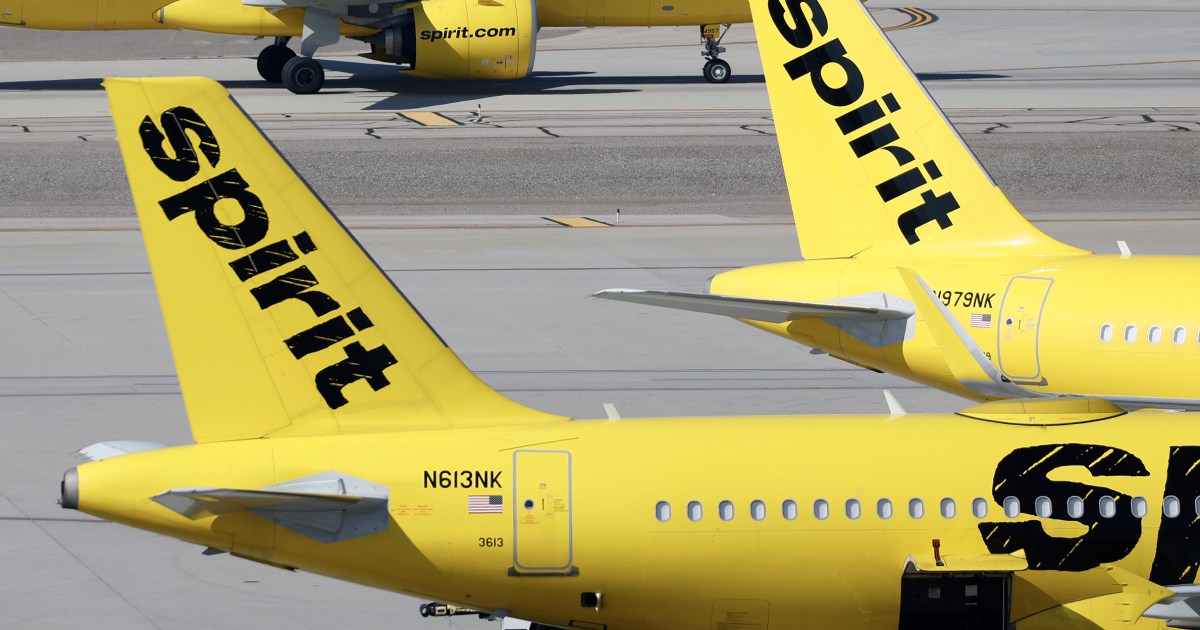
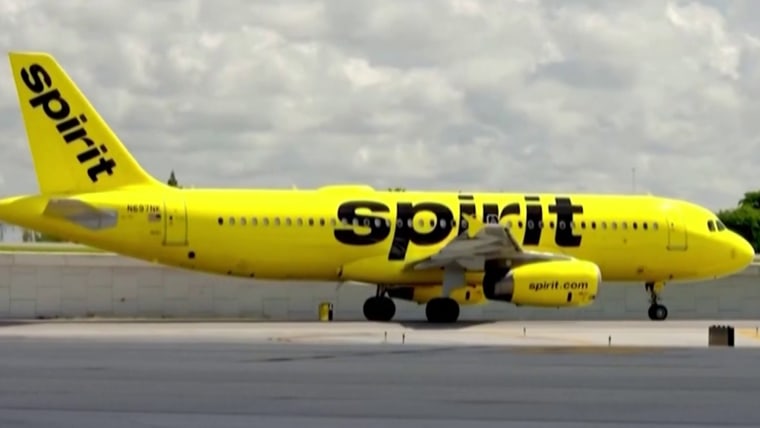
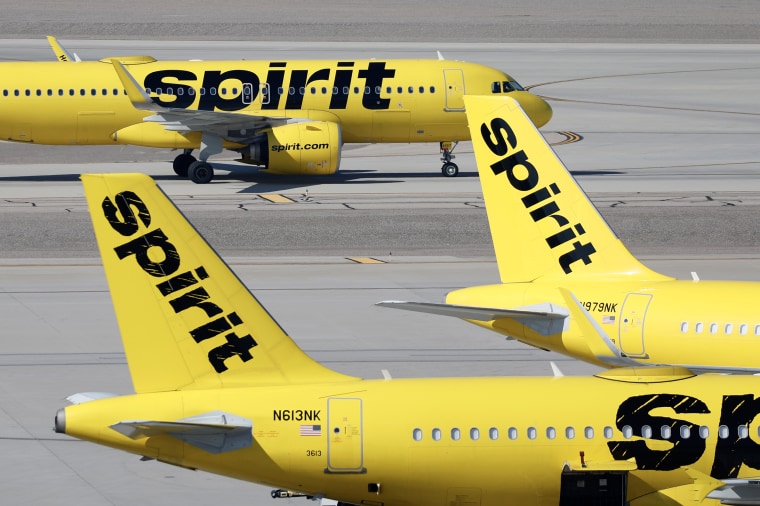
Spirit Airlines, the Florida-based budget carrier that traces its roots to the early 1980s, shut down abruptly early Saturday, canceling all flights and leaving tens of thousands of passengers stranded at airports across the United States. The airline announced an “orderly wind-down” of operations, grounding its fleet around 3 a.m. so that no planes would be in the air and all crew members away from bases had sufficient time to arrange hotel accommodations, according to chief financial officer Fred Cromer. The company’s statement to guests was blunt: “All flights have been cancelled, and customer service is no longer available.” Airport check-in desks sat empty Saturday morning, with little help on hand for travelers trying to rebook or find alternative transport.
Failed Rescue and Liquidation
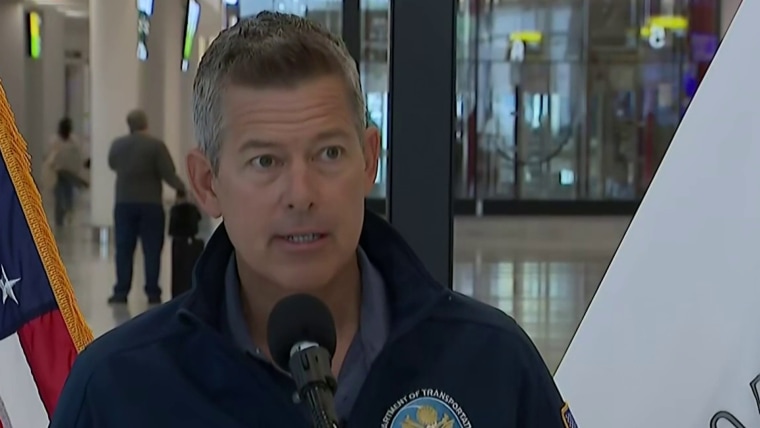
Spirit’s collapse caps a years-long struggle for survival that included two bankruptcies and failed merger attempts. The airline had been looking to exit its second bankruptcy by the summer after striking a deal with creditors to shed billions in debt and lease obligations. But its financial position worsened dramatically due to a surge in fuel costs stemming from the ongoing conflict in the Middle East and disruption in the Strait of Hormuz, a key passage for oil. Last month, as Spirit veered toward liquidation, the Trump administration floated a rescue package. President Donald Trump initially appeared receptive, but the effort fizzled after pushback from a group of creditors and even some Republicans. Late last week, the company was informed that the potential new financing “was no longer an available option,” Cromer said in a declaration supporting the wind-down request. Transportation Secretary Sean Duffy said at a news briefing Saturday that while there was potential for a deal, “it had to be a good deal,” and it ended due to “a creditor issue.”
Leadership Blames Fuel Costs and Lack of Liquidity
Spirit President and CEO Dave Davis said in a statement that sustaining the business “required hundreds of millions of additional dollars of liquidity that Spirit simply does not have and could not procure.” In an interview, Davis added that it was not his intention for the airline to come to an abrupt halt leaving ticketed travelers in distress. “We didn’t intentionally sell any tickets thinking we weren’t going to be here,” he said. “We thought we were going to get the liquidity we needed.” The company incurred nearly $100 million (€85.5 million) in incremental fuel costs between March and April 30, Cromer said. The surge in oil prices, sparked by the outbreak of the war with Iran, was a critical blow. However, Duffy noted that Spirit was “in dire straits long before the war with Iran,” pointing to multiple bankruptcies and a business model that “wasn’t working.”
Missed Mergers and Intense Competition
Spirit’s financial woes were compounded by fierce competition among low-cost carriers and major airlines for budget-conscious customers. The airline missed several opportunities to merge with rivals in recent years. In its latest bankruptcy, it revived talks to merge with Frontier Airlines after rejecting an offer from the low-cost rival early last year, but the effort went nowhere. Earlier, JetBlue Airways had been blocked from merging with Spirit on antitrust grounds by the Justice Department under the Biden administration. The airline had struggled to maintain consistent profitability since the Covid-19 pandemic, and its second bankruptcy in less than a year underscored the fragility of its business model. Despite efforts to restructure, the combination of rising costs and competitive pressure proved insurmountable.
Immediate Impact on Travelers and Employees
The shutdown has had an immediate and severe impact on travelers. No Spirit flights were in the air as of Saturday morning, but thousands of scheduled flights were canceled, affecting passengers who were mid-trip with return flights booked as well as those yet to depart. The airline’s customer service was suspended, leaving travelers with little recourse. Nearly as many employees as the number of canceled flights are affected by the shutdown. Spirit’s workforce, which had already endured layoffs and uncertainty during the bankruptcy proceedings, now faces job losses. The company’s statement offered no details on severance or support for staff.
Asset Sale and Next Steps
Spirit filed a motion on Monday requesting to wind down operations and is seeking to modify a bankruptcy loan to obtain the necessary funding to proceed with the sale of its assets. These assets include aircraft, spare engines, and parts. The airline is expected to sell off its fleet and other holdings to repay creditors, though the process will likely take months. The wind-down marks the end of a carrier that once offered ultra-low fares to millions of passengers. While other airlines, including some top carriers, have offered $99 rescue fares for stranded passengers, the broader implications for the budget airline sector remain unclear. Spirit’s collapse serves as a cautionary tale of how volatile fuel costs, fierce competition, and failed consolidation can bring down even a well-known brand.
A Warning for the Industry
Spirit’s demise is not an isolated event but a symptom of deeper pressures facing low-cost carriers. The airline’s reliance on razor-thin margins left it vulnerable to external shocks, from fuel price spikes to shifts in consumer demand. The failure of government rescue efforts, despite initial White House interest, highlights the limits of federal intervention in private-sector bankruptcies. As Spirit begins selling off its assets, the question remains whether other budget airlines can learn from its mistakes—or whether the industry is headed for further consolidation. For now, the skies are emptier by one carrier, and thousands of travelers and employees are left to pick up the pieces.
The bottom line
- Spirit Airlines ceased all operations on Saturday, canceling thousands of flights and leaving passengers stranded.
- The airline filed for bankruptcy twice in recent years and failed to secure a last-minute government rescue.
- Soaring fuel costs from the Middle East conflict added nearly $100 million in expenses between March and April.
- Missed merger opportunities with Frontier and JetBlue contributed to Spirit's inability to survive.
- Transportation Secretary Sean Duffy stated the airline was struggling long before the war with Iran.
- Spirit will sell off its aircraft and parts to repay creditors in an orderly wind-down process.

Dublin Player Wins €8.7 Million Lotto Jackpot, Second Such Win in 2026

Allwyn Overhauls UK National Lottery with Powerball Launch and Lotto Revamp Amid Legal Turmoil

Dublin player wins €8.7 million Lotto jackpot, second of 2026