Colorectal cancer now top killer of under-50s as early-onset cases surge globally
Mortality rates for rectal cancer in young adults are rising two to three times faster than for colon cancer, puzzling oncologists and driving a major international investigation.

IRELAND —
Key facts
- One in ten bowel cancer cases now occurs in patients under 50.
- Colorectal cancer is the leading cancer killer among people under 50, even as death rates fall in older groups.
- Mortality rates for rectal cancer in adults aged 20–44 are growing two to three times faster than for colon cancer.
- About 20% of early-onset colorectal cancer patients have hereditary markers such as Lynch syndrome.
- The Early Onset Colorectal Cancer (ECCE) study, coordinated by IARC, involves researchers from 16 countries.
- At Georgetown University's Lombardi Cancer Center, nearly half of colon cancer patients are now under 50, compared with zero 30 years ago.
A generational shift in the cancer ward
Colorectal cancer has become the deadliest cancer for people under 50, a reversal of decades of progress against the disease in older populations. Unlike many cancers that have become more treatable, colorectal cancer is growing more lethal at younger ages, with tumors appearing lower in the rectum and proving stubborn against aggressive therapy. Dr. John Marshall, head of clinical research at the Lombardi Cancer Center at Georgetown University, recalls that three decades ago not a single patient under 50 came to his clinic with colon cancer. “And now it is almost half of the patients that I see,” he says.
Alarming rise in rectal cancer mortality among young adults
A new study reveals that mortality rates for rectal cancer among adults aged 20 to 44 are climbing two to three times faster than those for colon cancer. Dr. Kimmie Ng, founding director of the Young-Onset Colorectal Cancer Center at Dana-Farber Cancer Institute, presented the findings, underscoring a worrying trend that demands urgent attention. The disparity suggests that rectal cancer in particular is driven by distinct biological or environmental factors that disproportionately affect younger generations.
Tumors that resist even the most aggressive treatment
Oncologist Ning Jin at The Ohio State University observes that younger patients often present with late-stage disease and that their tumors are more difficult to treat. “Even though we treat young patients with more aggressive chemo — more chemo or more surgery — patients' outcomes are not necessarily better,” Jin says. This clinical reality has made colorectal cancer a uniquely stubborn foe, even as other cancers have yielded to advances in targeted therapies and immunotherapies.
The hunt for environmental triggers
Genetics alone cannot explain the surge: only about a fifth of early-onset colorectal cancer patients carry hereditary markers such as Lynch syndrome. That leaves roughly 80% of cases with no known genetic cause, pointing to environmental or lifestyle factors. “There must be some environmental factors or changes,” Jin concludes. The rapid shift within a single generation — from virtually no patients under 50 to nearly half in some clinics — strongly implicates something in the modern environment, diet, or microbiome.
The microbiome emerges as a prime suspect
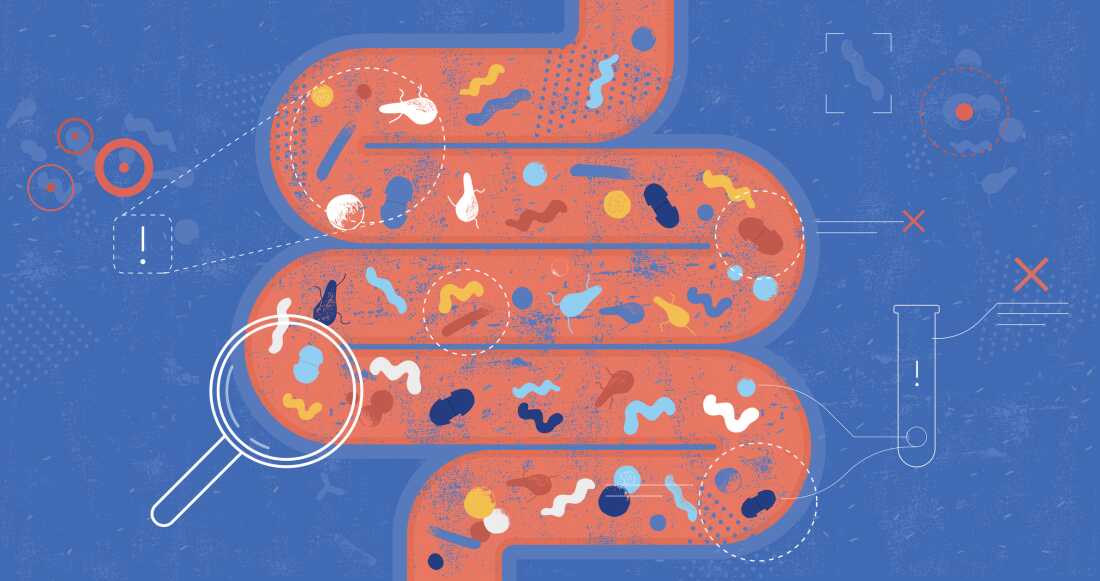
Increasingly, doctors suspect that alterations in the gut microbiome — the trillions of bacteria and other microbes living in the digestive tract — play a key role in driving early-onset colorectal cancer. The Early Onset Colorectal Cancer (ECCE) study, coordinated by the World Health Organisation’s International Agency for Research on Cancer (IARC), brings together researchers from 16 countries to investigate what is fueling the global increase. The study aims to identify specific microbial signatures, dietary patterns, or exposures that may be triggering the disease in younger populations.
Calls for earlier screening and symptom awareness
Patient advocates stress that more people — especially young adults with a family history of colorectal cancer — should undergo diagnostic testing. Currently, routine preventive screening is not recommended or covered by insurance until age 45 in the United States, a threshold that may be too late for many. Advocates urge young people to watch for symptoms such as rectal bleeding, changes in bowel habits, or unexplained abdominal pain, and to raise these concerns with their doctors without delay.
A mystery that demands answers
The rise of early-onset colorectal cancer represents one of the most puzzling epidemiological shifts in modern oncology. The fact that disease patterns have changed so dramatically within a single generation — and that mortality is accelerating fastest among the youngest adults — suggests an urgent need for research and public health intervention. As the ECCE study and other investigations proceed, the medical community faces a race to understand why colorectal cancer is increasingly striking the young and to find ways to reverse the trend before it claims more lives.
The bottom line
- Colorectal cancer is now the leading cancer killer of people under 50, with mortality rates for rectal cancer rising 2–3 times faster than for colon cancer in young adults.
- The vast majority (80%) of early-onset cases have no known genetic cause, pointing to environmental or microbiome-related triggers.
- The ECCE study, involving 16 countries and coordinated by IARC, is investigating the global rise in early-onset colorectal cancer.
- Young adults with a family history should seek diagnostic testing even though routine screening is not recommended until age 45.
- Tumors in younger patients tend to be located lower in the rectum and are more resistant to aggressive treatment.
- A generational change in diet, lifestyle, or environmental exposures is suspected to be driving the alarming increase.






Lakers Face Rockets in Potential Series-Clincher as Reaves Nears Return

Drug Lord Stephen Jamieson Jailed After Extradition from Dubai

May's Flower Moon Rises Friday as First of Two Full Moons This Month
