May's Flower Moon Rises Friday as First of Two Full Moons This Month
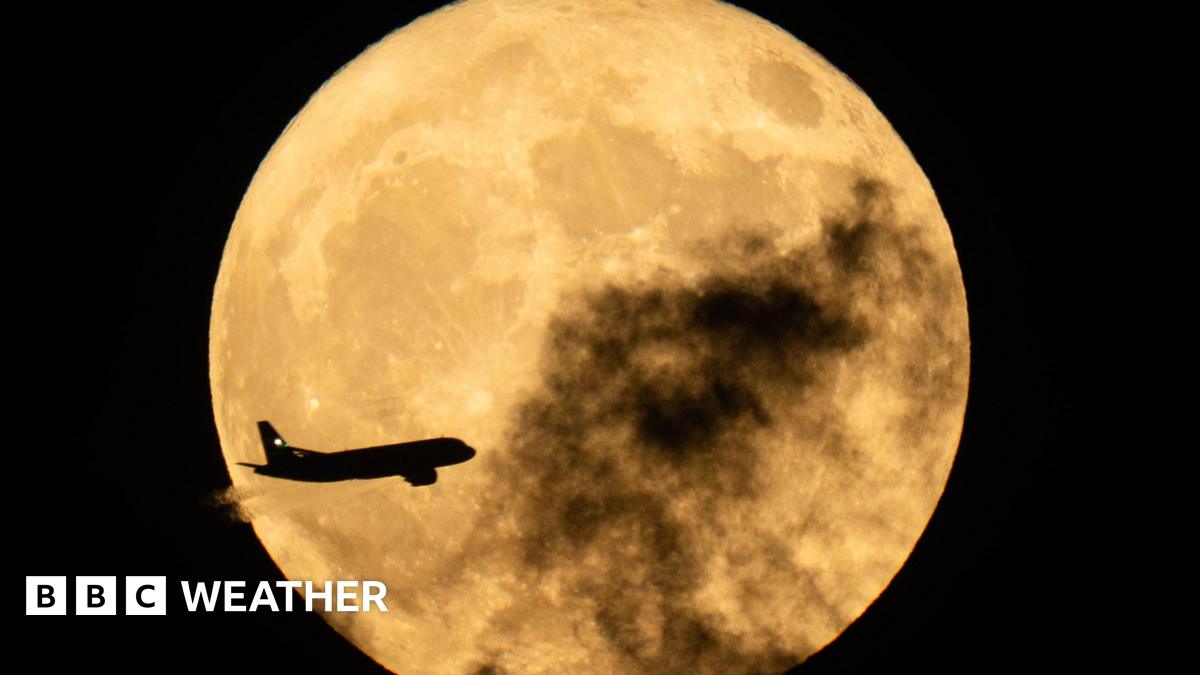
The micromoon, at apogee 406,000 km from Earth, will appear slightly smaller and less bright, with a second full moon—a Blue Moon—on May 31.
IRELAND —
Key facts
- The Flower Moon reaches full illumination at 18:23 UTC (1:23 p.m. ET) on May 1.
- The moon will be at apogee, roughly 406,000 km (252,000 miles) from Earth, making it a micromoon.
- A second full moon, a calendrical Blue Moon, will peak at 4:45 a.m. ET on May 31.
- The Flower Moon name originates from the Comanche tribe, referencing spring wildflowers in the Great Plains.
- Other Indigenous names include strawberry moon (Potawatomi, Shawnee), mulberry moon (Choctaw, Creek), and 'moon before pregnancy' (Tlingit).
- The Eta Aquariid meteor shower peaks overnight May 5–6, though a waning gibbous moon will obscure faint meteors.
- Mars, Saturn, and the crescent moon will align in the eastern sky before sunrise on May 12–13.
- The new moon on May 16 offers optimal conditions for viewing the Milky Way core.
A Micromoon in Bloom
May's full moon, known as the Flower Moon, will reach its peak illumination at 18:23 UTC on Friday, May 1, marking the first of two full moons this month. The moon will appear slightly smaller and dimmer than usual because it coincides with apogee—the farthest point in its elliptical orbit, about 406,000 kilometers (252,000 miles) from Earth. This phenomenon, called a micromoon, results from the moon's distance being roughly 43,000 kilometers (26,000 miles) greater than at perigee, though the difference is barely perceptible to the naked eye. Despite its reduced size, the Flower Moon will appear full to observers for three consecutive nights—Thursday, Friday, and Saturday—as explained by Noah Petro, project scientist for NASA's Artemis III mission. "There's a moment on May 1 where the moon will be at its fullest in the moment, but 24 hours before and 24 hours later, to the human eye it's going to look full," Petro said. He recommends viewing the moon at moonrise or moonset, when an optical illusion makes it seem larger and gives it a warm orange hue.
Two Full Moons in One Month
May 2025 is a rare month containing two full moons: the Flower Moon on May 1 and a Blue Moon on May 31. The second full moon will peak at 4:45 a.m. ET (08:45 UTC) on May 31, appearing fullest just before sunrise. This calendrical Blue Moon—defined as the second full moon in a single month—occurs roughly seven times every 19 years. The Flower Moon also marks the beginning of a series of three consecutive micromoons, as the moon reaches apogee during each full moon in this cycle. The Blue Moon will be the second micromoon of the series, with the moon at a distance of 249,180 miles (401,017 kilometers) from Earth, compared with its average distance of 238,855 miles (384,399 kilometers).
Cultural Roots of the Flower Moon Name
The nickname "Flower Moon" originates from the Comanche tribe, reflecting the abundance of wildflowers blooming across North America, particularly in the Great Plains, the traditional homeland of the Comanche people. The name is one of many Indigenous designations for May's full moon, each tied to seasonal cycles of flora and fauna. The Potawatomi and Shawnee peoples call it the strawberry moon, marking the ripening of strawberries, while the Choctaw and Creek refer to it as the mulberry moon, when mulberry trees bear fruit. The Tlingit people name it the "moon before pregnancy," with the subsequent June full moon called the birth moon. These names underscore the moon's role as a celestial calendar for Indigenous communities.
May Day and Seasonal Significance
The Flower Moon falls on May Day, a cross-quarter day that marks the midpoint between the March equinox and the June solstice. In the Northern Hemisphere, this date symbolizes the transition from spring to summer, with May Day historically celebrated as a festival of fertility and renewal. The full moon's timing reinforces its association with blossoming and growth. For stargazers, May offers extended windows to observe the Milky Way core, which becomes visible from around midnight until early morning in the Northern Hemisphere. The new moon on May 16 provides the darkest skies of the month, ideal for viewing the galactic center without lunar interference.
Other May Sky Spectacles
Beyond the two full moons, May hosts several notable astronomical events. The Eta Aquariid meteor shower, active from April 19 to May 28, peaks overnight on May 5–6. Known for fast, bright meteors with persistent trains, the shower can produce up to a few dozen streaks per hour, especially in the Southern Hemisphere. However, a waning gibbous moon will wash out all but the brightest meteors this year. On the mornings of May 12–13, Mars, Saturn, and the crescent moon will form a striking alignment in the eastern sky about an hour before sunrise. The trio will appear nearly perfectly lined up just above the horizon, with the best views from locations offering unobstructed vistas, such as lakesides or hilltops. On May 14, the three objects will cluster in a pyramid shape, with the moon appearing as a thin crescent.
Viewing Tips and What to Expect
To maximize the experience of May's full moons, Noah Petro advises avoiding bright streetlights, tall buildings, and trees. "It's going to rise right around sunset," he said, "so just have a little bit of patience and you'll be treated to the spectacular view." The moon will appear low in the east at sunset, reach its highest point around midnight, and set low in the west before sunrise. For those who miss the Flower Moon, the Blue Moon on May 31 offers a second chance. Both moons are micromoons, but their subtle size difference is mainly noticeable in photographs. The real spectacle lies in the cultural and seasonal resonance of these celestial events, connecting modern observers to ancient traditions and the rhythms of the natural world.
The bottom line
- May 2025 features two full moons: the Flower Moon on May 1 and a Blue Moon on May 31.
- Both full moons are micromoons, appearing slightly smaller and less bright due to their position at apogee.
- The Flower Moon name comes from the Comanche tribe, with other Indigenous names including strawberry moon and mulberry moon.
- The Eta Aquariid meteor shower peaks May 5–6, but moonlight will reduce visibility.
- Mars, Saturn, and the crescent moon align on May 12–13, with optimal viewing before sunrise.
- The new moon on May 16 provides the best conditions for observing the Milky Way core.


Lakers Face Rockets in Potential Series-Clincher as Reaves Nears Return

Drug Lord Stephen Jamieson Jailed After Extradition from Dubai

Bank of Ireland Reports Strong Start to 2026, Reaffirms Guidance Amid Geopolitical Uncertainty