Hantavirus Outbreak Confines 150 to Cabins on Cruise Ship
Two Irish nationals among those isolated at sea following deaths linked to the virus.

IRELAND —
Key facts
- Hantavirus outbreak on MV Hondius cruise ship.
- Nearly 150 passengers and crew confined to cabins.
- Three individuals have died after travelling on the ship.
- Two confirmed cases of Hantavirus, five suspected cases.
- Two Irish citizens are on board and receiving consular assistance.
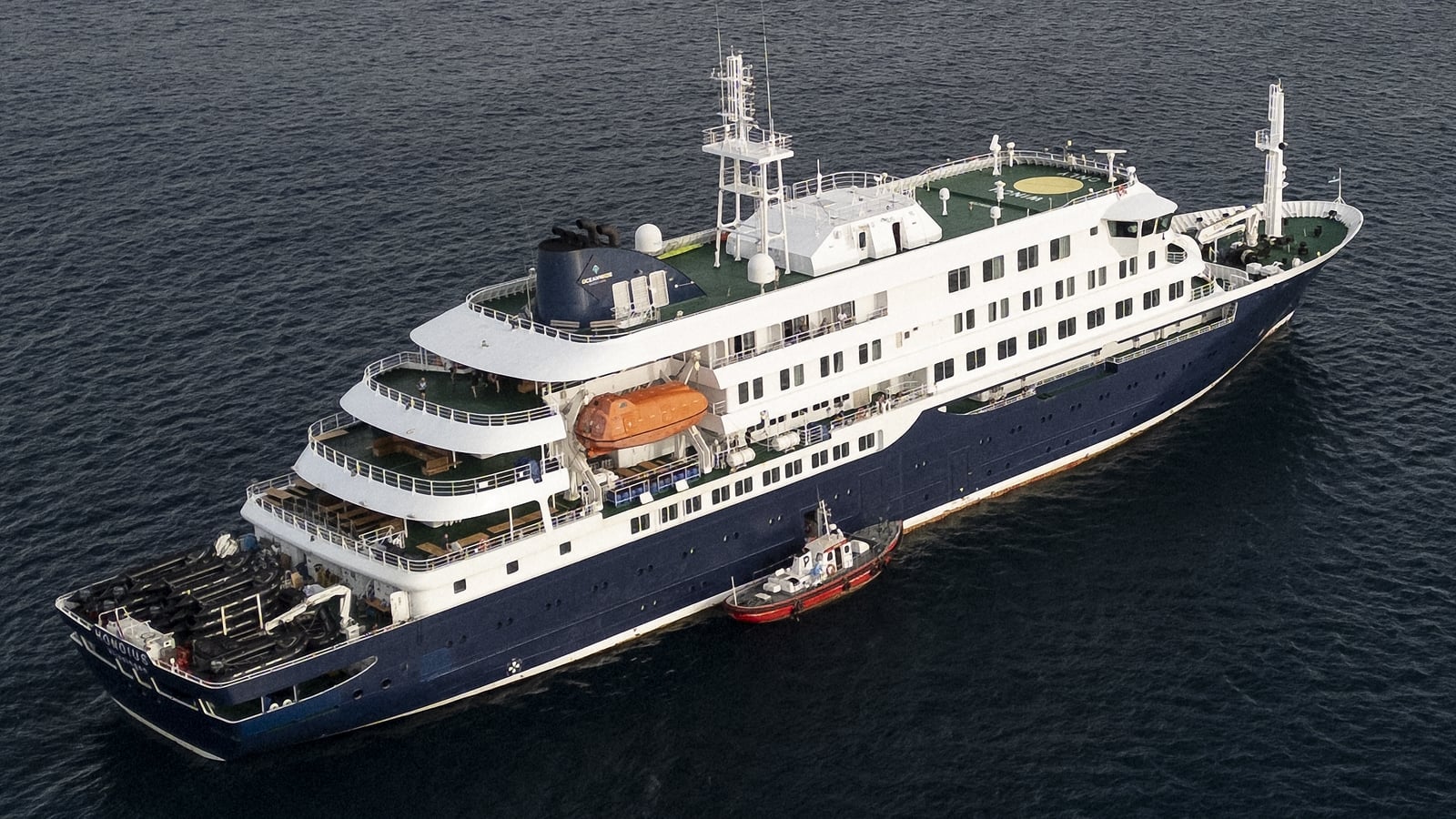
- Ship is currently located off the coast of Cape Verde.
Cruise Ship Becomes Isolation Zone Amid Hantavirus Fears
A chilling Hantavirus outbreak has transformed the MV Hondius cruise ship into an isolation zone, with nearly 150 passengers and crew confined to their cabins. The vessel is currently anchored off the coast of Cape Verde, a stark scene unfolding as authorities grapple with the deadly virus. three individuals who had travelled on the ship have since died. This grim toll has prompted immediate and stringent containment measures to prevent further spread. Among the nearly 150 individuals aboard are two Irish citizens, who are being provided with consular assistance by the Department of Foreign Affairs. While the immediate risk to Ireland is deemed low by the HSE, the unfolding crisis at sea demands close international attention.
Global Health Body Coordinates Response
The World Health Organisation (WHO) is at the forefront of managing the outbreak, confirming two cases of Hantavirus and identifying five additional suspected cases. Dr. Maria Van Kerkhove, a key figure at the WHO, has emphasized the immediate priorities: treating those who are ill and ensuring the health and safety of the remaining passengers and crew. "Our priority is to keep the passengers and the crews safe and healthy while limiting the spread of this virus," Dr. Van Kerkhove stated. The WHO is actively collaborating with relevant countries to devise the next steps for the ship and its occupants. Excellent co-operation has been noted from all parties involved in the challenging situation. Passengers have been instructed to remain in their cabins, a measure designed to minimize risk while extensive disinfection and other control protocols are implemented across the vessel.
Hantavirus: A Potent and Varied Threat
Hantaviruses are a group of viruses known to cause severe respiratory illness, often referred to as Hantavirus Pulmonary Syndrome (HPS), and in some cases, Hemorrhagic Fever with Renal Syndrome (HFRS). These viruses are typically carried by rodents, such as mice and rats, and are transmitted to humans through contact with infected rodent urine, droppings, or saliva. Transmission to humans can occur through inhalation of airborne virus particles, direct contact with contaminated materials, or less commonly, through bites from infected rodents. While not typically spread person-to-person, close contact with infected individuals or contaminated environments can pose risks. The symptoms of Hantavirus infection can appear anywhere from one to eight weeks after exposure and initially resemble flu-like symptoms, including fever, headache, and muscle aches. As the illness progresses, it can lead to severe respiratory distress, fluid in the lungs, and potentially be fatal if not treated promptly.
Navigating the Crisis at Sea
The decision to confine nearly 150 individuals to their cabins underscores the severity with which Hantavirus is being treated. This quarantine measure is critical in preventing the virus from spreading further within the confined environment of the ship. Disinfection protocols are a vital component of the containment strategy. Thorough cleaning of cabins, common areas, and any surfaces that may have come into contact with the virus is essential to neutralize the threat. The presence of two Irish citizens on board has triggered a consular response, highlighting the international dimension of the incident. The Department of Foreign Affairs is engaged in providing support to its nationals while the WHO and other health authorities coordinate the broader public health response.
Future Steps and Lingering Concerns
The immediate future for those aboard the MV Hondius remains uncertain, with the focus firmly on managing the health crisis. Decisions regarding the ship's eventual docking, passenger disembarkation, and further medical evaluations will be guided by public health assessments and international cooperation. Questions linger about the initial source of the outbreak and how the virus may have entered the ship's environment. Understanding these details will be crucial for preventing similar incidents in the future. The incident serves as a stark reminder of the potential for infectious diseases to emerge and spread rapidly, even in the modern era of global travel. The coordinated international response highlights the ongoing vigilance required to manage such public health emergencies effectively.
The bottom line
- An Hantavirus outbreak has led to the quarantine of nearly 150 people on the MV Hondius cruise ship off Cape Verde.
- Three deaths have been linked to the virus, with two confirmed and five suspected cases onboard.
- Two Irish citizens are among those confined to cabins and are receiving consular assistance.
- The World Health Organisation is leading the international response, prioritizing patient care and containment.
- Hantavirus is a serious respiratory illness transmitted by rodents, requiring strict public health measures to control.
- The incident underscores the need for continued vigilance against infectious disease outbreaks in travel settings.


Pennsylvania Sues Character.AI Over Alleged Illegal Medical Practice
Hantavirus Outbreak on Cruise Ship Puts Spain's Canary Islands on Alert

Reform UK Declares "Historic Shift" as Local Election Results Batter Labour and Tories