1,500 Landlords Seek $1.5 Billion Settlement Over Pandemic Eviction Moratorium
After a federal appeals court ruled the CDC's eviction freeze may constitute a Fifth Amendment taking, settlement talks with the Justice Department could force the government to pay billions for pandemic housing protections.
IRELAND —
Key facts
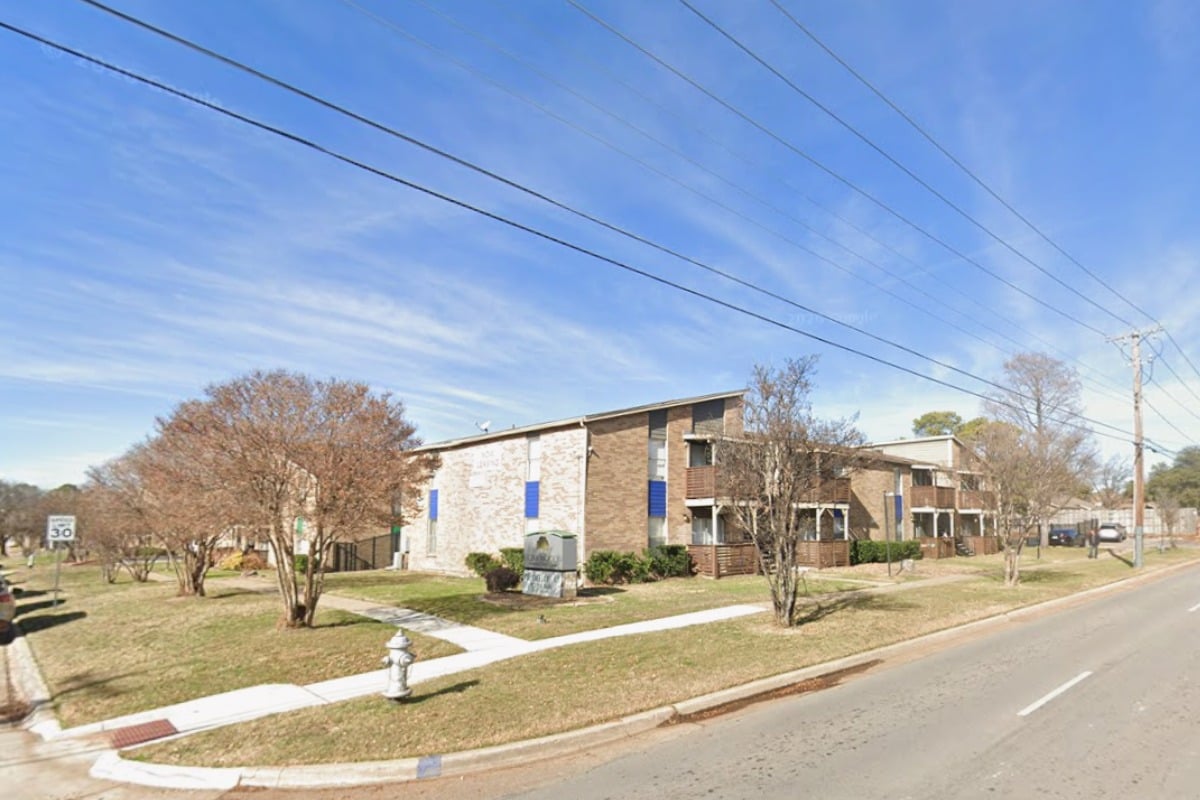
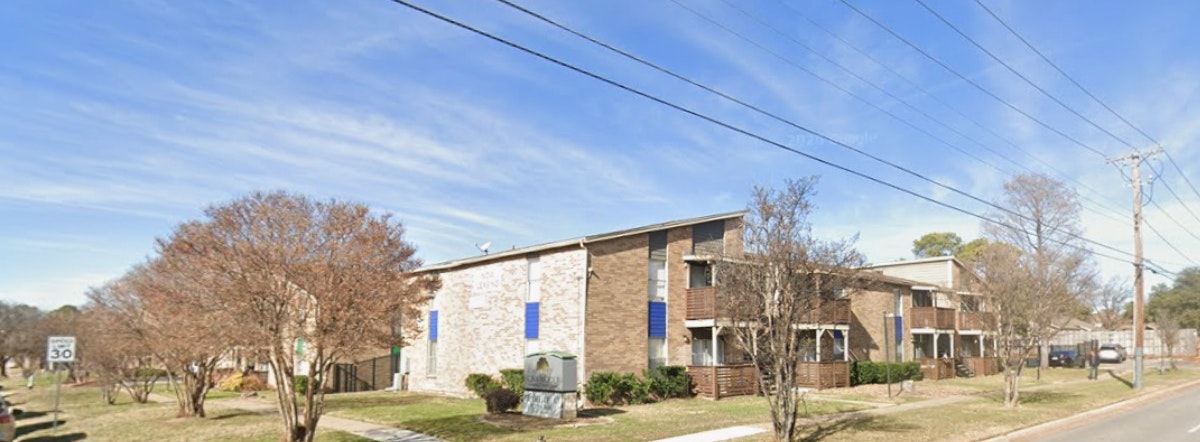
- Matthew Haines, owner of Oakwood Apartments in Arlington, Texas, lost over $1 million due to the moratorium.
- The federal eviction moratorium lasted from September 2020 through July 2021.
- The U.S. Court of Appeals for the Federal Circuit declined en banc rehearing on June 6, 2025, keeping the landlords' claim alive.
- Plaintiffs seek up to $1.5 billion in compensation, a fraction of an estimated $57 billion industry loss.
- A JAMA Network Open study found homelessness would have risen to about 20% without eviction moratoria.
- The federal government distributed roughly $46.5 billion in emergency rental assistance during the pandemic.
- The Supreme Court ended the moratorium after ruling the CDC lacked authority without congressional approval.
A Pandemic Freeze That Cost Landlords Millions
Just months into the pandemic, Matthew Haines learned he could no longer evict tenants who stopped paying rent. The 57-year-old Texan, who owns three rental communities with 240 units in Arlington and Irving, says the federal eviction moratorium cost him and his investors more than $1 million. Now he is among more than 1,500 property owners pressing the federal government for compensation. The moratorium, enacted by the Centers for Disease Control and Prevention, lasted from September 2020 through July 2021. It barred landlords from removing nonpaying tenants, a policy that became one of the pandemic's most divisive measures. The Supreme Court ultimately struck it down, ruling the CDC lacked the authority to impose such a ban without congressional authorization.
Fifth Amendment Challenge and Appeals Victory
The landlords' lawsuit argues the moratorium violated the Fifth Amendment by unlawfully taking their property without compensation. After initially losing in the Court of Federal Claims in 2022, the plaintiffs won on appeal. The U.S. Court of Appeals for the Federal Circuit declined to rehear the case en banc on June 6, 2025, leaving a panel ruling intact that the eviction freeze could amount to a physical appropriation. The appellate reasoning is clear: if the government dictates who must remain in a building and for how long, that may constitute using private property for public purposes. That logic now anchors settlement discussions with the Justice Department, which declined to comment on ongoing litigation.
The Financial Toll on Landlords
The lawsuit paints a picture of cascading financial disaster. Plaintiffs range from small mom-and-pop operators to larger firms; one owner lost over $14.5 million. The complaint cites an industry estimate of roughly $57 billion in losses during the earliest months of the moratorium. Landlords describe scrambling to borrow money, cut staff, and even sell properties to survive. "It was terrifying," one owner told reporters, recalling rent checks vanishing while costs mounted. The plaintiffs argue that well-intentioned public health measures cannot offload the full cost of keeping tenants housed onto property owners without triggering constitutional protections.
Why the Moratorium Existed: Tenant Protections
Tenant advocates and housing researchers stress the policy's necessity. A study in JAMA Network Open estimated that homelessness rose about 11 percent in a typical state in 2022 and would have climbed to around 20 percent without eviction moratoria. Federal officials also rolled out roughly $46.5 billion in emergency rental assistance, which helped some landlords cover a portion of the lost rent. relief programs ran alongside the moratorium, reaching many high-need communities. But for landlords like Haines, the assistance did not fully compensate for the months of unpaid rent and the operational strain.
Settlement Talks and What Comes Next
With the appellate ruling intact, the fight now shifts to damages. The Court of Federal Claims will oversee the next phase, where landlords may push for full trials or accept a negotiated deal. The plaintiffs hope to recoup as much as $1.5 billion — a fraction of the industry's estimated losses. Court filings in Darby Development Co. v. United States lay out competing visions of how to tally the damage: lost rent, shaken investor expectations, and broader business disruption. Any eventual settlement or damages award will be closely studied for how it values each component and for the template it sets for future crises.
A Precedent for Future Crises
The case tests whether the government can be forced to pay for pandemic-era housing protections. If the landlords prevail, it could establish a principle that future public health measures must include compensation for property owners. For Haines, the goal is vindication and recovery for his investors. "What I hope that we will accomplish and, to some extent, we already have, is vindication for ourselves," he said. "But what's more important to me is that hopefully my investors will recover some of that money that they should have had coming in over the last six years."
The bottom line
- More than 1,500 landlords are seeking up to $1.5 billion from the federal government for losses during the pandemic eviction moratorium.
- The U.S. Court of Appeals for the Federal Circuit ruled the moratorium could be a Fifth Amendment taking, allowing the lawsuit to proceed.
- The moratorium lasted from September 2020 to July 2021 and was struck down by the Supreme Court for exceeding CDC authority.
- Landlords estimate industry losses at roughly $57 billion; individual plaintiffs lost from thousands to over $14.5 million.
- A JAMA study found eviction moratoria prevented homelessness from rising to about 20% in 2022.
- Settlement talks with the Justice Department are ongoing, with the Court of Federal Claims overseeing the next phase.



Dublin Player Wins €8.7 Million Lotto Jackpot, Second Such Win in 2026

Allwyn Overhauls UK National Lottery with Powerball Launch and Lotto Revamp Amid Legal Turmoil

Dublin player wins €8.7 million Lotto jackpot, second of 2026