Saudi Arabia Reassesses Global Sports Investments Amid Shifting Priorities
The kingdom's Public Investment Fund is withdrawing multi-billion dollar backing from LIV Golf, prompting uncertainty and player adjustments.
IRELAND —
Key facts
- Saudi Arabia's Public Investment Fund (PIF) is set to withdraw its financial backing from LIV Golf at the end of the year.
- Golfer Jon Rahm has reached an agreement with the DP World Tour to pay outstanding fines and regain eligibility.
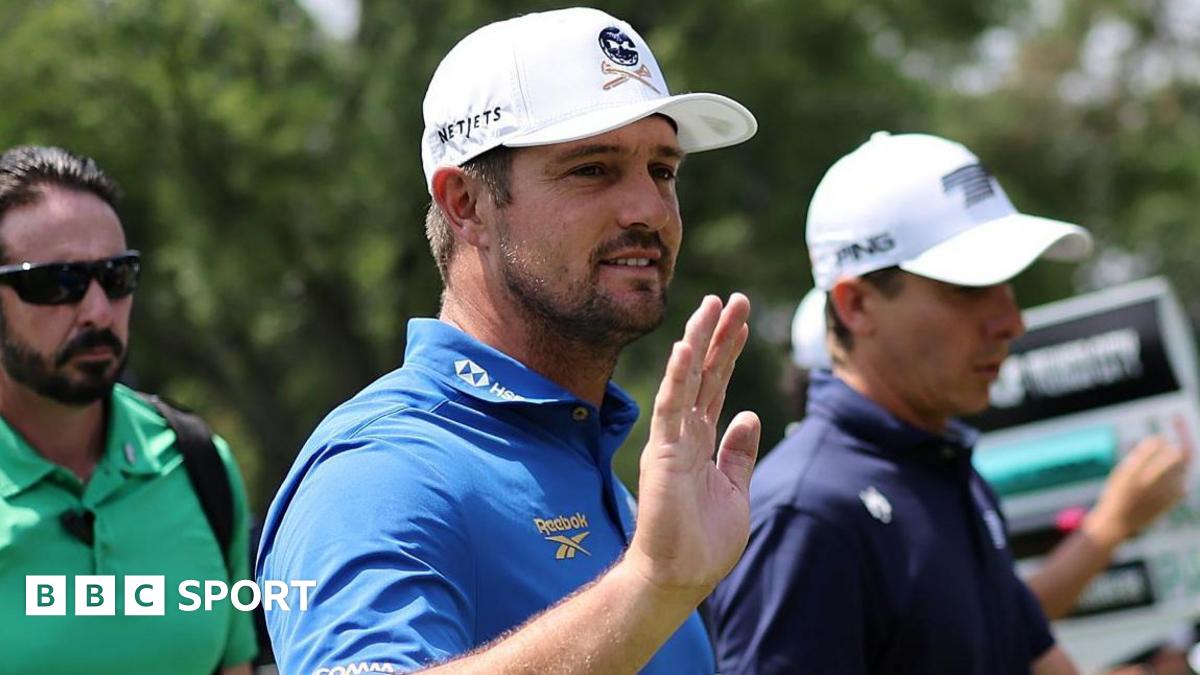
- Bryson DeChambeau plans to focus on his YouTube channel if LIV Golf does not survive.
- The PIF's decision is reportedly due to economic and political factors, including the US-Israel war's impact on Iran and minimal returns on sporting investments.
- Saudi Arabia has also canceled or withdrawn funding from other sports events, including snooker, women's tennis, and plans for the 2035 Rugby World Cup.
- The PIF's investment strategy is being reviewed, with a need for profitability emphasized for sports continuing to receive Saudi funding.
Golf's Shifting Landscape as Saudi Backing Falters
The future of the LIV Golf circuit has been cast into significant doubt following Saudi Arabia's announcement that its Public Investment Fund (PIF) will withdraw its substantial financial backing at the close of the year. This abrupt shift in strategy plunges the breakaway golf league into uncertainty, forcing players and organizers to confront a new reality. The decision marks a dramatic turn for a sport that has seen billions of dollars poured into it over the past decade as part of Saudi Arabia's broader Vision 2030 initiative, aimed at diversifying the kingdom's economy away from oil. This ambitious investment spree, widely viewed as a form of 'sportswashing' to enhance the country's international image, is now undergoing a significant reassessment. With LIV Golf facing a potential collapse without new investment, the implications for the sport's fractured landscape are profound. The passage of players back to established tours like the PGA Tour, which LIV sought to disrupt, is becoming a point of considerable contention and negotiation.
Jon Rahm Secures Return to DP World Tour
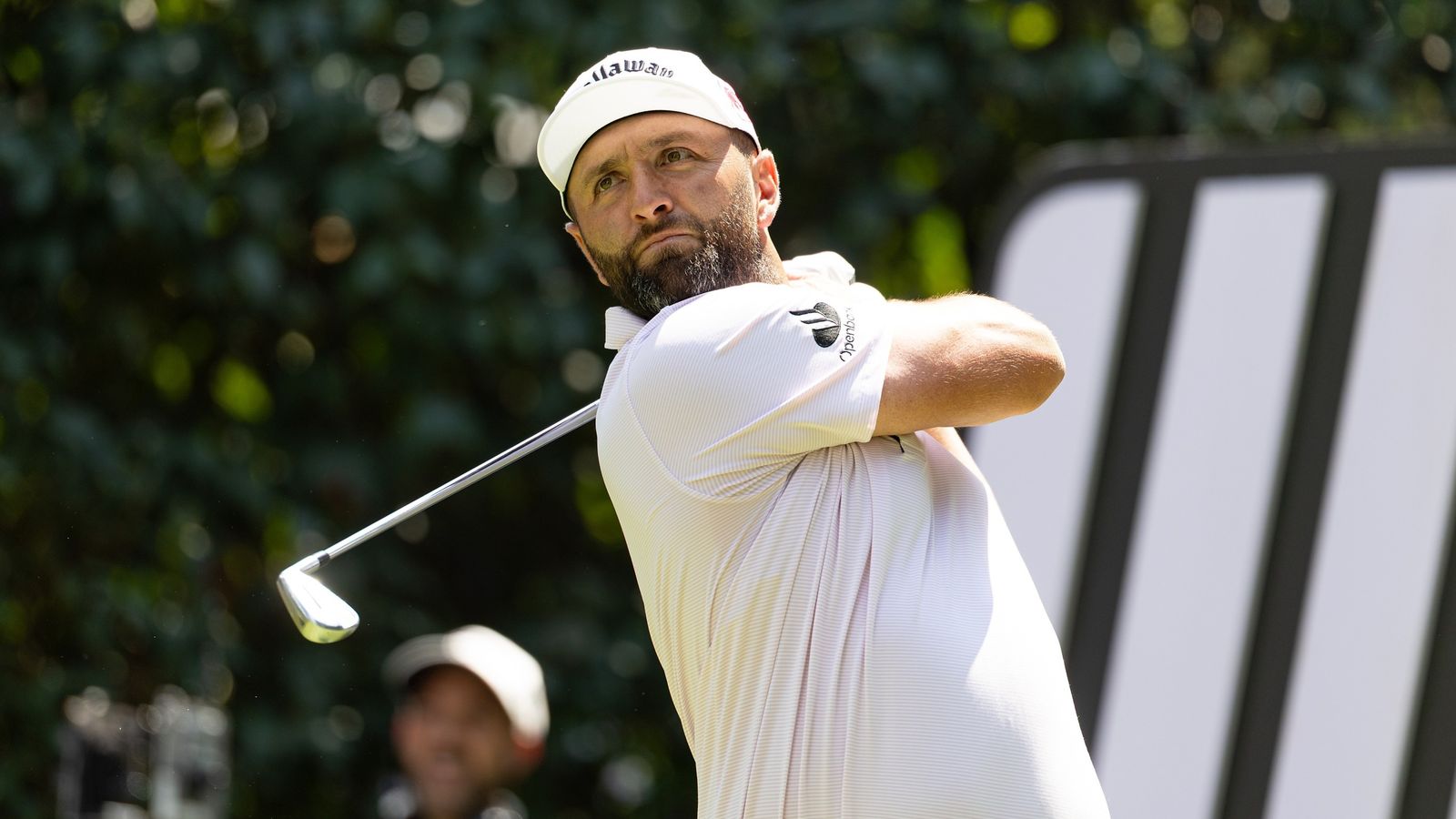
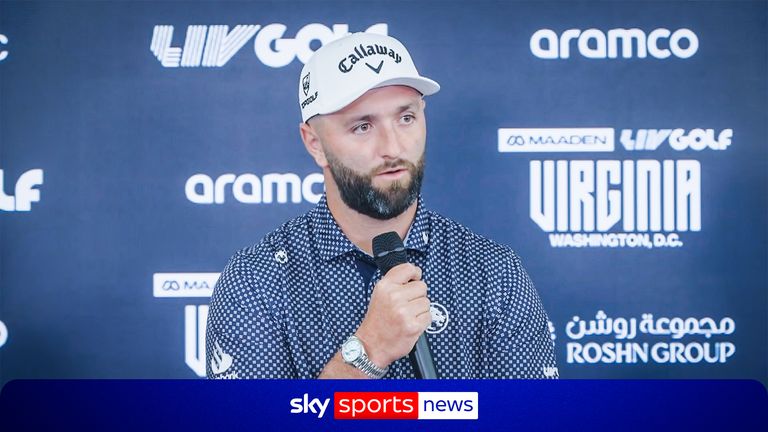
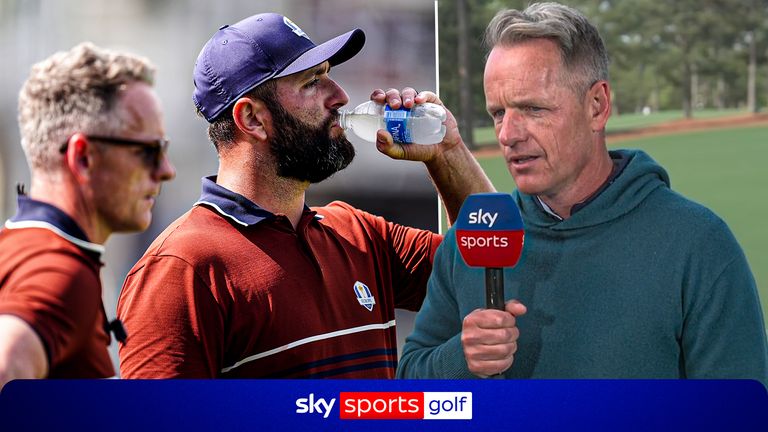
In a significant development for players caught between the rival leagues, Spanish golfer Jon Rahm has resolved his standing with the DP World Tour. An agreement has been reached that will see Rahm pay all his outstanding fines, clearing the path for his return to the circuit and ensuring his eligibility for the 2027 Ryder Cup. The fines, estimated to be around $3 million (£2.21 million), stemmed from Rahm's participation in LIV Golf events, which had placed him in breach of DP World Tour regulations. Rahm had previously withdrawn his appeal against these sanctions, signaling a willingness to find a resolution. "There was no longer a standoff between myself and the DP World Tour," Rahm stated, indicating that discussions led to a mutual understanding. The DP World Tour confirmed conditional releases for Rahm to play in conflicting LIV tournaments during the remainder of its 2026 season, contingent on settling all accrued fines and participating in agreed-upon DP World Tour events.
DeChambeau Eyes YouTube and Future Tournaments
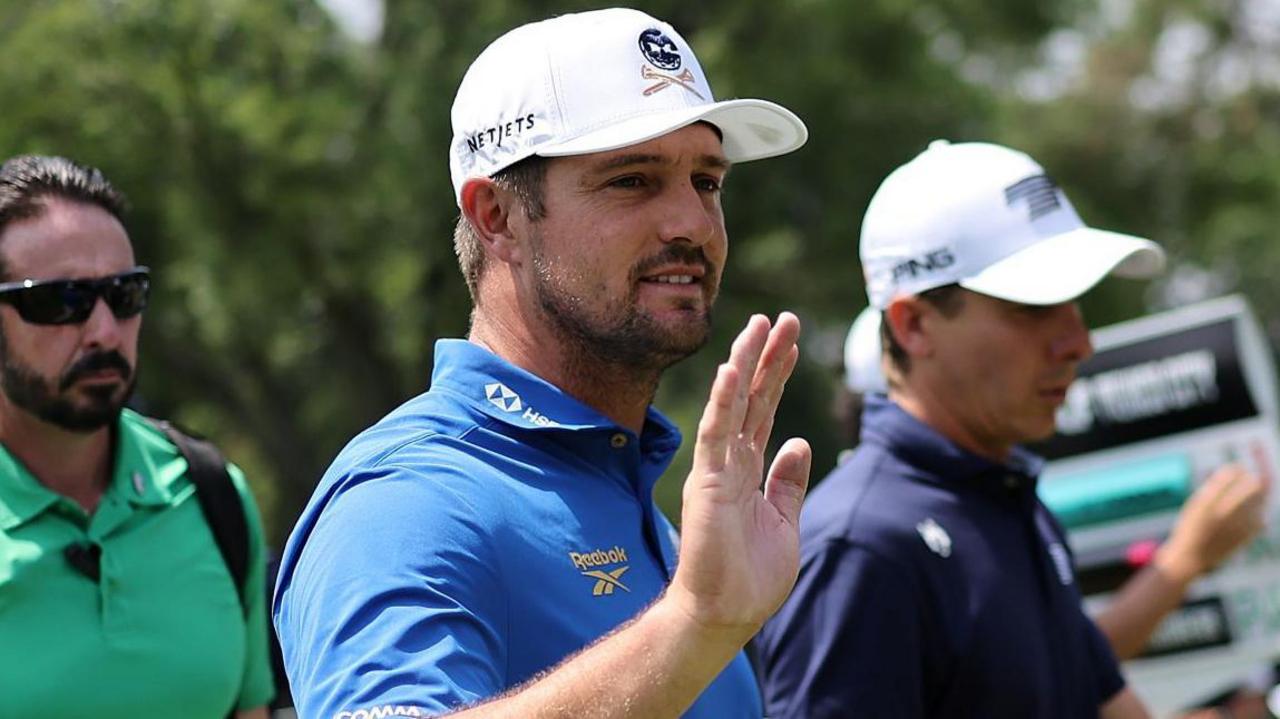
American golfer Bryson DeChambeau, a prominent figure in LIV Golf since joining in 2022, has outlined his contingency plans should the Saudi-backed series falter. DeChambeau, 32, expressed a desire to significantly expand his YouTube channel, potentially tripling its reach and engaging a wider global audience. "I'd love to play tournaments that want me," DeChambeau told ESPN, hinting at a future where his participation is dictated by invitation rather than contract. This statement comes as his own LIV contract nears its end at the conclusion of the current season. DeChambeau admitted to being "completely shocked" by the PIF's announcement, having believed the funding would extend until 2032. He had previously turned down an offer to return to the PGA Tour through its returning member program earlier this year, underscoring his commitment to LIV at the time.
Economic and Political Drivers Behind the Withdrawal
The PIF's decision to curtail its investment in LIV Golf appears to be driven by a confluence of economic and political factors. Governor Yasir al-Rumayyan cited a review of investments and a reassessment of priorities, influenced by the fallout of the US-Israel war on Iran in the Middle East and the comparatively minimal returns on sporting ventures. Al-Rumayyan, who holds influential positions across Saudi entities including Newcastle Football Club and state oil company Aramco, is a close associate of Crown Prince Mohammed bin Salman. This intricate web of leadership roles within state-backed enterprises facilitates control over sporting assets. The PIF's strategic pivot suggests a demand for greater profitability from its sports investments. Other sports currently reliant on Saudi funding will need to demonstrate a stronger financial performance to avoid a similar fate to LIV Golf, indicating a more rigorous approach to future partnerships.
Broader Impact on Saudi Arabia's Sports Portfolio
The withdrawal from LIV Golf is not an isolated event but part of a wider recalibration of Saudi Arabia's global sports engagement. Several other high-profile events and long-term commitments have been canceled or seen funding pulled. These include the snooker Saudi Arabia Masters, which was terminated after only two years of a decade-long deal, and the women's tennis association (WTA) which has had funding withdrawn and a season-ending event canceled. Furthermore, Saudi Arabia has abandoned plans to host the 2035 Rugby World Cup and the 2029 Asian Winter Games. While sports like MMA appear to remain on more stable ground for now, the trend indicates a more selective and performance-driven approach to international sports investment. Formula One, horse racing, chess, and handball, all of which have significant ties to Saudi funding or sponsorship, may also face increased scrutiny regarding their financial viability.
Sportswashing Allegations and Future Scrutiny
Human Rights Watch (HRW) and other rights organizations maintain that Saudi Arabia's extensive investments in sports and entertainment are primarily a tactic to 'whitewash' its human rights record. The PIF's engagement in high-profile international events is seen as a deliberate effort to distract from allegations of abuses. As Saudi money moves more cautiously, the precarious position of sports that have become dependent on its financial lifeline is becoming apparent. The current situation serves as a stark reminder of the risks involved when sporting bodies become overly reliant on a single source of funding, particularly when that source is subject to shifting geopolitical and economic considerations. The era of unfettered Saudi investment across the global sports landscape may be drawing to a close, replaced by a more pragmatic and demanding approach. The coming months will be critical in determining the long-term sustainability of sports that have benefited from, and are now confronting the potential loss of, Saudi capital.
The bottom line
- Saudi Arabia's Public Investment Fund is significantly reducing its commitment to LIV Golf, creating uncertainty for the league and its players.
- Golfer Jon Rahm has settled his disputes with the DP World Tour, paving the way for his return and Ryder Cup eligibility.
- Bryson DeChambeau is preparing for a potential future focused on content creation if LIV Golf ceases to exist.
- The PIF's strategic shift is attributed to economic pressures, geopolitical events, and a demand for greater profitability from sports investments.
- Saudi Arabia's withdrawal from LIV Golf is part of a broader reassessment of its global sports portfolio, impacting various other sporting events and federations.
- The kingdom's sports investment strategy is now under scrutiny, with a greater emphasis on financial viability for continued support.
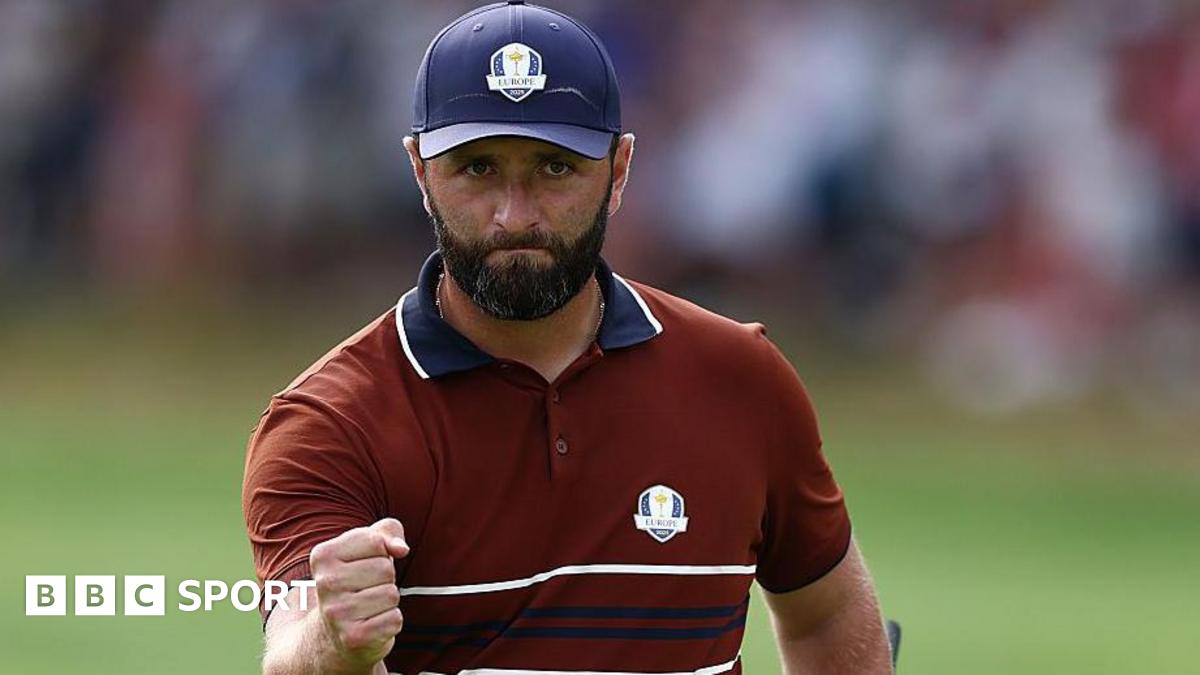
Jon Rahm Settles DP World Tour Dispute, Secures Ryder Cup Eligibility for 2027

Cancer survivor wins unfair dismissal appeal in Birmingham case

Vietnamese Culinary Scene Expands in U.S. with Oregon Restaurant