Zelenskyy Warns Global Institutions 'Too Weak' as EU Approves €90bn Loan for Ukraine
Ukrainian president calls for stronger alliances and AI arms control, while EU unblocks vital loan after Hungary lifts veto.

IRELAND —
Key facts
- EU formally approved a €90bn loan for Ukraine on Wednesday.
- Zelenskyy warned that international institutions are 'too weak' to stop wars.
- Ukraine struck a Lukoil oil refinery in Perm, over 1,500km from the front line.
- Putin proposed a one-day ceasefire on May 9 during a call with Trump.
- Russian airstrikes killed at least seven people in Ukraine overnight.
- Zelenskyy, Sandu, and Grossi marked the 40th anniversary of Chernobyl disaster.
- Ukraine's Security Service hit a strategic oil pipeline hub in Perm.
Zelenskyy’s Warning to World Leaders
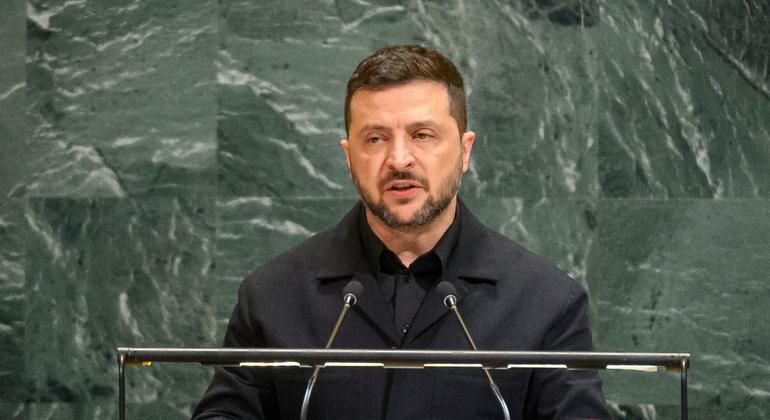
President Volodymyr Zelenskyy on Wednesday told world leaders that international institutions have grown “too weak” to prevent wars, urging nations to join Ukraine’s security coalition and intensify pressure on Russia. Speaking at an event, he declared: “No one but ourselves can guarantee security. Only strong alliances. Only strong partners. And only our own weapons.” He argued that international law is ineffective without the backing of “powerful friends” and military force, stating bluntly that “those with weapons decide who survives.” Calling the reality “terrible” but unavoidable, he said Ukrainians are peaceful but determined to live freely, which is why they invest in defence.
EU Loan and Sanctions Package Unblocked
The European Union formally approved a €90bn loan for Ukraine and a 20th sanctions package against Russia after Hungary lifted its veto. Zelenskyy described the move as “the right signal,” underscoring the loan’s importance as a lifeline for Ukraine’s cash-strapped economy. The decision followed a shift in Hungary’s stance after Viktor Orbán’s defeat, which EU officials said could unlock the funds. Earlier, the EU had also approved a $106bn loan package after Hungary’s veto was removed, providing critical financial support as Ukraine continues to face Russian aggression.
Ukraine’s Deep Strikes on Russian Oil Infrastructure
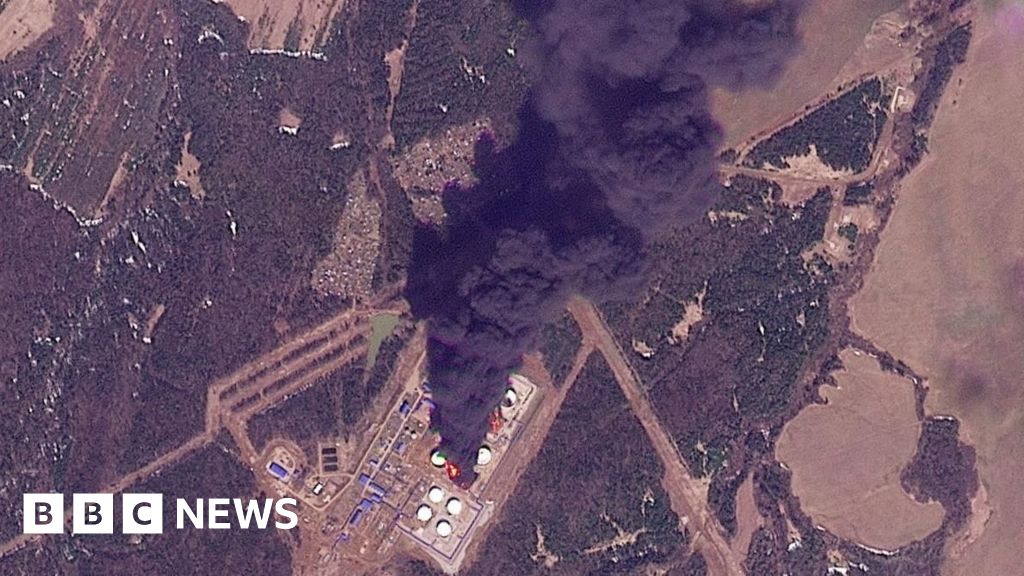
Ukrainian drones struck an Lukoil-owned oil refinery in Perm, central Russia, more than 1,500km from the front line, the Security Service of Ukraine (SBU) confirmed. Dramatic images showed huge columns of black smoke and flames, prompting a chemical emergency alert in parts of Perm, though city authorities later claimed it was a test. This attack follows a series of successful strikes on Russian oil infrastructure, including a strategic pipeline hub in Perm earlier this week. In Tuapse on the Black Sea, earlier strikes caused significant oil spills, with local residents sharing photos of oil slicks and black puddles. Despite Moscow downplaying the attacks, the Kremlin announced it was scaling back its annual Victory Day parade on May 9 due to the “terrorist threat” from Ukraine.
Putin’s Ceasefire Proposal and Zelenskyy’s Response
During a 90-minute phone call with Donald Trump, Vladimir Putin proposed a one-day ceasefire on May 9, the anniversary of Nazi Germany’s defeat in World War II. Trump “actively supported” the initiative.’s diplomatic advisor Yuri Ushakov, who noted the holiday marks a shared victory. Zelenskyy said Kyiv would seek more information from the US about the offer, asking: “We will clarify what exactly this is about – a few hours of security for a parade in Moscow, or something more.” Zelenskyy also highlighted ongoing Russian attacks, including airstrikes that killed at least seven people in Ukraine overnight and a drone attack that wounded 14. He warned of chemical weapons use, famine as a weapon, abduction of thousands of children, and continued threats to the Zaporizhzhia nuclear plant, which went into blackout again.
Global Arms Race and AI Concerns
Zelenskyy warned that weak international responses are accelerating a global arms race, now reshaped by artificial intelligence. “Dear leaders, we are now living through the most destructive arms race in human history because this time, it includes artificial intelligence,” he said. He called for global rules on AI use in weapons, equating the urgency to preventing nuclear proliferation. He noted that Ukraine developed attack drones and sea drones out of necessity, pushing back the Russian navy in the Black Sea and striking strategic bombers. The president also pointed to conflicts in Sudan, Somalia, and Palestine as evidence of a global system unable to prevent bloodshed, saying: “For decades, just statements and statements.”
Regional Stability and Moldova’s Vulnerability
Zelenskyy warned that Europe cannot afford to lose Moldova, citing recent Russian drone and fighter jet incursions into Poland and Estonia, as well as interference in Moldova. He said supporting Moldova’s stability is “not costly, but failing to do so would come at a much higher price.” The Ukrainian and Moldovan presidents, along with IAEA chief Rafael Grossi, marked the 40th anniversary of the Chernobyl disaster in a ceremony on Sunday, underscoring ongoing nuclear risks. Meanwhile, investigators are examining whether a recent terrorist attack in Kyiv, where a gunman killed at least six people and took hostages, was directed by Russia. The incident added to the sense of insecurity as Ukraine continues to face both external and internal threats.
Outlook: Stakes and Next Steps
As Ukraine secures the EU loan and continues to strike Russian oil infrastructure, the war enters a new phase with both sides escalating. Zelenskyy’s call for stronger alliances and AI arms control reflects a growing recognition that traditional institutions are failing. The Kremlin’s scaled-back Victory Day parade and Putin’s ceasefire offer may signal a tactical shift, but Zelenskyy’s skepticism suggests any pause would be temporary. The coming weeks will test whether the EU loan can stabilize Ukraine’s economy and whether Ukraine’s deep strikes can alter Russia’s military calculus. With no end in sight, the conflict remains a defining test for global governance and the rules-based order.
The bottom line
- Zelenskyy condemned international institutions as too weak to stop wars, urging stronger alliances and AI arms control.
- The EU approved a €90bn loan for Ukraine after Hungary lifted its veto, providing a vital economic lifeline.
- Ukraine struck deep into Russian territory, hitting oil refineries and pipelines, while Russia downplayed the attacks.
- Putin proposed a one-day ceasefire on May 9, but Zelenskyy questioned its sincerity.
- Russian airstrikes continue to kill civilians, and the Zaporizhzhia nuclear plant remains at risk.
- The war is accelerating a global arms race involving AI, with Ukraine developing drones out of necessity.



St Patrick's Athletic aim to extend away revival at Galway United

Dublin May Day Rally Targets Sub-Minimum Wage as 27,000 Young Workers Earn Below Legal Floor

Met Éireann Issues Yellow Rain Warning for Cork and Waterford as Changeable Bank Holiday Looms
