Sierra Nevada Braces for 4 Feet of Snow as Late-Season Storm Threatens Travel
A powerful Pacific low-pressure system is set to dump heavy snow on California's highest peaks, with winds up to 70 mph and snow levels dropping to 4,500 feet.

IRELAND —
Key facts
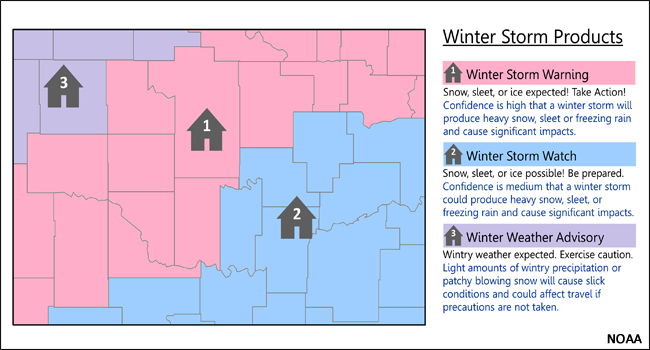
- Winter storm warnings are in effect for California's Sierra Nevada until Tuesday.
- The storm is driven by a Pacific low-pressure system with moisture levels 90% above normal.
- Up to 4 feet of snow is expected on the tallest peaks, with 1-2 feet above 6,000 feet.
- Wind gusts along the Sierra crest may reach 70 mph, with localized gusts up to 80 mph.
- Snow levels are forecast to drop from 7,000 feet to as low as 4,500 feet.
- Major routes I-80 over Donner Pass and Highway 50 are expected to face hazardous conditions.
- Caltrans is implementing stringent chain regulations due to likely road closures.
A Late-Season Blast: Storm Targets Sierra Nevada
A significant late-season winter storm is bearing down on California's Sierra Nevada, prompting the National Weather Service to issue winter storm warnings that will remain in effect until Tuesday. The storm, fueled by a Pacific low-pressure system carrying moisture levels 90% above the norm for the region, threatens to disrupt travel and bring heavy snow to elevations that typically see spring conditions. Snow has already begun accumulating at elevations above 7,000 feet, but the most intense period is expected from Sunday night into Monday. Forecasters warn that the combination of heavy snowfall and strong winds will create whiteout conditions, making travel extremely difficult or impossible in some areas.
Heavy Snow and High Winds: The Forecast Details
Meteorologists anticipate snow accumulations of 1 to 2 feet at elevations above 6,000 feet, while the highest peaks could see up to 4 feet of new snow. The storm's impact will be compounded by wind gusts along the Sierra crest that are expected to reach 50 to 70 mph, with localized gusts potentially hitting 80 mph in the most exposed areas. Snow levels are projected to plummet from approximately 7,000 feet to as low as 4,500 feet, bringing significant accumulations to regions that would normally be free of snow at this time of year. The National Weather Service has warned that "tire traction will be reduced" and that travel may become extremely challenging.
Travel Disruption and Chain Requirements
Major transportation arteries, including Interstate 80 over Donner Pass and Highway 50, are expected to experience hazardous conditions as the storm intensifies. Officials caution that the "period of heaviest snow" will lead to considerable visibility problems, and road conditions at higher elevations will deteriorate rapidly once the weather fully manifests. Caltrans is implementing stringent chain regulations in anticipation of road closures. Motorists are advised to prepare for emergencies, with specialists emphasizing that those who must travel should carry extra flashlights, food, and water in their vehicles.
Broader Western U.S. Snowfall
While the Sierra Nevada remains the primary focus of this late-season storm, other parts of the Western United States are also experiencing persistent snowfall. Colorado and New Mexico are contending with their own snow events, though the most severe conditions are concentrated in California's mountain range. The storm's timing, arriving in May, underscores its unusual nature. Such late-season storms can catch residents and travelers off guard, as they may not expect winter conditions during spring.
Preparedness and Safety Measures
The National Weather Service has issued clear guidance for those in affected areas: delay travel plans until conditions improve. For those who must venture out, a winter survival kit is recommended, including items such as blankets, a shovel, and extra clothing. If stranded, officials advise staying with your vehicle and waiting for help to arrive. The combination of heavy snow, strong winds, and low visibility creates a dangerous environment for anyone caught unprepared.
Outlook: Storm to Persist Through Tuesday
The winter storm warning remains in effect through Tuesday, with the heaviest snowfall expected to taper off gradually after Monday. However, lingering snow showers and gusty winds may continue to affect travel and conditions at higher elevations into midweek. Residents and travelers are urged to monitor local forecasts and heed all warnings from the National Weather Service and Caltrans. The storm serves as a reminder that winter conditions can persist well into spring in mountainous regions.
The bottom line
- A late-season winter storm is delivering up to 4 feet of snow to the Sierra Nevada, with winds up to 70 mph.
- Snow levels will drop to 4,500 feet, affecting areas that are typically snow-free in May.
- Major highways including I-80 and Highway 50 face hazardous conditions and possible closures.
- Caltrans has implemented chain requirements, and travelers are advised to carry emergency supplies.
- The storm is driven by a Pacific low-pressure system with 90% above-normal moisture.
- Similar winter weather is affecting Colorado and New Mexico, but the Sierra Nevada is the primary concern.




U.S. Launches Project Freedom to Guide Stranded Ships Through Strait of Hormuz as Iran Strikes UAE

NATO Chief Rutte Says Europeans Have 'Gotten the Message' as Trump Threatens Punishment Over Iran War Support

Cal Poly Maritime Academy awards honorary doctorate to Capt. Kate McCue as final class graduates under old name
