DMK-led alliance retains core vote share in Tamil Nadu but loses stalwarts as TVK emerges as single-largest party
MK Stalin resigns as chief minister after DMK defeat, pledges strong opposition role amid reports Congress considered joining Vijay's TVK.
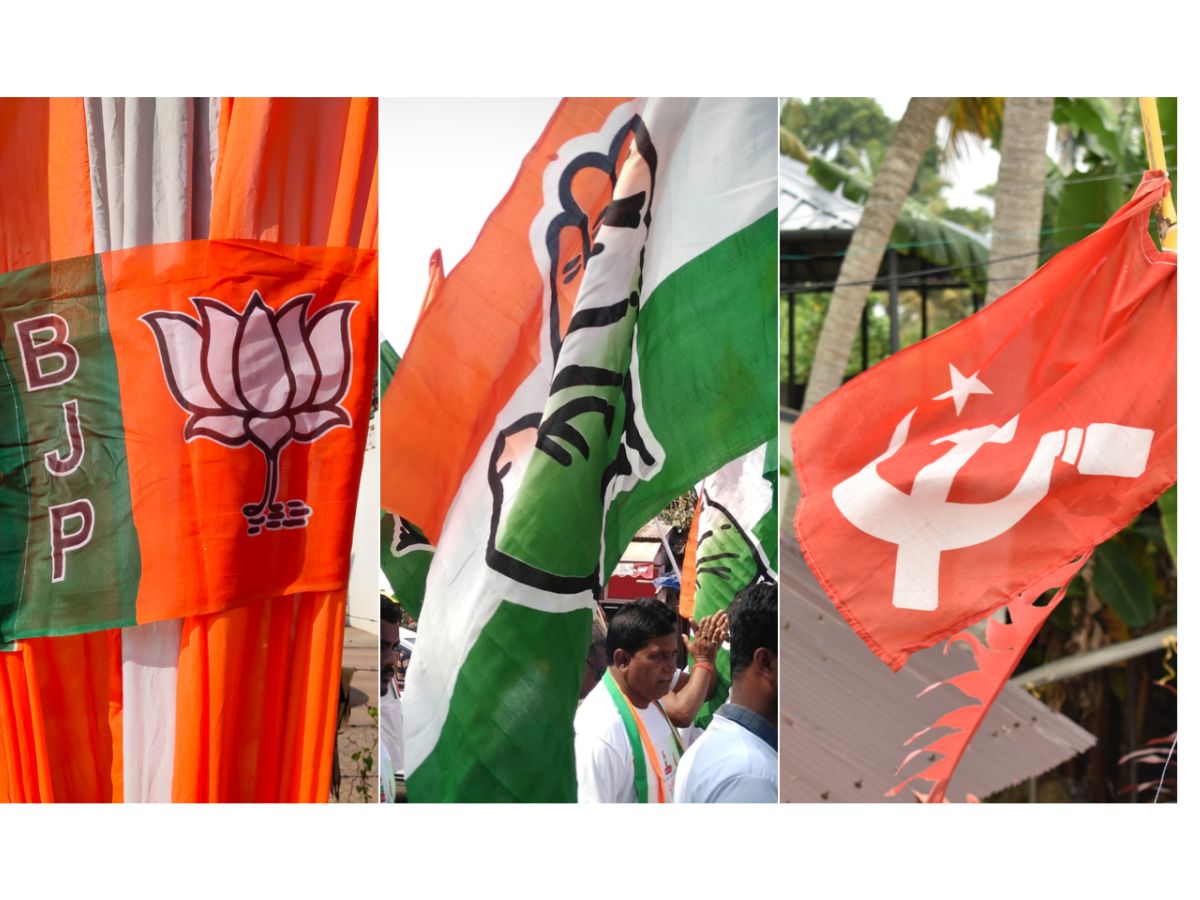
INDIA —
Key facts
- DMK retained core vote share but lost several senior leaders in the 2026 Tamil Nadu assembly elections.
- Actor-turned-politician Vijay's TVK emerged as the single-largest party, winning 15-20 seats.
- MK Stalin resigned as chief minister after the DMK's defeat, vowing to play a strong opposition role.
- Congress leaders debated whether not aligning with TVK was a 'missed opportunity'.
- Exit polls predicted a hung assembly in Tamil Nadu with TVK as a spoiler for the DMK.
- Counting of votes for Tamil Nadu, Kerala, Assam, West Bengal, and Puducherry took place on May 4.
- Congress president Mallikarjun Kharge expressed confidence that the DMK-led alliance would secure a clear majority in Tamil Nadu.
- Rahul Gandhi and MK Stalin did not hold joint campaigns due to a three-day Parliament session on the 131st Constitutional Amendment Bill.
Stalin resigns after DMK defeat, TVK emerges as kingmaker
MK Stalin resigned as Tamil Nadu chief minister on May 4 after the DMK-led alliance failed to secure a majority in the state assembly elections. The actor-turned-politician Vijay’s Tamilaga Vettri Kazhagam (TVK) emerged as the single-largest party, capturing a significant share of votes from both the DMK and AIADMK. Stalin, in his first reaction, described each vote as a 'token of trust' and pledged to lead a strong opposition. The DMK retained its core vote share but suffered losses among several veteran leaders, while the TVK’s surge reshaped the political landscape. Congress insiders estimated the TVK could win 15 to 20 seats, though some party leaders believed the figure could be higher. The AIADMK, meanwhile, was expected to return as the main opposition party, given its strong grassroots cadre.
Congress-DMK alliance strains surface during campaign
Tensions between the Congress and DMK became evident during the campaign when Rahul Gandhi and MK Stalin did not hold joint rallies. A Congress leader explained that a three-day special session of Parliament on the 131st Constitutional Amendment Bill prevented the joint appearances, forcing the leaders to focus on different regions. However, the absence fueled speculation about differences within the alliance. Some Congress leaders argued that not aligning with Vijay’s TVK was a 'missed opportunity', while others maintained that the DMK-led alliance remained the best vehicle to counter the BJP. The Congress president Mallikarjun Kharge expressed confidence that the DMK would secure a clear majority, but the final result proved otherwise.
Exit polls divided, but TVK’s impact undeniable
Exit polls released ahead of the counting presented a mixed picture. Several polls predicted a return of the DMK government in Tamil Nadu and a comeback for the Congress-led UDF in Kerala after 10 years. However, other pollsters forecast a hung assembly in Tamil Nadu, with Vijay’s TVK emerging as a spoiler. The higher voter turnout in Tamil Nadu and Puducherry was seen as benefiting the TVK, particularly among youth and women under 40. Congress leaders dismissed predictions that the TVK or AIADMK would win more seats than the DMK alliance, but the final outcome proved otherwise. The DMK’s vote share remained stable, but its seat conversion suffered as the TVK cut into its support base.
Delimitation bill becomes key campaign issue
The BJP’s introduction of the Delimitation Bill alongside the Women’s Reservation Bill as part of the 131st Constitutional Amendment Bill became a central campaign issue in Tamil Nadu. Congress leaders praised Stalin’s dramatic act of burning a copy of the bill as a bold move to regain voter trust and safeguard Tamil Nadu’s rights. The move helped the DMK-led alliance counter the narrative that it was weak on protecting state interests. However, the emergence of the TVK as a third force complicated the electoral arithmetic. The party’s appeal to youth and first-time voters eroded the DMK’s traditional base, particularly in urban and semi-urban constituencies.
Congress weighs options for future alliances
In the aftermath of the DMK’s defeat, Congress leaders are reassessing the party’s strategy in Tamil Nadu. Some have signaled that the party will not remain neutral in future elections and will push for a role in government or opposition. The seat-sharing tensions with the DMK, coupled with Rahul Gandhi’s separate campaign, have raised questions about the alliance’s durability. A senior Congress leader noted that the AIADMK cannot be neglected, as it retains a strong cadre base. Meanwhile, the TVK’s success has opened the possibility of a realignment, with some Congress leaders advocating for an alliance with Vijay’s party. The outcome in Tamil Nadu is likely to influence Congress’s approach in other states where it is part of coalition governments.
Wider election results across five states
The counting of votes on May 4 covered five assemblies: Tamil Nadu, Kerala, Assam, West Bengal, and Puducherry. In Kerala, the Congress-led UDF was hopeful of returning to power after a coordinated campaign that avoided internal rifts. Congress leader K.C. Venugopal was credited with placating disgruntled ticket-seekers and ensuring party unity. In West Bengal, the Congress contested all 294 seats for the first time in 20 years, hoping to increase its vote share from 4% and win up to 20 seats. In Assam, the Congress faced high-profile defections but gained momentum late in the campaign with attacks on Chief Minister Himanta Biswa Sarma over corruption allegations. Party sources acknowledged that the campaign started late but expressed confidence of winning more seats than exit polls suggested. In Puducherry, the Congress-led alliance put up a tough fight against the BJP and N R Congress.
Outlook: A fragmented Tamil Nadu and uncertain alliances
The 2026 Tamil Nadu election has shattered the traditional bipolar contest between the DMK and AIADMK, introducing a powerful third force in Vijay’s TVK. The DMK’s defeat, despite retaining its core vote share, underscores the volatility of an electorate increasingly drawn to new political actors. Stalin’s resignation and pledge to lead a strong opposition set the stage for a contentious assembly term. For the Congress, the results pose a strategic dilemma: whether to stick with the DMK, seek an alliance with the TVK, or go it alone. The party’s internal debate reflects broader uncertainties in Indian politics, where regional parties and celebrity-led movements are reshaping alliances. The coming months will reveal whether the DMK can rebuild or whether the TVK’s debut marks a permanent realignment in Tamil Nadu.
The bottom line
- MK Stalin resigned as Tamil Nadu chief minister after the DMK-led alliance lost the 2026 assembly elections.
- Vijay’s TVK emerged as the single-largest party, winning 15-20 seats and cutting into DMK and AIADMK vote shares.
- Congress leaders are divided over whether not aligning with TVK was a missed opportunity.
- The Delimitation Bill became a key campaign issue, with Stalin’s protest helping the DMK regain some voter trust.
- Exit polls were divided, but the final result confirmed a hung assembly with TVK as kingmaker.
- The Congress is reassessing its alliance strategy in Tamil Nadu, with some leaders advocating for a tie-up with TVK.


BJP Sweeps Bengal in Historic Landslide, Mamata Banerjee Loses Own Seat

Deadly Tornado Rips Through Texas Neighborhood as Severe Storms Lash South and Midwest
Delhi-NCR Braces for More Storms as Powerful Trough Brings Rain to Northwest India
