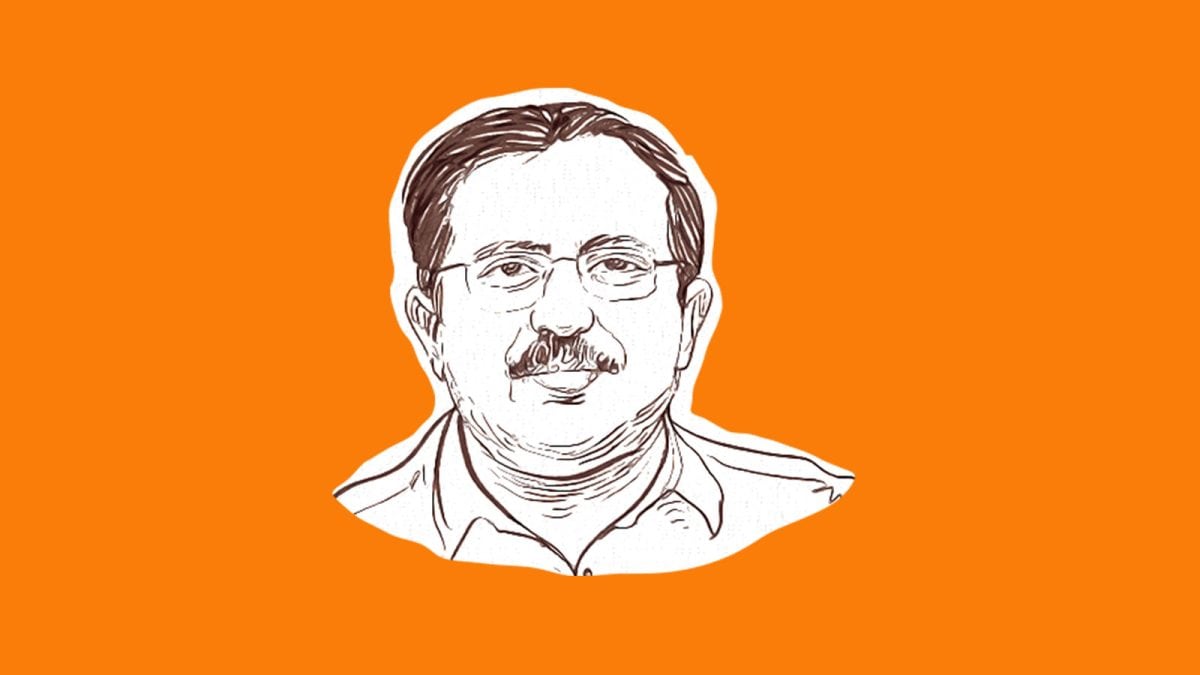
Humayun Kabir’s AJUP Sweeps Two Murshidabad Seats, Emerges as New Power Broker
The four-month-old party, founded after Kabir’s expulsion from Trinamool Congress, wins Rejinagar by a landslide and leads decisively in Nowda, reshaping West Bengal’s political landscape.
INDIA —
Key facts
- Aam Janata Unnayan Party (AJUP) founded on 22 December 2025 in Murshidabad.
- Humayun Kabir, former TMC minister, expelled in December 2025 after proposing a Babri Masjid-model mosque.
- Kabir wins Rejinagar with a lead of 77,236 votes over BJP’s Bapan Ghosh after nine rounds.
- Kabir leads in Nowda by 56,292 votes after the 12th round of counting.
- AJUP predicted to win at least four seats and act as a power broker in the 2026 assembly.
- Statewide trends show a historic performance for the BJP in West Bengal.
- Kabir frames victory as a rebuke to Mamata Banerjee’s government over minority discrimination.
A Decisive Mandate in Rejinagar and Nowda
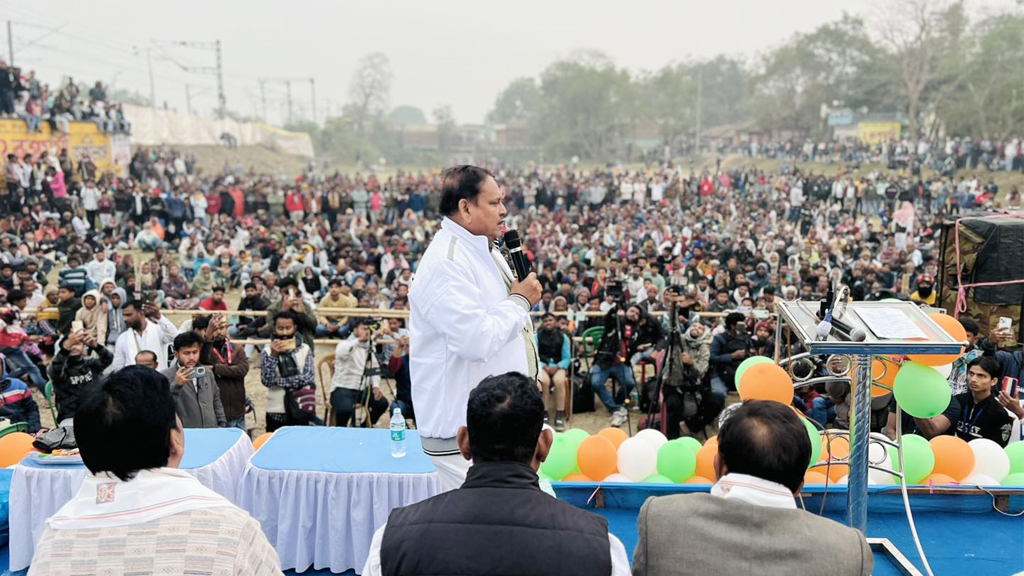
Humayun Kabir, chairman of the fledgling Aam Janata Unnayan Party (AJUP), has secured a commanding victory in the Rejinagar constituency, with Election Commission data showing an unassailable lead of 77,236 votes over his nearest rival, Bapan Ghosh of the Bharatiya Janata Party (BJP), after nine rounds of tabulation. Simultaneously, Kabir established a dominant lead in the Nowda constituency, where he surged ahead of his closest competitor by 56,292 votes following the 12th round of counting. The dual triumph, achieved just four months after AJUP’s formation, marks a stunning personal and political comeback for the former Trinamool Congress minister.
Expulsion and the Mosque Controversy
Kabir’s political trajectory took a sharp turn in December 2025 when the Trinamool Congress suspended him after he proposed constructing a mosque in Murshidabad modelled after the Babri Masjid. The proposal ignited a firestorm, leading to his expulsion from the party and prompting him to establish AJUP on 22 December 2025 in Murshidabad. In his victory statement, Kabir framed the election result as a direct response to his treatment by the TMC. “Grateful to the people of Murshidabad, who replied to the injustice meted out to me and the discrimination against minorities by the Mamata Banerjee government,” he told PTI Videos. “The win is more heartening as our party was founded only four months back after the treatment meted out to me by TMC supremo and her nephew.”
AJUP’s Platform and Grassroots Appeal
The Aam Janata Unnayan Party, whose name translates to “Common People’s Development Party,” has built its platform on public development, education, health, employment, minority rights protection, and corruption-free governance. The party’s manifesto emphasises quality education for all citizens, youth employment, transparent and justice-based governance, and sustainable development projects in rural infrastructure, healthcare, and environmental conservation. Kabir, whose political base is in Murshidabad’s minority-heavy constituencies, has successfully tapped into discontent with the ruling TMC, particularly among Muslim voters who feel marginalised. His strong performance in both Rejinagar and Nowda suggests that AJUP has carved out a significant foothold in the district, challenging the TMC’s traditional dominance.
Numbers That Reshape the Electoral Map
The margin of victory in Rejinagar—77,236 votes—is among the largest in the constituency’s history, dwarfing the performance of established parties. In Nowda, Kabir’s lead of 56,292 votes after the 12th round indicates a similar sweep. These figures are particularly striking given that AJUP was founded only four months before the 2026 assembly elections. Kabir had earlier forecast that his party would secure at least four seats and function as a critical power broker in the formation of the next state government. While statewide trends indicate a historic performance for the BJP, Kabir’s dual-seat momentum suggests that AJUP could indeed play a decisive role in a hung assembly scenario.
Wider Context: A Shifting Political Landscape in West Bengal
The 2026 West Bengal assembly elections have already produced surprises, with the BJP opening its account in Kerala with three seats and other regional shifts. In West Bengal, the TMC faces a resurgent BJP and now a new challenger in AJUP, which has proven it can win in minority-dominated areas that were once TMC strongholds. Mamata Banerjee, the TMC supremo and chief minister, has urged party agents to stay at counting centres, alleging vote halts across Bengal. The TMC’s grip on Murshidabad, a district with a large Muslim population, appears to be weakening, as Kabir’s AJUP capitalises on anti-incumbency and minority grievances.
Outlook: AJUP as a Potential Kingmaker
With Kabir’s victories in two constituencies and predictions of at least four seats, AJUP is positioning itself as a potential kingmaker in the formation of the next West Bengal government. If no single party secures a clear majority, Kabir’s party could hold the balance of power, giving him leverage to demand policy concessions on minority rights, development, and governance reforms. Kabir’s ability to translate his personal popularity into a broader party structure remains unproven, but the early results indicate that AJUP has successfully disrupted the bipolar contest between the TMC and BJP in Murshidabad. The coming days will reveal whether this is a flash in the pan or the beginning of a durable realignment in West Bengal politics.
A New Political Force Takes Shape
Humayun Kabir’s journey from TMC rebel to AJUP chief has been remarkably swift. His party, founded on a platform of development and minority rights, has already demonstrated electoral viability in one of West Bengal’s most politically sensitive districts. The AJUP’s success underscores the volatility of Indian state politics, where new formations can rapidly gain traction by tapping into local grievances and identity politics. For now, Kabir has achieved what few thought possible: turning a personal protest into a political movement with measurable power.
The bottom line
- Humayun Kabir’s AJUP won Rejinagar by 77,236 votes and leads Nowda by 56,292, just four months after its founding.
- Kabir was expelled from the TMC in December 2025 after proposing a Babri Masjid-model mosque in Murshidabad.
- AJUP’s platform focuses on development, minority rights, education, health, employment, and anti-corruption.
- The party aims to win at least four seats and act as a power broker in the 2026 West Bengal assembly.
- Statewide trends show a historic BJP performance, but AJUP’s success in Murshidabad signals a shift in minority voting patterns.
- Kabir’s victory is seen as a rebuke to Mamata Banerjee’s government over alleged minority discrimination.



Deadly Tornado Rips Through Texas Neighborhood as Severe Storms Lash South and Midwest

Delhi-NCR Braces for More Storms as Powerful Trough Brings Rain to Northwest India

Tamilaga Vettri Kazhagam Surges in Tamil Nadu Assembly Elections, Challenging Dravidian Dominance