US and Iran Near Deal to End War, Sources Say
A one-page memorandum proposes a framework for ending hostilities and resuming nuclear talks, but Tehran has yet to respond.

INDIA —
Key facts
- A one-page memorandum of understanding has been proposed between the US and Iran.
- The memo calls for Iran to halt nuclear enrichment and the US to lift sanctions.
- Billions in frozen Iranian funds could be released under the proposed deal.
- Both sides would lift restrictions on transit through the Strait of Hormuz.
- Negotiators expect Tehran's response within 48 hours.
- The proposed moratorium on uranium enrichment could last 12 to 15 years.
- The deal aims to end a three-month-long global ordeal.
A Diplomatic Breakthrough Looms
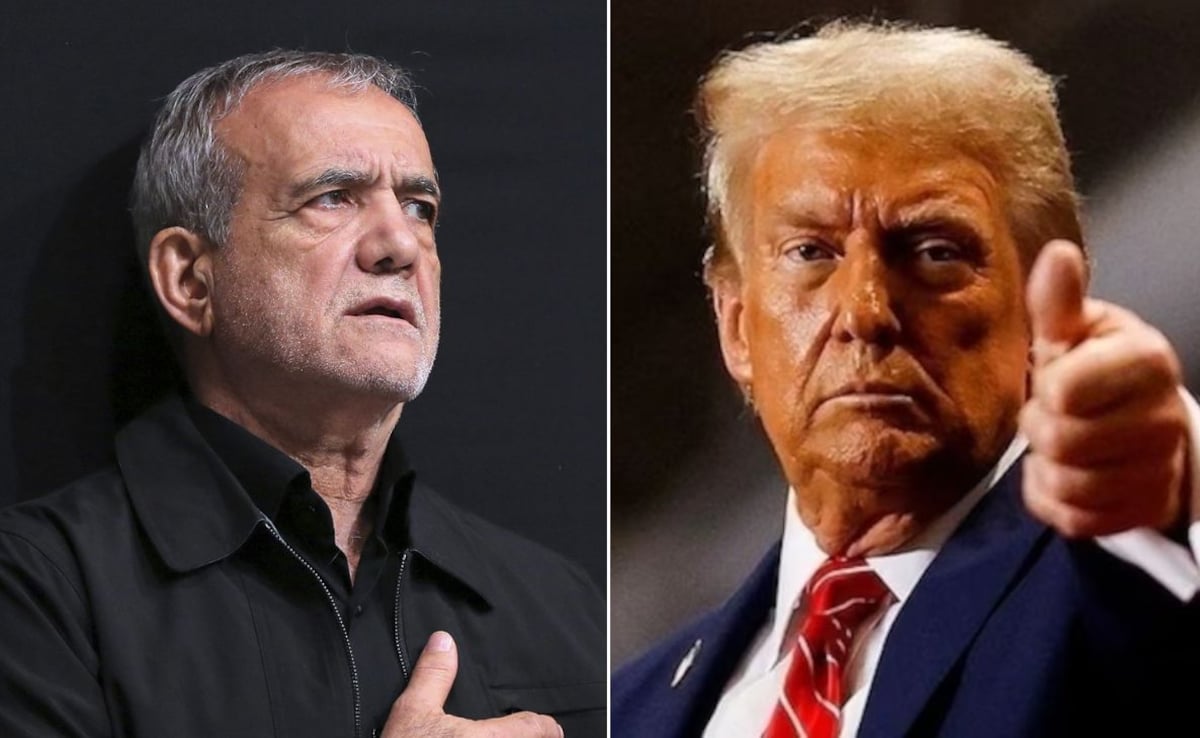
The United States and Iran are reportedly on the verge of an agreement that could end a three-month conflict, according to sources cited by news outlets. A one-page memorandum of understanding, designed as a framework for more detailed negotiations, has been put forward, potentially signaling a significant de-escalation in the Middle East. President Donald Trump has described a potential deal with Tehran as "very possible," though he also issued a stark warning of renewed military action should talks falter. This optimistic outlook from Washington comes as negotiators await Iran's response to the US proposal, a move that could bring an end to a protracted period of global tension. The proposal, if accepted, would mark the closest the two nations have come to resolving their differences since the conflict began, offering a path toward more comprehensive nuclear discussions.
Key Provisions of the Proposed Accord
At the heart of the proposed memorandum is a commitment from Iran to observe a moratorium on nuclear enrichment. In exchange, the United States would agree to lift its extensive sanctions and release billions of dollars in Iranian funds that have been frozen. Furthermore, the agreement outlines the lifting of restrictions on transit through the strategically vital Strait of Hormuz, a move that would ease maritime trade in the region. The memo also includes a provision for Iran to commit to never developing nuclear weapons or engaging in weaponization-related activities. Sources indicate that the duration of the uranium enrichment moratorium is a key point of discussion, with a potential landing spot between 12 and 15 years, a compromise from earlier demands of 20 years from the US and 5 years from Iran.
Iran's Stance and Negotiating Position
Iran has yet to formally respond to the US proposal, with its chief negotiator expressing caution, suggesting that Washington might be attempting to force the Islamic Republic's "surrender." However, the Iranian Foreign Minister, Abbas Araghchi, has stated that Tehran will only accept a "fair and comprehensive agreement." Despite weeks of Israeli and US aerial bombardments, Iran appears to maintain a strong diplomatic hand. The details of the one-page memo have largely been leaked from Washington and the negotiating partner, Pakistan, while Iran has remained conspicuously quiet. This measured approach from Tehran underscores its desire for a resolution that addresses its core concerns, even as the US pushes for stringent controls on its nuclear program and enhanced international inspections.
Framework for Future Negotiations
The memorandum is intentionally structured as a thin framework, rather than a definitive treaty, designed to pave the way for subsequent, more detailed negotiations. It proposes an immediate cessation of hostilities in the region, followed by a 30-day period dedicated to hammering out a comprehensive agreement. These crucial follow-up discussions are slated to potentially take place in either Islamabad or Geneva, according to two sources familiar with the matter. The brevity of the initial memo allows both sides to establish a common ground before delving into the complex specifics of their demands. Additional clauses reportedly under consideration include a stipulation that any Iranian violation of enrichment terms would extend the moratorium period. After the agreed timeline expires, Iran would reportedly be permitted to enrich uranium to a low level of 3.67 percent.
The Shadow of Sanctions and Frozen Assets
The potential lifting of US sanctions represents a significant economic incentive for Iran, which has endured years of stringent international financial pressure. The release of billions of dollars in frozen Iranian funds could provide a substantial boost to the nation's economy, offering tangible benefits from a diplomatic breakthrough. These sanctions have had a profound impact on Iran's economic landscape, limiting its trade and access to global financial markets. The prospect of their removal is a key factor in Tehran's consideration of any potential agreement. Beyond financial implications, the deal addresses broader security concerns, including the transit of goods through the Strait of Hormuz, a critical chokepoint for global oil supplies. Easing these restrictions could have positive ripple effects across international trade.
An Enhanced Inspection Regime
A critical component of the proposed accord involves Iran's commitment to an enhanced inspections regime. This includes provisions for "snap inspections" by United Nations inspectors, granting them unprecedented access to nuclear facilities. Furthermore, Iran would be required to commit to not operating underground nuclear facilities, a move aimed at ensuring transparency and preventing clandestine nuclear activities. This stringent oversight is a central demand from the international community, particularly the United States and its allies. The inclusion of these robust inspection measures is intended to provide verifiable assurances that Iran's nuclear program remains strictly peaceful and adheres to international standards.
The Path Forward: Uncertainty and Hope
With negotiators anticipating Tehran's response within the next 48 hours, the coming days are critical. The proposed one-page memorandum represents a delicate balance, offering a potential end to hostilities and a framework for future cooperation, yet it hinges on Iran's acceptance of significant concessions. President Trump's dual approach—signaling optimism while retaining the threat of force—reflects the high stakes involved. The outcome will not only determine the immediate future of US-Iran relations but also influence regional stability and the global non-proliferation landscape. Should Iran agree to the terms, it could usher in a new era of diplomacy, potentially resolving a long-standing international crisis. Conversely, a rejection could prolong the conflict and deepen the existing animosity, leaving the region in a state of continued uncertainty.
The bottom line
- A US-proposed one-page memorandum aims to end the current conflict with Iran.
- Key terms include Iran halting nuclear enrichment and the US lifting sanctions.
- Billions in frozen Iranian assets would be released as part of the deal.
- The Strait of Hormuz transit restrictions would be eased by both sides.
- A potential moratorium on uranium enrichment is being discussed for 12 to 15 years.
- Iran has yet to formally respond to the US proposal.
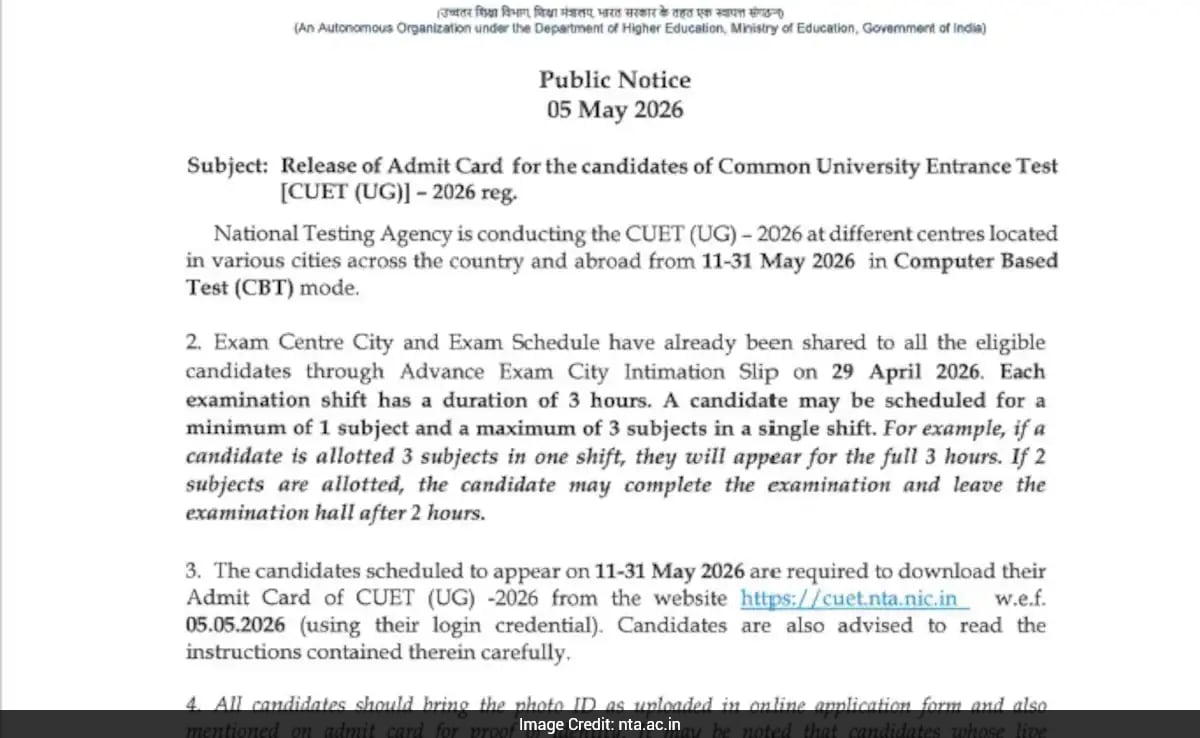
NTA Releases CUET UG 2026 Admit Card: Download from May 5, Exam Runs May 11–31
NEET UG 2026 Held Across 551 Cities in India and 14 Abroad as NTA Chief Assesses Arrangements

Trump Pauses Hormuz Operation as Diplomacy Advances; Iran Tightens Strait Rules