NEET 2026 Biology Paper: Lengthy Botany Section Tests Time Management as 23 Lakh Aspirants Compete
The exam, held on May 3, was rated moderate and slightly easier than last year, but its emphasis on discipline and consistency over difficulty reshaped the challenge for medical aspirants.

INDIA —
Key facts
- Over 23 lakh candidates appeared for NEET UG 2026 on May 3, 2026, from 2 pm to 5 pm.
- The Biology section was rated easy to moderate, with most questions directly from NCERT textbooks.
- Botany was notably lengthy, making time management crucial despite straightforward questions.
- Physics and Chemistry required strong conceptual understanding and precise calculations.
- Class 12 topics had higher weightage in Botany (55.1% of questions), while Class 11 dominated Zoology (56.1%).
- Ujjwal Singh, CEO of Infinity Learn by Sri Chaitanya, said success hinged on time management, consistency, and strong fundamentals.
A Balanced Paper with a Twist: Discipline Over Difficulty
The NEET UG 2026 examination, conducted by the National Testing Agency on May 3, was widely described by experts as a well-balanced paper that leaned slightly easier than last year. Yet its defining feature was not the difficulty level but the premium it placed on discipline, consistency, and efficient time management. With nearly 23 lakh candidates vying for medical seats, the exam reinforced why it remains one of India's most competitive entrance tests. Ujjwal Singh, founding CEO of Infinity Learn by Sri Chaitanya, summarized the shift: “What stands out is that success this year is not about tackling a tough paper, but about managing time, staying consistent, and having strong fundamentals. Students who built their preparation steadily and stayed close to NCERT concepts would have found themselves at a clear advantage.”
Subject-Wise Breakdown: Conceptual Physics and Chemistry, Lengthy Botany
Across subjects, the paper maintained a moderate level of difficulty. Physics demanded a sound conceptual understanding and precise application of equations, with minimal room for trial and error. Chemistry followed a similar pattern, mixing conceptual and application-based questions where accuracy, especially in numerical sections, played a key role. Biology, traditionally the most scoring section, remained largely accessible. Zoology was straightforward, allowing students to attempt questions with confidence. However, Botany introduced an unexpected challenge: while the questions themselves were not difficult, the section was notably lengthy, making time management decisive. Experts noted that the paper rewarded those who maintained a steady pace and avoided spending too much time on any one section.
NCERT Dominance and Class-Wise Weightage
A major highlight of the NEET 2026 Biology paper was its heavy reliance on NCERT textbooks. Most questions were directly from NCERT lines, diagrams, and examples, with only a few conceptual or application-based questions. This trend, consistent with the NEET 2025 paper, meant that students with strong NCERT preparation found the section highly manageable and scoring. Class-wise analysis revealed that Botany focused more on Class 12 topics, which accounted for 55.1% of the questions (27 out of 49), while Zoology leaned on Class 11, with 56.1% of its questions (23 out of 41) from the lower class. Overall, the Biology section comprised 49 questions, with Class 12 having a slightly higher total weightage.
Time Management as the Decisive Factor
The lengthy Botany section underscored the importance of time management, a theme that ran through the entire paper. Experts emphasized that NEET UG 2026 was not about solving tough questions but about solving them efficiently. Students who had built consistent preparation habits over time, rather than relying on last-minute revision, had a clear advantage. The paper rewarded discipline: those who stayed close to NCERT concepts and managed their time wisely were better positioned to maximize their scores. Ujjwal Singh noted that the exam tested discipline more than anything else, with success hinging on steady preparation and strong fundamentals rather than shortcuts or guesswork.
Implications for Medical Aspirants and Future Exams
The NEET 2026 results will likely reflect the emphasis on consistency and time management. Students who performed well in Biology, the most scoring section, will have a significant boost to their overall scores. The paper’s design suggests that the NTA is increasingly focusing on assessing students’ ability to work methodically under time pressure, rather than merely testing rote knowledge or extreme difficulty. For future aspirants, the key takeaway is clear: building a steady preparation routine, mastering NCERT concepts, and practicing time management are essential. The exam’s moderate difficulty level does not mean it is easy to ace; rather, it demands a disciplined approach that rewards consistent effort over last-minute cramming.
The bottom line
- NEET UG 2026 was moderate and slightly easier than last year, but placed a premium on time management and consistency.
- Biology remained the most scoring section, with most questions directly from NCERT; Botany was lengthy, testing time management.
- Physics and Chemistry required strong conceptual understanding and precise calculations, with minimal room for error.
- Class 12 topics dominated Botany, while Class 11 topics had higher weightage in Zoology.
- Ujjwal Singh emphasized that success came from discipline and strong fundamentals, not tackling a tough paper.
- The exam signals a shift toward assessing efficiency and steady preparation over sheer difficulty.





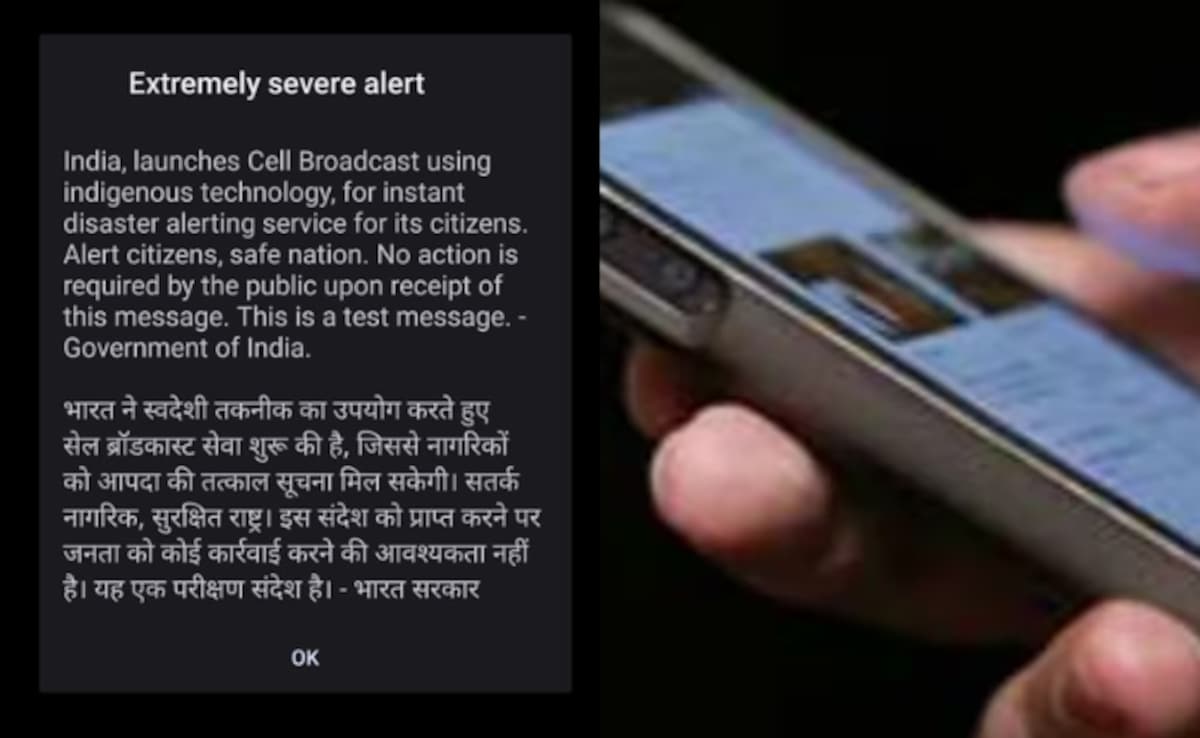
India Launches Nationwide Cell Broadcast Emergency Alert System with 'Extremely Severe' Test Message

India's Banks Shut on May 2 as Buddha Purnima Holiday Closes Branches Nationwide

Netflix’s ‘Glory’ Unravels a Boxing Family’s Dark Secrets in Haryana