Yawning Flushes Brain Fluid in Unexpected Direction, Study Finds
Real-time MRI scans reveal that yawning, unlike deep breathing, pushes cerebrospinal fluid away from the brain, hinting at a possible waste-clearing function.

INDIA —
Key facts
- Researchers at UNSW Sydney and NeuRA used MRI to scan 22 participants during yawns and deep breaths.
- Yawning triggered cerebrospinal fluid (CSF) to move away from the brain, opposite to the flow during deep breathing.
- Carotid arterial blood flow into the brain surges by about one-third during the initial stages of a yawn.
- Each participant had a unique, consistent yawning pattern, described as a 'fingerprint' by neuroscientist Adam Martinac.
- The effect on CSF was less pronounced in men, though the researchers caution scanner interference may be a factor.
- The study was published in Respiratory Physiology & Neurobiology.
- Professor Lynn Bilston led the research, which began as an exploratory MRI study on spinal cord malformations.
A Surprising Discovery in the MRI Scanner
A team of scientists at the University of New South Wales (UNSW) Sydney and Neuroscience Research Australia (NeuRA) have made an unexpected finding about yawning. Using real-time MRI scans of 22 healthy participants, they observed that yawning sends cerebrospinal fluid (CSF) away from the brain, the opposite direction of flow seen during deep breathing. “The yawn was triggering a movement of the CSF in the opposite direction than during a deep breath,” said Adam Martinac, a postdoctoral researcher and corresponding author of the paper. “And we’re just sitting there like, whoa, we definitely didn’t expect that.” The study, published in Respiratory Physiology & Neurobiology, challenges previous assumptions that yawning and deep breathing produce similar effects on brain fluid dynamics.
How the Study Was Conducted
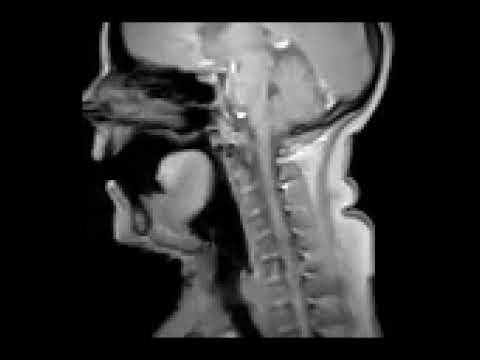
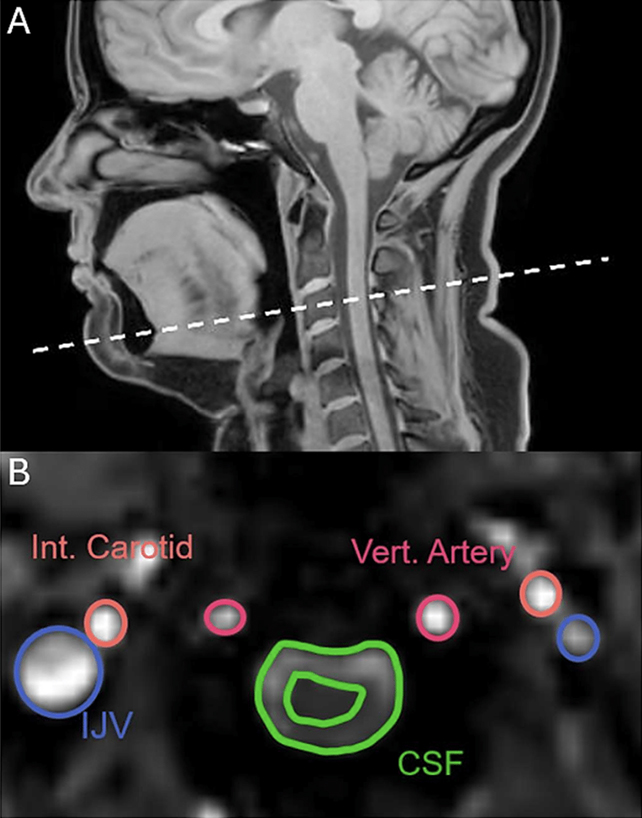
The research team used MRI to scan the heads and necks of participants while they were instructed to yawn, take deep breaths, stifle yawns, and breathe normally. The study was initially an exploratory investigation during scanning sessions for spinal cord malformations. “We had time during some of our scanning sessions to look at yawning, and then we saw something interesting and then turned it into a full study,” Martinac said. The unexpected results prompted a dedicated analysis of yawning’s effects on CSF and blood flow.
Key Differences Between Yawns and Deep Breaths
While both yawns and deep breaths increased the flow of blood leaving the brain, making room for fresh blood, the direction of CSF movement differed markedly. During deep breathing, CSF flowed into the skull; during yawning, it flowed out. Blood flow direction did not change with yawns, but carotid arterial blood flow into the brain surged by about a third during the initial stages. The researchers noted that the effect on CSF was not observed in every case and occurred less often in men, though they caution that interference from the MRI scanner itself may account for this difference. Additionally, each participant displayed a unique yawning pattern that remained consistent across multiple yawns, suggesting a central pattern generator unique to each individual.
Implications for Brain Health and Temperature Regulation
Cerebrospinal fluid cushions the brain and spinal cord, delivers nutrients, and removes waste. The finding that yawning pushes CSF away from the brain may indicate a role in clearing waste, particularly close to bedtime, who led the research. “Yawning remains very mysterious, even though it’s a primordial process that has been preserved throughout evolution,” Martinac said. “We know that crocodiles yawn, so we think dinosaurs also yawned. It’s unlikely that crocodiles and dinosaurs are yawning because of a social response, such as being bored by other crocodiles or dinosaurs! So there is likely something more fundamental going on.” The study also supports the hypothesis that yawning helps regulate brain temperature: slightly cooler blood enters the brain during a yawn, compensating for outflowing blood and CSF, which may prevent overheating.
Open Questions and Future Research
The researchers acknowledge that their findings are speculative and that the physiological function of yawning remains largely unknown. The next big question is what the CSF movement means for brain health and why yawns differ so substantially from deep breaths. “Nobody has really worked it out for certain,” Martinac said. “We also know that human fetuses yawn during that very early development stage, but overall the science of yawning is surprisingly understudied.” Thomas Kalincik, a neurologist and director of the Neuroimmunology Center at Royal Melbourne Hospital and University of Melbourne, who was not involved in the study, said the findings are interesting. Future research may explore links between yawning and ageing or neurodegenerative diseases, given CSF’s role in waste clearance.
The bottom line
- Yawning pushes cerebrospinal fluid away from the brain, opposite to deep breathing, as shown by real-time MRI scans of 22 participants.
- Carotid blood flow to the brain increases by about one-third during a yawn, potentially aiding temperature regulation.
- Each person has a unique, consistent yawning pattern, akin to a fingerprint, suggesting an individual central pattern generator.
- The study was published in Respiratory Physiology & Neurobiology by researchers at UNSW Sydney and NeuRA.
- The findings open new avenues for understanding yawning’s role in brain waste clearance and its possible links to neurodegenerative diseases.





India’s 8th Pay Commission Extends Deadline for Employee Demands to May 31

May's Flower Moon Rises Friday as a Micromoon, Followed by a Rare Blue Moon
Three-Point Percentage Decides Every Game in Rockets-Lakers Series as Houston Forces Game 6