Hantavirus Outbreak on MV Hondius Cruise Ship Sparks International Concern
A cluster of infections aboard a vessel bound for Spain highlights the growing threat of zoonotic diseases and climate change.

IRAQ —
Key facts
- The MV Hondius cruise ship experienced a hantavirus outbreak among its passengers.
- Spain agreed to allow the MV Hondius to anchor off the Canary Islands after initial refusal.
- The World Health Organization confirmed five suspected hantavirus cases on the ship.
- a significant increase in hantavirus cases for the 2025-2026 season.
- Argentina has recorded 101 confirmed hantavirus cases in the current season, nearly double the previous year.
- Experts link the rise in hantavirus cases in Argentina to climate change and increased human interaction with wildlife habitats.
Cruise Ship Diverted Amidst Hantavirus Scare
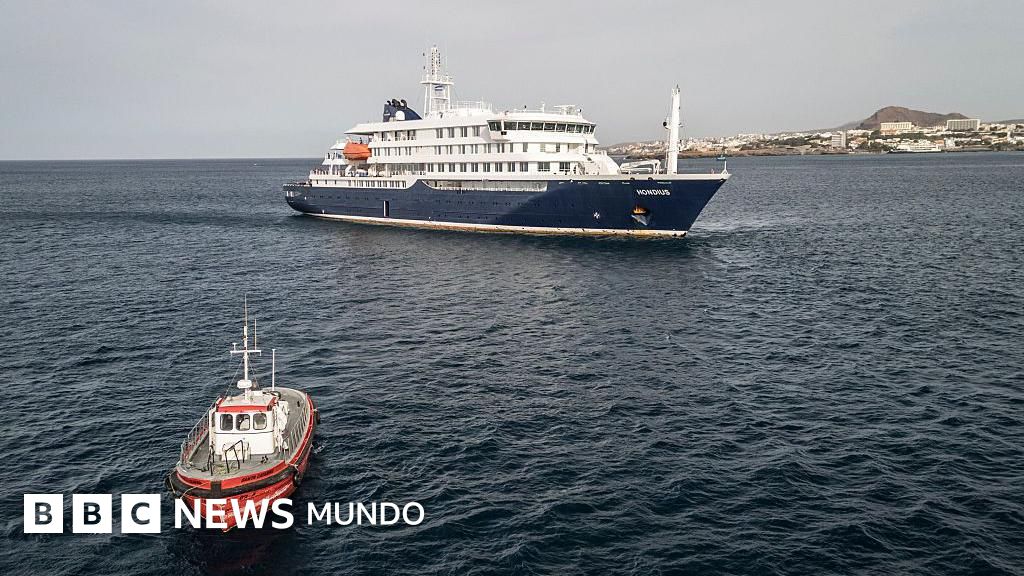
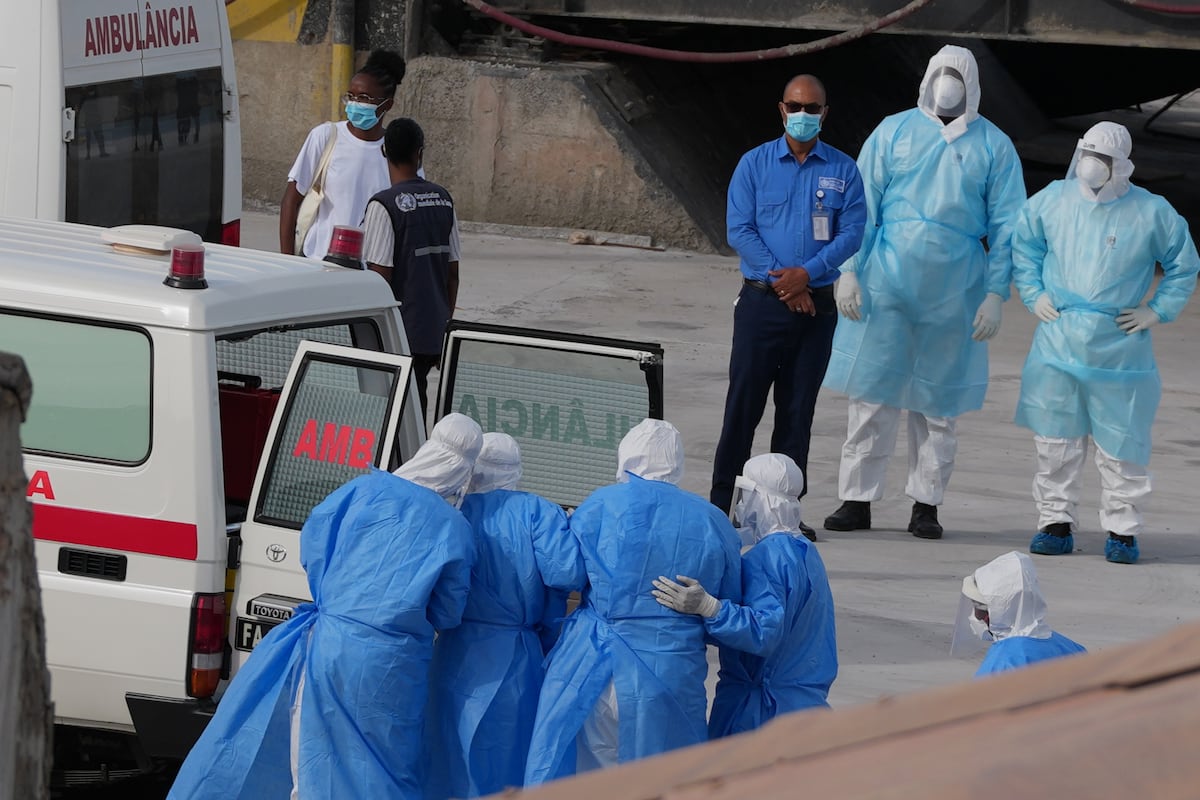
The MV Hondius cruise ship, grappling with a hantavirus outbreak, is now en route to Spain's Canary Islands. The vessel's journey took a dramatic turn after an initial rejection from Cabo Verde, where it had sought refuge. The situation underscores the complex international coordination required when infectious diseases emerge at sea. Spanish authorities, after initial hesitation, ultimately agreed to let the ship anchor off the coast. This decision, influenced by international health regulations and the presence of Spanish citizens among the passengers, highlights a moral and legal obligation to assist those affected. The World Health Organization has confirmed five cases of hantavirus aboard the ship, raising alarms about potential spread.
Spain's Calculated Decision to Allow Anchorage
The arrival of the MV Hondius in the Canary Islands was initially met with resistance. Fernando Clavijo, the president of the Canary Islands region, expressed strong reservations, deeming the ship a "very real" threat to the local population. However, a subsequent conversation with Spain's Minister of Health, Mónica García, led to a revised plan. The agreement stipulates that the ship will not dock but will instead anchor offshore. Passengers requiring evacuation will be transferred via tender boats. This measured approach aims to balance humanitarian concerns with public health safety. Ángel Víctor Torres, the minister of Territorial Policy, emphasized that Spain's decision was guided by the International Health Regulations, a binding statute.
WHO Confirms Cases, Urges International Cooperation
The World Health Organization has played a crucial role in monitoring and responding to the hantavirus cluster on the MV Hondius. Director-General Tedros Ghebreyesus confirmed that five out of eight suspected cases on the ship have been verified. He personally appealed to Spanish Prime Minister Pedro Sánchez to accept the vessel, commending Spain's "generosity, solidarity and the fulfillment of its moral duty." Despite the confirmed cases, the WHO has sought to allay fears of a wider pandemic, stating that this outbreak does not signal the beginning of a global health crisis. Nonetheless, the incident has prompted investigations into the travel history of affected passengers, including trips to Argentina, Chile, and Uruguay, to trace the origin of the infections.
Argentina Grapples with Rising Hantavirus Cases
Concurrently, Argentina is experiencing a significant surge in hantavirus infections, with the 2025-2026 season marking the highest number of cases and fatalities in recent years. 101 confirmed cases as of a recent bulletin, a stark increase from the 57 cases recorded during the same period last season. This upward trend has placed a considerable burden on public health resources. Experts are closely examining the factors contributing to this alarming rise. The prevailing scientific consensus points to a strong correlation with climate change. Extreme weather events, such as prolonged droughts followed by intense rainfall, are creating conditions conducive to the proliferation of rodent populations, the primary carriers of the virus.
Climate Change as a Driver of Zoonotic Disease
The intricate relationship between environmental shifts and disease emergence is becoming increasingly evident. Climate change, through phenomena like forest fires and altered precipitation patterns, is disrupting ecosystems and forcing wildlife, including rodents, to migrate to new areas. This displacement increases the likelihood of contact between infected animals and human populations. Roberto Debbag, a vice president of the Latin American Society of Vaccinology, explained that recent historical forest fires in Argentina have caused fauna to mobilize, leading to greater human exposure. Similarly, Raúl González Ittig, a genetics professor at the National University of Córdoba, noted that increased rainfall leads to greater food availability for rodents, boosting their populations and, consequently, the risk of virus transmission.
Broader Factors in Hantavirus Emergence
Beyond climate change, other environmental and societal factors are contributing to the increased incidence of hantavirus. The Ministry of Health in Argentina identifies the growing interaction between humans and wild environments as a key driver. This includes the destruction of natural habitats and the expansion of human settlements into rural areas previously inhabited by rodents. These evolving landscapes create new interfaces where zoonotic diseases can emerge and spread. The establishment of small urbanizations in rural zones, coupled with increased tourism in natural settings, further elevates the risk of human exposure to hantavirus reservoirs. Understanding these multifaceted drivers is crucial for developing effective prevention and control strategies.
Future Outlook and Preparedness
The hantavirus outbreaks on the MV Hondius and the escalating situation in Argentina serve as potent reminders of the persistent threat posed by zoonotic diseases. As climate change continues to reshape environments, the potential for similar events to occur globally remains high. International cooperation, robust public health surveillance, and a deeper understanding of the ecological factors driving disease transmission will be paramount. The response to the cruise ship incident, while ultimately resolved, exposed the challenges of managing health emergencies at sea and across borders. For Argentina, the current season's high case numbers necessitate intensified public health messaging and preventative measures. The long-term strategy will require addressing the root causes, including climate change mitigation and sustainable land-use planning, to curb the growing tide of hantavirus.
The bottom line
- A hantavirus outbreak on the MV Hondius cruise ship led to international diplomatic efforts to find a safe haven for passengers.
- Spain agreed to allow the ship to anchor off the Canary Islands, citing international health obligations.
- The WHO confirmed five hantavirus cases on the ship but stated it does not signal a pandemic.
- Argentina is facing its highest hantavirus season in years, with 101 cases reported.
- Experts attribute the rise in hantavirus cases in Argentina to climate change, which increases rodent populations and human exposure.
- Habitat destruction and increased human interaction with wildlife are also cited as contributing factors to hantavirus emergence.


Hantavirus Outbreak on MV Hondius Linked to Argentina; Passengers Dispersed

الخزانة الأمريكية تفرض عقوبات على مسؤول نفطي عراقي بارز