Japan's NHK ONE Service Hits 3.6 Million Users in Six Months, Pushes Deeper On-Demand Integration
The public broadcaster's streaming platform faces a critical juncture as it seeks to balance subscription revenue with its public mandate amid growing competition.

JAPAN —
Key facts
- NHK ONE launched six months ago as a free streaming service.
- The service has accumulated over 3.6 million views since launch.
- NHK plans to strengthen integration with its existing NHK On-Demand paid service.
- A press release from NHK detailed the current status and future collaboration plans.
- The service has been criticized for underperformance, with some calling for free access to archives funded by license fees.
- NHK ONE is currently streaming special programs like 'Hot News Hokkaido' until May 8.
- The service's launch cost approximately 65 billion yen in on-demand revenue protection.
A Rocky Start for Japan's Public Broadcaster Streaming Ambitions
Six months after its launch, NHK ONE, the public broadcaster's free streaming platform, has recorded over 3.6 million views, a figure that falls short of initial expectations and has sparked debate over the future of the service. The platform, which was intended to expand NHK's digital reach, now faces pressure to justify its existence amid criticism that it is cannibalizing the paid NHK On-Demand service. NHK has announced plans to deepen the integration between NHK ONE and NHK On-Demand, a move that analysts say could either revitalize the platform or further confuse users. The broadcaster's press release emphasized that the collaboration aims to 'strengthen the connection' between the two services, but did not provide specific metrics for success.
The Numbers Behind the Service: 3.6 Million Views and a 65 Billion Yen Question
The 3.6 million views figure, while substantial, represents a fraction of Japan's 120 million population and pales in comparison to the reach of NHK's traditional broadcasts. Critics have pointed out that the service has not achieved the rapid growth needed to justify its development costs, which are estimated to have been covered by a 65 billion yen annual revenue from NHK On-Demand. NHK's press release highlighted that the service has been particularly popular for regional news and special programs, such as the 'Hot News Hokkaido' series, which is currently streaming until May 8. The broadcaster also noted that NHK ONE has been used to distribute content related to the Golden Week holidays, including features on Children's Day traditions.
The Integration Strategy: Balancing Free Access with Subscription Revenue
NHK's plan to integrate NHK ONE with NHK On-Demand is seen as a delicate balancing act. The free service was initially launched to attract younger viewers who are less likely to pay for content, but it has also drawn away subscribers from the paid service. A senior official at NHK stated that the integration would 'create a seamless experience' for users, allowing them to access both free and paid content through a single interface. However, industry observers warn that the move could alienate existing On-Demand subscribers who pay for ad-free access to a vast library of programs. The broadcaster has not disclosed how the integration will affect pricing or content availability, leaving many questions unanswered.
Public and Political Pressure: Calls for Free Archives and License Fee Reform
The underwhelming performance of NHK ONE has reignited debate over the broadcaster's funding model, which relies on mandatory license fees paid by every household with a television. Some critics argue that NHK should make its entire archive available for free, funded by the license fee, rather than charging for On-Demand access. 'The 65 billion yen in on-demand revenue is a drop in the bucket compared to the license fee income,' said one media analyst. 'If NHK wants to fulfill its public service mandate, it should open up its archives.' Others contend that the license fee system itself is outdated, especially as younger generations consume content primarily online. The Japanese government has been reviewing NHK's operations, and the performance of NHK ONE could influence future regulatory decisions.
What Comes Next: NHK ONE's Role in a Changing Media Landscape
As NHK moves forward with its integration plans, the broadcaster faces the challenge of defining NHK ONE's role in an increasingly crowded streaming market. With global giants like Netflix and Amazon Prime Video dominating the landscape, and domestic competitors like TVer gaining traction, NHK ONE must differentiate itself through unique content and public service value. The service's focus on regional news and cultural programming, such as the Children's Day features on koinobori (carp streamers) and samurai armor displays, could be a key selling point. NHK has also used NHK ONE to stream special interviews, such as the recent conversation with the figure skating duo 'Rikuryu' after their retirement announcement. Whether these offerings are enough to sustain growth remains to be seen.
The Broader Implications: A Test Case for Public Broadcasting in the Digital Age
The trajectory of NHK ONE is being watched closely by public broadcasters worldwide, many of which are grappling with similar challenges. The BBC's iPlayer and Germany's ARD Mediathek have also struggled to balance free access with subscription models, and NHK's experience could offer valuable lessons. Ultimately, the success of NHK ONE will depend on whether the broadcaster can convince the public that it provides value beyond what commercial services offer. With the integration of NHK On-Demand, NHK has an opportunity to create a unified platform that leverages its unique strengths—comprehensive news coverage, educational content, and cultural programming. But if the service continues to underperform, it may face calls for a fundamental overhaul of Japan's public broadcasting system.
The bottom line
- NHK ONE has recorded 3.6 million views in its first six months, below expectations.
- The service is being integrated with NHK On-Demand to streamline access and reduce cannibalization.
- Critics argue NHK should free its archive using license fee revenue instead of charging for On-Demand.
- The platform's regional and cultural content, like Children's Day features, may be its strongest asset.
- NHK's experience offers lessons for other public broadcasters navigating digital transition.
- The future of NHK ONE could influence Japan's license fee system and public broadcasting policy.


スプラトゥーン3、2026年も大型アップデートとイベントラッシュ:新システム「イカフロー状態」実装へ
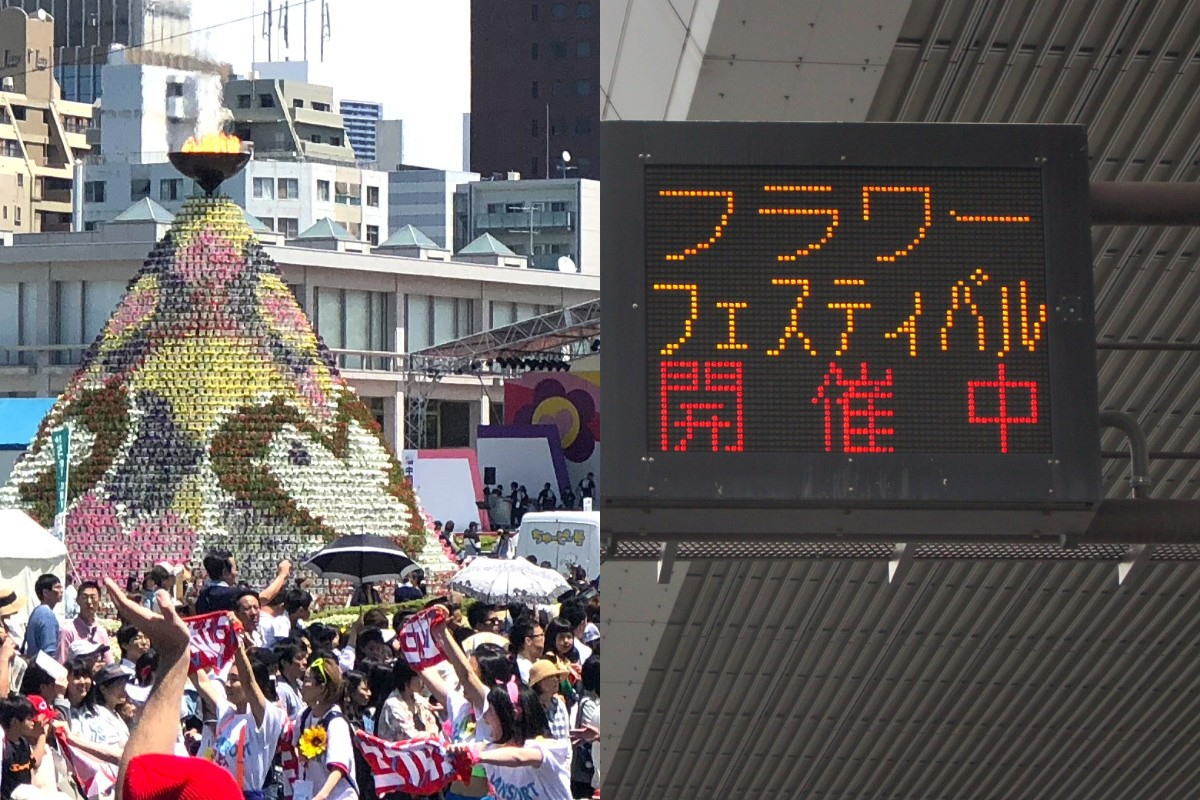
新浜レオンと村上信五、2026年ひろしまフラワーフェスティバルに出演決定

FOD launches aggressive spring offensive with exclusive dramas, F1 live rights, and a three-tier pricing model