Royal Navy Clinch Back-to-Back Inter Services Title as UK Military Faces Equipment and Justice Challenges
A weekend of triumph on the rugby pitch contrasts with unresolved issues over women's body armour, hearing loss compensation, and veterans' concerns about the Troubles Bill.

KENYA —
Key facts
- Royal Navy beat Army 36-41 at Allianz Stadium to win Inter Services title, first back-to-back since 1974.
- NP Aerospace manufacturing 2,000 sets of women's body armour for Ukraine; British servicewomen still await their own.
- Stephen Hambridge awarded £500,000 for noise-induced hearing loss and tinnitus from 2012 service.
- British Army women faced Canada U20s in Aldershot as part of efforts to elevate their rugby game.
- Northern Ireland veterans met officials at 10 Downing Street to discuss controversial Troubles Bill.
- Russia's GUGI submarines conduct deep-sea espionage operations, described as 'Special Forces of the sea'.
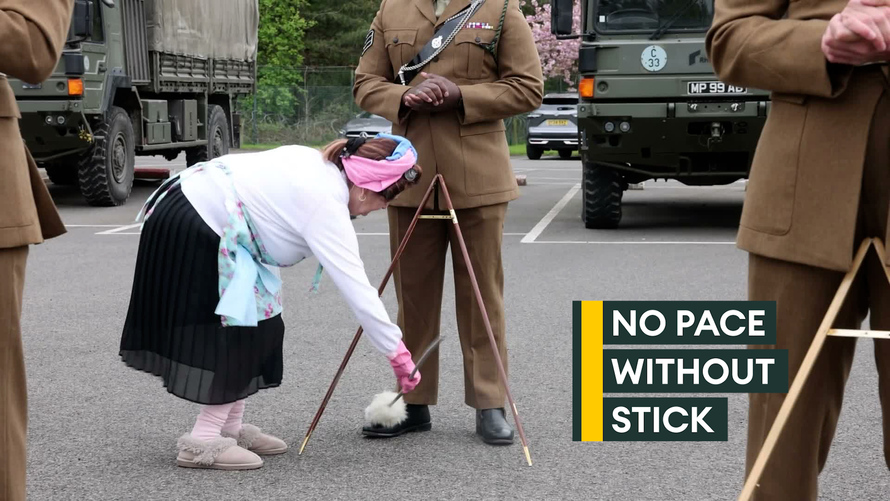
- Pace-sticking competition held in Catterick showcases precision drill art.
Rugby Victory and Military Pride
The Royal Navy defeated the Army 36-41 at Allianz Stadium, securing the Inter Services title for the second consecutive year — a feat not achieved since 1974. The back-to-back win underscores the Navy's dominance in military rugby, a rare bright spot amid broader challenges facing the UK armed forces. The victory came as the British Army women's team faced Canada U20s in Aldershot, a new challenge designed to push the Inter Service champions to a higher level. The match reflects a broader push within the military to elevate competitive sports as a tool for morale and readiness.
Women's Body Armour: Ukraine Gets It, British Troops Wait
NP Aerospace, a Coventry-based manufacturer, is producing 2,000 sets of women's body armour purchased by the Ministry of Defence for shipment to Ukraine. The armour is designed to offer better fit and comfort for female soldiers, addressing long-standing complaints about ill-fitting equipment. However, the question of when British servicewomen will receive similar protection remains unanswered. The MOD has not announced a timeline for domestic distribution, raising concerns about gender equity in military gear. The disparity highlights a persistent gap between the UK's commitment to allied support and the needs of its own personnel.
Hearing Loss Compensation: A Landmark Award
Stephen Hambridge, a former British Army soldier, was awarded £500,000 after being diagnosed with noise-induced hearing loss and tinnitus during his service in 2012. The condition led to a permanent medical downgrade and ultimately ended his military career. Hambridge's case has been described as offering 'light at the end of the tunnel' for personnel and veterans suffering similar injuries. The award sets a precedent for compensation claims, though advocates argue that many others remain without adequate redress.
Veterans Confront Troubles Bill at Downing Street
Northern Ireland veterans met with officials at 10 Downing Street to voice concerns over the controversial Troubles Bill. The legislation, which aims to address legacy issues from the conflict, has drawn criticism from former service personnel who fear it could lead to unfair prosecutions. The talks were described as 'open and frank' by attendees, but no immediate resolution was announced. The meeting underscores the ongoing tension between the government's efforts to draw a line under the past and veterans' demands for legal protection.
Russia's Shadowy GUGI Submarines: Espionage Beneath the Waves
Russia's GUGI submarines, described as the country's 'Special Forces of the sea,' are capable of conducting extreme deep-sea operations. These vessels operate in the shadows, often engaging in espionage missions that evade traditional surveillance. The revelation of their capabilities adds a new dimension to NATO's maritime security concerns. While the UK's own submarine fleet remains a cornerstone of its nuclear deterrent, the asymmetric threat posed by GUGI vessels requires constant vigilance.
The Art of Pace-Sticking: Precision in Parade Grounds
The pace-sticking competition held in Catterick showcased the precise art of using a pace-stick as an aid to drill. From the soles of parade boots to unofficial skits, the event highlighted the meticulous standards expected of British military ceremonial practices. Though seemingly a niche tradition, pace-sticking embodies the discipline and attention to detail that underpin military culture. The competition serves as a reminder that even the smallest skills are honed to perfection.
Outlook: A Military at a Crossroads
The Royal Navy's rugby triumph offers a moment of celebration, but the armed forces face multiple unresolved issues: equipment gaps, compensation claims, legislative battles, and evolving threats. The contrast between the pitch and the parade ground — and the deeper challenges beneath — paints a picture of an institution striving to balance tradition with modernity. As the MOD navigates these pressures, the outcomes will shape not only the morale of service personnel but also the UK's military readiness in an increasingly complex global environment.
The bottom line
- Royal Navy's back-to-back Inter Services rugby win is a morale boost but contrasts with unresolved equipment and justice issues.
- Women's body armour for Ukraine highlights a gap in provision for British servicewomen.
- Stephen Hambridge's £500,000 award sets a precedent for hearing loss compensation claims.
- Northern Ireland veterans remain uneasy about the Troubles Bill despite Downing Street talks.
- Russia's GUGI submarines pose a persistent undersea espionage threat to NATO.
- Pace-sticking competition underscores the military's commitment to precision and tradition.






Kenya Braces for Intensified Long Rains as Flood Death Toll Reaches 66

US Embassy Warns Americans in UK to Avoid Schools and Churches as Threat Level Rises to 'Severe'

Dinamo Zagreb Sweeps All Monthly Awards After Clinching Croatian Title