Hantavirus Outbreak on MV Hondius Sparks Global Tracing Effort
Passengers who disembarked before the hantavirus outbreak was confirmed are being sought across multiple continents.
KENYA —
Key facts
- Three passengers have died from hantavirus on or after travelling on the MV Hondius.
- Eight cases, three confirmed and five suspected, have been identified among those on the ship.
- At least 29 passengers from 12 countries disembarked before the outbreak was known.
- The Andes strain of hantavirus, known for human-to-human transmission, is responsible.
- The MV Hondius is en route to the Canary Islands for passengers to disembark.
- Health authorities began contacting disembarked passengers on Saint Helena on May 4, 2026.
- Human-to-human transmission of the Andes strain requires close, prolonged contact with bodily fluids.
Global Hunt Underway for Exposed Cruise Passengers
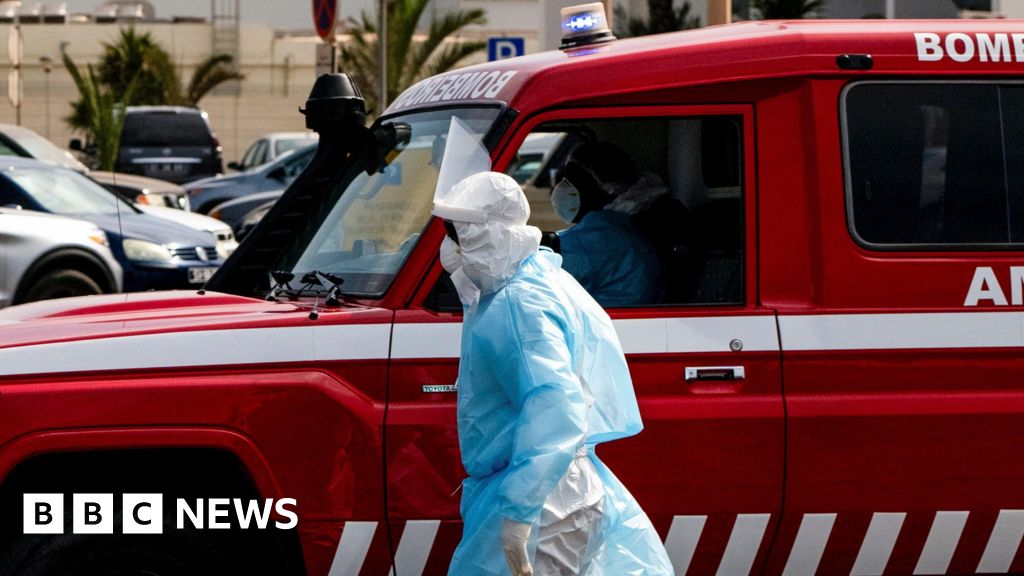
A hantavirus outbreak aboard the MV Hondius has triggered an urgent global effort to trace passengers who may have been exposed to the deadly virus before the extent of the contagion was understood. The ship, which set sail from Argentina a month ago, has seen three passengers die and four others medically evacuated for treatment. As the vessel makes its way to the Canary Islands, where remaining passengers will disembark, health authorities are racing against time to locate individuals who have already flown home to numerous countries, including the UK, South Africa, the Netherlands, the US, and Switzerland. The situation is being treated with extreme seriousness by international health bodies, though experts emphasize the risk to the general public remains low. Unlike highly contagious diseases like measles, the specific Andes strain of hantavirus involved does not spread easily. While human-to-human transmission is possible, it requires close and prolonged contact, a scenario that health officials believe may have occurred in the ship's confined environment. This unfolding crisis highlights the challenges of managing infectious disease outbreaks on international voyages, where passengers disperse rapidly across borders before symptoms may even appear. The focus now is on swift contact tracing and public health messaging to mitigate any potential secondary spread.
Timeline of Discovery and Disembarkation
The timeline of the outbreak's discovery and subsequent passenger disembarkation is critical to understanding the scale of the tracing operation. The first death on board occurred approximately a month after the ship departed Argentina. However, confirmation of the hantavirus outbreak and its specific strain, the Andes virus, came later. Crucially, at least 29 passengers from 12 different countries had already left the MV Hondius and returned home before officials were aware of the contagion. These disembarkations occurred at various points, including on April 21, 2026, from Saint Helena, where 23 passengers left the ship. According to one passenger still aboard, who requested anonymity, contact tracing for this group did not begin until three days prior to May 7, 2026, meaning some individuals had been home for over two weeks, resuming normal life, without any health advisories. The World Health Organization (WHO) confirmed on May 6, 2026, that the outbreak was caused by the Andes virus, the only known strain capable of person-to-person transmission. By May 7, 2026, the number of confirmed cases had risen to five, with an additional three suspected cases among passengers and crew. This delayed notification to passengers who had already departed presented a significant challenge for public health officials.
The Andes Strain: A Unique Hantavirus Threat
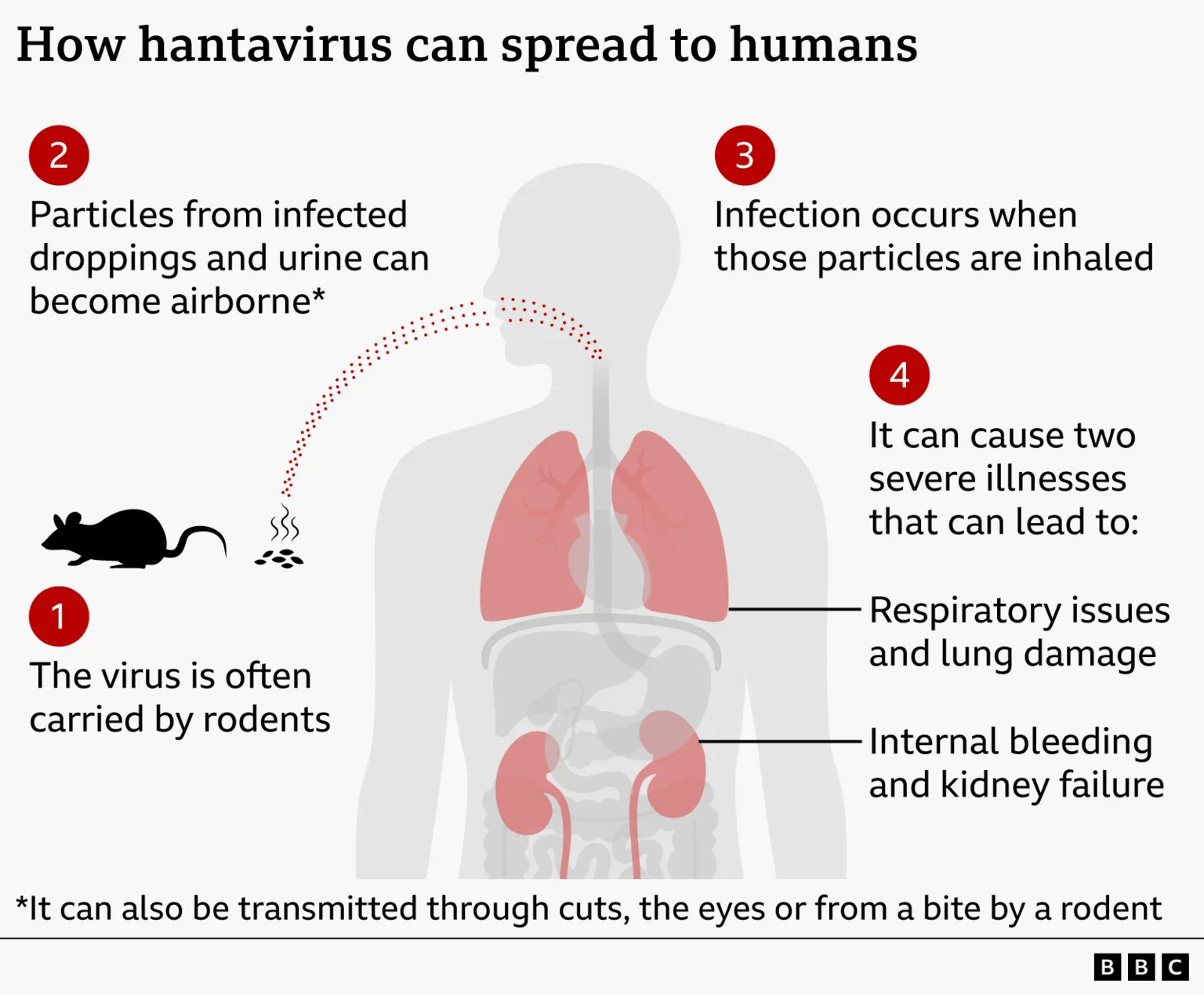
The hantavirus outbreak on the MV Hondius is caused by the Andes virus (ANDV), a strain that distinguishes itself from many others in its family due to its capacity for human-to-human transmission. Hantaviruses are a diverse group, with at least 38 recognized species, 24 of which can cause illness in humans. Typically, hantaviruses are transmitted to people through contact with the urine, droppings, or saliva of infected rodents, often via aerosolized particles. However, the Andes strain can spread directly between people. Health experts believe this transmission on the MV Hondius likely occurred through close, prolonged contact involving bodily fluids. While the risk of widespread global infection remains low, the potential for localized human-to-human spread necessitates careful monitoring and swift public health interventions. Dr. Maria Van Kerkhove from the WHO has stressed that this is not comparable to pandemics like COVID-19 or influenza, emphasizing the different modes of transmission. The Andes strain requires a level of sustained proximity that is less common in general public interactions, though it can occur in shared living spaces like cruise ship cabins and dining areas.
Tracing and Quarantine Measures
The global health community is coordinating a vast tracing operation to identify and monitor individuals who may have been exposed. Passengers who disembarked on April 21, 2026, from Saint Helena, and others who left the ship before the outbreak was confirmed, are being contacted. The WHO began this outreach on May 4, 2026, a delay that has raised concerns among some passengers. Upon arrival at the Granadilla port in Tenerife, Canary Islands, scheduled for May 11, 2026, passengers will face varying protocols. Spanish citizens and those exhibiting symptoms will be quarantined. International passengers without symptoms will be permitted to return to their home countries, where they will likely be subject to further monitoring or advisories depending on local public health guidelines. One passenger who traveled on an earlier leg of the ship's journey returned to Switzerland and was subsequently hospitalized with a hantavirus strain, marking the first known case of illness after a passenger had returned to the mainland. This underscores the importance of the ongoing tracing efforts and the potential for the virus to travel across continents.
Origins and Potential for Spread
The precise origin of the hantavirus infection on the MV Hondius remains under investigation, but health officials are exploring potential exposure routes before passengers boarded the vessel. Argentine officials have suggested a possible link to a bird-watching outing that took a deceased Dutch couple to a landfill. It is theorized that they may have encountered rodents carrying the virus in this environment prior to their cruise. Once aboard the ship, the Andes strain's ability to transmit between humans became a significant concern. The close quarters of a cruise ship, with shared cabins, dining areas, and common spaces, can facilitate the prolonged, close physical proximity required for transmission through bodily fluids. This factor, combined with the incubation period of up to six weeks for the Andes variant, means that more cases could potentially emerge even after passengers have returned home. While the WHO maintains that the global risk is low, the international nature of the passenger manifest means that potential secondary cases could arise in countries across the world. The ongoing monitoring and tracing efforts are crucial to containing any further spread of this serious infectious disease.
Scientific Response and Future Outlook
In response to the growing concern over hantavirus, an international team of scientists is reportedly working to develop a vaccine against the virus. This scientific endeavor signifies a proactive approach to combating future outbreaks, although a vaccine is unlikely to be available for the current situation. The immediate focus remains on managing the ongoing outbreak, ensuring the safety of remaining passengers and crew, and meticulously tracing those who have already disembarked. The WHO's role in coordinating international health responses is paramount, providing guidance and facilitating communication between affected nations. The incident serves as a stark reminder of the interconnectedness of global health and the potential for infectious diseases to emerge and spread in unexpected ways, even in the modern era of travel. The successful containment of this outbreak will depend on the continued diligence of health authorities worldwide and the cooperation of individuals who may have been exposed.
The bottom line
- Three deaths have been confirmed among passengers on the MV Hondius due to hantavirus.
- The outbreak involves the Andes strain, which is known to transmit between humans.
- At least 29 passengers had already returned to their home countries before the outbreak was officially confirmed.
- An extensive global tracing operation is underway to locate and monitor potentially exposed individuals.
- The MV Hondius is expected to dock in the Canary Islands, where remaining passengers will disembark under health protocols.
- While human-to-human transmission is possible, health experts state the overall risk to the general public remains low.


Kenya's Public Service Commission Opens 770+ Jobs Amid Warning on Fake Documents
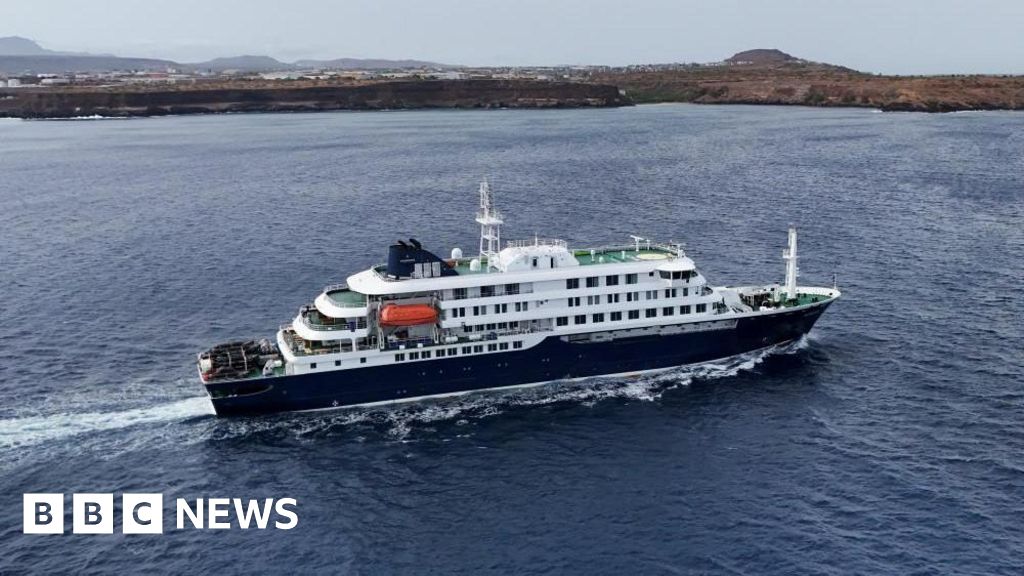
Hantavirus Outbreak on Cruise Ship Sparks Global Health Alert
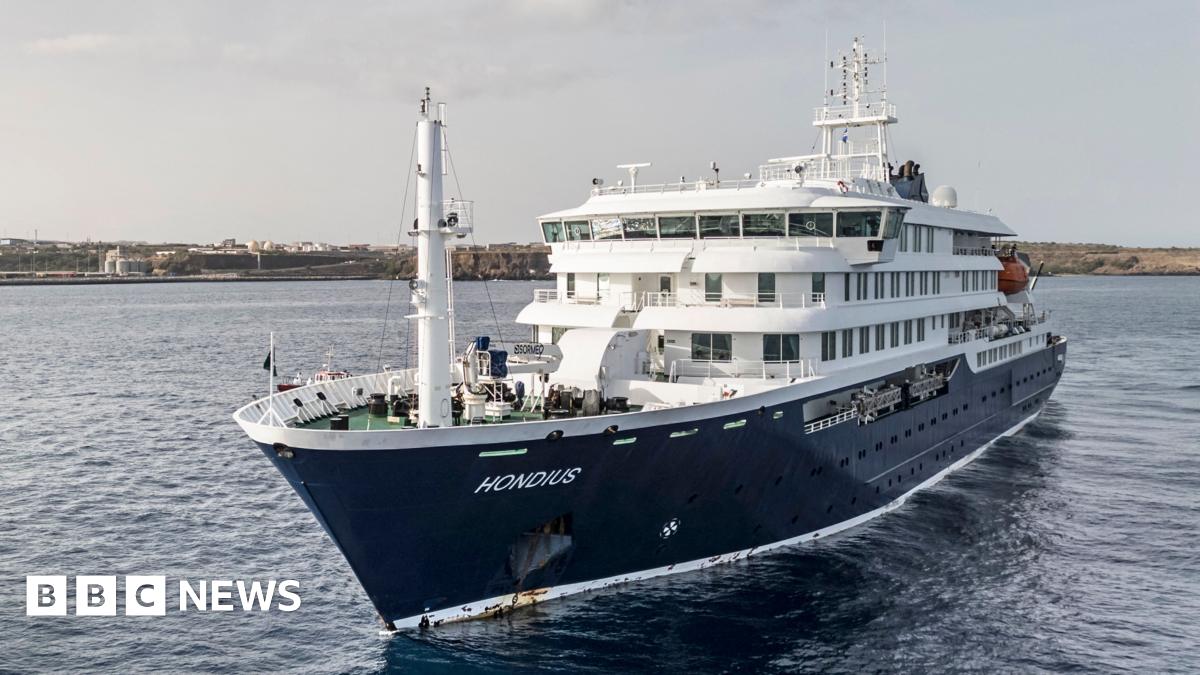
Hantavirus Outbreak Prompts Cruise Ship Evacuations, Canary Islands Docking Debate