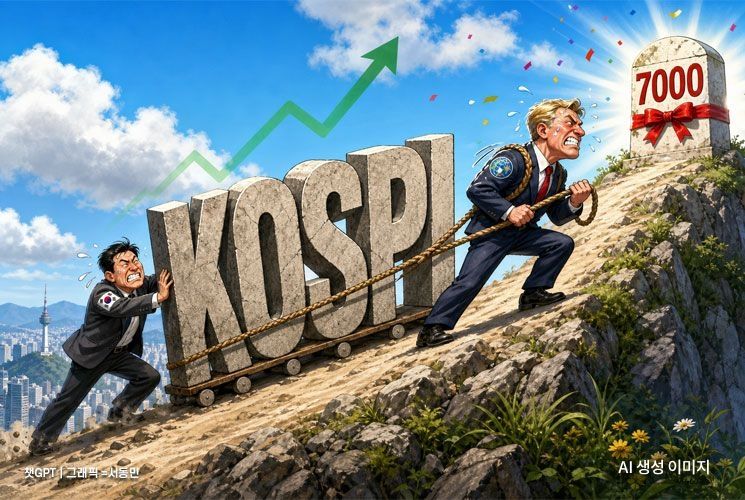
KOSPI Breaches 7,000 as Semiconductor Rally and Retail Liquidity Fuel Historic Milestone
South Korea's benchmark index surged past 7,000 for the first time, driven by record semiconductor earnings and a flood of individual investor cash via ETFs, while foreign buyers returned in force.
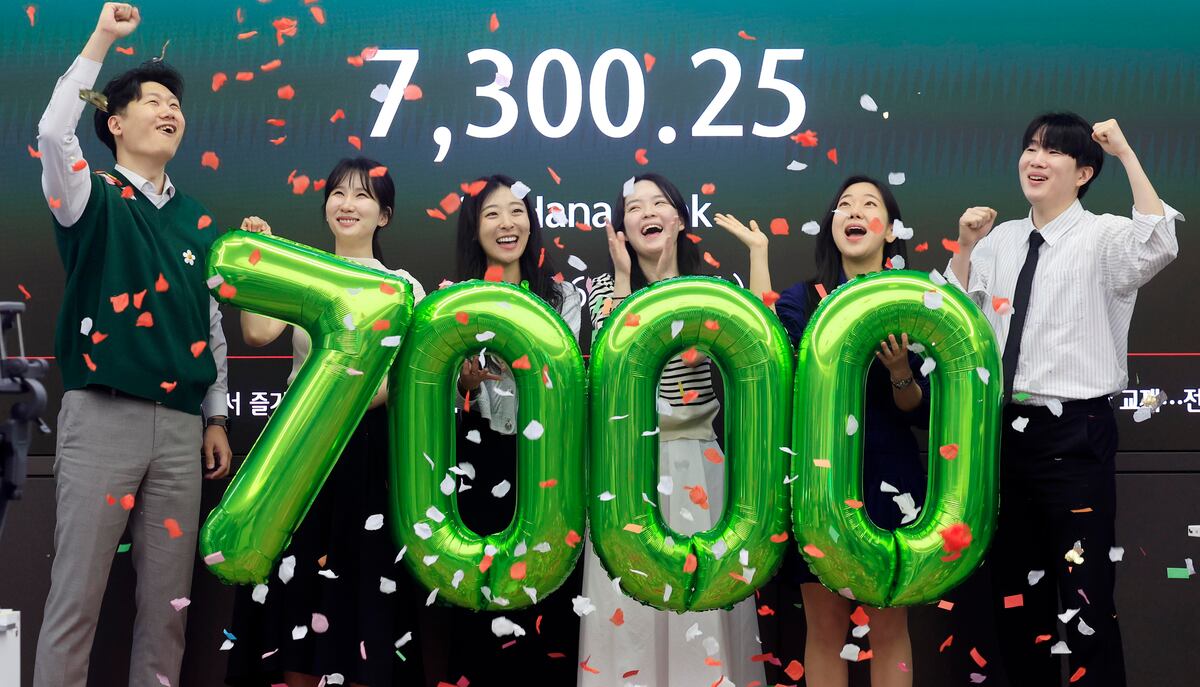
SOUTH KOREA —
Key facts
- KOSPI closed above 7,000 on May 6, 2026, after a historic rally.
- Individual investors net purchased KRW 16.8853 trillion in KOSPI stocks since January.
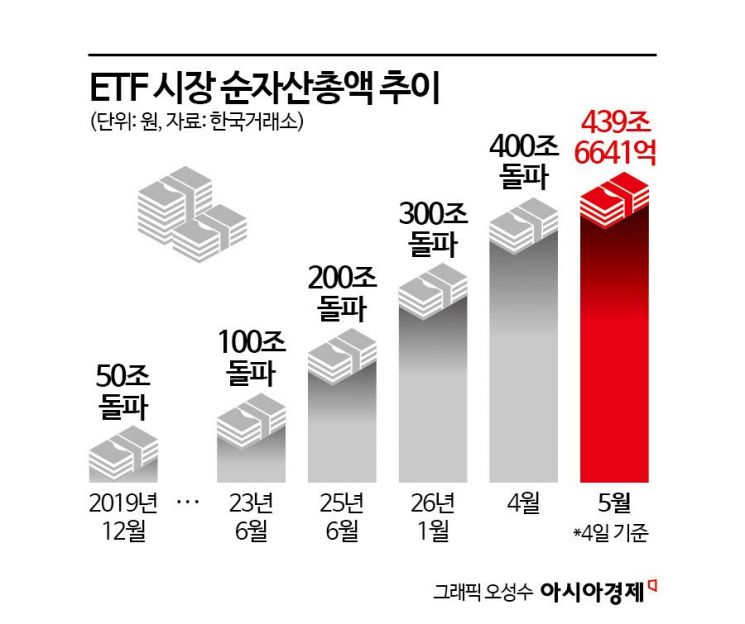
- ETF net asset value surpassed KRW 400 trillion, up KRW 100 trillion in three months.
- Foreign investors net bought KRW 4.8424 trillion in April, after heavy selling earlier.
- Samsung and SK Hynix hit record highs on AI-driven chip demand.
- Warren Buffett warned of 'gambling psychology' among retail traders.
A Record Breach Fueled by Semiconductor Giants and Retail Resilience
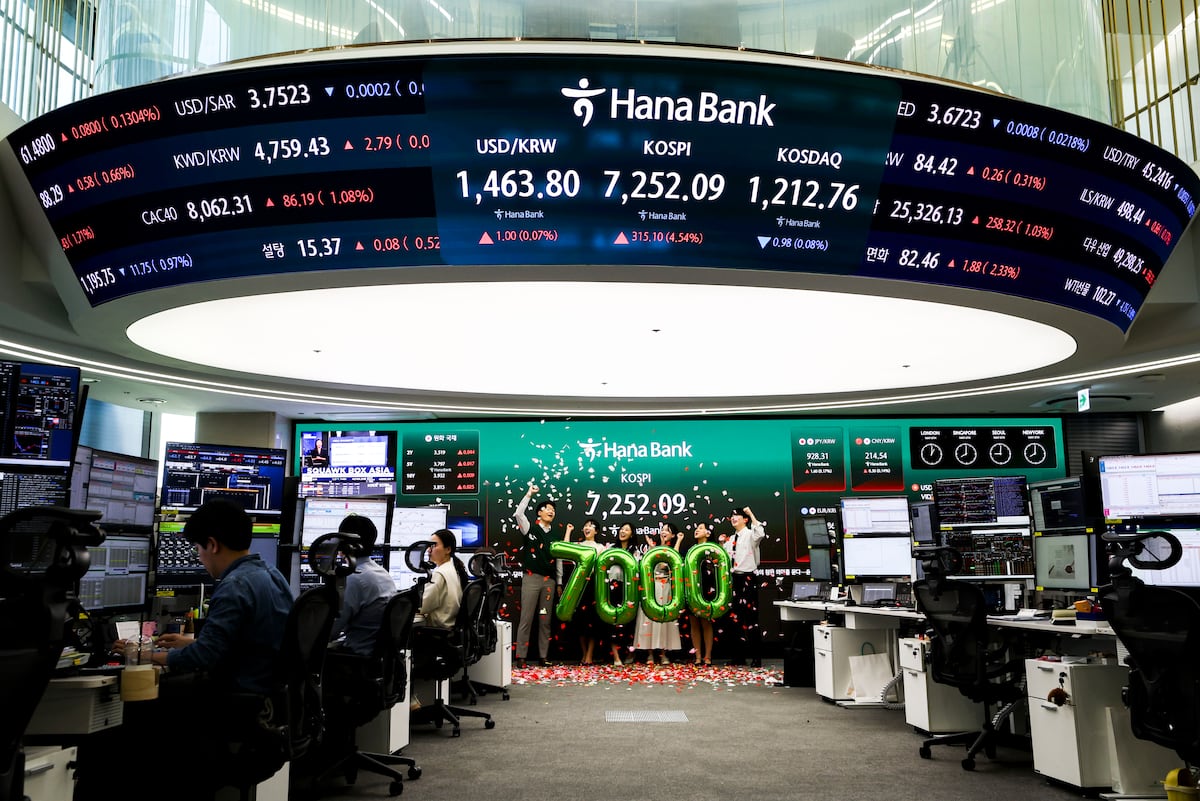
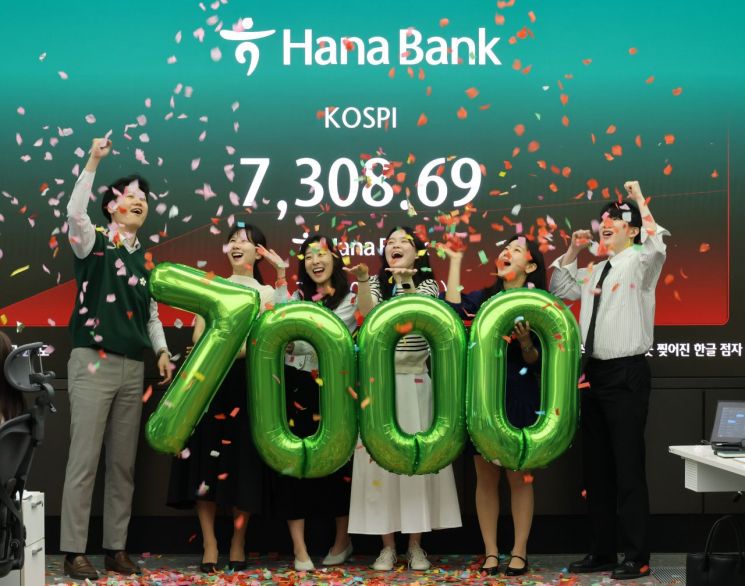
South Korea's KOSPI index pierced the 7,000-point barrier for the first time on May 6, capping a months-long surge powered by explosive earnings from semiconductor titans Samsung Electronics and SK Hynix, and an unprecedented wave of individual investor liquidity. The milestone, long considered a psychological ceiling, was reached amid a broader Asia-Pacific rally after U.S. President Donald Trump signaled a de-escalation of tensions with Iran. The index had already posted its best month in 28 years in April, as tech optimism overrode geopolitical fears. The rally deepened after Democratic Party leader Lee Jae-myung credited the KOSPI surge to his governance, a claim that resonated with retail investors who have been the market's backbone through volatile months.
Individual Investors: The Steady Hand Behind the Rally
According to the Korea Exchange, individual investors have net purchased KRW 16.8853 trillion in the KOSPI market since the start of 2025. In February and March, when foreign investors sold heavily, individuals absorbed the sell-offs, net buying KRW 4 trillion in February and KRW 33.5689 trillion in March. Their consistent buying prevented a supply-demand vacuum and laid the groundwork for the index's breakthrough. A striking shift has been the surge in indirect investment through exchange-traded funds (ETFs). The total net asset value of ETFs surpassed KRW 300 trillion at the beginning of the year and grew by KRW 100 trillion in just three months, exceeding KRW 400 trillion last month. The average daily trading value of ETFs this year has risen to about KRW 17.5 trillion, more than triple last year's KRW 5.5 trillion. ETFs now account for about 60% of KOSPI's average daily trading value, up from 44% last year.
Foreign Investors Return in Force, Driving the Final Leg
After dumping Korean stocks in February and March — net selling KRW 21.0731 trillion and KRW 35.8806 trillion, respectively — foreign investors reversed course in April, net purchasing KRW 4.8424 trillion. On May 4, they recorded a historic net purchase of KRW 2.9457 trillion, the third-largest single-day inflow since 2000. Han Jiyoung, a researcher at Kiwoom Securities, noted that foreign buying exerts outsized influence on sentiment and has driven semiconductor stocks to record highs despite short-term peak concerns. The return of foreign capital was further bolstered by expectations of expanded access through global online brokerages. Samsung Securities is piloting a service with U.S.-based Interactive Brokers that allows foreigners to trade Korean stocks via local brokers. Ko Yeonsu of Hana Securities said robust earnings growth, especially in semiconductors, should sustain foreign inflows, particularly as accessibility improves for overseas individual investors.
ETFs and Indirect Investment Reshape Market Dynamics
The rally has been accompanied by a structural shift in how individuals participate in the market. Lee Jaewon, a researcher at Yuanta Securities, explained that net buying by financial investment firms — which includes ETF-related flows — has been the main driver of KOSPI's record run. When individuals buy ETFs, liquidity providers and authorized participants purchase underlying assets, recorded as net purchases by financial investment in exchange statistics. Since 2025, financial investment-centered liquidity has been the driving force behind KOSPI's challenge to 7,000. Beyond ETFs, equity fund principal is also rising. As of end-April, the principal for public equity funds stood at KRW 142 trillion, and for all equity funds at KRW 260 trillion, up 170% and 98%, respectively, compared to the start of 2025. Lee noted that changes in principal indicate new capital inflows, unlike net asset value which fluctuates with performance. Individuals who once preferred direct stock trading are increasingly turning to financial products.
Warren Buffett Warns of 'Gambling Psychology' Amid Retail Frenzy
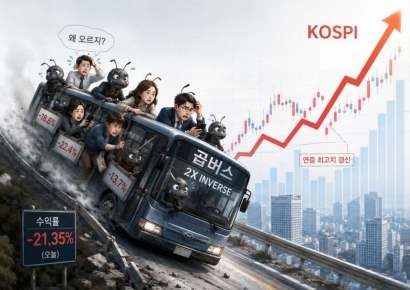
The record rally has drawn warnings from veteran investor Warren Buffett, who cautioned that retail traders are driving volatility based on speculation rather than fundamentals. His remarks echo concerns that the KOSPI surge, while underpinned by genuine semiconductor earnings growth, is increasingly fueled by a 'gambling psychology' among individual investors. The rapid rise in ETF trading and the concentration of buying in a few high-profile tech names have raised fears of a bubble. Despite these warnings, market participants point to the robust earnings outlook for semiconductor companies as a solid foundation. The AI-driven chip rally that lifted Samsung and SK Hynix to record highs shows no sign of abating, and the return of foreign investors adds a layer of institutional credibility. Still, the sheer volume of retail speculation — with individuals net buying nearly KRW 17 trillion this year — leaves the market vulnerable to sharp corrections if sentiment shifts.
Outlook: Sustained Rally or Peak Froth?
The KOSPI's breach of 7,000 opens a new chapter for South Korean equities, but the path forward is uncertain. The continued absence of a supply-demand vacuum has been the backbone of the rally, but the heavy reliance on individual liquidity and ETF flows raises questions about sustainability. Foreign investors, who have returned in April, could provide a more stable base, but their cumulative net sales for the year still total KRW 52 trillion. Analysts expect the semiconductor-led earnings momentum to persist, which should attract further foreign capital, especially as global online brokerages improve access. However, the warning from Buffett and the casino-like atmosphere among retail traders suggest that the market may be pricing in perfection. The coming months will test whether the KOSPI can consolidate its gains or whether the speculative fervor will lead to a sharp reversal.
The bottom line
- KOSPI crossed 7,000 for the first time on May 6, 2026, driven by semiconductor earnings and retail liquidity.
- Individual investors net purchased KRW 16.8853 trillion in KOSPI stocks since January, with ETF AUM surging past KRW 400 trillion.
- Foreign investors returned in April with net purchases of KRW 4.8424 trillion, after heavy selling earlier in the year.
- Warren Buffett warned of gambling psychology among retail traders, highlighting risks of speculative excess.
- The rally's sustainability hinges on continued semiconductor earnings growth and foreign inflows, with ETFs now accounting for 60% of KOSPI trading volume.


선발진 붕괴로 9위 추락한 한화, 18세 신인 강건우가 구세주 될까

Beyoncé Returns to Met Gala as Co-Chair Amid Bezos Controversy and $10 Million Donation

Lakers' Jarred Vanderbilt Runs Secret 'Finsta' Account That Roasts LeBron and Teammates
