US to Withdraw 5,000 Troops from Germany as Trump Lashes Out at Allies Over Iran War
The Pentagon announces a reduction in force posture over the next year, deepening transatlantic rifts as NATO grapples with ammunition shortages and a potential Russian threat by 2029.

LITHUANIA —
Key facts
- The US will withdraw approximately 5,000 troops from Germany over the next six to twelve months.
- As of December 2025, there were 36,436 active-duty US military personnel permanently stationed in Germany.
- The withdrawal follows President Trump's criticism of German Chancellor Friedrich Merz, who said the US was being 'humiliated' by Iran.
- Trump also threatened to cut troop levels in Italy and Spain, calling Italy 'not of any help' and Spain 'horrible'.
- NATO has stayed out of the US-Israeli war in Iran, but the conflict has exposed cracks in the alliance's defenses.
- European military officials warn Moscow could be in a position to attack a NATO member by 2029.
- The US burned through about half its total inventory of critical Patriot air defense missiles during the Iran war.
- Russia produces 6,000 to 7,000 one-way attack drones per month, which could deplete NATO's high-value air defense missiles within weeks.
Pentagon Orders Withdrawal, Leaving Over 30,000 Troops
The Pentagon announced on Friday that the United States will withdraw approximately 5,000 troops from Germany over the next six to twelve months, fulfilling President Donald Trump’s threat to reduce the American military footprint in Europe. Chief Pentagon spokesman Sean Parnell stated that the decision follows a thorough review of force posture in Europe and reflects theater requirements and conditions on the ground. The move will still leave more than 30,000 US troops stationed in Germany, home to Ramstein Air Base, the headquarters for US Air Forces in Europe and a NATO installation.
Trump’s Retaliation After Merz’s Criticism of Iran War
President Trump foreshadowed the cuts earlier this week after German Chancellor Friedrich Merz accused the US of entering a war without a clear strategy, saying the 'whole affair is ill-considered to say the least.' During a visit to a school in central Germany on Monday, Merz stated that the US was being 'humiliated' by Iran, adding that Iranians are 'very skillful at not negotiating.' Trump responded on Tuesday by saying Merz 'doesn’t know what he’s talking about' and the following day announced a review of possible troop reductions. Merz had previously described his relationship with Trump as 'good.'
Transatlantic Friction Over Iran War Widens
The war with Iran, which the US launched without notifying most NATO allies, has intensified friction between European leaders and the Trump administration. Trump has lashed out at allies for insufficient help, threatening on Thursday to cut troop levels in Italy and Spain as well. 'Italy has not been of any help. Spain has been horrible. Absolutely,' he said. Germany has offered limited military support, allowing use of its infrastructure like air bases for operations but not as staging grounds for direct offensive strikes. The withdrawal echoes Trump’s earlier threat in 2020 to reduce troops in Germany during his first term.
Iran War Exposes NATO’s Ammunition Shortages
The conflict has thrown NATO’s ammunition shortage into sharp relief, with the US burning through roughly half its Patriot air defense missile inventory. French officials warned that stocks of Aster and Mica missiles were running low within the first two weeks of the war. Defense firms like Rheinmetall and MBDA have noted surging demand and looming shortages. Justin Bronk, a senior research fellow at the Royal United Services Institute, warned that with Russia producing 6,000 to 7,000 one-way attack drones per month, NATO allies would be left without high-value air defense missiles within weeks. He urged a focus on cheaper alternatives like the AGR-20 laser-guided missile and passive defenses such as hardened concrete aircraft shelters.
NATO’s Five Gaps and the Russian Threat by 2029
European military officials have warned that Moscow could be in a position to attack a NATO member by 2029, highlighting the urgent need for battle readiness. POLITICO spoke to a dozen diplomats, current and former NATO officials, and defense experts to compile five gaps in the alliance laid bare by the war in the Middle East. One senior NATO diplomat noted that if the US continues shifting attention to the Indo-Pacific, 'substantial assets' will be removed from Europe. Calvin Bailey, a British Labour Party lawmaker on the UK parliament’s defense committee, warned that unless NATO changes tack, Russia 'will price us out of a war quickly.'
Rethinking Air Dominance and Long-Range Strikes
Iran’s ability to sustain over 5,000 missile and drone attacks despite the US aerial campaign shows the 'clear limits to the expectation that you can bomb a country into submission,' said Pieter Wezeman of the Stockholm International Peace Research Institute. In response, NATO must rethink air dominance and invest in long-range precision strike weapons capable of targeting Russia’s drone production and military sites deep inside the country, argued Bronk. 'If we can get air superiority over a contested area, then even Europe on its own could devastate Russian forces in the field,' he said, suggesting bolstering purchases of American-made AGM-88G missiles with a range of up to 300 kilometers.
Alliance’s Nuclear Commitment and Upcoming Summit
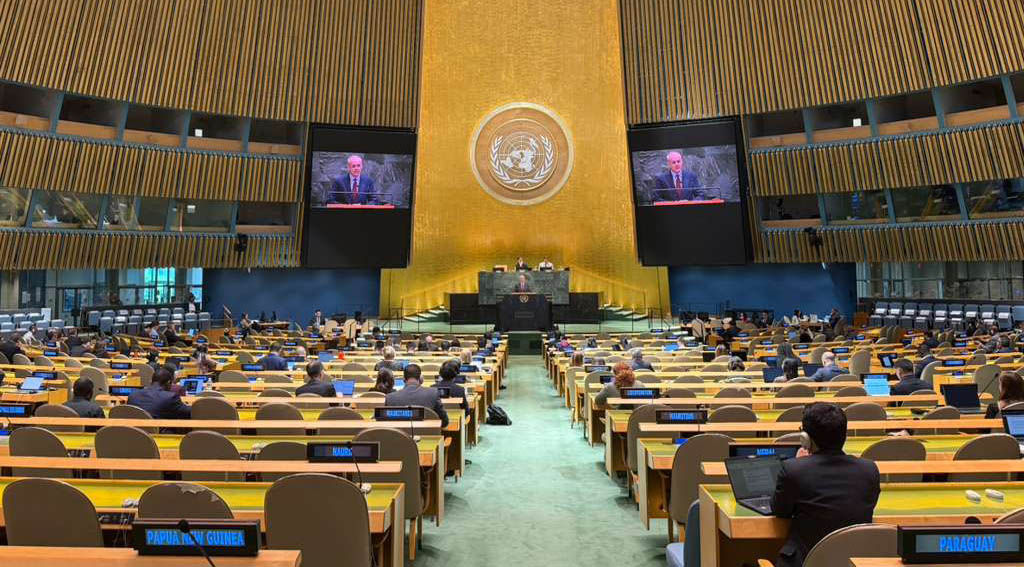
Amid these challenges, NATO reaffirmed its commitment to the full implementation of the Treaty on the Non-Proliferation of Nuclear Weapons (NPT) at the United Nations on Thursday. Assistant Secretary General Boris Ruge stressed that nuclear non-proliferation remains as vital as when the NPT came into force in 1970. The alliance’s munitions shortages will feature heavily at July’s summit of NATO leaders, according to a person familiar with the matter. The summit will be a critical test of NATO’s ability to address the gaps exposed by the Iran war and prepare for a potential Russian confrontation.
The bottom line
- The US withdrawal of 5,000 troops from Germany is a direct consequence of Trump’s anger over Merz’s criticism of the Iran war, and similar threats hang over Italy and Spain.
- The Iran war has depleted NATO’s air defense missile stocks, with the US losing half its Patriots and French missiles running low within two weeks.
- Russia’s monthly production of 6,000–7,000 drones could overwhelm NATO’s high-value air defenses within weeks, demanding cheaper interceptors and passive defenses.
- European officials warn Russia could attack a NATO member by 2029, but the alliance’s readiness is undermined by political divisions and shifting US focus to the Indo-Pacific.
- NATO must invest in long-range precision strike weapons to target Russian drone production and military sites deep inside Russia, according to defense experts.
- The alliance’s ammunition shortages will be a central topic at the July NATO summit, which will test its ability to address these gaps and maintain cohesion.



Global Labour Day Rallies Demand Peace and Higher Wages as Iran War Fears Mount

Princess Beatrice Emerges in London Amid York Family Crisis and Marital Strain

TV3 Play: Lithuania's Digital News Hub Redefines Live Coverage
