Bauchi Governor Bala Mohammed Defects to APM, Eyes Senate Seat in 2027
The departure of the PDP Governors' Forum chairman, along with a bloc of loyalists, deepens the party's internal crisis and reshapes opposition politics ahead of the next election cycle.

NIGERIA —
Key facts
- Bala Mohammed, governor of Bauchi State, announced his defection from the PDP to the APM on Saturday at the Government House in Bauchi.
- He appeared alongside APM National Chairman Yusuf Dantalle and other senior officials.
- Mohammed confirmed his intention to contest the Bauchi South Senatorial District seat in the 2027 general elections.
- The defection followed a closed-door expanded stakeholders' meeting earlier that day.
- Members loyal to the Tanimu Turaki-led faction of the PDP moved with Mohammed.
- Mohammed had previously described the PDP as 'headless' and cited the protracted crisis within the party as a key factor.
- The Supreme Court of Nigeria recently delivered a judgment on the PDP's leadership dispute, which Mohammed said ensured no single faction gained control.
- Mohammed accused FCT Minister Nyesom Wike of undermining the party and maintaining links with the APC.
A Defection Announced
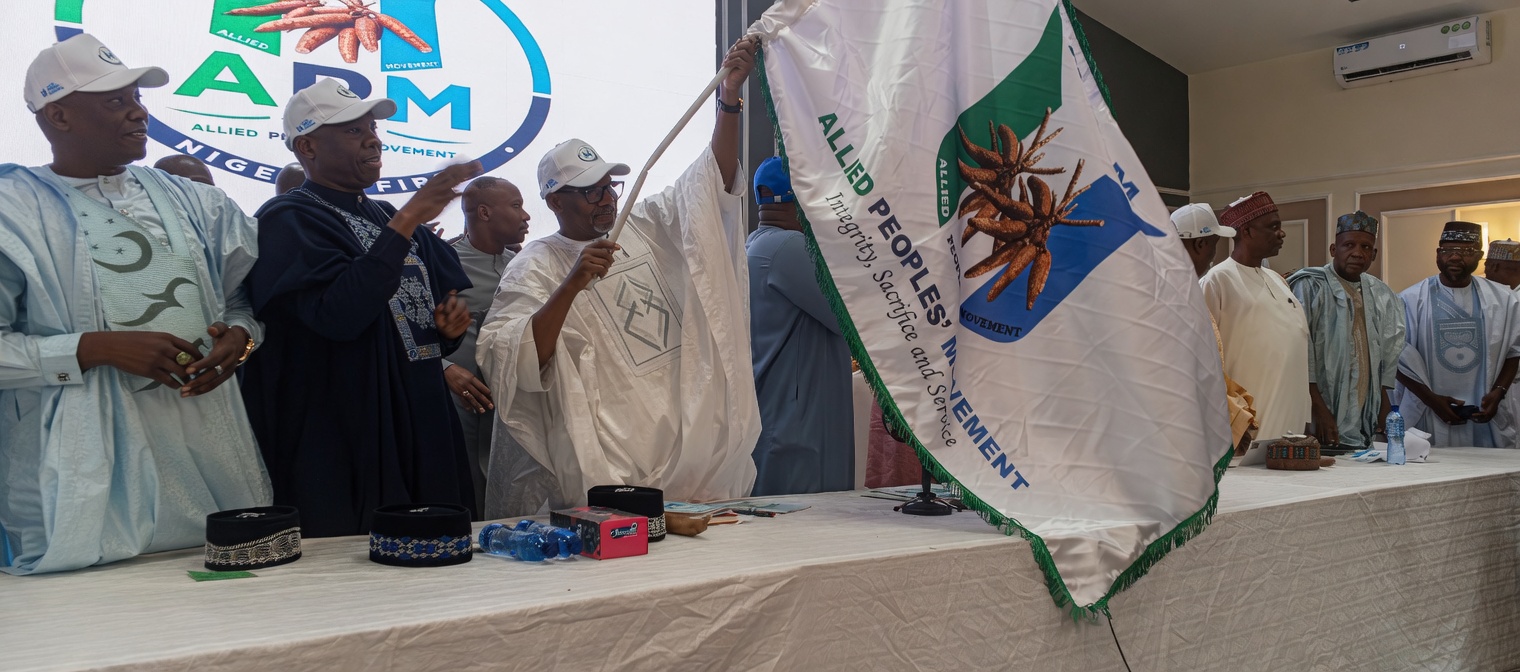
Bauchi State Governor Bala Mohammed has formally left the Peoples Democratic Party (PDP) for the Allied Peoples Movement (APM), a move that reshuffles Nigeria's opposition landscape ahead of the 2027 elections. The 67-year-old governor made the announcement on Saturday at the Government House in Bauchi, flanked by APM National Chairman Yusuf Dantalle and other senior party and government officials. Mohammed said the decision followed extensive consultations with key stakeholders and was driven by the need to reposition politically. "After wide consultations, we have taken a firm and strategic decision to join the Allied Peoples Movement," he stated. "This move is guided by the overriding objective of securing victory and continuing to serve our people effectively while presenting a credible alternative." The defection marks the end of Mohammed's affiliation with the party under which he was elected in 2019, though he expressed gratitude for the opportunities the PDP provided.
Internal Party Crisis as Catalyst
Mohammed had long signalled dissatisfaction with the PDP, describing the party as "headless" in recent weeks and indicating openness to alternative platforms. The protracted leadership dispute within the PDP, which has seen competing factions led by Kabiru Tanimu Turaki and Minister of the Federal Capital Territory Nyesom Wike, created an unstable environment that the governor said made continued membership untenable. A recent Supreme Court judgment on the party's leadership dispute failed to resolve the impasse. Mohammed noted that the ruling ensured no single faction gained outright control. "We have succeeded in ensuring that no single individual hijacks the party," he said in an interview with BBC Hausa, adding that the judgment was not a win for any side. He accused Wike of undermining the party, alleging that the FCT minister and his associates maintain links with the ruling All Progressives Congress (APC). the PDP's Board of Trustees would temporarily manage the party's affairs in line with its constitution, pending the establishment of a caretaker committee.
A Coordinated Exit with Loyalists
The defection was not a solitary act. Members loyal to the Tanimu Turaki-led executive of the PDP moved with Mohammed, signalling a coordinated shift rather than an isolated decision. This bloc of supporters had deliberated during a closed-door expanded stakeholders' meeting held earlier on Saturday at the Government House, where key allies reportedly endorsed the move. Mohammed's departure is particularly significant given his role as chairman of the PDP Governors' Forum, a position that placed him at the centre of high-level coordination among PDP governors. His exit is expected to have ripple effects within the party, potentially influencing alignments among other stakeholders and altering the balance of power. Political analysts say the coordinated nature of the defection raises questions about the future cohesion of the PDP amid ongoing leadership disputes. As of the time of reporting, the PDP leadership had issued no official response.
Strategic Positioning for 2027
Mohammed confirmed his intention to contest the Bauchi South Senatorial District seat in the 2027 general elections, a move that aligns with his stated need for a stable political platform. "With 2027 approaching, we cannot allow our people to be left without a credible and effective political platform," he said, adding that leadership requires both direction and renewed energy. The APM, a relatively smaller party, now gains a prominent figurehead in Mohammed, who brings with him a network of supporters and governance experience. Observers describe the move as strategically significant, especially as parties reposition and form alliances to strengthen their chances in the upcoming electoral cycle. Mohammed's shift to the APM may also influence the calculations of other PDP governors and lawmakers who are weighing their options amid the party's internal turmoil.
Wider Implications for Opposition Politics
Mohammed's defection underscores the deepening fractures within Nigeria's opposition ahead of 2027. The PDP, already grappling with leadership disputes and factional infighting, now loses a key figure who had served as a unifying voice among its governors. The departure of the Turaki-aligned bloc further weakens the party's structure and grassroots support in Bauchi and potentially beyond. the move could prompt further realignments in the coming months, as other disaffected PDP members may seek alternative platforms. The APM, meanwhile, positions itself as a viable alternative for those fleeing the PDP crisis, though its national reach remains limited compared to the major parties. The absence of an official response from the PDP leadership leaves open questions about how the party will respond to this latest blow. Reactions from key PDP figures and other political stakeholders are likely to shape the narrative around the defection and its impact on the party's electoral prospects.
The bottom line
- Bala Mohammed, chairman of the PDP Governors' Forum, defected to the APM on Saturday, taking with him a bloc of loyalists aligned with the Tanimu Turaki-led faction.
- He cited the PDP's protracted leadership crisis, including a Supreme Court judgment that failed to resolve factional disputes, as a key reason for leaving.
- Mohammed accused FCT Minister Nyesom Wike of undermining the PDP and maintaining links with the APC.
- He will contest the Bauchi South Senatorial District seat in the 2027 elections under the APM banner.
- The defection weakens the PDP's structure and grassroots support, potentially triggering further realignments among opposition stakeholders.
- The APM gains a prominent figurehead, but the move raises questions about the future cohesion of the PDP as it prepares for 2027.





/https%3A%2F%2Fsportsmole-media-prod.s3.gra.io.cloud.ovh.net%2Fuploads%2F2025%2F12%2Ffotojet-2025-12-02t110401-157-692ebbdcac505757082526.jpg)