Hantavirus Outbreak on MV Hondius Cruise Ship Sparks International Health Alert
A rare and deadly virus, the Andes strain, has led to deaths and evacuations from a luxury expedition vessel traversing the South Atlantic.
NIGERIA —
Key facts
- The Andes strain of hantavirus has been identified in passengers aboard the MV Hondius.
- Three passengers have died from the infection, with five suspected cases also reported.
- Three individuals, including the ship's doctor, were evacuated to the Netherlands for specialized medical care.
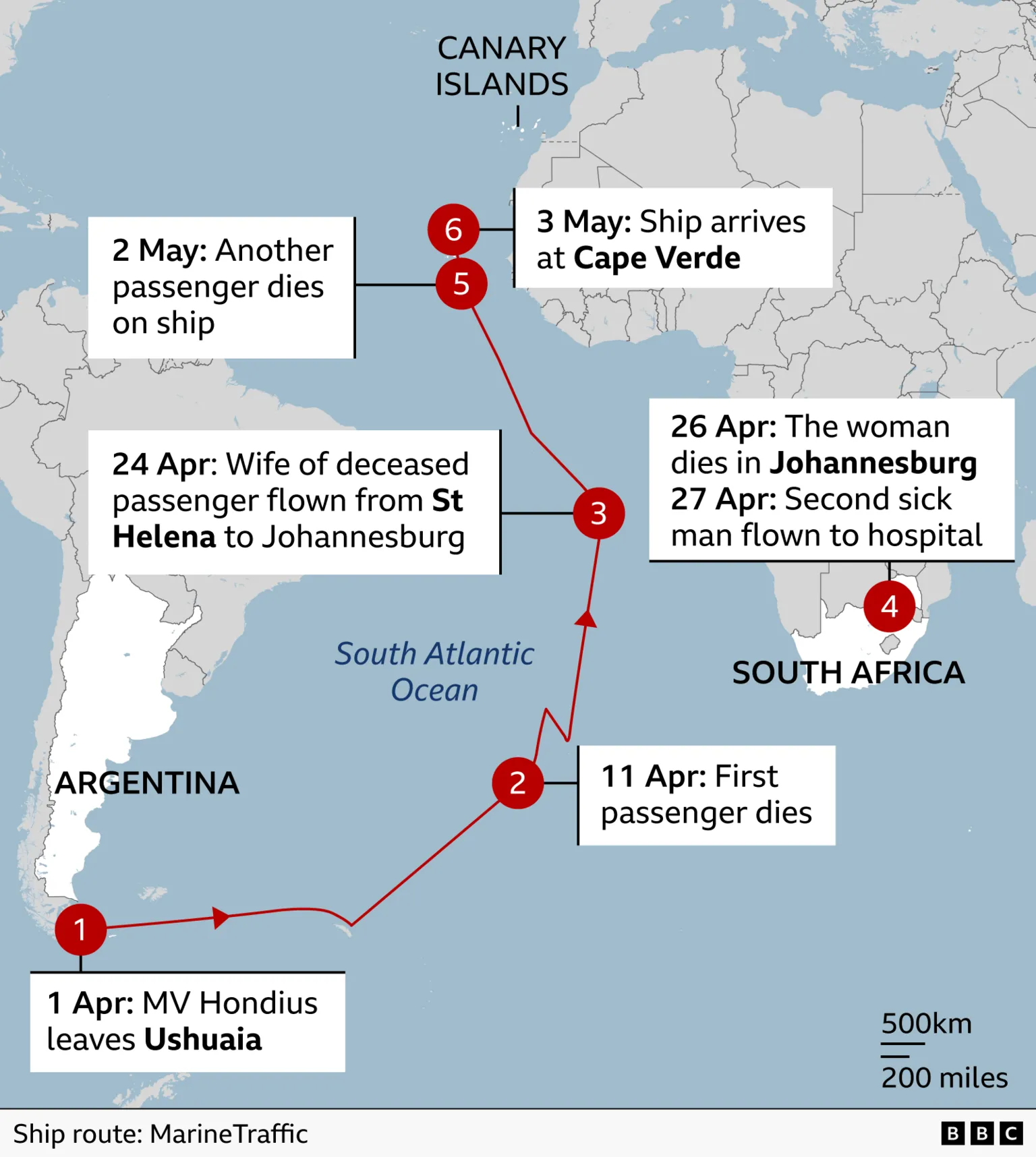
- The MV Hondius departed from southern Argentina on April 1 and has been at the center of an unfolding health crisis.
- The ship, carrying nearly 150 people from over 20 countries, is expected to dock in Spain's Canary Islands.
- Hantavirus, while typically spread by rodents, can transmit from person to person in its Andes strain.
- The World Health Organization has stated the overall public health risk remains low.
Rare Virus Emerges on Luxury Expedition Voyage
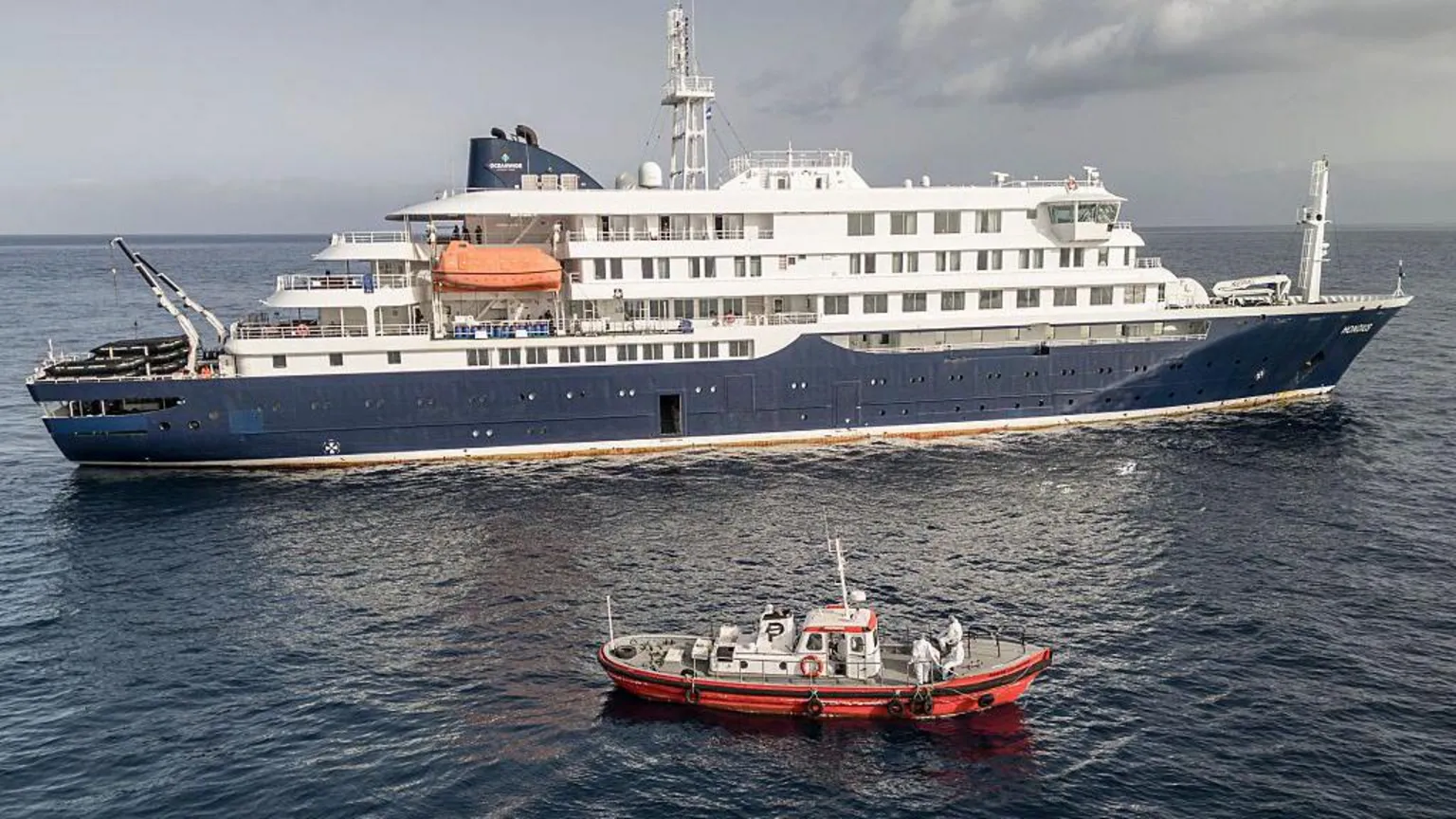
A deadly outbreak of the rare hantavirus has cast a shadow over a luxury expedition cruise, transforming a voyage through remote South Atlantic locales into an international health concern. The MV Hondius, a vessel known for its trips to Antarctica and isolated islands, is now at the center of an unfolding crisis involving a virus that can spread between people. Health authorities have confirmed the presence of the Andes strain of hantavirus among passengers, a development that has triggered evacuations and heightened scrutiny from global health organizations. The situation escalated as the ship, which set sail from southern Argentina on April 1, found itself stranded near Cape Verde off the west coast of Africa. While passengers have described the atmosphere on board as relatively calm, the reality of the situation is far more serious, with three confirmed deaths and multiple suspected cases of the infection. The rare nature of hantavirus, coupled with its potential for human-to-human transmission in this specific strain, has prompted a coordinated response from health agencies across continents. This outbreak marks a significant departure from typical cruise ship illnesses, which are often attributed to more common pathogens like norovirus. The unique circumstances of the MV Hondius incident, involving a deadly and less frequently encountered virus, have drawn the attention of infectious disease experts and international health bodies alike.
Timeline of an Unfolding Crisis at Sea
The first signs of the outbreak emerged weeks ago, with a 70-year-old Dutch man falling ill on April 6, just days after the ship departed Argentina. He developed a fever, headache, and diarrhea, and tragically died on board on April 11, while the vessel was in the middle of the South Atlantic. The cause of his death could not be immediately determined, and the ship continued its journey. Nearly two weeks later, on April 24, the Dutch man's body was removed from the ship at St. Helena. By April 25, a woman who had already been experiencing symptoms became sicker during a flight to South Africa, where she collapsed at an airport. Laboratory tests conducted in South Africa and Switzerland later confirmed the presence of the Andes virus, a strain of hantavirus found in South America. As the number of confirmed infections grew, health authorities initiated investigations and contact tracing. By May 4, the World Health Organization announced two confirmed cases and five suspected cases, including the three individuals who had died. The ship, with nearly 150 passengers and crew members from more than 20 countries, was eventually anchored near Cape Verde, awaiting clearance to proceed.
Evacuations and International Coordination
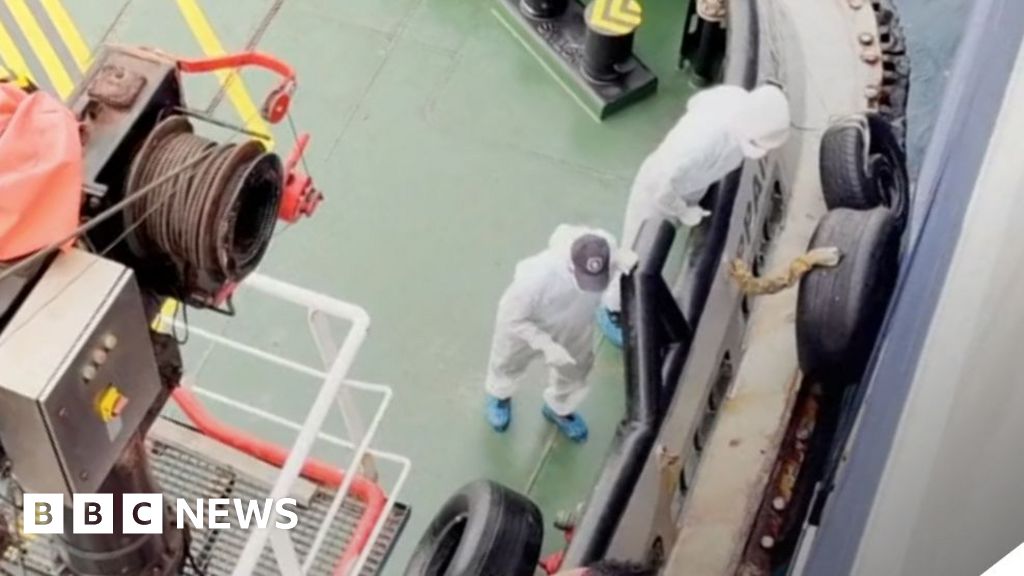
In a critical development on Wednesday, three individuals associated with the hantavirus outbreak were evacuated from the MV Hondius and flown to the Netherlands for specialized medical care. Among those transferred were the ship's doctor, a 56-year-old British national, a 41-year-old Dutch citizen, and a 65-year-old German. The Dutch Foreign Affairs Ministry confirmed that these patients would be immediately transferred to specialized hospitals in Europe. The condition of the ship's doctor, initially reported as serious, has since improved, with Oceanwide Expeditions, the operating company, stating he is in stable condition. Of the three evacuated, two remain in serious condition, while the third had no symptoms but was identified as having been closely associated with a German passenger who died on May 2. This coordinated evacuation highlights the international nature of the response. While the flight arrived in Amsterdam, a Dutch hospital confirmed it would receive one patient, and German authorities were preparing for another. The passengers' nationalities underscore the global reach of this rare outbreak, with individuals from over 20 countries on board.
The Andes Virus: A Rare but Potent Threat
Hantaviruses are a group of viruses typically spread through contact with the urine, saliva, or feces of infected rodents. However, the Andes strain, identified on the MV Hondius, possesses the concerning ability to transmit from person to person, a characteristic that significantly elevates the risk during close-quarters travel. This human-to-human transmission is relatively rare for hantaviruses but has been documented previously, primarily in Argentina and Chile. The virus can cause two distinct syndromes: hemorrhagic fever with renal syndrome, which has a mortality rate of 1 to 15 percent, and the deadlier hantavirus pulmonary syndrome, with a death rate ranging from 30 to 50 percent. Symptoms typically manifest within one to eight weeks after exposure, beginning with flu-like signs such as fever, chills, muscle aches, and headaches, before progressing to more severe respiratory or renal complications. For context, the United States has documented only 890 cases of hantavirus from 1993 to 2023. The experience of Jordan Herbst, who contracted the virus as a teenager in California and spent six days in a medically induced coma, illustrates the severe potential of this illness. He described the struggle to breathe, likening it to drowning, as machines took over his heart and lung functions.
Navigating Uncertainty: Passenger Perspectives
Amidst the unfolding health crisis, the experiences and perceptions of passengers on the MV Hondius have varied. Jake Rosmarin, an American travel vlogger on board, expressed significant distress and uncertainty, sharing his emotional recount on social media. He emphasized the human element, stating, "We're not just headlines, we're people with families, with lives, with people waiting for us at home." His plea for safety, clarity, and a swift return home resonated with many. In contrast, another passenger, Kasem Hato, also a travel influencer, suggested the situation had been "blown out of proportion." He attributed some of the alarm to a single individual's viral video, implying it did not represent the general sentiment on board. Hato described the majority of the 149 individuals as calm, engaged in activities like reading and watching movies, and wishing a speedy recovery for those who were sick. This divergence in accounts highlights the psychological impact of being at the center of a rare disease outbreak, where fear and uncertainty can coexist with a desire for normalcy. The company operating the ship, Oceanwide Expeditions, has maintained that the atmosphere on board is relatively good, while acknowledging the seriousness of the medical situation.
Destination in Sight, But Questions Remain
The MV Hondius is now expected to dock in Santa Cruz de Tenerife, in Spain's Canary Islands, within three days. Spanish health authorities have stated that once in Tenerife, all non-Spanish citizens who remain healthy will be repatriated to their home countries. This plan aims to resolve the immediate logistical challenge of disembarking passengers and ensuring their safe return. Canada's Foreign Affairs Minister, Anita Anand, has confirmed that consular staff will be present at the port to meet Canadian citizens. The Public Health Agency of Canada (PHAC) is working with provinces and territories to assess any potential risk, though the four Canadian passengers on board remain asymptomatic and were not identified as close contacts. Consequently, no specific quarantine measures are currently required for their arrival in Canada. Despite these preparations, significant questions linger regarding the full extent of the outbreak, the precise source of the infection, and the long-term health implications for those affected. The World Health Organization, while assessing the overall public health risk as low, continues to monitor the situation closely, underscoring the need for vigilance even as the immediate crisis on the ship moves towards resolution.
The bottom line
- The Andes strain of hantavirus, capable of human-to-human transmission, has caused a deadly outbreak on the MV Hondius cruise ship.
- Three passengers have died, and several others are ill or suspected of being infected.
- A coordinated international effort has led to the evacuation of three individuals, including the ship's doctor, to specialized medical facilities in Europe.
- The ship, which sailed from Argentina, is expected to dock in Spain's Canary Islands, where remaining passengers will be processed and repatriated.
- While the virus typically spreads via rodents, the Andes strain's person-to-person transmission capability is a key concern.
- Health authorities maintain that the overall public health risk associated with this outbreak remains low.
/https://tf-cmsv2-smithsonianmag-media.s3.amazonaws.com/filer_public/7d/16/7d16f9f8-0ec7-4fea-b772-ffd1b7f206e0/cruise-ship.jpg)
:focal(2100x1400:2101x1401)/https://tf-cmsv2-smithsonianmag-media.s3.amazonaws.com/filer_public/7d/16/7d16f9f8-0ec7-4fea-b772-ffd1b7f206e0/cruise-ship.jpg)

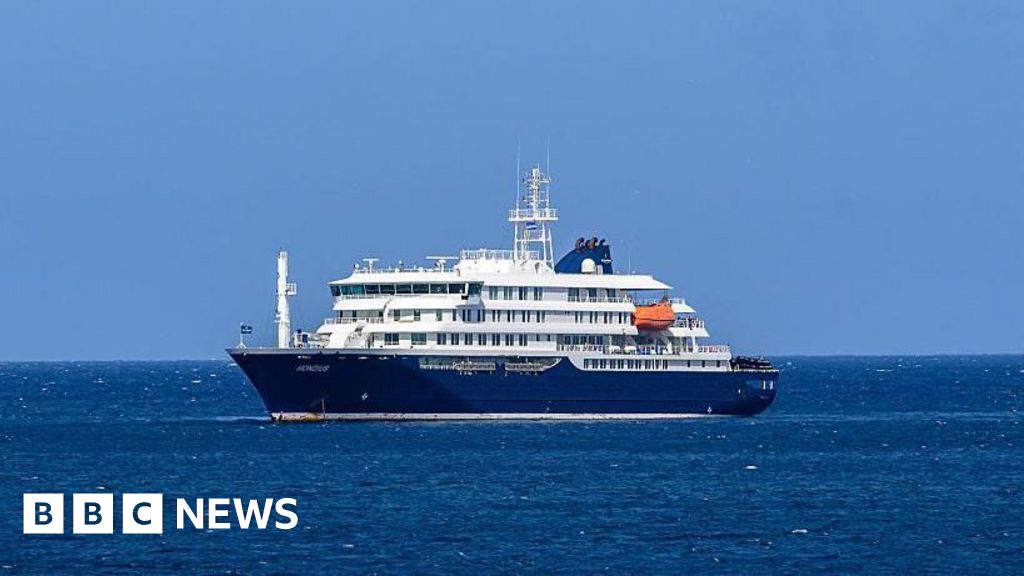
Hantavirus Confirmed in UK National as Three Die on Atlantic Cruise Ship
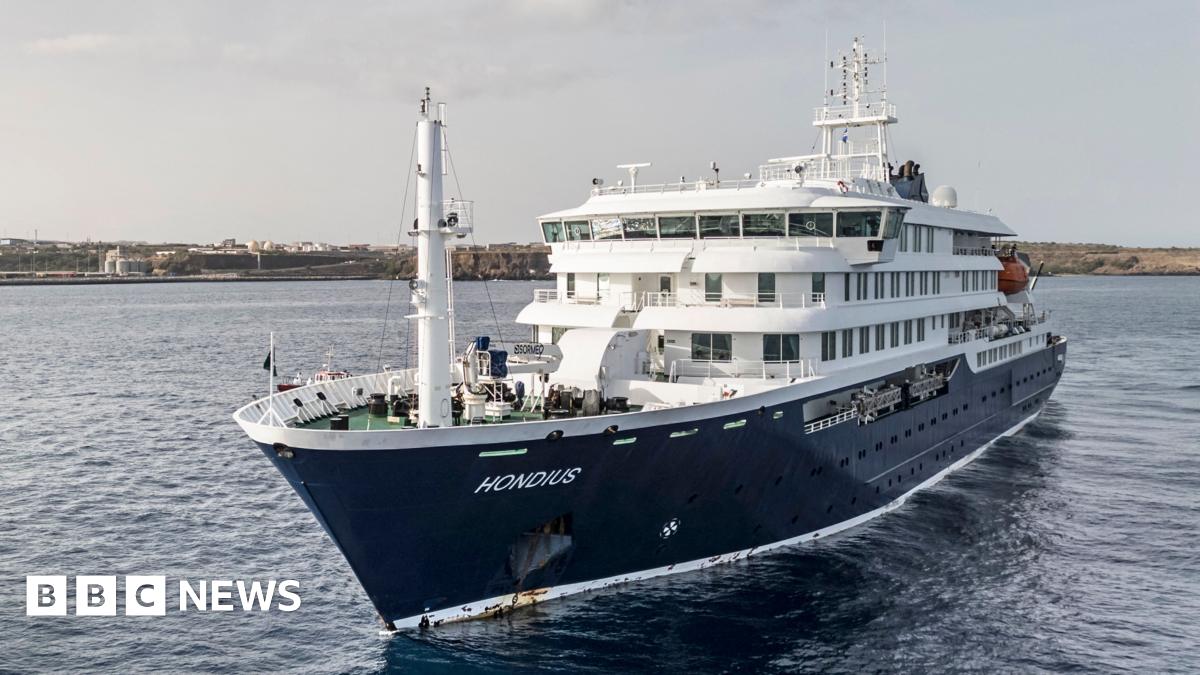
Cruise Ship Hantavirus Cases Spark International Concern

Metro Digital Arraigned on Cybercrime Charges for Multichoice Content Piracy