Australia's Reserve Bank Raises Rates Amid Inflation Fears
The central bank cites Middle East conflict and rising fuel prices as key drivers for the third hike this year.

NEW ZEALAND —
Key facts
- Australia's official interest rate is now 4.35%.
- The Reserve Bank of Australia (RBA) increased its cash rate by 25 basis points.
- This marks the third rate hike by the RBA this year.
- Inflation is expected to peak higher than previously forecast.
- The RBA anticipates economic growth of 1.3% in 2026.
- Unemployment is projected to remain stable in the low fours.
- Far North District Council rates are projected to reach $374 million in 2026/2027.
- A Kerikeri ratepayer faces annual rates of $5000.
RBA Tightens Monetary Policy Amid Global Shocks
The Reserve Bank of Australia has once again tightened its monetary policy, lifting the official interest rate by 25 basis points to 4.35%. This decision, the third of its kind this year, comes as the central bank grapples with the escalating impact of global events on domestic inflation. The move underscores a growing concern over the inflationary pressures exacerbated by the conflict in the Middle East. The RBA's monetary policy committee voted with a significant majority, eight to one, in favour of the increase. This suggests a strong consensus within the bank regarding the necessity of further tightening to curb price rises. The lone dissenting vote favoured maintaining the rate at its previous level of 4.1%, highlighting the complex economic considerations at play. This latest hike is directly linked to the anticipated inflationary consequences of geopolitical instability. The bank's assessment points to a material pick-up in inflation during the latter half of 2025, with recent data confirming that increased capacity pressures are a contributing factor. The RBA's updated forecasts now incorporate these developments, painting a picture of a more challenging inflationary environment than previously envisioned.
Middle East Conflict Fuels Inflationary Spiral
The conflict in the Middle East has emerged as a critical factor influencing the RBA's decision. Sharply higher fuel and related commodity prices stemming from the hostilities are already feeding into inflation, according to the bank's statement. This external shock is creating a ripple effect across the economy, with early indications that businesses are beginning to pass on increased costs to consumers through higher prices for goods and services. Short-term inflation expectations have also shown an upward trend, adding another layer of complexity for policymakers. The RBA's baseline forecast, which assumes a relatively swift resolution to the conflict and a subsequent decline in fuel prices, still predicts a higher peak for underlying inflation than was anticipated in February. This suggests that even under optimistic scenarios, the inflationary impact will be significant and persistent. The bank's analysis indicates that inflation is expected to decline only as demand growth slows and capacity pressures ease, a direct consequence of the higher interest rates. This projected trajectory highlights the RBA's strategy of using monetary policy to cool the economy and bring inflation back within its target range.
Economic Outlook: Slower Growth, Persistent Inflation
Governor Michele Bullock has issued a stark assessment of the economic outlook, describing a period of "malaise" for Australian households. In candid remarks, she stated that "Australians are poorer because of this shock to oil prices and energy prices and all the other commodity prices that are being impacted." This sentiment reflects the direct impact of the global fuel shock on household purchasing power. The RBA's latest forecasts paint a picture of an economy growing at an "anaemic" rate of 1.3% in 2026, a significant deceleration from the previous year. While not forecasting a recession, the central bank anticipates a period of subdued economic activity. This forecast is a sobering reminder of the challenges facing the Australian economy as it navigates the confluence of global shocks and domestic policy responses. Despite the economic headwinds, the RBA expects unemployment to remain relatively stable, staying in the low fours through the end of the year. This suggests that while households may feel poorer due to inflation, the labour market is expected to hold firm, offering some measure of stability amidst the broader economic uncertainty.
New Zealand Rates Surge: A Local Concern
Meanwhile, in New Zealand's Far North, a different kind of rate increase is forcing residents to reconsider their living situations. Gail Olliver, a 73-year-old retiree from Oromahoe, is selling her "forever home" due to escalating council rates. Her annual rates bill has reached $5000, a figure she finds increasingly untenable. Olliver's situation is emblematic of a broader trend affecting Northland ratepayers, who are collectively facing a projected increase in rates payments. The region's rates are expected to climb to $374 million in the 2026/2027 financial year, a 10% jump from the current $340 million. This cumulative increase over recent years is placing significant financial pressure on homeowners. The retiree cited rising rates, alongside escalating insurance and other costs, as the primary reasons for her decision to move. She plans to relocate inland to an area where property and rates are more affordable. Olliver's concern extends to the Far North District Council's proposed 6.7% rates rise, adding further pressure to an already strained budget for many residents.
Broader Financial Landscape and Future Outlook
The RBA's decision to raise rates is occurring within a context of tightening financial conditions. Money market interest rates and government bond yields have risen, and the Australian dollar has appreciated. These developments reflect the central bank's efforts to manage inflation and stabilize the economy. Despite the tighter financial conditions, the RBA noted that credit remains readily available to households and businesses. This suggests that while borrowing has become more expensive, access to finance has not been significantly restricted, which could mitigate some of the negative impacts of higher interest rates on economic activity. The RBA's rate hike provides "space to see how the conflict plays out," indicating a data-dependent approach to future monetary policy decisions. While another hike is not guaranteed, the bank has built flexibility into its strategy to respond to evolving economic conditions and the ongoing impact of global events.
The bottom line
- Australia's cash rate has risen to 4.35% following a 25 basis point increase by the Reserve Bank of Australia.
- The RBA's decision is largely driven by concerns over inflation, exacerbated by the conflict in the Middle East and rising fuel prices.
- The central bank forecasts a period of slower economic growth (1.3% in 2026) and persistent inflation, though unemployment is expected to remain stable.
- In New Zealand's Far North, escalating local council rates are forcing some residents, like retiree Gail Olliver, to sell their homes.
- Northland's total rates are projected to reach $374 million in 2026/2027, indicating significant cost pressures for ratepayers in the region.
- The RBA's policy stance remains flexible, contingent on future economic data and the unfolding global situation.


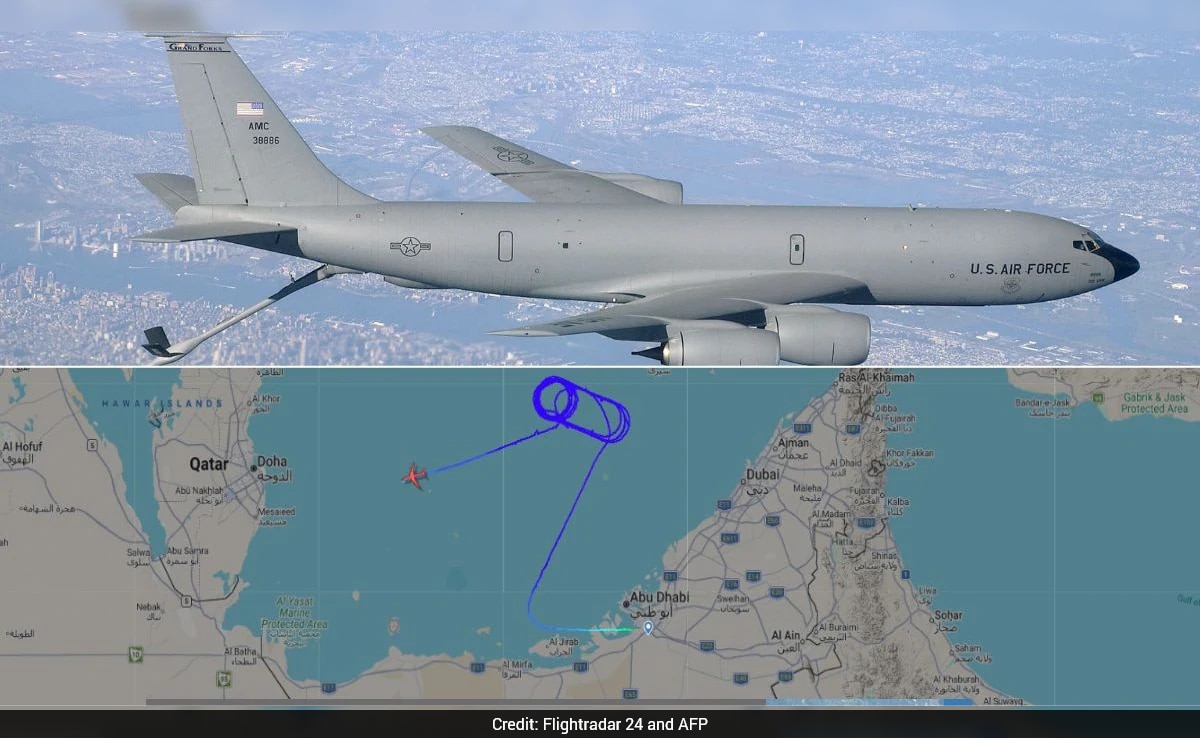
US KC-135 Stratotanker Vanishes Over Qatar After Sending Distress Signal

New Zealand Braces for Unsettled Weather with Heavy Rain and Flood Risk
Massive Cold Front Unleashes Tornadoes, Hail, and Snow Across 25 States, Strikes China and Russia
