Three Dead in Hantavirus Outbreak on Polar Expedition Ship MV Hondius
The World Health Organization confirms one case and investigates five more as the vessel travels from Argentina to Cape Verde.

NEW ZEALAND —
Key facts
- Three passengers died in a hantavirus outbreak aboard Oceanwide Expeditions' MV Hondius.
- One hantavirus case has been confirmed; five more suspected cases are under investigation.
- The outbreak occurred during the ship's Atlantic passage from Argentina to Cape Verde.
- Hantavirus Pulmonary Syndrome has a mortality rate of approximately 38% if respiratory symptoms develop.
- Worldwide, there are an estimated 150,000 cases of Haemorrhagic Fever with Renal Syndrome annually.
- From 1993 to 2023, the 890 hantavirus cases.
- Seoul virus, carried by Norway rats, is found worldwide.
A Rare and Deadly Virus Strikes at Sea
Three passengers have died after a suspected hantavirus outbreak aboard the MV Hondius, a polar expedition vessel operated by Oceanwide Expeditions, during its Atlantic passage from Argentina to Cape Verde. The World Health Organization has confirmed one case of hantavirus and is investigating five more suspected cases, describing the situation as a grave medical emergency. Hantavirus is a rare but severe illness transmitted primarily through inhalation of airborne particles from dried rodent droppings, urine, or saliva. The virus can cause two distinct syndromes: Hantavirus Pulmonary Syndrome, which begins with fatigue, fever, and muscle aches, and can progress to respiratory failure with a mortality rate of about 38%; and Haemorrhagic Fever with Renal Syndrome, a more severe illness that affects the kidneys and can lead to internal bleeding and acute kidney failure.
The Outbreak Unfolds on the MV Hondius
The MV Hondius, a polar expedition ship, was traveling from Argentina to Cape Verde when the outbreak occurred. Oceanwide Expeditions, the operator, has not released a statement, but the WHO confirmed that detailed investigations are ongoing, including further laboratory testing. The ship's itinerary and the exact timeline of the outbreak have not been disclosed. The incident marks one of the rare instances of hantavirus transmission in a maritime setting. The virus is typically associated with rural or wilderness areas where humans come into contact with rodent-infested environments. On a ship, the confined spaces and potential rodent infestations could facilitate the spread of the virus through contaminated dust or surfaces.
The Victims and the Investigation
The three deceased passengers have not been identified, and their nationalities remain unknown. The WHO is leading the investigation, working with local health authorities in Argentina and Cape Verde, as well as the cruise line. The five suspected cases are under close monitoring, and further laboratory tests are expected to confirm or rule out hantavirus infection. The outbreak raises questions about shipboard sanitation and rodent control measures. While hantavirus is not typically associated with cruise ships, the presence of rodents on vessels is not uncommon. the virus can also be transmitted through rodent bites or scratches, though this is rare.
Global Hantavirus Incidence and Risks
Hantavirus is a global health concern, with an estimated 150,000 cases of each year, primarily in Europe and Asia. More than half of these cases occur in China. In the United States, surveillance from 1993 to 2023 recorded 890 cases of hantavirus, with Seoul virus—carried by Norway rats—found worldwide. The mortality rate for Hantavirus Pulmonary Syndrome is approximately 38%, making it one of the most lethal viral diseases. The virus's ability to survive in dried rodent droppings for extended periods increases the risk of airborne transmission in enclosed spaces like ships, where ventilation may be limited.
Implications for the Cruise Industry
The outbreak on the MV Hondius is a stark reminder of the health risks that can arise in the confined environment of a cruise ship. While the industry has focused on COVID-19 protocols, other infectious diseases remain a threat. Oceanwide Expeditions specializes in polar and expedition cruises, often visiting remote areas where rodent populations may be higher. The incident could prompt stricter sanitation and pest control regulations for cruise ships, particularly those operating in regions with known hantavirus reservoirs. Passengers and crew may face increased screening for symptoms, and ships may need to implement more rigorous cleaning protocols to prevent rodent infestations.
What Comes Next: Open Questions and Ongoing Monitoring
The WHO's investigation will determine the source of the outbreak and whether additional cases are likely to emerge. The MV Hondius's current location and the status of its passengers and crew have not been disclosed. It is unclear whether the ship will continue its voyage or divert to a port for further medical assistance. For the families of the deceased, the tragedy underscores the unpredictable nature of infectious diseases in travel. The cruise industry, already grappling with other challenges—such as the collapse of Spirit Airlines affecting passenger logistics—now faces a new health crisis that could reshape safety protocols for years to come.
A Rare Event with Lasting Consequences
The hantavirus outbreak on the MV Hondius is a rare but devastating event that highlights the vulnerability of travelers to zoonotic diseases. With three lives lost and more cases under investigation, the incident serves as a cautionary tale about the importance of vigilance in preventing rodent-borne illnesses, even in seemingly controlled environments like cruise ships. As the investigation continues, the global health community will be watching closely. The lessons learned from this outbreak could lead to improved surveillance and response strategies, not only for hantavirus but for other emerging infectious diseases that may arise in the course of international travel.
The bottom line
- Three passengers died from hantavirus on the MV Hondius, with one confirmed and five suspected cases.
- Hantavirus is transmitted via airborne particles from rodent droppings; HPS has a 38% mortality rate.
- The outbreak occurred during an Atlantic voyage from Argentina to Cape Verde.
- Global hantavirus cases number about 150,000 annually, mainly in Europe and Asia.
- The incident may lead to stricter rodent control and sanitation measures on cruise ships.
- The WHO investigation is ongoing, with further laboratory testing expected.
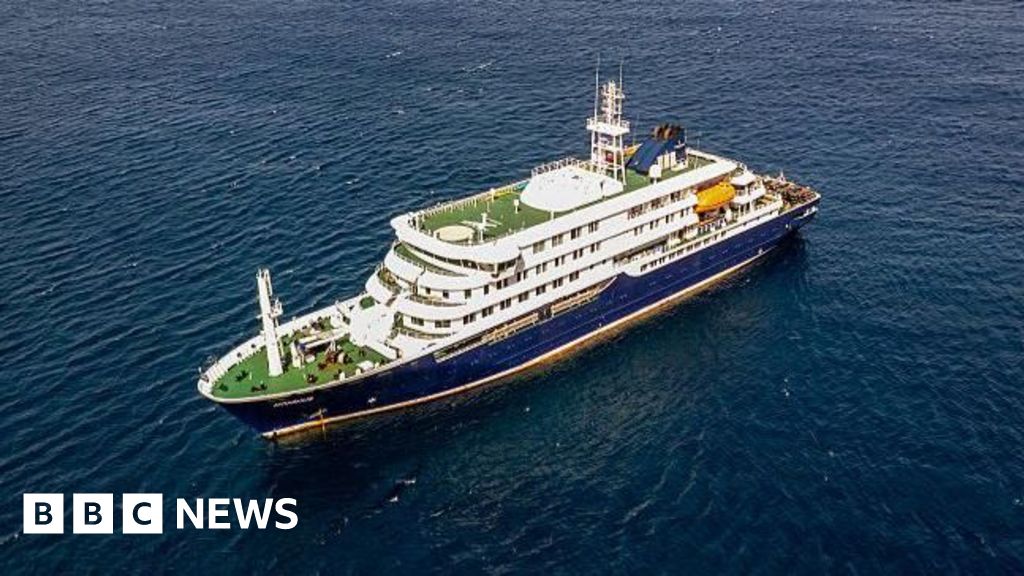



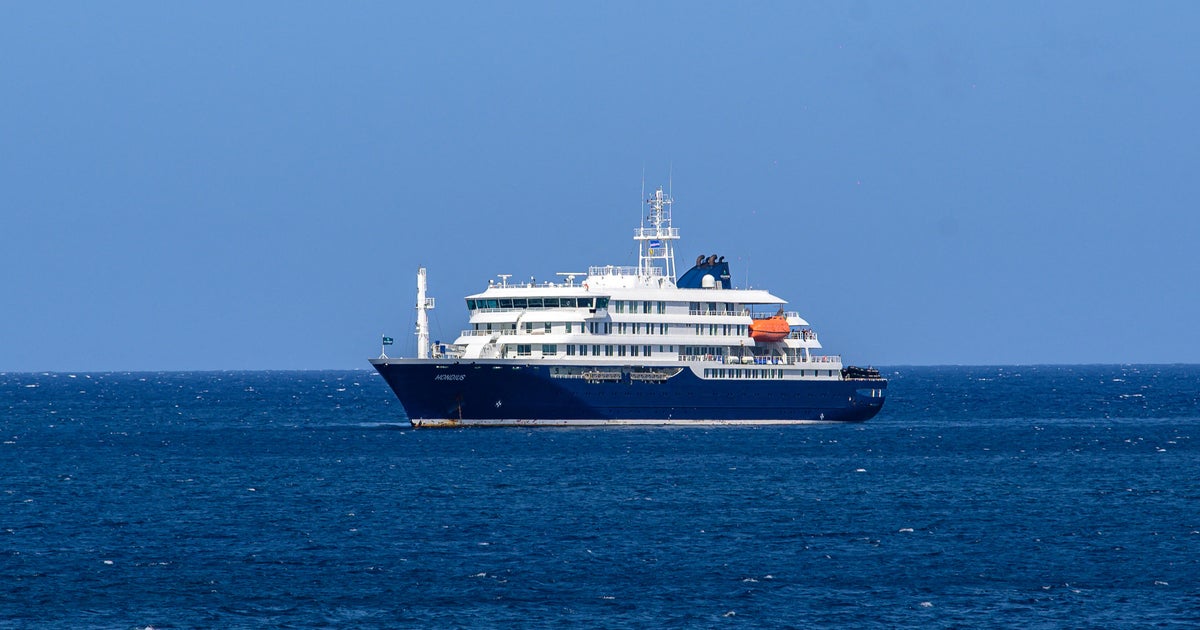
Three dead in suspected hantavirus outbreak on Atlantic cruise ship

Rockets Force Game 6 Against Lakers as BetMGM Offers $1,500 First Bet

Flower Moon Rises May 1, Sets Stage for Rare Blue Moon on May 31
