Three dead in suspected hantavirus outbreak on Atlantic cruise ship
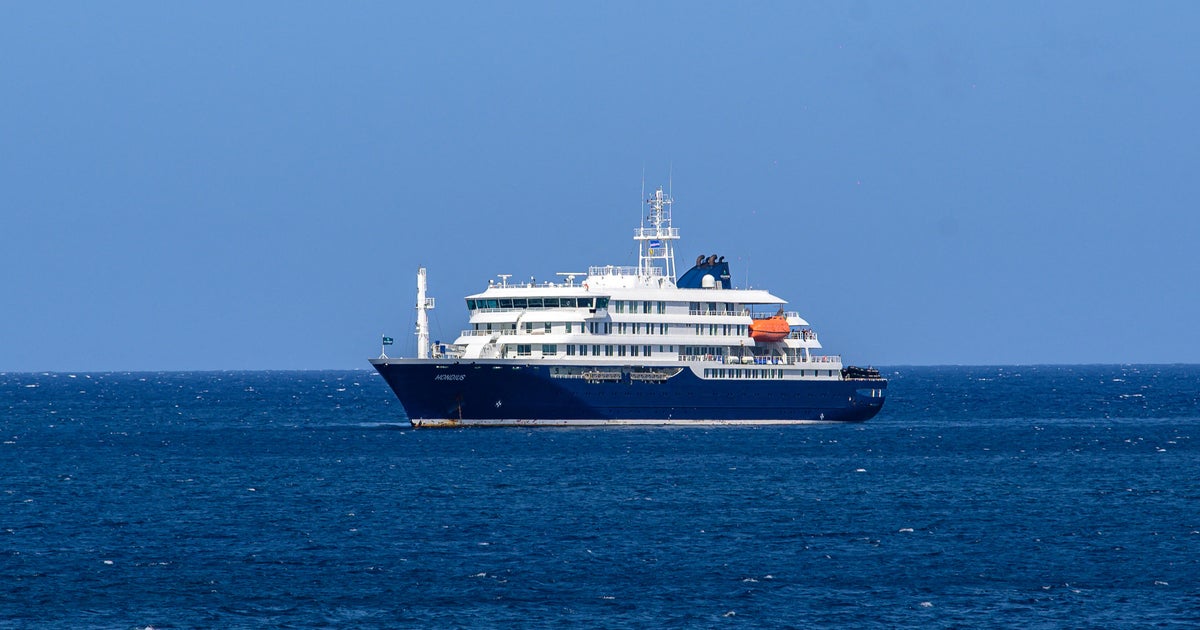
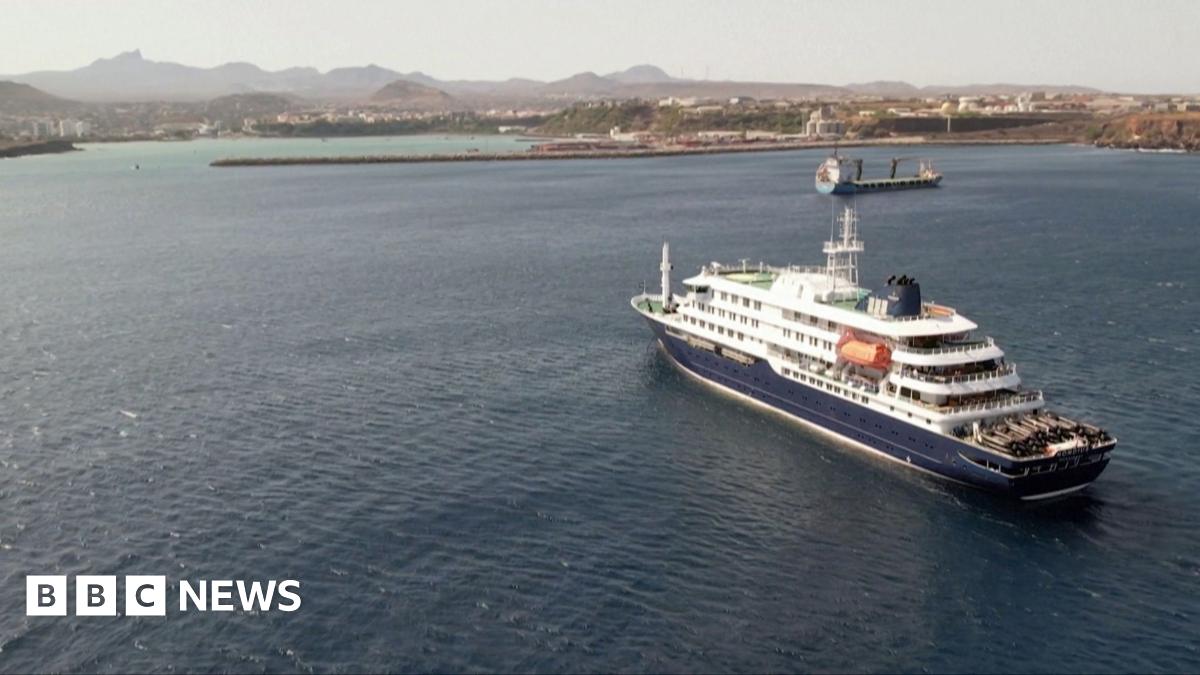
A Dutch-flagged vessel sits off Cape Verde with two sick crew members unable to disembark as authorities investigate the rare rodent-borne virus.
NEW ZEALAND —
Key facts
- Three Dutch nationals have died, including a 70-year-old man and his 69-year-old wife.
- A 69-year-old British national is in intensive care in Johannesburg with a confirmed hantavirus case.
- Two crew members remain on the MV Hondius off Cape Verde, awaiting medical evacuation.
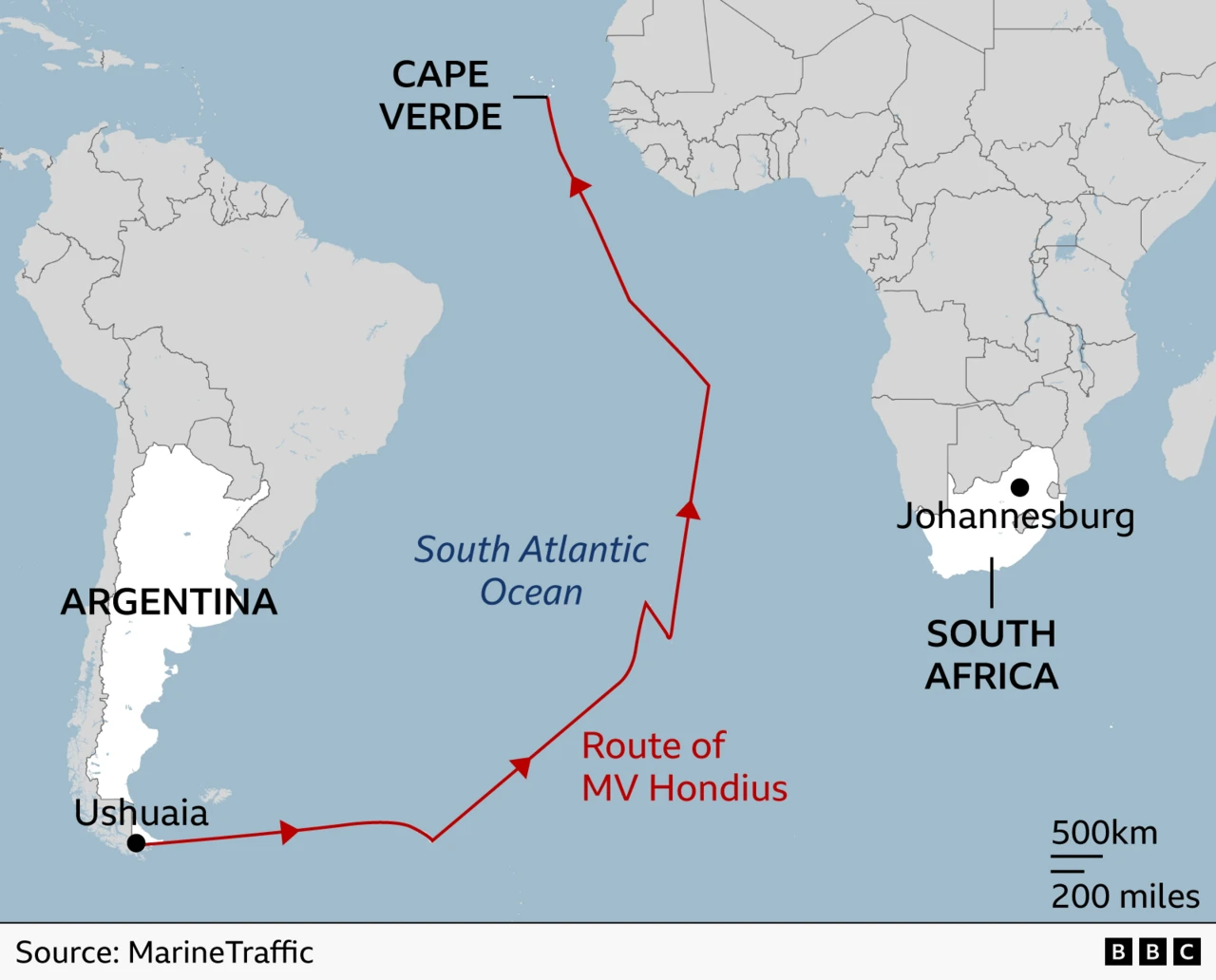
- The ship left Argentina three weeks ago, visiting Antarctica and the Falkland Islands.
- The first victim died on board and was removed in Saint Helena; his wife collapsed at a South African airport.
- About 150 tourists and 70 crew were on board during the outbreak.
- WHO says the risk to the wider public remains low; no travel restrictions are needed.
A deadly voyage across the Atlantic
A suspected outbreak of hantavirus on the cruise ship MV Hondius has claimed three lives and left at least three others ill, according to the World Health Organization and South Africa's Department of Health. The Dutch-flagged vessel, operated by Oceanwide Expeditions, departed Argentina roughly three weeks ago for a voyage that included stops in Antarctica, the Falkland Islands, and other destinations, ultimately bound for Spain's Canary Islands. Instead, the ship now sits off the coast of Cape Verde, where local authorities have refused permission for two sick crew members to disembark. The first victim, a 70-year-old Dutch man, died on board and his body was removed in the British territory of Saint Helena in the South Atlantic. His 69-year-old wife collapsed at an airport in South Africa while attempting to fly home to the Netherlands; she died at a nearby hospital. A third Dutch national also died, and their body remains on the ship.
Confirmed cases and intensive care
The WHO confirmed at least one case of hantavirus, and a 69-year-old British national is in intensive care in a Johannesburg hospital. The patient fell ill near Ascension Island, after the ship left Saint Helena, and was transferred from a hospital on Ascension to a private health facility in Sandton. The South African Department of Health stated that the man has a confirmed case of the virus. Two crew members still on board require urgent medical care, but Cape Verdean authorities have not authorized them to come ashore. The Dutch foreign ministry said it is exploring options for medical evacuation and will coordinate the effort if possible. The WHO is working with authorities to evacuate two other passengers with symptoms from the ship.
Investigation and response
The WHO stated that detailed investigations are ongoing, including further laboratory testing and epidemiological investigations. Sequencing of the virus is also underway. South Africa's National Institute for Communicable Diseases is conducting contact tracing in the Johannesburg region to identify whether other people were exposed to the infected passengers in South Africa. The WHO's regional director for Europe, Dr. Hans Henri P. Kluge, said the risk to the wider public remains low and there is no need for panic or travel restrictions. Cape Verdean health officials echoed that the situation is under control and poses no risk to people on land, but the vessel will not be allowed to dock at the port of Praia.
The virus and its history
Hantaviruses are a family of viruses found worldwide, spread mainly through contact with the urine or feces of infected rodents such as rats and mice. They cause two serious syndromes: hantavirus pulmonary syndrome, which affects the lungs, and hemorrhagic fever with renal syndrome, which affects the kidneys. While rare, human-to-human transmission is possible, according to the WHO. The virus gained recent attention after the late actor Gene Hackman's wife, Betsy Arakawa, died from hantavirus infection in New Mexico last year. Hackman himself died about a week later from heart disease. There is no specific treatment or cure for hantavirus, but early medical attention can increase the chance of survival.
Stakes and next steps
The MV Hondius remains anchored off Cape Verde, with the fate of the two sick crew members uncertain as diplomatic and medical negotiations continue. The Dutch foreign ministry is coordinating with local authorities to arrange evacuation. Meanwhile, the WHO and South African health officials are monitoring for any secondary cases among contacts. The outbreak underscores the challenges of managing rare infectious diseases in isolated maritime settings. With no specific antiviral treatment available, containment relies on rapid isolation, contact tracing, and supportive care. The investigation will likely provide insights into how the virus entered the ship and whether further spread occurred among passengers and crew who have since dispersed.
The bottom line
- Three Dutch nationals have died in a suspected hantavirus outbreak on the cruise ship MV Hondius in the Atlantic.
- A British national is in intensive care in Johannesburg with a confirmed hantavirus infection.
- Two crew members remain on board off Cape Verde, unable to disembark due to local restrictions.
- The WHO says the public risk is low and no travel restrictions are needed.
- Hantavirus is a rare, rodent-borne disease with no specific cure; early medical care improves survival chances.
- Contact tracing is underway in South Africa to prevent further spread.

Rockets Force Game 6 Against Lakers as BetMGM Offers $1,500 First Bet

Three Dead in Hantavirus Outbreak on Polar Expedition Ship MV Hondius

Flower Moon Rises May 1, Sets Stage for Rare Blue Moon on May 31