Melting Glaciers Fuel Risk of Catastrophic 'Megatsunamis,' Scientists Warn
A recent colossal wave in Alaska, triggered by a massive landslide, serves as a stark warning of increasing dangers linked to climate change.
NEW ZEALAND —
Key facts
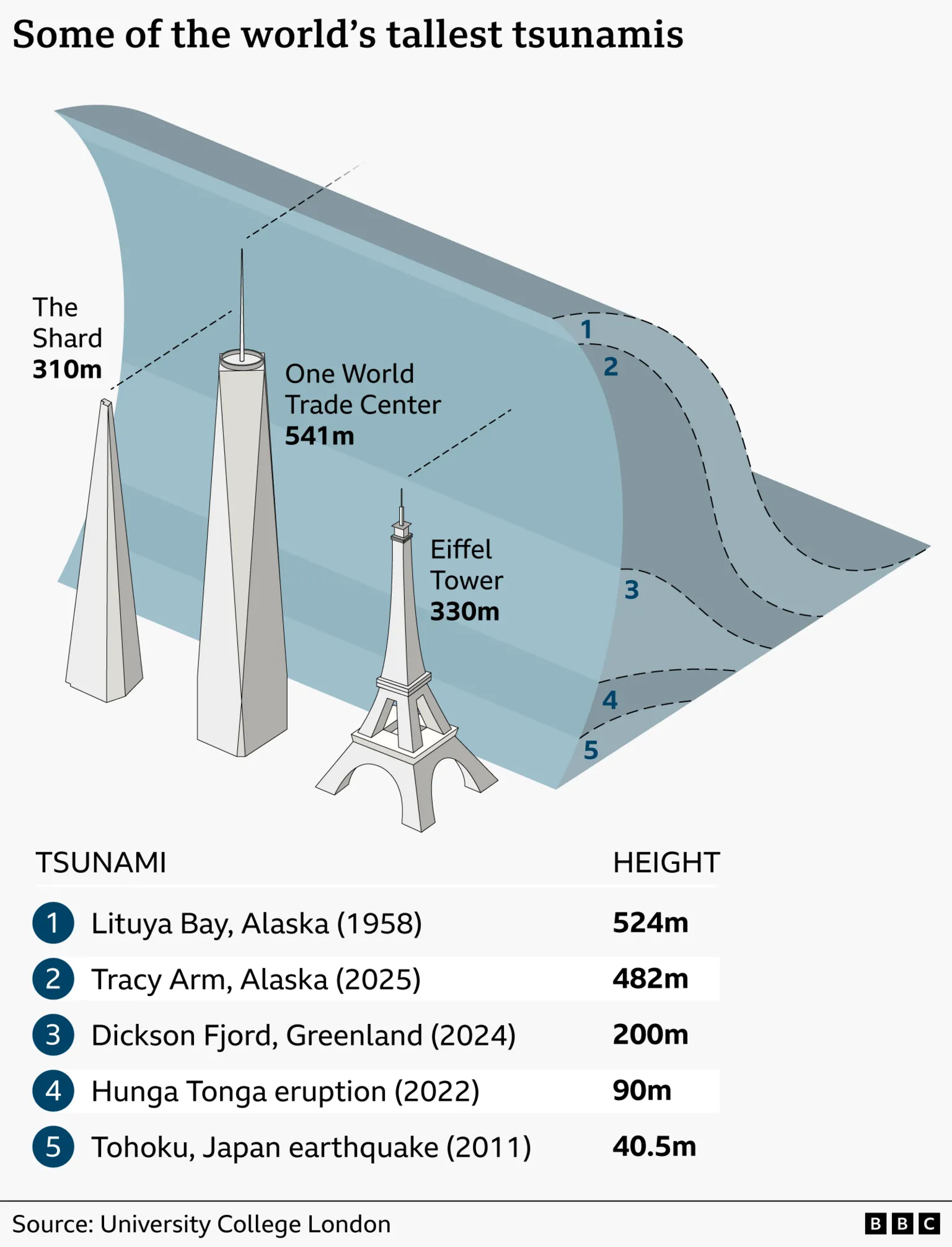
- A 64 million cubic metre rockslide generated a nearly 500-metre tall wave in Alaska.
- The wave, occurring last summer, is the second tallest megatsunami ever recorded.
- Scientists attribute increased megatsunami risk to glacier melt driven by climate change.
- Dr. Bretwood Higman described the event as a 'close call' for cruise ship passengers.
- The largest recorded megatsunami exceeded 500 metres in height in the 1950s.
- Alaska's steep fjords and frequent seismic activity make it particularly vulnerable.
A Colossal Wave's Wake-Up Call
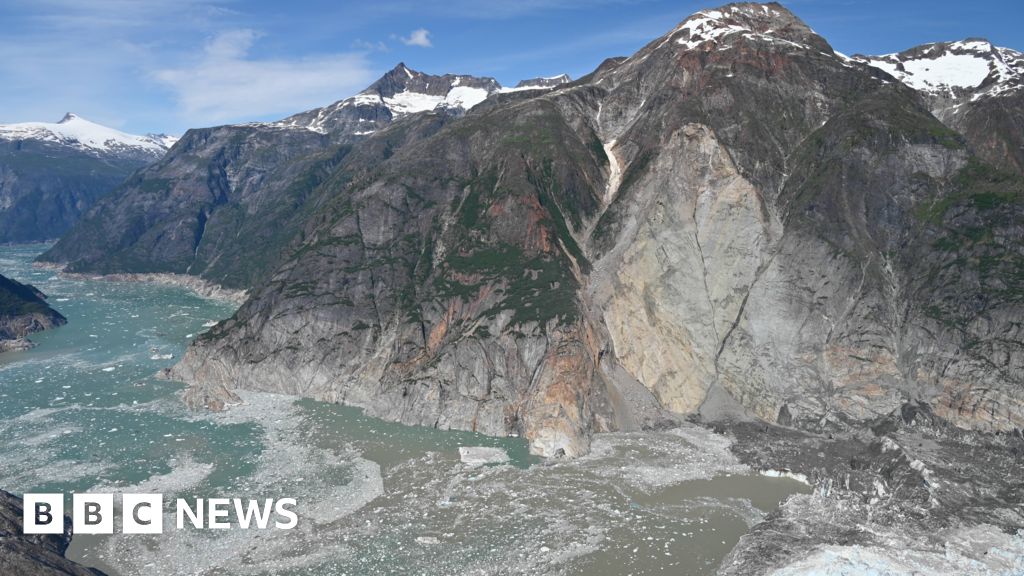
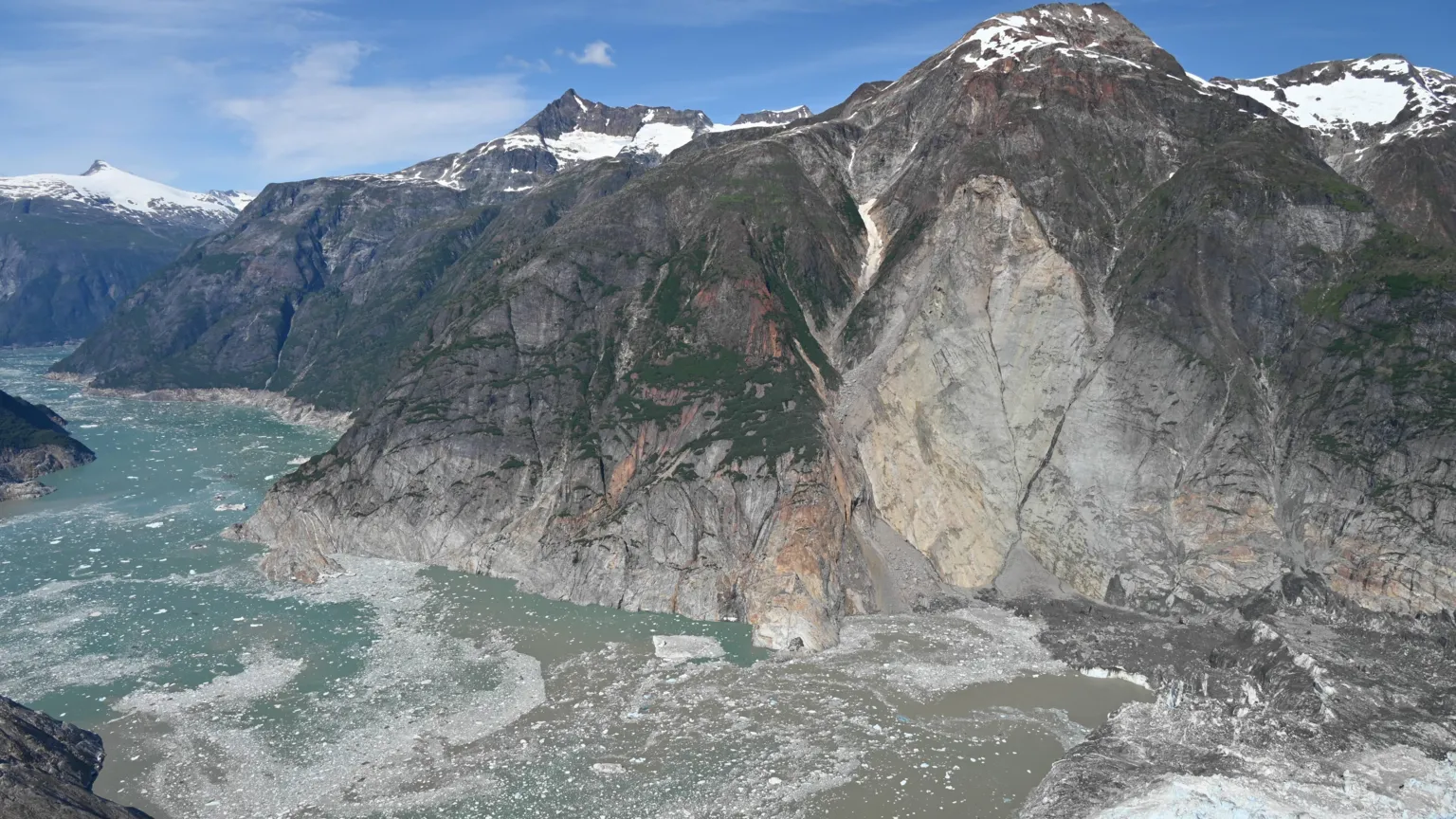
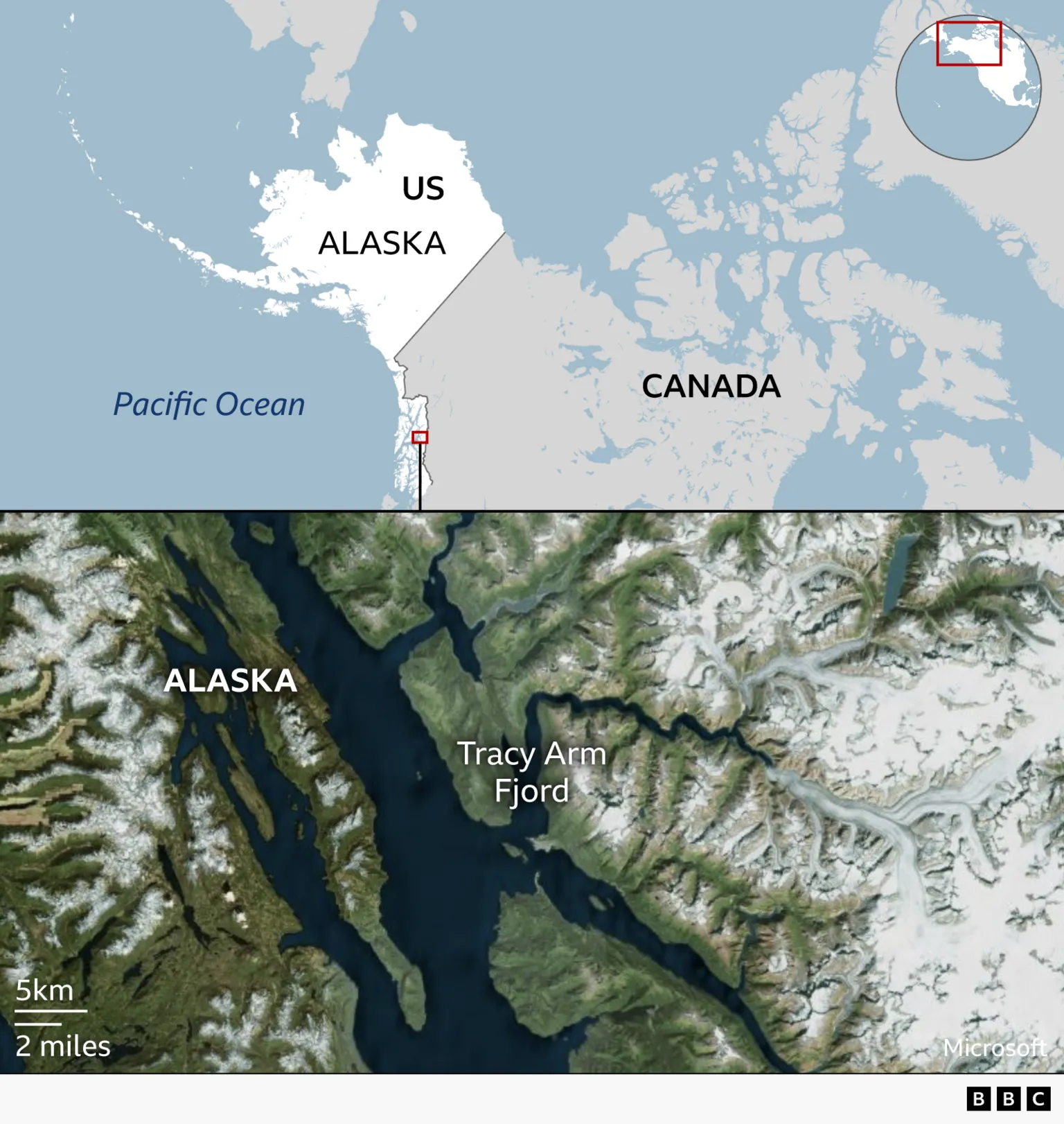
A gargantuan wave, nearly 500 metres high, surged through a remote Alaskan fjord last summer, leaving a trail of destruction. This colossal event, largely unreported at the time, has now been revealed by scientific analysis to be the second tallest megatsunami ever recorded. Its occurrence serves as a potent reminder of the escalating risks associated with melting glaciers, a phenomenon scientists increasingly link to climate change. The sheer scale of the wave was a direct consequence of an immense landslide. Approximately 64 million cubic metres of rock, a volume comparable to 24 Great Pyramids, plunged into the sea in less than a minute. The catastrophic splash generated a wave of unprecedented height, reshaping the landscape of the remote Tracy Arm Fjord in southeast Alaska. Fortunately, the timing of the event, occurring in the early hours, meant that tourist cruise ships, a common sight in these waters, were not present. However, the narrow escape has amplified concerns among researchers about future events and the potential for greater loss of life.
The Science Behind the Gigantic Waves
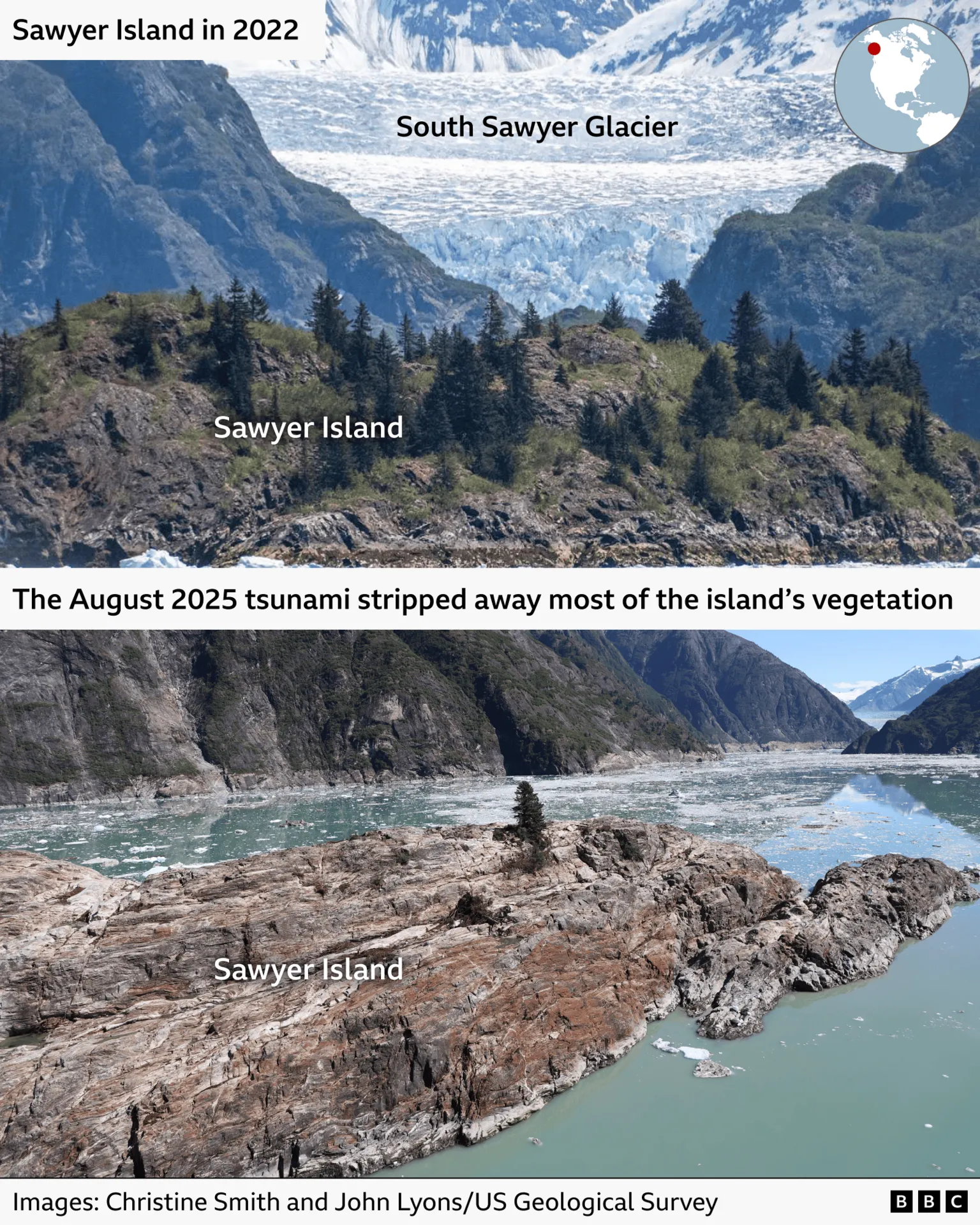
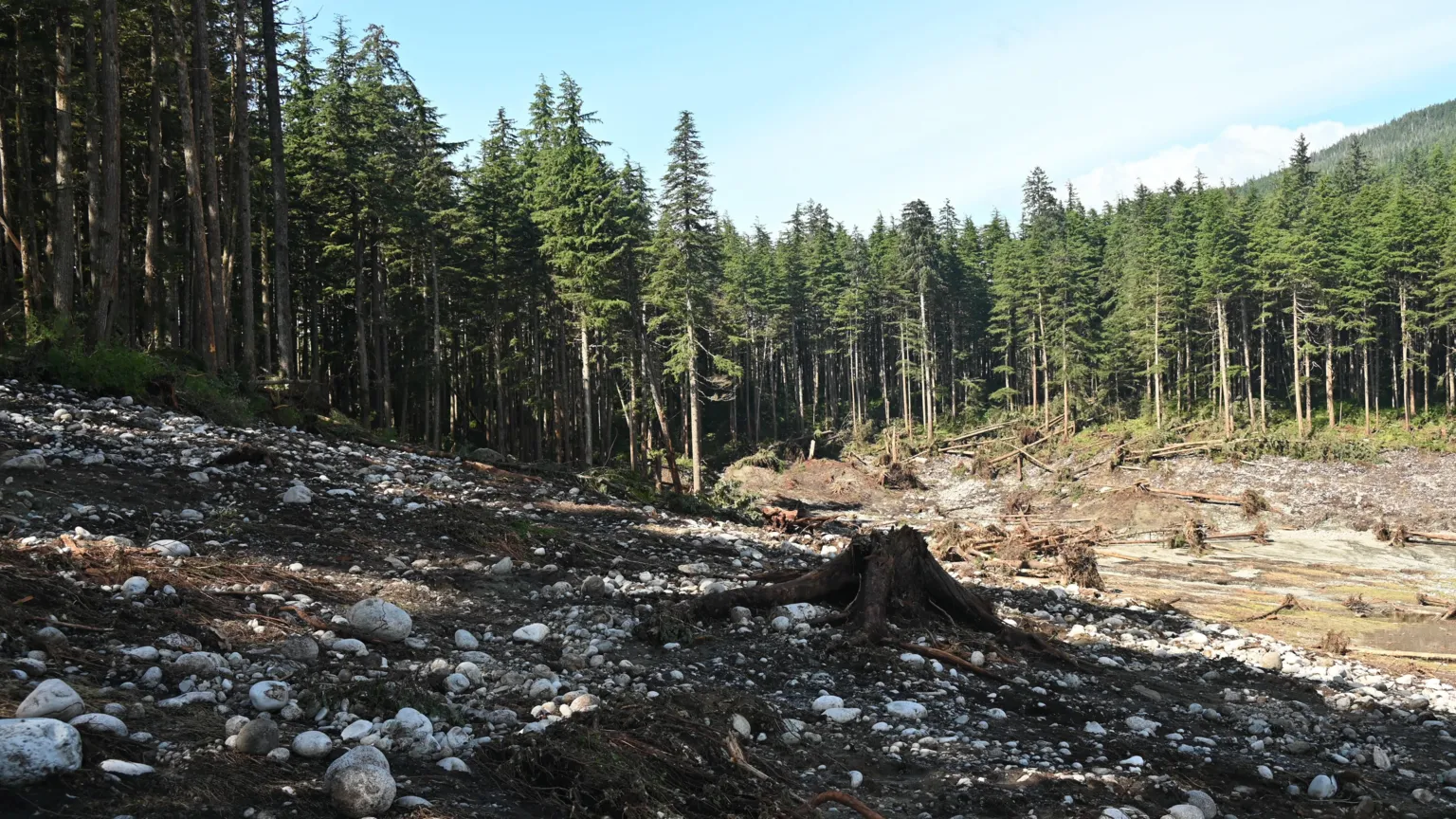
These immense waves, termed megatsunamis, are distinct from the seismic tsunamis more commonly known. While earthquakes or underwater volcanic activity can trigger tsunamis that travel vast distances across open oceans, megatsunamis are generated by massive landslides impacting bodies of water. The material dislodged can be from earthquake-induced instability or simply loose rock that succumbs to gravity. Dr. Bretwood Higman, an Alaskan geologist who surveyed the aftermath, witnessed the devastating impact firsthand. He described finding trees snapped and hurled into the water, alongside vast expanses of rock stripped bare of soil and vegetation. The scarred landscape bore testament to the extraordinary power unleashed by the rockfall. Dr. Higman's observations underscore the precariousness of the situation. 'We know that there were people that were very nearly in the wrong place,' he stated, expressing a profound fear that future encounters with such events might not be so fortunate. The event in Tracy Arm Fjord, while devastating locally, narrowly avoided a far greater human tragedy.
Alaska's Vulnerability and Historical Precedent
Alaska's unique geography positions it as a region particularly susceptible to megatsunami events. The state is characterised by steep, towering mountains that descend sharply into narrow fjords. Coupled with a high frequency of seismic activity, these conditions create a potent recipe for landslides that can readily impact the water below. While the recent Alaskan event was nearly 500 metres tall, it falls just short of the record. The largest megatsunami documented occurred in the 1950s, exceeding 500 metres in height. This historical precedent, combined with the recent event, highlights a recurring natural hazard amplified by geological and environmental factors. The implications of these findings are significant, particularly in the context of a warming planet. Scientists are increasingly concerned that melting glaciers, a direct consequence of climate change, are destabilising mountain slopes. This destabilisation is expected to increase the frequency and magnitude of landslides, thereby elevating the risk of future megatsunami occurrences.
Climate Change as a Catalyst
The connection between climate change and the increasing risk of megatsunamis is becoming clearer. As global temperatures rise, glaciers and ice sheets are melting at an accelerated rate. This process not only alters sea levels but also profoundly affects the stability of the landmasses surrounding glacial environments. Melting ice can lubricate rock faces and undermine the structural integrity of mountainsides, making them more prone to collapse. In regions like Alaska, where glaciers are in close proximity to steep slopes and deep fjords, this destabilisation presents a direct pathway to catastrophic landslides. The recent event serves as a stark illustration of this emerging threat. The sheer volume of rock that fell into the fjord suggests a significant geological event, the likelihood of which may be increasing due to cryospheric changes driven by anthropogenic warming. This underscores the urgent need to address climate change to mitigate such extreme natural hazards.
The bottom line
- A nearly 500-metre wave, the second largest on record, struck an Alaskan fjord last summer due to a massive rockslide.
- Scientists link the increased risk of such 'megatsunamis' to glacier melt driven by climate change.
- The event narrowly avoided disaster for cruise ship passengers, highlighting near-miss scenarios.
- Alaska's rugged terrain and seismic activity make it especially vulnerable to these events.
- The largest recorded megatsunami occurred in the 1950s and surpassed 500 metres in height.
- The destabilisation of mountain slopes by melting ice is a key factor contributing to the growing threat.
US KC-135 Stratotanker Vanishes Over Qatar After Sending Distress Signal

New Zealand Braces for Unsettled Weather with Heavy Rain and Flood Risk
Massive Cold Front Unleashes Tornadoes, Hail, and Snow Across 25 States, Strikes China and Russia
