James Cameron Sued Over Alleged Unauthorized Use of Actor's Likeness in Avatar
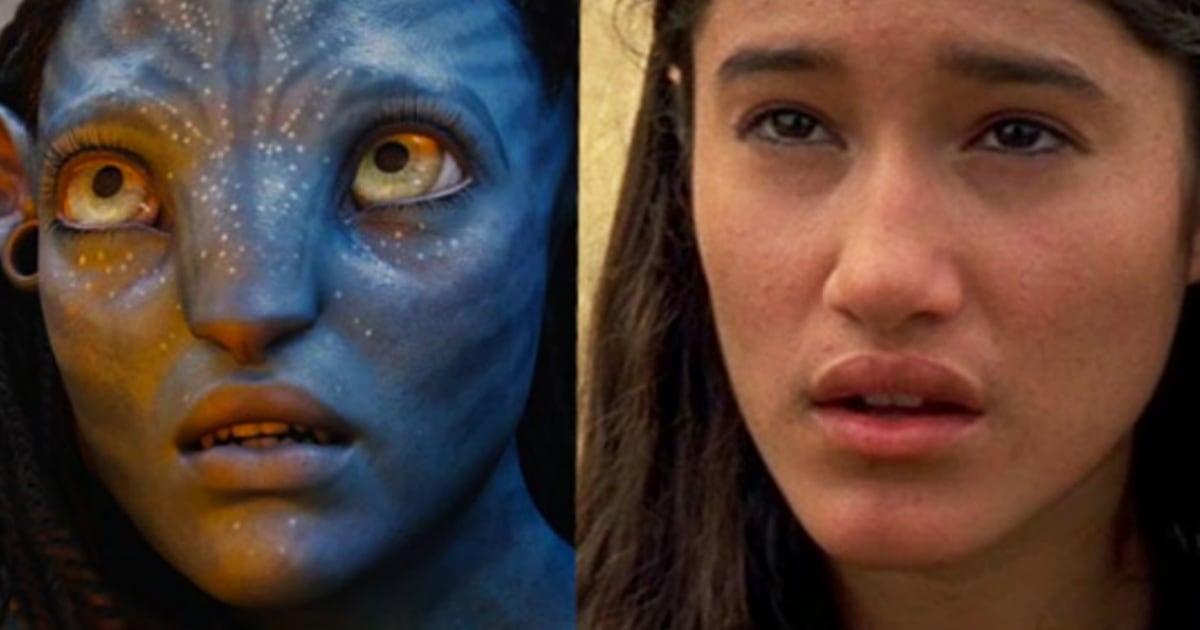
Actress Q’orianka Kilcher claims filmmaker used her facial features for Neytiri without consent or compensation, seeking damages.
PHILIPPINES —
Key facts
- Filmmaker James Cameron and The Walt Disney Co. face a lawsuit from actress Q’orianka Kilcher.
- Kilcher alleges her facial features were used as the basis for the character Neytiri in the "Avatar" films.
- The lawsuit claims Cameron saw a photograph of Kilcher in a 2005 Los Angeles Times advertisement for "The New World" and used it as inspiration.
- Kilcher was 14 years old at the time her likeness was allegedly captured and used.
- The "Avatar" franchise has grossed over $2.92 billion worldwide.
- The suit was filed in the U.S. District Court for the Central District of California.
- Kilcher seeks compensatory and punitive damages, disgorgement of profits, and injunctive relief.
Filmmaker Accused of Exploiting Young Actor's Image
Filmmaker James Cameron and The Walt Disney Co. are confronting a lawsuit alleging the unauthorized appropriation of an Indigenous actress's likeness. Q’orianka Kilcher, an actor who was then 14 years old, claims that her facial features were used as the foundation for Neytiri, a central character in the blockbuster "Avatar" film franchise, without her knowledge or consent. The complaint, filed in the U.S. District Court for the Central District of California, asserts that Cameron and his production team systematically exploited Kilcher's biometric identity and cultural heritage to create a globally successful film series. This alleged appropriation, the suit contends, occurred through a series of deliberate commercial acts that yielded billions of dollars in profit, yet provided no credit or compensation to the young actor. The legal action highlights a stark contrast between the "Avatar" franchise's portrayal of sympathy towards Indigenous struggles and the behind-the-scenes alleged exploitation of a real Indigenous youth. Kilcher's representatives describe the situation not as inspiration, but as "extraction" of unique facial features for an industrial production process.
The Genesis of Neytiri's Image
According to the lawsuit, James Cameron struggled with the visual design of his Na'vi characters, particularly Neytiri, finding her initial depictions too "alien" to foster audience empathy. The turning point, the suit alleges, came in 2005 when Cameron reportedly saw a photograph of Kilcher in a Los Angeles Times advertisement promoting Terrence Malick's film "The New World," in which she portrayed Pocahontas. This image, the complaint states, served as Cameron's "muse." He is alleged to have directed his design team to base Neytiri's facial structure on Kilcher's, preserving elements such as her lips, chin, jawline, and overall mouth shape. This process involved capturing her likeness through production sketches, sculpting three-dimensional maquettes, and laser-scanning high-resolution digital models. These digital assets were then distributed to multiple visual effects vendors to render Neytiri's final appearance. The suit emphasizes that this was not a fleeting inspiration but a "literal transplant of a real teenager’s facial structure into a blockbuster movie character."
Allegations of Deception and Subsequent Discovery
The legal filing contends that Cameron and his team never sought permission from Kilcher to use her image, nor did they offer any compensation. Her likeness, derived from these digital models, subsequently appeared in the "Avatar" films, on movie posters, and across various merchandise and re-releases without her awareness. Kilcher's account suggests a period of prolonged deception. She claims she first met Cameron in 2010, after the initial "Avatar" film had already achieved massive global success. At an event, Cameron presented her with a framed sketch of Neytiri, personally drawn and signed by him, accompanied by a handwritten note stating, "Your beauty was my early inspiration for Neytiri." Kilcher states she initially perceived this as a personal gesture, perhaps related to casting or her activism. The full extent of the alleged appropriation only came to light late last year when a broadcast video interview with Cameron began circulating on social media. In the clip, Cameron stands before the Neytiri sketch and explicitly identifies Kilcher, referencing the Los Angeles Times photograph as the "actual source" for the character's design.
Legal Claims and Demands
The lawsuit names Lightstorm Entertainment and several visual effects companies alongside Cameron and Disney. It further alleges that the defendants violated California's recently enacted deepfake pornography statute, though details of this specific claim remain underspecified in public filings. Kilcher's legal team describes the process as a "deliberate analog-to-digital creative process that misappropriated Ms. Kilcher’s identity." They argue that the "Avatar" series, which has grossed more than $2.92 billion worldwide across its installments, presented itself as sympathetic to Indigenous struggles while "silently exploiting a real Indigenous youth behind the scenes." The complaint seeks substantial remedies, including compensatory and punitive damages. It also demands disgorgement of profits directly attributable to the alleged unauthorized use of Kilcher's likeness, injunctive relief to prevent further use, and a corrective public disclosure of the facts.
Franchise's Success and Actor's Perspective
The "Avatar" franchise stands as one of the highest-grossing film series in history, with its first installment alone earning over $2.92 billion globally. The films, celebrated for their visual innovation, have captivated audiences worldwide. Kilcher expressed her disillusionment, stating, "Millions of people opened their hearts to 'Avatar' because they believed in its message and I was one of them. I never imagined that someone I trusted would systematically use my face as part of an elaborate design process and integrate it into a production pipeline without my knowledge or consent." Her legal counsel, Arnold P. Peter, characterized Cameron's actions as "extraction" rather than inspiration, emphasizing the industrial scale of the process used to generate billions in profit without the subject's permission. The suit contends that Cameron had not attempted to cast Kilcher for the role, despite her agent's efforts.
The bottom line
- Actress Q’orianka Kilcher is suing James Cameron and Disney, alleging her likeness was used without consent for the "Avatar" character Neytiri.
- The lawsuit claims Cameron was inspired by a 2005 photograph of a 14-year-old Kilcher and used her facial features in digital character design.
- Kilcher alleges her image was incorporated into production sketches, digital models, and ultimately the final film, posters, and merchandise.
- The suit highlights a perceived hypocrisy in the "Avatar" franchise's message of Indigenous sympathy versus the alleged exploitation of a young Indigenous actor.
- Cameron reportedly gifted Kilcher a sketch of Neytiri in 2010, with a note stating she was his "early inspiration."
- Kilcher learned the full extent of the alleged appropriation through social media last year, after an interview clip of Cameron surfaced.


Eta Aquarid Meteor Shower Peaks May 5-6: Halley's Comet Debris Lights Up Pre-Dawn Sky

Lakers' Jarred Vanderbilt Dislocates Pinky Finger in Game 1 Loss to Thunder

Austin Reaves’ woeful shooting night sinks Lakers in Game 1 loss to Thunder
