Strait of Hormuz Closure Drives Global Fuel Crisis as Oil Hits $110
The effective shutdown of the world's most critical oil chokepoint has triggered the largest supply disruption in history, sending gasoline prices soaring and forcing governments into emergency measures.

PHILIPPINES —
Key facts
- The Strait of Hormuz, through which about 20% of global oil and natural gas flows, has been effectively closed due to the Iran war.
- Brent crude oil prices climbed 2% to $110.37 a barrel on tensions over the Strait.
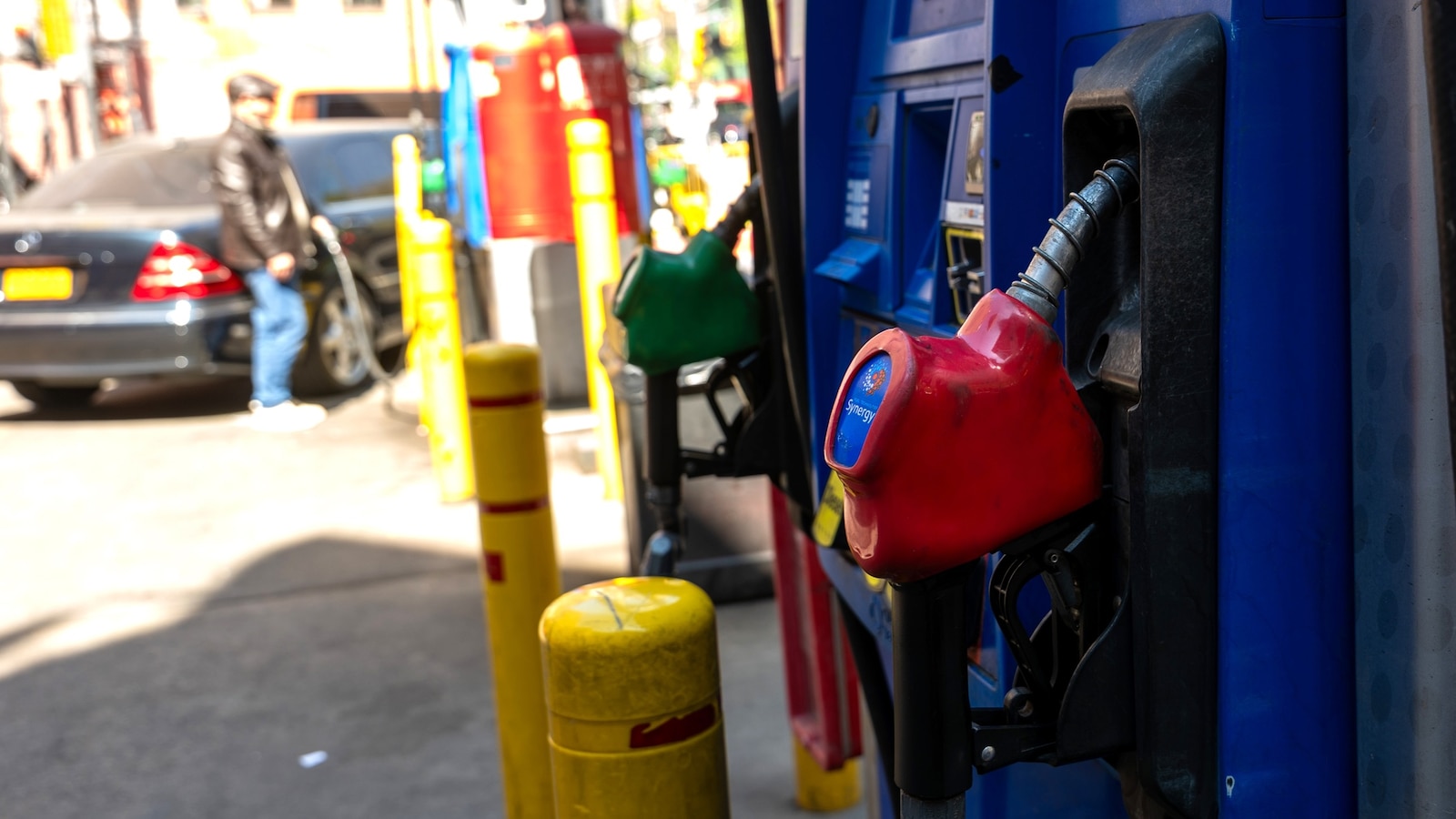
- U.S. average gasoline price hit $4.17 per gallon, a four-year high, up 28% since the war began on Feb. 28.
- The International Energy Agency (IEA) called the disruption the 'largest supply disruption in history'.
- OPEC+ nations agreed to a modest production increase of 188,000 barrels a day after a virtual meeting on April 3.
- China has stockpiled an estimated 900 million barrels of oil, equivalent to about three months of imports.
A Chokepoint Shut
The Iran war has effectively closed the Strait of Hormuz, a narrow maritime passage that carries roughly one-fifth of the world's oil and natural gas. The International Energy Agency (IEA) has described the resulting supply disruption as the largest in history. Oil prices have responded violently. Brent crude, the international benchmark, surged 2% to $110.37 a barrel before later falling 2% to $108.14, trimming its weekly gain to about 9%. U.S. oil futures hovered around $99 a barrel on Tuesday, more than 50% above pre-war levels. The price at the pump in the United States has reached $4.17 per gallon on average.— the highest in four years and a 28% increase since the conflict began on Feb. 28. Crude oil accounts for more than half of the price of gasoline, according to the U.S. Energy Information Administration.
Global Ripple Effects
The crisis is not confined to oil markets. Jet fuel stocks in Europe are approaching a tipping point; the IEA has warned that if at least half of Middle Eastern imports are not replaced, stocks will run critically low by June. Airlines UK has said it is discussing 'crucial measures' with the government to support the aviation industry. In the United Kingdom, petrol prices have reached an 18-month high, according to the RAC. The government has said it is ready to intervene if it sees evidence of profiteering by petrol sellers, a charge the Petrol Retailers Association denies. Low-income households using heating oil are eligible for a £53 million support package announced in March. China, the world's largest oil importer, has long prepared for such a shock. Beijing has built one of the world's largest strategic oil reserves, estimated at 900 million barrels — roughly three months of import cover. To keep domestic prices in check, authorities have ordered refineries to halt fuel exports. Even so, petrol prices are rising in China, and some airlines have cut flights as jet fuel costs climb.
OPEC+ and Market Responses
OPEC+ nations, after a virtual meeting on April 3, agreed to a modest production increase of 188,000 barrels per day. The move came as oil prices remained elevated amid the Hormuz crisis. Separately, the United Arab Emirates stated that its exit from OPEC was 'not directed against anyone', though the timing added to market uncertainty. Major oil companies have posted strong profits. Exxon Mobil and Chevron both beat earnings estimates, benefiting from higher oil and natural gas prices that outweighed production outages caused by the Iran war. Chevron's refining segment, however, swung to a loss. On the supply side, a first India-bound LPG tanker cleared the Strait of Hormuz since the U.S. blockade began, offering a rare sign of movement. Russian oil cargo is also set to arrive in Japan amid supply strains, while Australia and Japan have deepened energy ties with a new supply chain pact.
Government Interventions and IMF Advice
Governments worldwide have introduced measures to cushion the economic blow. The International Monetary Fund (IMF) has advised countries to manage energy demand through subsidies for public transport and promoting working from home. In the United States, President Trump launched 'Project Freedom' to navigate ships through the Strait of Hormuz, though the initiative's effectiveness remains unclear. The U.S. is a net exporter of petroleum, but because oil prices are set globally, American consumers are not insulated from the price surge. The IMF's guidance reflects the expectation that the disruption will have a lasting impact. With no resolution in sight for the Iran war, the risk of a global recession looms: analysts have warned that oil at $125 a barrel could tip the world economy into a downturn.
What Comes Next
The immediate outlook depends on the trajectory of the Iran conflict and the status of the Strait of Hormuz. Iran has claimed a missile strike on a U.S. Navy vessel near the strait, escalating tensions further. The U.S.-Iran ceasefire announced on April 9 briefly lowered gasoline prices, but those gains have been erased as negotiations appear deadlocked. Methane reductions globally could potentially unlock double the gas volumes lost due to the Hormuz crisis, according to some analyses, but such measures would take time to implement. Meanwhile, MSC is planning a new shipping route that bypasses the strait, using trucking across Saudi Arabia and smaller vessels in the Persian Gulf to link Europe with isolated Middle East ports. The crisis has also spurred long-term energy realignments. Australia and Japan have signed a new supply chain pact, and Venezuela's oil exports hit a seven-year high, partly filling the gap left by disrupted Middle Eastern supplies. But these adjustments are unlikely to fully compensate for the loss of 20% of global oil transit.
The bottom line
- The closure of the Strait of Hormuz has caused the largest oil supply disruption in history, with Brent crude topping $110 a barrel.
- U.S. gasoline prices have surged 28% since the war began, reaching a four-year high of $4.17 per gallon.
- Europe faces a jet fuel crisis by June if Middle Eastern imports are not replaced, while China taps strategic reserves and halts fuel exports.
- OPEC+ has agreed to a modest output increase, but it is insufficient to offset the scale of the disruption.
- The IMF advises demand-management measures such as public transport subsidies and remote work to mitigate the crisis.
- The risk of a global recession is rising, with analysts warning that oil at $125 a barrel could tip the economy into downturn.





NLEX and Converge Collide in High-Stakes PBA Duel with No. 1 Seed and Playoff Hopes on the Line
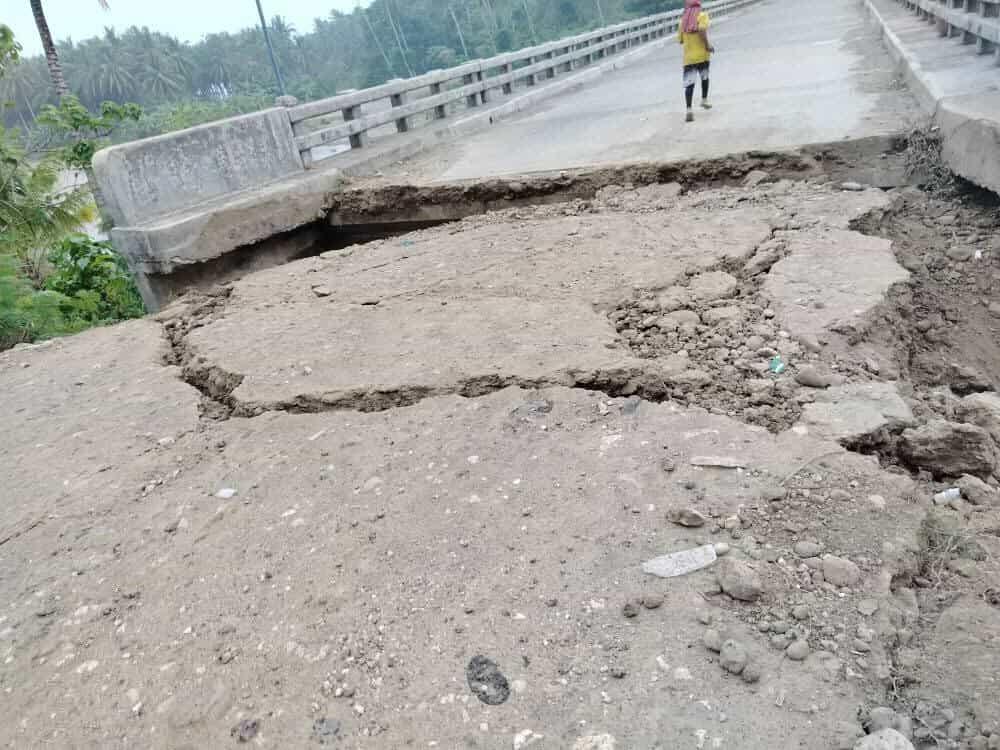
Philippine Trench Triggers Magnitude 7.4 Earthquake in Davao Oriental, Killing One and Triggering Tsunami Alert