Trump Abandons Two-Day-Old Strait of Hormuz Operation Amid Iran Talks Progress
The abrupt reversal raises questions about the administration's strategy as attacks continue to threaten a renewed conflict in the region.
PHILIPPINES —
Key facts
- President Trump abandoned a two-day-old operation to safeguard ships in the Strait of Hormuz.
- The decision was cited as progress in Iran talks.
- The market has not bought into the new plan, indicating skepticism.
- Attacks in the region threaten to reignite the Iran conflict.
- US forces sank Iranian small boats and shot down missiles and drones while reopening the Strait.
- The operation's abandonment came shortly after its initiation.
A Reversal in the Strait
President Trump has abandoned a two-day-old military operation intended to safeguard commercial shipping in the Strait of Hormuz, citing progress in talks with Iran. The abrupt reversal, reported by CNN, came just as the operation was being implemented, raising immediate questions about the administration's coherence and long-term strategy in one of the world's most critical waterways. The decision to halt the operation was announced without detailed explanation, leaving analysts and allies scrambling to interpret the shift. The Strait of Hormuz, a narrow passage through which about a fifth of global oil supply transits, has been a flashpoint for tensions between the United States and Iran for months.
The Operation That Was
The now-abandoned operation had involved US naval forces actively engaging Iranian assets. According to reports, US forces sank Iranian small boats and shot down missiles and drones as they worked to reopen the Strait after a series of attacks. The operation was launched just two days prior, signaling a more aggressive posture from Washington after weeks of escalating incidents. The military engagement appeared to be a direct response to attacks that threatened to reignite the Iran conflict. The US actions were aimed at ensuring freedom of navigation, a principle that both Washington and its allies consider vital for global economic stability.
Market Skepticism and Strategic Uncertainty
Despite the administration's claim of progress in talks, the market has not bought into the new plan. Oil prices remained volatile, reflecting deep skepticism among traders and investors about the durability of any diplomatic breakthrough. The lack of concrete details about the talks or the nature of the progress has fueled uncertainty. The market's reaction underscores a broader unease: that the reversal may be tactical rather than strategic, and that the underlying tensions remain unresolved. The Strait of Hormuz remains a potential flashpoint, and the absence of a clear, sustained policy could embolden further provocations.
Attacks Threaten to Reignite Conflict
The attacks that prompted the initial operation have not ceased, and they continue to threaten a broader confrontation. The downing of US drones and missiles, along with the sinking of Iranian boats, indicates a cycle of retaliation that could spiral out of control. The region remains on edge, with both sides signaling readiness for further action. The decision to abandon the operation may be seen as a de-escalatory move, but it also risks being interpreted as weakness by Tehran. The coming days will be critical in determining whether the talks can yield a tangible agreement or whether the lull in military action is merely a prelude to renewed hostilities.
What Comes Next
The administration has not provided a timeline for the talks or specified what progress has been made. The lack of transparency leaves room for speculation and could undermine confidence in the diplomatic process. Allies in the region, particularly Gulf states that rely on the Strait for oil exports, are watching closely. For now, the Strait of Hormuz remains open, but the underlying threats have not been neutralized. The US military posture in the region remains robust, and the possibility of a renewed operation has not been ruled out. The situation is fluid, and the stakes could not be higher for global energy markets and regional stability.
The bottom line
- President Trump abandoned a two-day-old Strait of Hormuz operation, citing progress in Iran talks.
- US forces had sunk Iranian boats and shot down missiles and drones during the brief operation.
- The market remains skeptical of the new plan, with oil prices reflecting uncertainty.
- Attacks in the region continue to threaten a broader conflict between the US and Iran.
- The reversal raises questions about the administration's strategy and the durability of any diplomatic progress.
- The Strait of Hormuz remains a critical chokepoint for global oil supplies, and the situation is far from resolved.

Anthony Edwards cleared for Game 1 against Spurs after nine-day recovery from knee injury

NLEX faces four-way tie scenario that could cost No. 1 seed against Titan Ultra
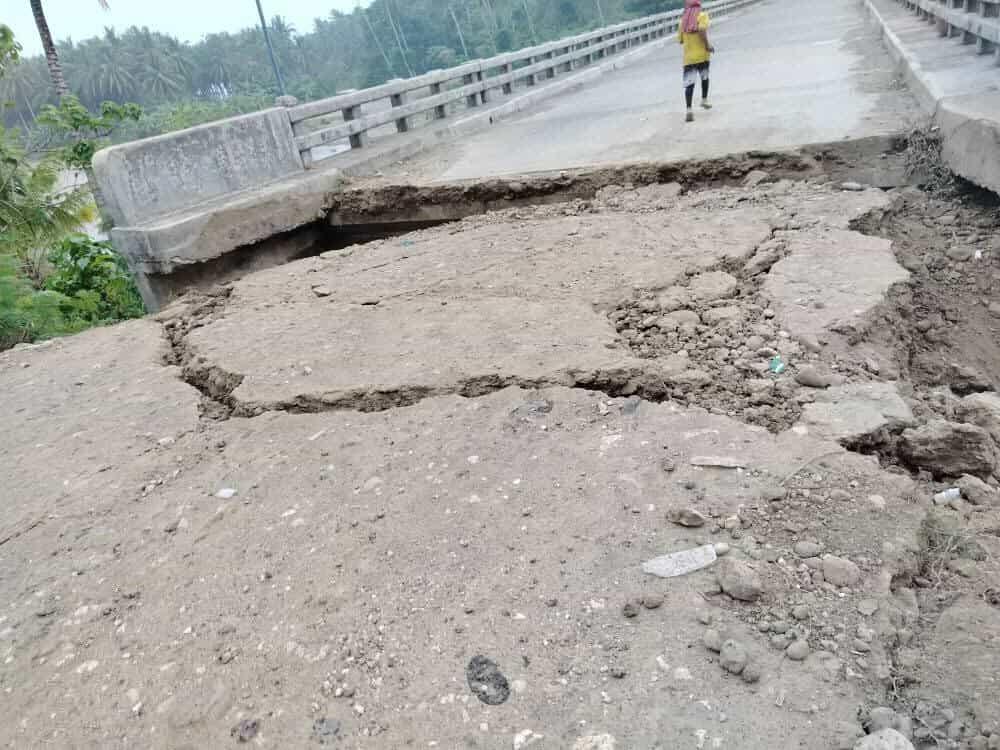
Philippine Trench Triggers Magnitude 7.4 Earthquake in Davao Oriental, Killing One and Triggering Tsunami Alert