Oil Prices Hold Steady as US Begins 'Project Freedom' to Break Strait of Hormuz Blockade
Brent crude barely budges at $108.11 despite Trump's announcement of a 15,000-strong naval operation to guide stranded vessels through the world's most vital oil chokepoint.
PAKISTAN —
Key facts
- Brent crude futures for July stood at $108.11 as of 05:00 GMT, down 0.06%.
- US Central Command said 15,000 service members, guided-missile destroyers, and over 100 aircraft will support the operation.
- Iran's military warned it would attack any foreign forces entering the strait, especially the US army.
- A senior Iranian official said Iran fired a warning shot against a US warship; damage unclear.
- Two US-flagged merchant vessels successfully transited the Strait of Hormuz, Centcom reported.
- The temporary ceasefire between the US and Iran began on April 8; Iran warns any US interference violates it.
- a tanker struck by unknown projectiles off UAE coast; a bulk carrier attacked by small craft off Iran.
- The International Energy Agency called the disruption the biggest energy disruption in history.
A Fragile Ceasefire Meets a Naval Gamble
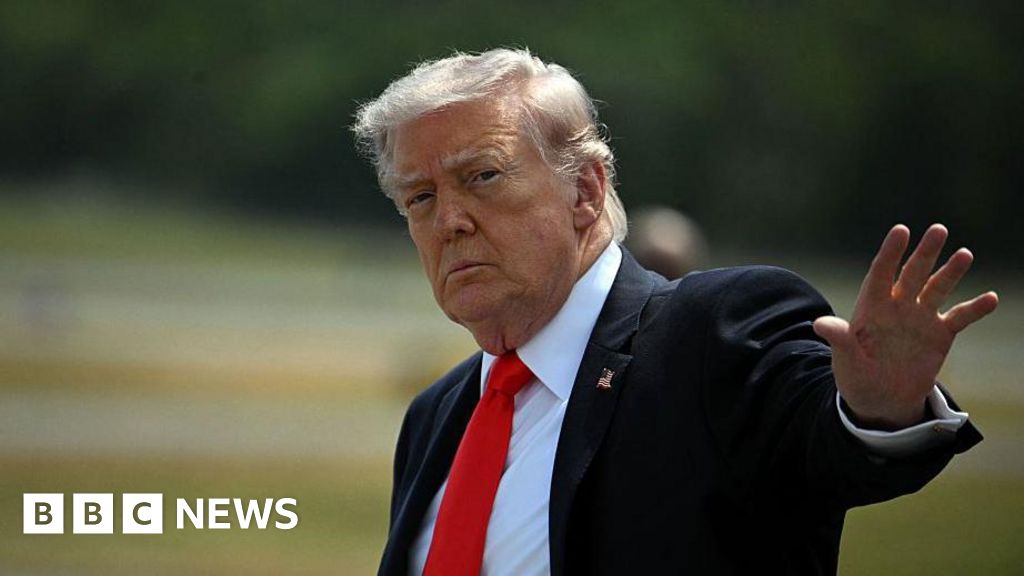
Oil markets opened virtually unchanged on Monday, shrugging off President Donald Trump’s announcement that the United States would begin guiding merchant vessels out of the Strait of Hormuz under a mission dubbed “Project Freedom.” Brent crude for July delivery slipped just 0.06 percent to $108.11 a barrel, reflecting deep skepticism that the operation can resolve what the International Energy Agency has termed the biggest energy disruption in history. The operation comes two weeks into a temporary ceasefire that began on April 8, as the two sides work toward a permanent peace plan. But Tehran has already signaled that it views any American interference in the waterway as a breach of that truce, raising the risk of a direct confrontation that could shatter the fragile calm.
Trump’s Vague Plan and Centcom’s Clarification
Trump announced on Sunday that the US would “help free up” vessels stranded in the Gulf since Iran closed the channel at the start of the war, calling the effort a “humanitarian gesture.” He warned that any interference would “be dealt with forcefully,” but offered few details on how the operation would work. Notably, he did not specify whether the US Navy would provide escorts — a proposal that administration officials had previously shot down, citing the need for further preparations. US Central Command later issued a statement saying it would “support” vessels seeking to transit the waterway, without mentioning escorts. The command detailed the assets involved: guided-missile destroyers, more than 100 land- and sea-based aircraft, multi-domain unmanned platforms, and 15,000 service members. It added that the US naval blockade of Iranian ports would continue.
Iran’s Warnings and a Reported Exchange of Fire
Iran’s military had earlier warned it would attack any foreign forces entering the strait, “especially, the aggressive US army.” On Monday, a senior Iranian official told Reuters that Iran had fired a warning shot against a US warship to prevent its entry, adding that it was unclear whether there was damage. Iranian media, including the semi-official Fars news agency, reported that two missiles struck a US Navy boat sailing through the strait after it ignored a warning from Iran’s Navy. US Central Command denied those reports, stating that “no US Navy ships have been struck” and that forces were “enforcing the naval blockade on Iranian ports.” It later confirmed that two US-flagged merchant vessels had “successfully transited” the strait, though it did not name the vessels. The command said American forces were “actively assisting efforts to restore transit for commercial shipping.”
Tehran’s Political Signal: Ceasefire at Risk
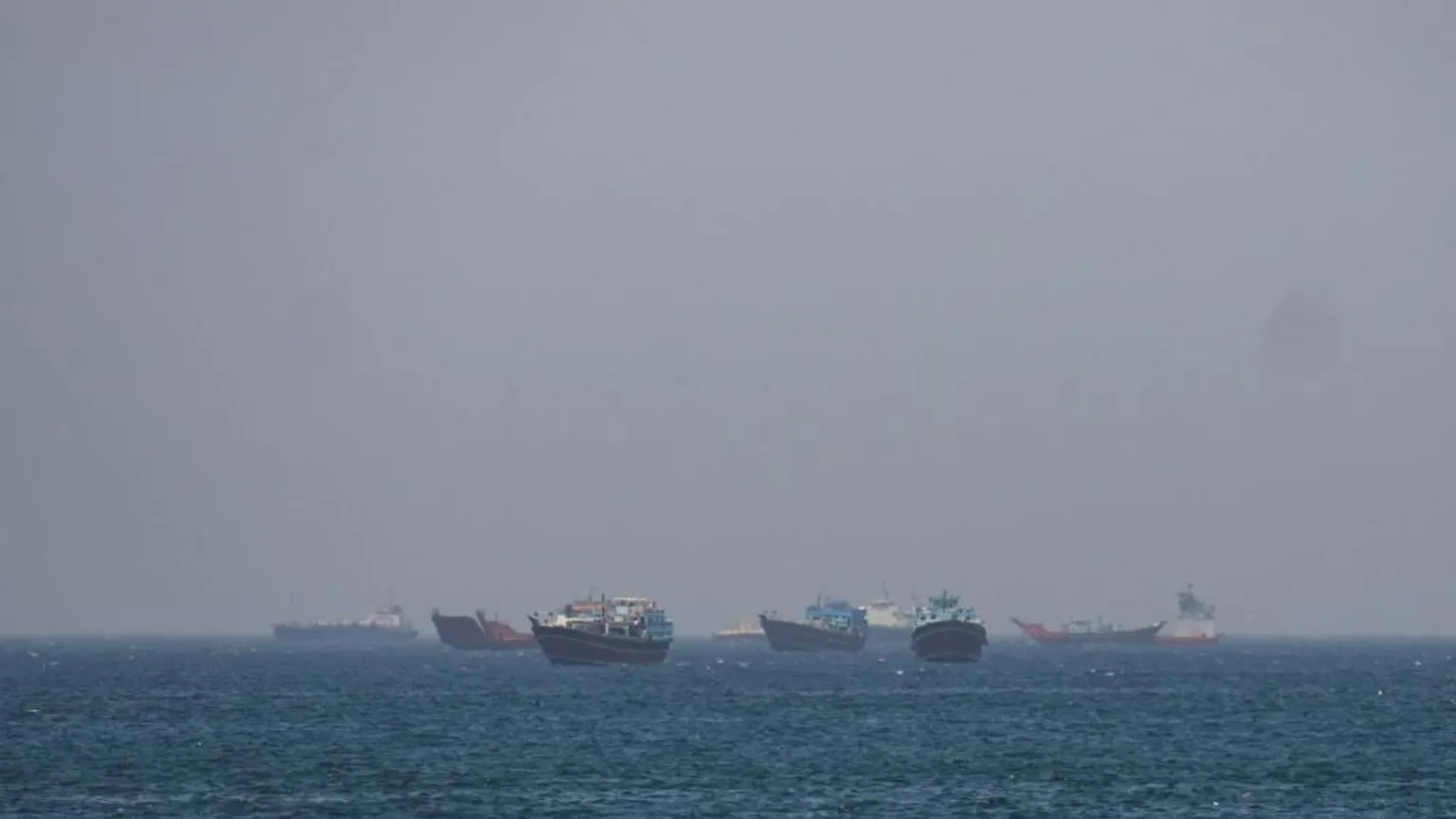
Ebrahim Azizi, the head of the Iranian parliament’s National Security Commission, warned on Sunday that any “American interference” in the strait would be considered a breach of the truce. His statement aligns with earlier warnings from senior Iranian officials that Tehran would not cooperate with Trump’s plan. The ceasefire, which began on April 8, is already fragile, and the competing narratives over Monday’s incident — a warning shot versus a missile strike — underscore the volatility. Meanwhile, the United Kingdom’s military reported that a tanker had been struck by “unknown projectiles” off the coast of the United Arab Emirates, hours after a bulk carrier reported being attacked by multiple small craft off Iran. These incidents, though separate from the US operation, add to the sense of a region on edge.
Market Skepticism and the IEA’s Grim Assessment
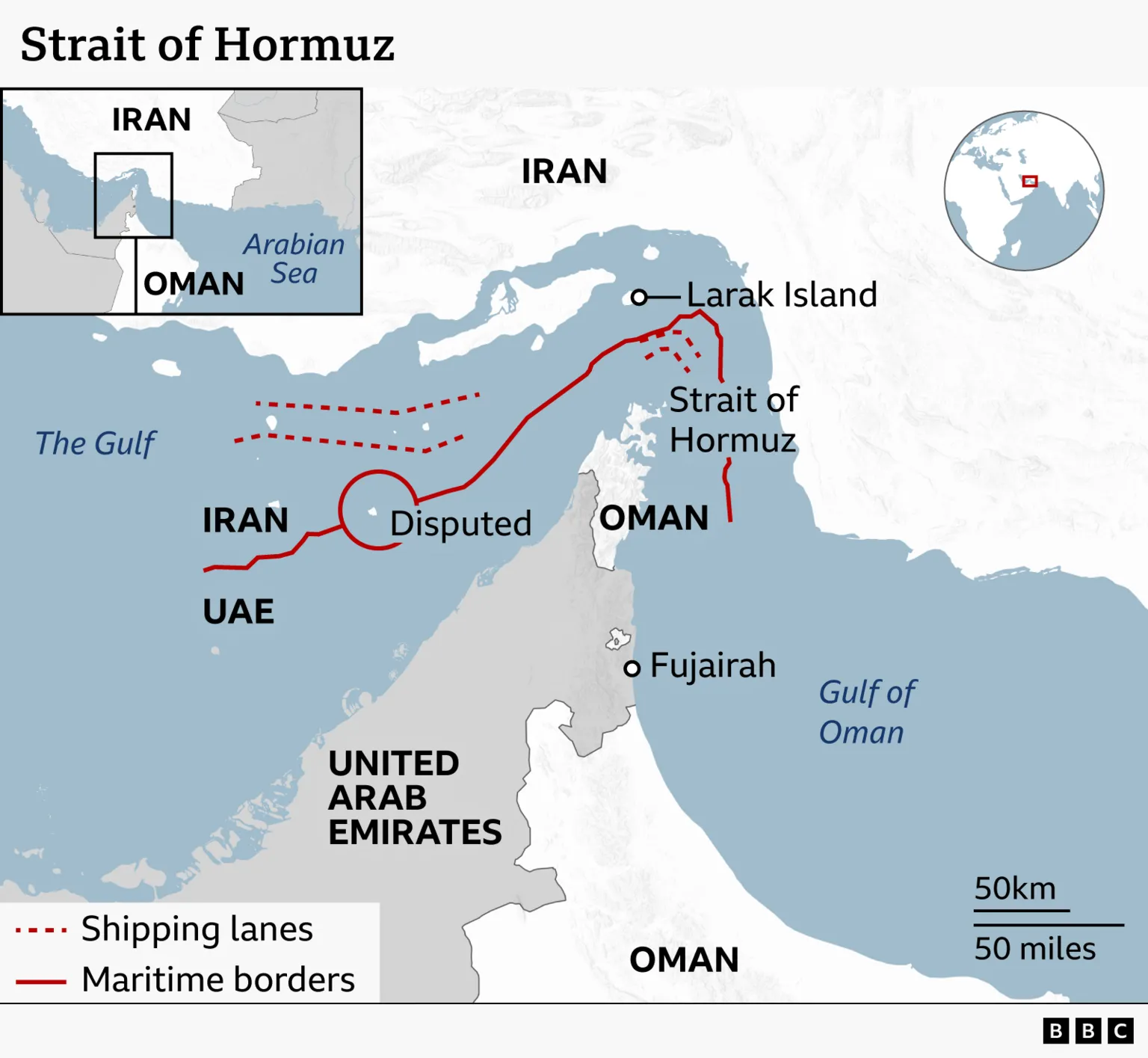
Traders saw little hope that Project Freedom would ease the crisis. Brent’s near-flat movement reflected a market that has priced in prolonged disruption. The International Energy Agency has called the situation the biggest energy disruption in history, a label that underscores the stakes for global supply chains. The Strait of Hormuz handles about a fifth of the world’s oil, and its closure has already sent prices soaring above $110 a barrel. Trump’s failure to specify whether naval escorts would be used — a key detail markets had hoped for — left analysts unconvinced. The administration’s earlier reluctance to commit to escorts, citing the need for more preparation, now appears to have been well-founded, as the operation’s scope remains ambiguous.
What Comes Next: Escalation or Diplomacy?
The success of Project Freedom hinges on whether the US can safely guide vessels through the strait without triggering a military response from Iran. Tehran’s warning that any interference violates the ceasefire raises the prospect of a cycle of retaliation that could undo the diplomatic progress made since April 8. The two sides are still working on a permanent peace plan, but Monday’s events have injected new uncertainty. For now, the world watches the strait. The US has committed significant naval assets, Iran has signaled its red lines, and oil markets remain on edge. The next few days will reveal whether Project Freedom is a genuine humanitarian effort or a prelude to a wider conflict.
The bottom line
- Brent crude barely moved after Trump’s announcement, indicating markets doubt the plan’s effectiveness.
- The US has deployed 15,000 troops, destroyers, and over 100 aircraft, but no naval escorts have been confirmed.
- Iran has warned that any US interference in the strait violates the April 8 ceasefire, raising the risk of a new confrontation.
- A senior Iranian official said a warning shot was fired at a US warship; US Centcom denies any ship was struck.
- Two US-flagged merchant vessels successfully transited the strait, but the broader operation remains untested.
- The IEA has called the disruption the biggest energy disruption in history, underscoring the global stakes.



Pakistan Braces for 37°C Heat as Rain Clears, Winds Drop

Pakistan Raises Light Diesel Price by 17.03 Rupees per Litre, Adding to Fuel Burden

Apple to Keep iPhone 18 Pro Base Prices Unchanged Despite Rising Memory Costs, Analyst Says
