Google Launches Screenless Fitbit Air Tracker, Rebrands App to Google Health
The tech giant aims to unify its health and fitness offerings with a new device and a revamped software experience.

PAKISTAN —
Key facts
- Google has launched the Fitbit Air, a new screenless fitness tracker.
- The device is priced at $99 and weighs just 12g.
- The Fitbit app is being replaced by a new "Google Health" application.
- The Google Health app features a Gemini-powered health coach.
- The Fitbit Air and Google Health app support both Android and iOS devices.
- The Google Health app update begins rolling out on May 19.
- The Fitbit Air is set to be available in stores on May 26.
Google Consolidates Health Ecosystem Under New Brand
Google is making a significant move to unify its health and fitness offerings, retiring the standalone Fitbit app in favor of a new, comprehensive platform called "Google Health." This strategic rebranding aims to meld Fitbit's pioneering spirit with Google's extensive capabilities, signaling a new direction for the company's digital wellness initiatives. While the Fitbit brand will persist for hardware, all software experiences will now fall under the Google Health umbrella. The transition involves an update to the existing Fitbit app, which has been undergoing public preview testing since October. This revamped application introduces a host of new features designed to provide users with a more personalized and integrated health tracking experience. The company emphasizes its commitment to user privacy, stating that Fitbit health and wellness data will not be used for Google Ads.
Introducing the Screenless Fitbit Air Tracker
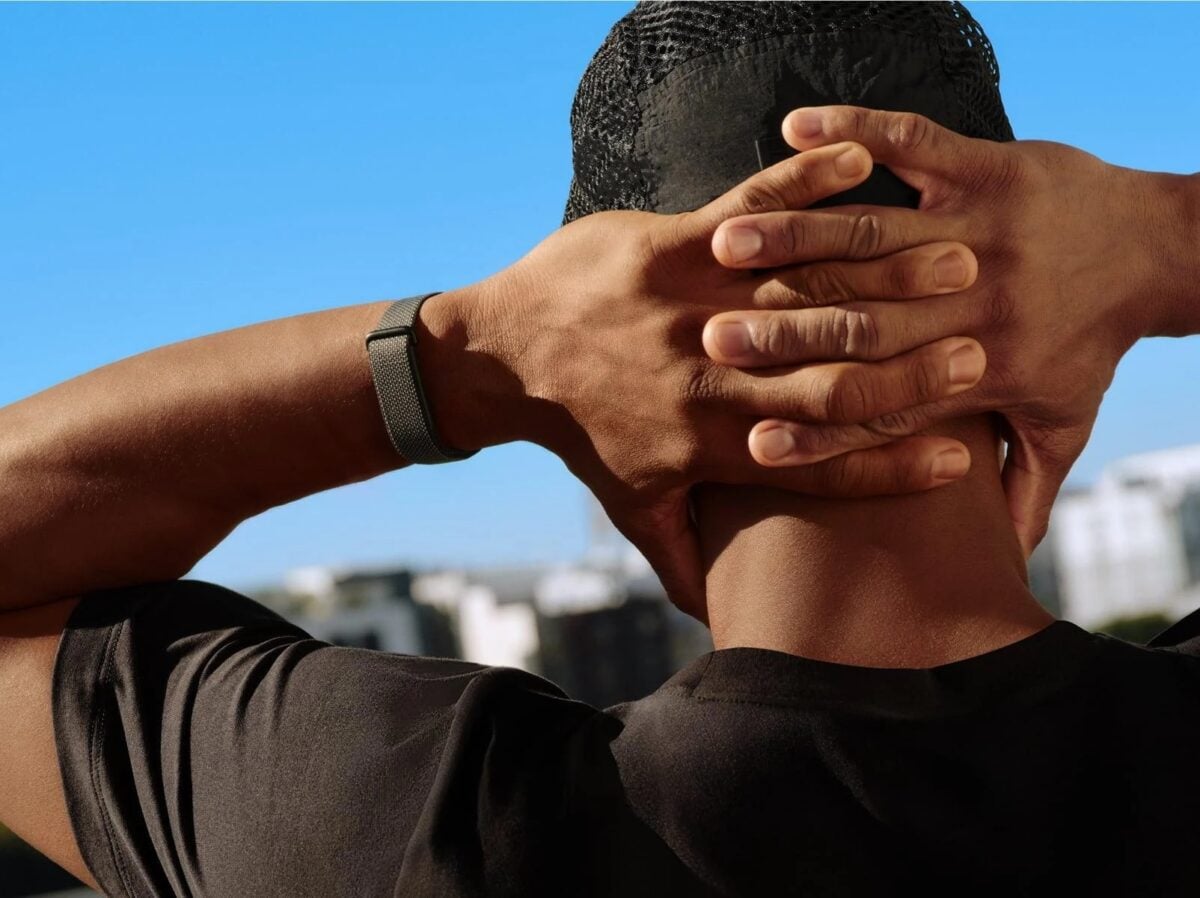
Accompanying the software overhaul is the debut of the Fitbit Air, a new screenless fitness tracker. Priced at $99, this device enters the market as a direct competitor in the growing segment of discrete activity trackers, a trend notably popularized by brands like Whoop. The Fitbit Air is engineered to be exceptionally lightweight, weighing in at just 12 grams, making it comfortable for continuous wear throughout the day and night. Designed with simplicity and essential functionality in mind, the Fitbit Air offers automatic workout tracking and allows for manual logging through the new Google Health app. This minimalist approach focuses on core activity monitoring, positioning the device as an accessible entry point into Google's consolidated health ecosystem.
Google Health App: A Smarter, More Personal Approach
The newly launched Google Health app is at the core of this integrated strategy. It allows for manual logging of various metrics, including activity, body fat, food intake, glucose levels, hydration, menstrual cycles, sleep patterns, temperature, and weight, all through a streamlined interface. Beyond basic step counting, users can now monitor cardio load, and free users gain access to activity, health, and sleep tracking, along with basic logging and the ability to import medical records in the US. A standout feature is the multimodal logging capability, which permits users to input data via text, voice, or even photos. The app can automatically recognize food items from an image of a meal, simplifying the dietary tracking process. This update also introduces a "Google Health Coach," powered by Gemini, designed to adapt in real-time to user metrics and specific requests, offering personalized fitness plans and daily workout recommendations based on individual preferences, routines, and available equipment.
Cross-Platform Compatibility and Competitive Landscape
A significant advantage for Google's new health ecosystem is its broad compatibility. Both the Fitbit Air tracker and the Google Health app are designed to work seamlessly with both Android and iOS devices. This cross-platform support presents a direct challenge to competitors like Samsung, whose wearable devices, while popular among Android users, often face ecosystem limitations when paired with iPhones. Samsung currently lacks a direct equivalent to the screenless Fitbit Air. Its closest offering, the Galaxy Ring, is anticipated to be significantly more expensive and also faces similar ecosystem constraints. The trend towards screenless activity trackers is gaining momentum, and Google's move with the Fitbit Air and its iOS-compatible app positions it strongly in this evolving market.
Rollout and Future Integration
The rollout of the Google Health app update is scheduled to commence on May 19, with full availability preceding the Fitbit Air's arrival in stores on May 26. This phased approach ensures a smooth transition for existing users. For those currently using the Google Fit app, a data migration path to Google Health is planned for later in the year, aiming to consolidate user history within the new platform. This strategic consolidation, mirroring Google's approach with Nest for hardware and Google for software, signals a clear intent to streamline its consumer-facing health technology. The company's commitment to not using Fitbit user health data for advertising purposes is a critical assurance for privacy-conscious consumers navigating the increasingly data-rich landscape of digital wellness.
The bottom line
- Google has launched the $99 Fitbit Air, a lightweight, screenless fitness tracker.
- The Fitbit app is being replaced by "Google Health," unifying software under one brand.
- The new Google Health app features multimodal logging and a Gemini-powered AI coach.
- Both the Fitbit Air and Google Health app offer compatibility with Android and iOS devices.
- The Google Health app update begins rolling out May 19, with the Fitbit Air launching May 26.
- Google assures Fitbit health data will not be used for advertising purposes.



Kim Ju Ae’s leather jackets and honorifics: North Korea grooms a teenage successor

Google Launches Screenless Fitbit Air Tracker, Rebrands App to Google Health

Google Launches Screenless Fitbit Air, Rebrands Fitbit App as Google Health
