Google Launches Screenless Fitbit Air Tracker, Rebrands App to Google Health
The new wearable and revamped health platform aim to offer deeper insights and personalized coaching at a lower price point.

PAKISTAN —
Key facts
- The Fitbit Air is a new screenless fitness tracker priced at $99.99.
- It offers up to a week of battery life and fast charging.
- The device monitors heart rate, sleep, and fitness activities automatically.
- Fitbit's app is being rebranded to Google Health, rolling out May 19.
- Google Health Premium, included for three months with the Fitbit Air, offers advanced features.
- The Google Health Coach utilizes Gemini for personalized, real-time fitness plans.
- Fitbit Air will be available for purchase on May 26.
- Google states it remains committed to not using Fitbit user data for ads.
A New Era for Wearable Health
Google has unveiled the Fitbit Air, a new screenless fitness tracker designed for continuous, unobtrusive health monitoring. Priced at $99.99, the device aims to make in-depth health insights more accessible and comfortable for everyday wear. This launch coincides with a significant rebranding of Fitbit's software, as the company transitions its dedicated app to "Google Health." The Fitbit Air is positioned as Google's smallest and most affordable tracker to date. Its screenless design emphasizes a focus on living in the moment, allowing users to check their detailed health statistics via a smartphone app when desired. This minimalist approach seeks to address user concerns about wearables being too bulky, complicated, or expensive. This strategic move signals Google's intent to consolidate its health and wellness offerings under a unified software umbrella, leveraging the "pioneering spirit" of Fitbit with the broader capabilities of Google's ecosystem. The company asserts its commitment to user privacy, stating that Fitbit health data will not be used for advertising purposes.
Fitbit Air: Minimalist Design, Maximum Insight
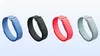
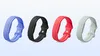
The new Fitbit Air is characterized by its lightweight, pebble-like form factor, designed for comfortable 24/7 wear. Without a screen, it focuses on silently tracking key metrics such as heart rate, sleep patterns, and fitness activities. The device boasts an impressive battery life of up to a week on a single charge, with a fast-charging capability that provides a full day's power in just five minutes. Workout detection is largely automated, with the Fitbit Air capable of identifying and logging common activities. Users can also initiate workouts through the Google Health app or log them manually. For more advanced tracking, the app allows users to photograph cardio equipment or whiteboard routines, which Google's AI can then interpret. Each Fitbit Air purchase includes a three-month trial of Google Health Premium, offering access to more advanced features and personalized coaching. The device is available for pre-order starting at $99.99 and is set to hit store shelves on May 26.
Google Health App Integrates Fitbit's Legacy
The rebranding of the Fitbit app to "Google Health" marks a significant shift in how users will interact with their health data. This new platform, which has been in public preview since October, aims to merge Fitbit's established expertise in wearables with Google's AI and data processing capabilities. The update is scheduled to begin rolling out on May 19, with full availability preceding the Fitbit Air's launch. Google Health introduces a more streamlined interface and enhanced customization options for the dashboard. A new "Log" button allows users to manually input a wider array of metrics, including activity, body fat, food intake, glucose levels, hydration, period tracking, sleep, temperature, and weight. Free users will have access to basic activity, health, and sleep tracking, alongside the ability to import medical records in the U.S. This consolidated platform is designed to be the central hub for all Fitbit hardware, effectively sunsetting the older Google Fit app over time. Users of Google Fit will be able to migrate their data to Google Health later this year, ensuring a smoother transition for long-term users.
AI-Powered Coaching and Multimodal Logging
Central to the Google Health experience is the new Google Health Coach, powered by Gemini. This AI-driven coach is designed to adapt to user metrics in real time and respond to direct requests, creating personalized fitness plans and daily workout recommendations. The setup process involves users sharing their preferences, routines, and available equipment to tailor the coaching experience. Multimodal logging represents another key innovation within the Google Health app. Users can now log data through text, voice commands, or even by taking photos. For instance, a picture of a meal can be automatically recognized and logged, simplifying the process of tracking dietary intake. This integration of advanced AI and flexible input methods aims to make health management more intuitive and personalized. The system's ability to adapt and learn from user interactions promises a dynamic and responsive health coaching experience.
A Strategic Play in the Wearables Market
The introduction of the Fitbit Air and the Google Health platform represents a calculated strategy by Google to strengthen its position in the competitive wearables market. By offering a more affordable, screenless device and a unified, AI-enhanced software experience, the company targets a broader consumer base. The screenless design, coupled with a week-long battery life, addresses common pain points for wearable users, emphasizing convenience and continuous monitoring. The integration with Google's AI capabilities, particularly through the Health Coach, aims to differentiate the offering from competitors by providing highly personalized and adaptive fitness guidance. This move also appears to be an attempt to rectify past missteps in the wearable space, such as the "Fitbit / Google Fit debacle." By clearly delineating hardware (Fitbit) and software (Google Health) responsibilities, similar to its Nest strategy, Google seeks to establish a more coherent and user-friendly product ecosystem. The success of this strategy will hinge on its ability to deliver on the promise of deep, personalized insights without overwhelming users or compromising their privacy.
The bottom line
- Google has launched the Fitbit Air, a $99.99 screenless fitness tracker with a week-long battery life.
- The Fitbit app has been rebranded to Google Health, featuring AI-powered coaching and multimodal logging.
- The Fitbit Air is designed for comfortable, 24/7 monitoring of heart rate, sleep, and activity.
- A three-month trial of Google Health Premium is included with the purchase of the Fitbit Air.
- The Google Health app will begin rolling out on May 19, with the Fitbit Air available from May 26.
- Google has reiterated its commitment to not using user health data for advertising purposes.




Google Launches Screenless Fitbit Air Tracker, Rebrands App to Google Health

Kim Ju Ae’s leather jackets and honorifics: North Korea grooms a teenage successor

Google Launches Screenless Fitbit Air, Rebrands Fitbit App as Google Health
