Hantavirus Outbreak on Cruise Ship Claims Lives, Prompts Global Health Alert
A deadly hantavirus outbreak aboard the MV Hondius has led to multiple deaths and a complex international effort to track and contain the spread.
PAKISTAN —
Key facts
- Three passengers have died aboard the MV Hondius due to a hantavirus outbreak.
- The outbreak is caused by the Andes virus (ANDV), which can spread between humans.
- A British man, Martin Anstee, is among three individuals evacuated for treatment in the Netherlands.
- Twenty-three passengers disembarked on April 21 in Saint Helena and have since returned to their home countries.
- Argentina, with the highest regional incidence of hantavirus, is investigating the ship's departure point.
- The World Health Organization began contacting disembarked passengers days after they returned home.
- Hantavirus pulmonary syndrome can be fatal in nearly a third of cases.
Cruise Ship Becomes Epicenter of Deadly Virus
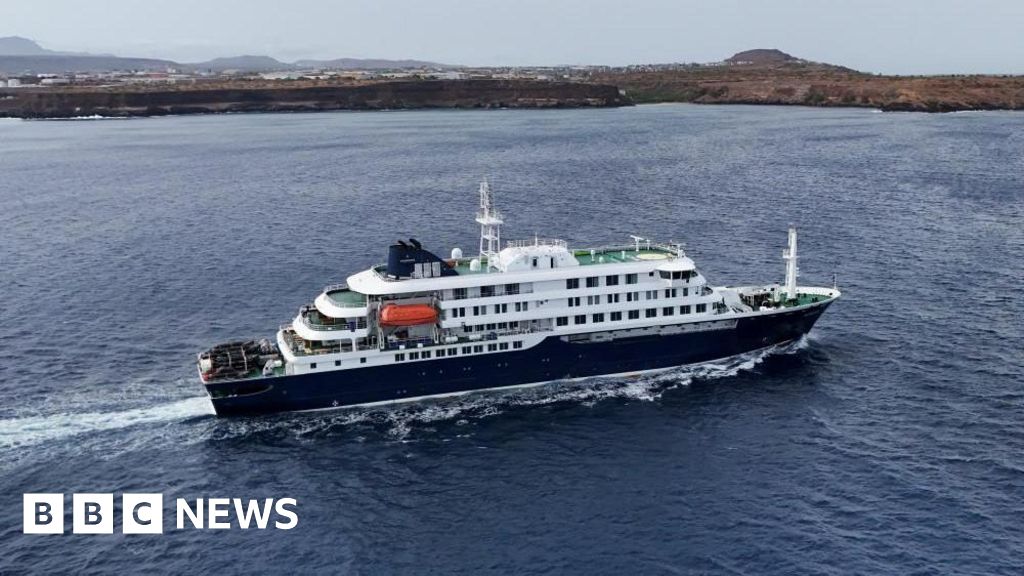
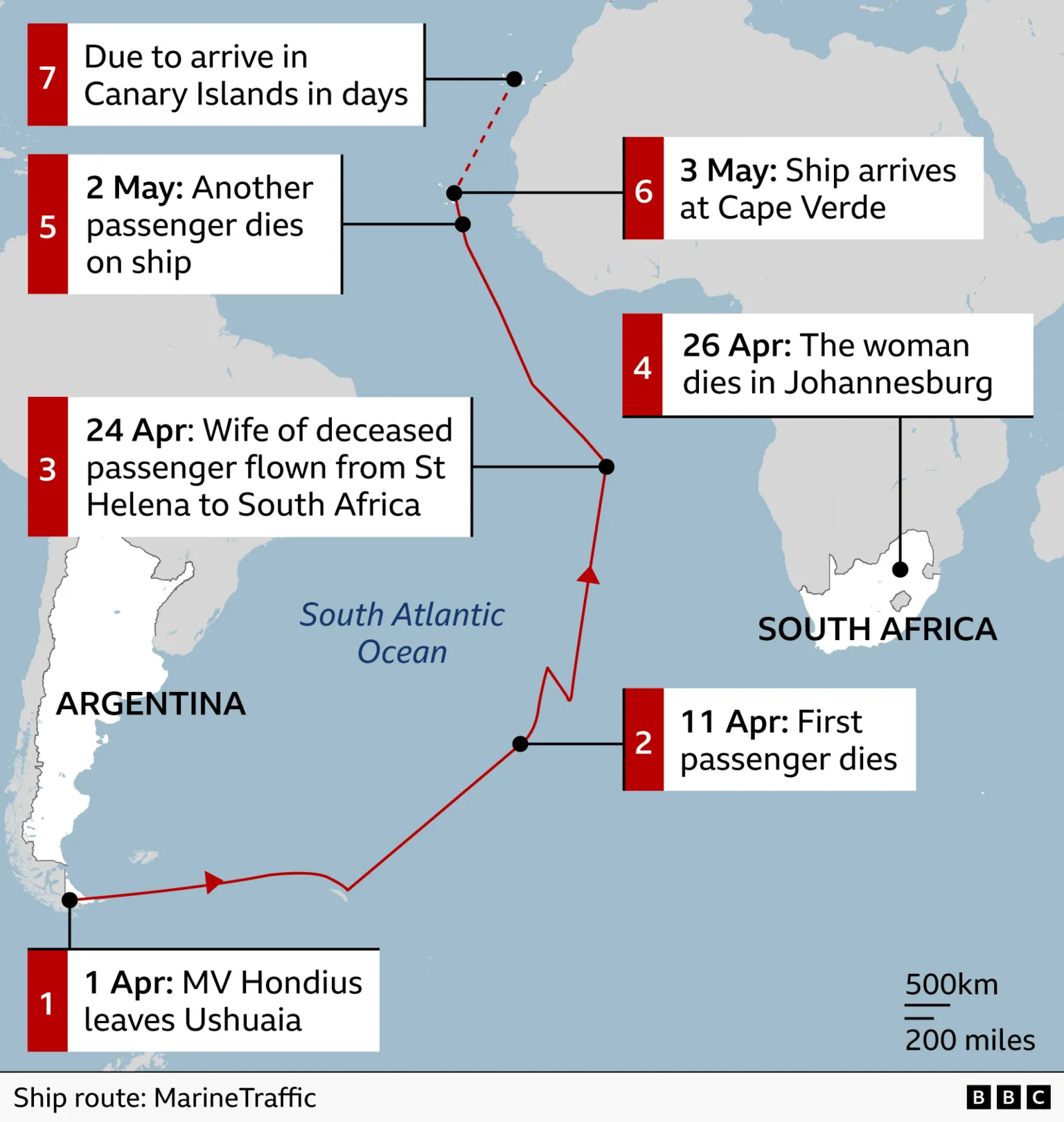
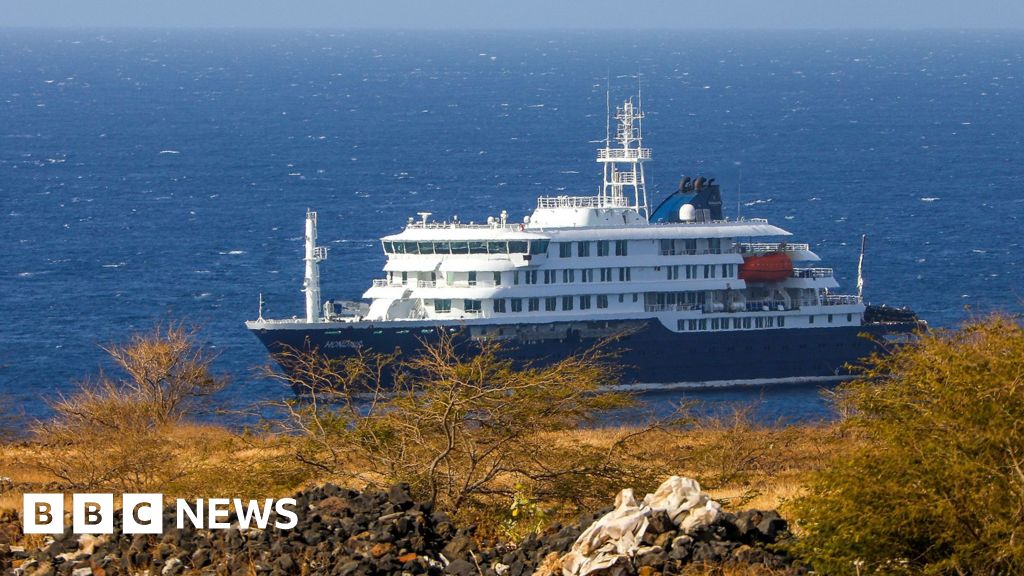
A deadly hantavirus outbreak has gripped the MV Hondius, a cruise ship that departed from Argentina, leading to multiple fatalities and prompting a global health alert. The virus, identified as the Andes virus (ANDV), has claimed the lives of at least three passengers since the vessel set sail a month ago. The situation has escalated into a complex international effort involving multiple nations and health organizations attempting to trace the source and contain the spread of the potentially fatal disease. The MV Hondius, initially on a voyage to Antarctica, is now sailing towards Spain's Canary Islands after being anchored for three days off the coast of Cape Verde. The ship has become a focal point for a disease that, while rare, carries a significant mortality rate and, in the case of the Andes strain, can transmit between humans. The gravity of the situation was underscored by the evacuation of three passengers displaying symptoms. Two individuals, in serious condition, arrived in the Netherlands for urgent medical treatment, while a third, in stable condition, was delayed. This unfolding crisis highlights the challenges of managing infectious disease outbreaks in confined environments and across international borders.
Evacuations and International Concern
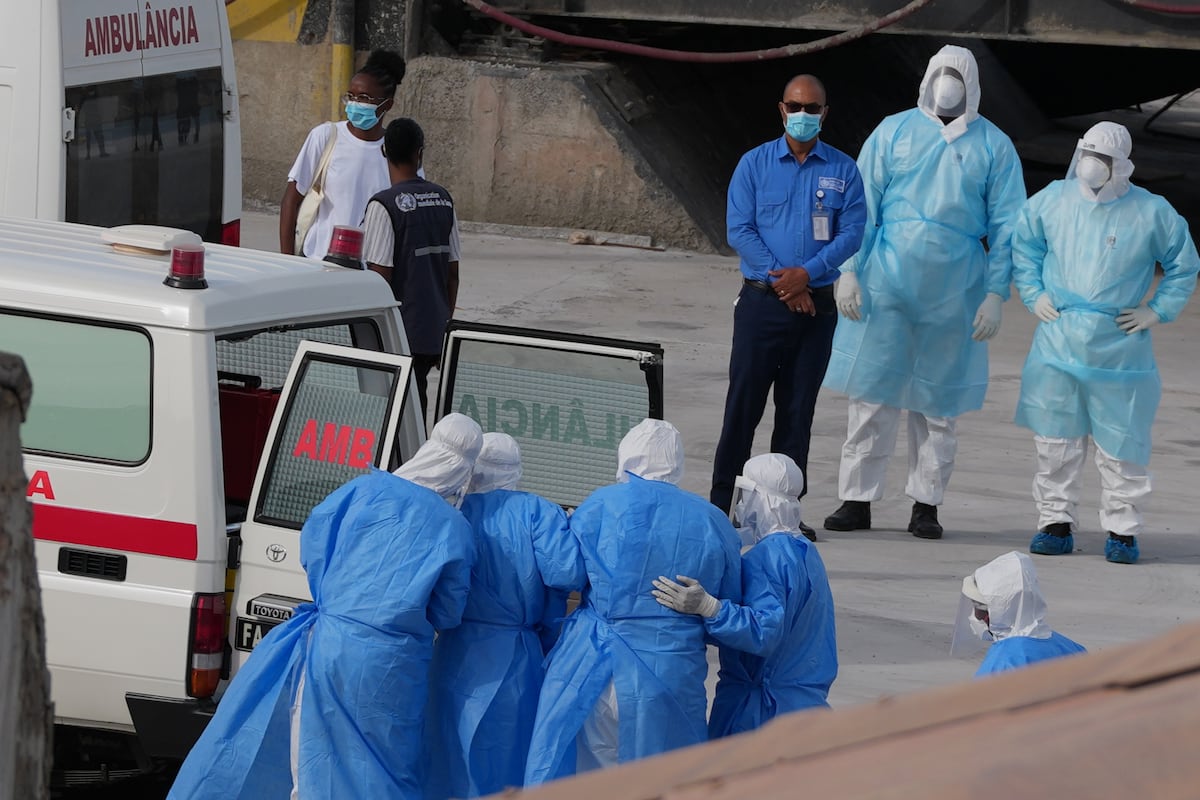
Among those evacuated to the Netherlands is a 56-year-old British former police officer, identified by media as Martin Anstee, who is reportedly in stable condition. A 41-year-old Dutch crew member has also been evacuated. The operator, Oceanwide Expeditions, confirmed that a 65-year-old German passenger, who was closely associated with a German woman who died on board on May 2, is among those receiving care. Separately, a KLM flight attendant in Amsterdam was admitted to hospital with hantavirus symptoms, reportedly after contact with a 69-year-old Dutch woman who had briefly been on a KLM plane in South Africa. This woman later died, and South African health authorities are investigating her death as a suspected hantavirus case. The international reach of the outbreak extends to the United States, where Georgia and Arizona health departments are monitoring three passengers who had returned to the US after disembarking the ship earlier. These individuals are reportedly in good health and showing no signs of infection. The World Health Organization (WHO) has also confirmed that a man who travelled back to Switzerland tested positive for hantavirus and is hospitalized in Zurich.
The Andes Virus: A Human-Transmissible Threat
The hantavirus outbreak aboard the MV Hondius is specifically caused by the Andes virus (ANDV), a strain recognized for its capacity for human-to-human transmission. While hantaviruses are a diverse family with at least 38 species, only the Andes virus is known to spread directly between people, typically through close, prolonged contact involving bodily fluids. This characteristic elevates the concern surrounding the outbreak, as it increases the potential for wider community transmission beyond initial rodent exposure. In Argentina, where the cruise originated, the Andes virus can cause a severe and often fatal lung disease known as hantavirus pulmonary syndrome. the disease led to death in nearly a third of cases in the past year. The country consistently ranks highest in the region for hantavirus incidence, according to the WHO, prompting its officials to actively investigate the ship's departure point for potential contamination sources. Authorities in Argentina are working to trace the itineraries of infected passengers within the country before they boarded the Dutch-flagged cruise liner in Ushuaia. Their plan involves isolating close contacts and actively monitoring for any signs of further spread, a critical step given the virus's potential for human transmission.
Delayed Contact Tracing Fuels Concern
A significant point of concern has emerged regarding the timeline for contacting passengers who disembarked the MV Hondius. Twenty-three passengers had been on land for more than two weeks, having disembarked on April 21 in Saint Helena, ten days after the first reported death on board. These passengers then resumed their journeys home to various countries, including Australia, Taiwan, the United States, England, and the Netherlands. According to a Spanish passenger who remained on the ship, these 23 individuals were "wandering around" without any contact from health authorities until three days prior to the report. This delay in notification has raised fears that some of these passengers may have unknowingly spread the virus in their home countries. The WHO only began contacting this group of passengers several days ago, with some not being reached until the day before the report. This lapse in timely communication is particularly worrying given that at least one of these disembarked passengers, the man now hospitalized in Switzerland, tested positive for hantavirus after falling ill. The WHO confirmed eight cases in total on the ship, with three confirmed and three deaths.
Argentina's Hantavirus Burden and the Cruise's Origin
Argentina, a nation grappling with a significant burden of hantavirus, is at the center of the investigation into the MV Hondius outbreak. The country consistently records the highest incidence of the rodent-borne disease in Latin America, according to the World Health Organization. Since June 2025, the 101 hantavirus infections, a figure roughly double that of the previous year, underscoring the endemic nature of the virus in the region. Passengers on the MV Hondius departed from Ushuaia, a city in southern Argentina known as a gateway to Antarctica. Argentine officials are meticulously working to retrace the movements of passengers within the country before they boarded the ship. The objective is to identify potential sources of contamination and to implement contact tracing and monitoring protocols to prevent further dissemination of the virus. Argentina has also pledged to support international efforts by sending genetic material of the Andes virus and testing equipment to Spain, Senegal, South Africa, the Netherlands, and the United Kingdom. This collaboration aims to bolster detection capabilities and facilitate a coordinated global response to the emerging health crisis.
Future Implications and Ongoing Vigilance
The hantavirus outbreak on the MV Hondius serves as a stark reminder of the potential for infectious diseases to emerge and spread rapidly, even in the era of advanced global travel. The delayed contact tracing with passengers who disembarked on Saint Helena highlights critical gaps in public health response mechanisms, particularly concerning timely information dissemination to individuals who may have been exposed. As the ship continues its journey and affected individuals receive treatment across different continents, the focus remains on thorough investigation, robust surveillance, and international cooperation. The WHO's involvement underscores the global nature of the threat, requiring coordinated efforts to manage the immediate crisis and to learn from it to prevent future occurrences. The long-term implications of this outbreak will depend on the effectiveness of ongoing containment measures, the success of contact tracing efforts, and the ability of health authorities worldwide to adapt and respond to emerging infectious disease threats. The world watches as nations work to contain a virus that has, for now, turned a luxury cruise into a harbinger of a serious public health challenge.
The bottom line
- The MV Hondius cruise ship is experiencing a deadly outbreak of the Andes virus (ANDV), a strain of hantavirus capable of human-to-human transmission.
- At least three passengers have died, and several others have been evacuated for treatment in the Netherlands.
- Twenty-three passengers who disembarked on April 21 in Saint Helena have returned to their home countries, raising concerns about potential wider spread.
- The World Health Organization's delayed contact with these disembarked passengers has drawn criticism and amplified fears of undetected transmission.
- Argentina, a region with a high incidence of hantavirus, is investigating the ship's departure point for the source of the outbreak.
- The Andes virus can cause hantavirus pulmonary syndrome, a severe lung disease with a significant mortality rate.

Hantavirus Confirmed on Atlantic Cruise Ship After Three Deaths, WHO Investigates

GCU Baseball Game Against Arizona State Canceled
Jersey Zoo's £8m Gorilla Enclosure Opens, Hailed as World-Class