Third Interstellar Visitor 3I/ATLAS Races Through Solar System at Record Speed
NASA confirms the object is a comet, but its unusual composition and trajectory continue to intrigue astronomers worldwide.
PAKISTAN —
Key facts
- 3I/ATLAS was first detected on July 1, 2025, by the ATLAS telescope in Chile.
- It is traveling at 245,000 km/h, the fastest known object in the solar system.
- The object's nucleus is estimated to be under 5.6 km wide by Hubble, but up to 20 km by other estimates.
- It will reach perihelion on October 30, 2025, at 1.4 AU from the Sun.
- Its closest approach to Earth is on December 19, 2025, at a safe distance of 1.8 AU.
- JWST data reveal high CO₂ levels and low water-ice activity in its coma.
- A non-gravitational acceleration measured in December 2025 is attributed to outgassing, not alien technology.
- Harvard's Avi Loeb has posted a preprint suggesting the object could be alien technology, though he calls a comet the simplest explanation.
A Cosmic Interloper Arrives
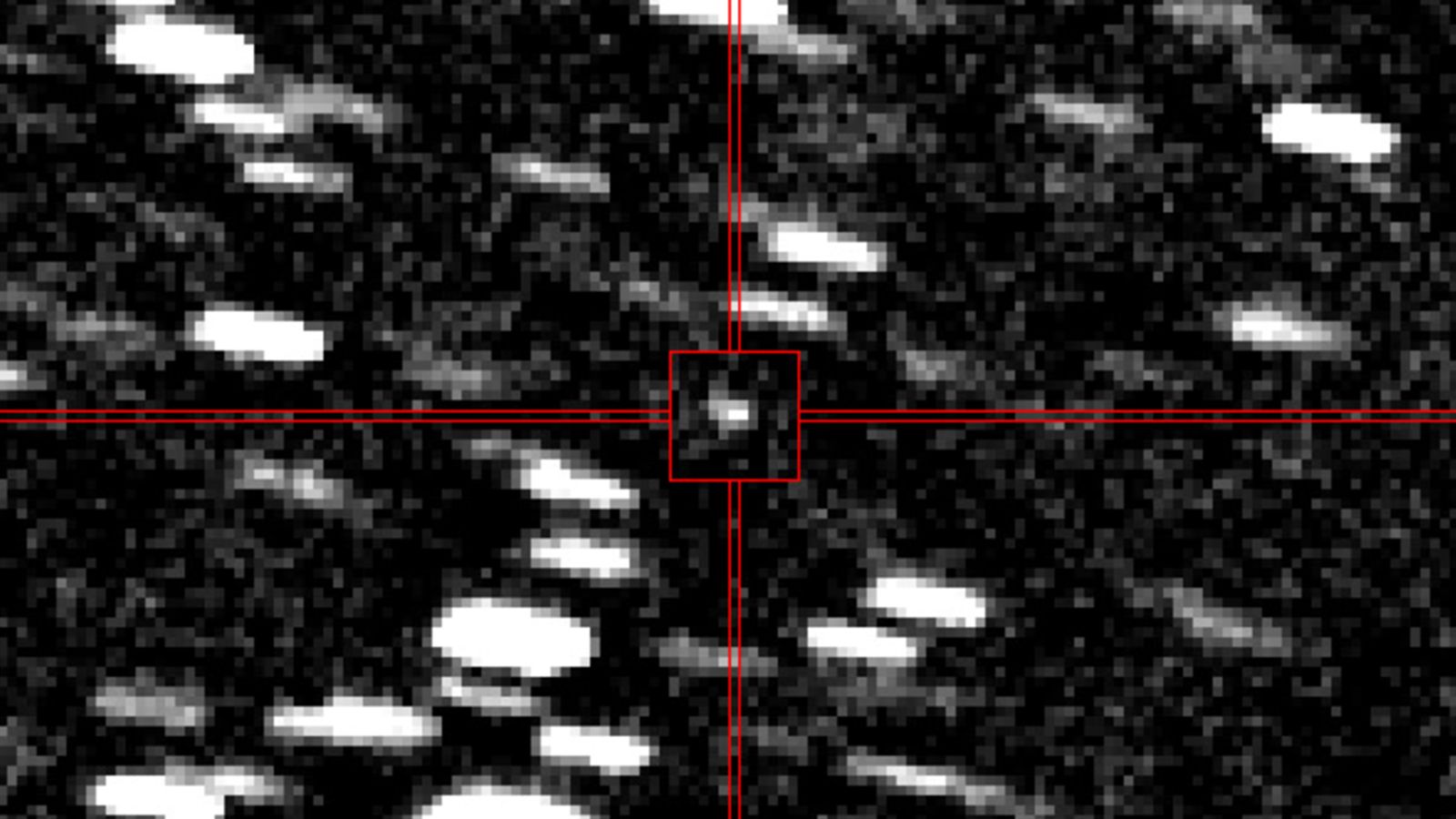
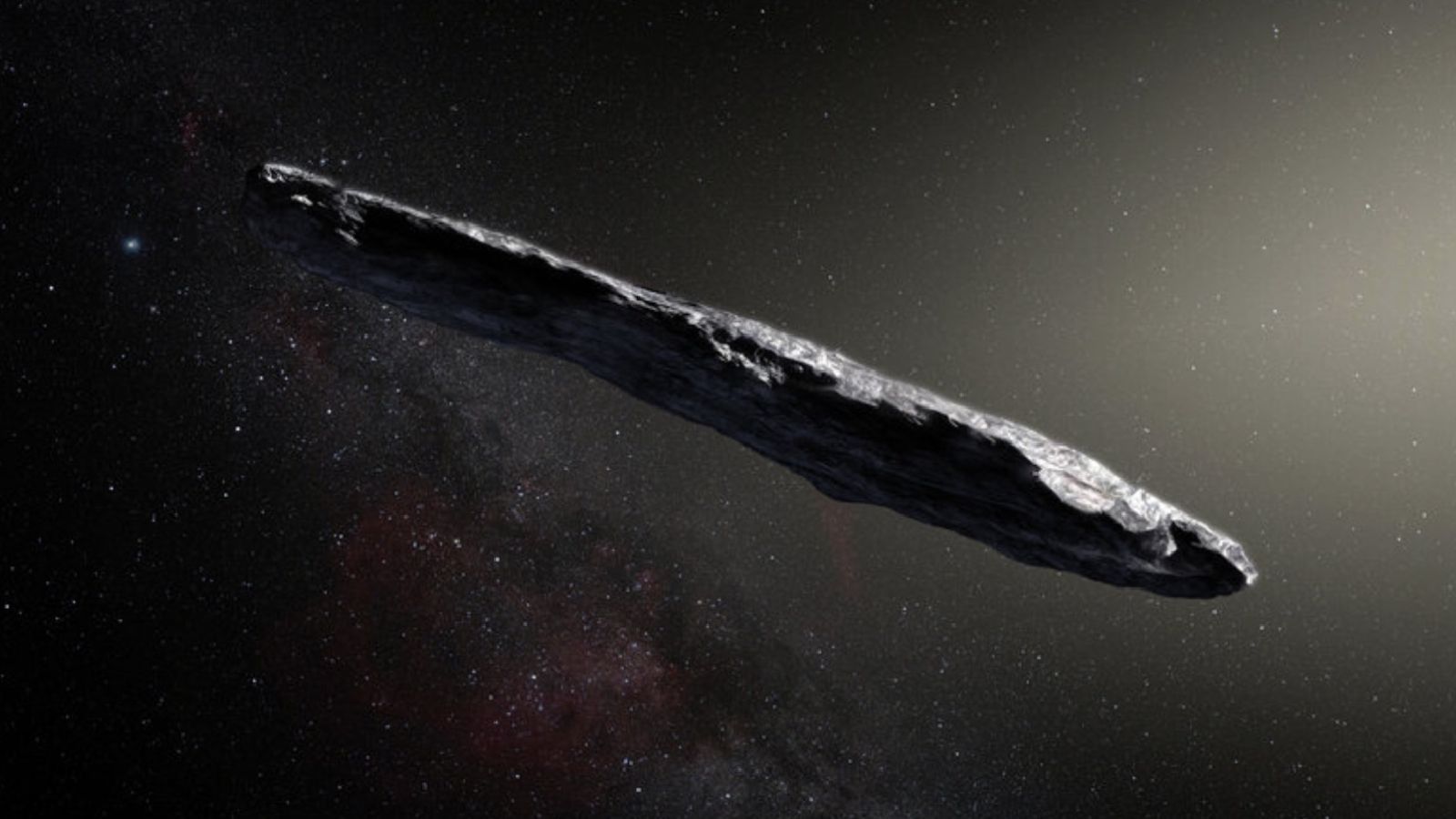
On July 1, 2025, astronomers detected a fast-moving object hurtling toward the Sun. Named 3I/ATLAS, it is only the third confirmed interstellar visitor to enter our solar system, following ʻOumuamua in 2017 and Comet 2I/Borisov in 2019. Its hyperbolic trajectory, confirmed by NASA and the International Astronomical Union, proves it originated beyond the Sun's gravitational influence. The object was first spotted in data collected between June 25 and June 29 by the Asteroid Terrestrial-impact Last Alert System (ATLAS), which operates telescopes in Hawaii, Chile, and South Africa. Subsequent observations traced its presence back to June 14.
Record Speed and Unusual Trajectory
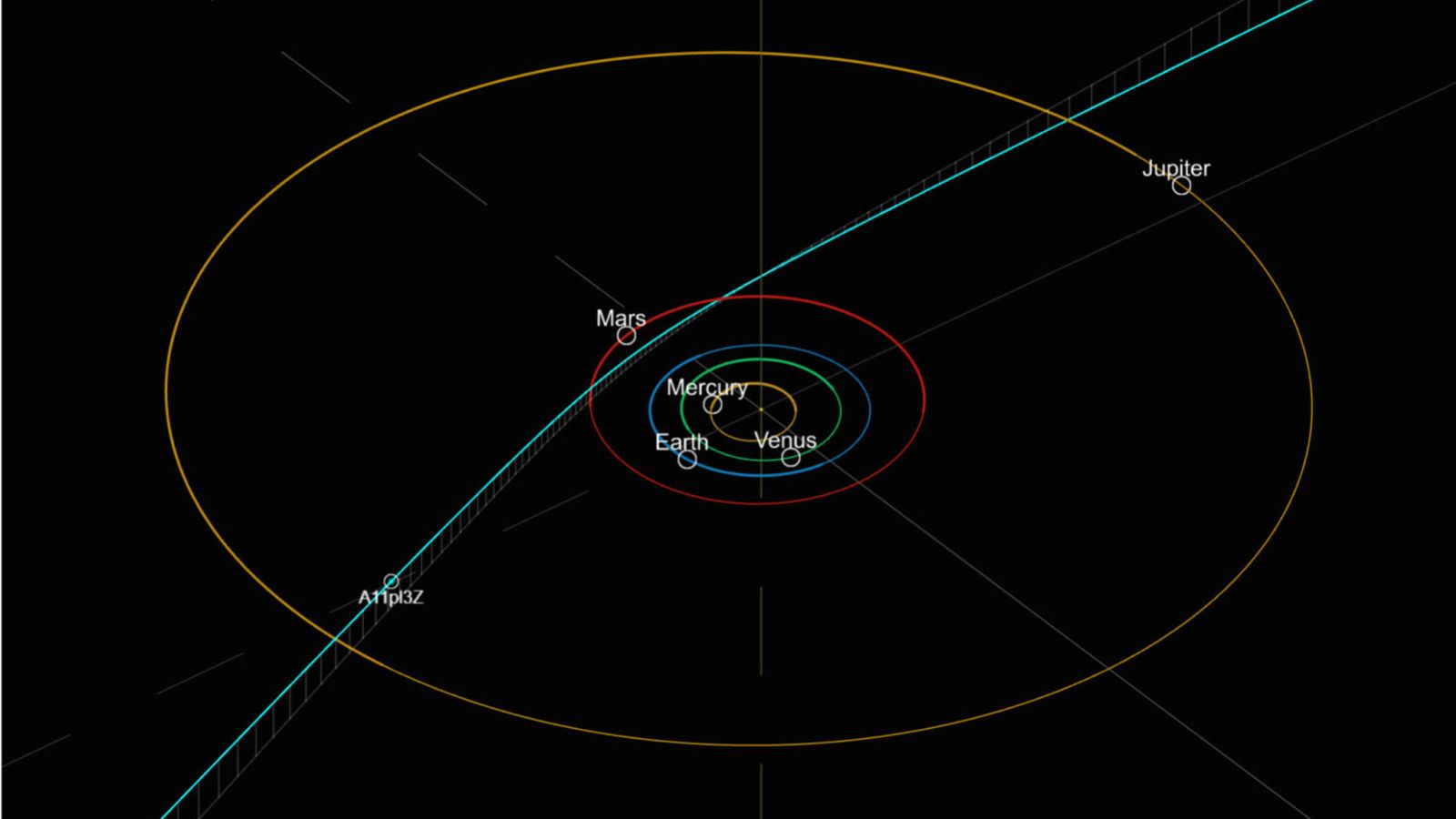
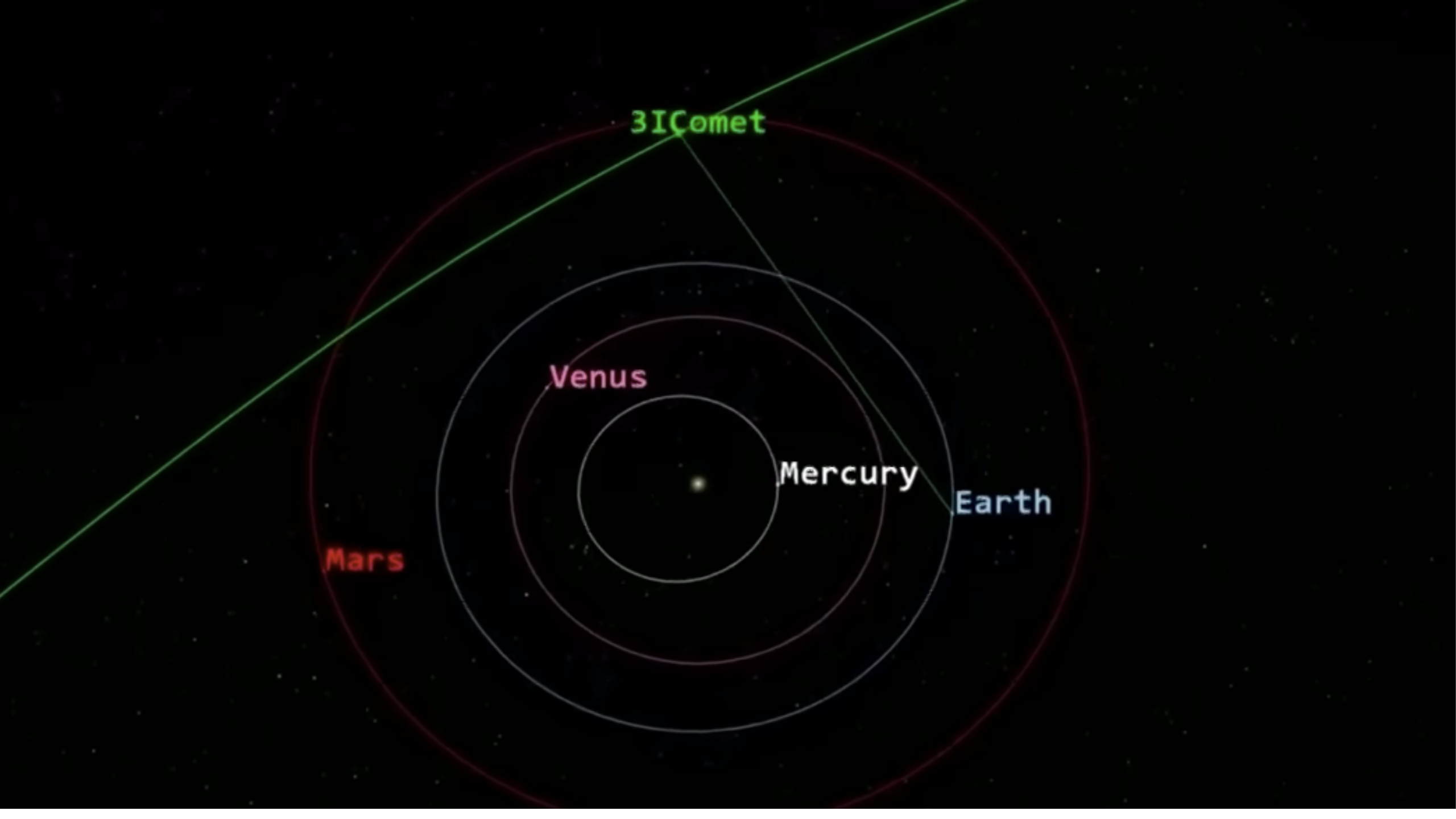
3I/ATLAS is moving at an extraordinary 245,000 kilometers per hour (152,000 mph), making it the fastest known object ever observed within the solar system. Its trajectory is extremely flat and straight, unlike typical solar system bodies, indicating it has enough momentum to pass through without being captured. The object will reach perihelion on October 30, 2025, coming within 1.4 astronomical units (AU) of the Sun. Its closest approach to Earth occurs on December 19, 2025, at a distance of 1.8 AU (about 270 million kilometers), posing no threat. The comet will also make a close pass by Mars at 0.4 AU.
From Asteroid to Comet: A Shift in Classification
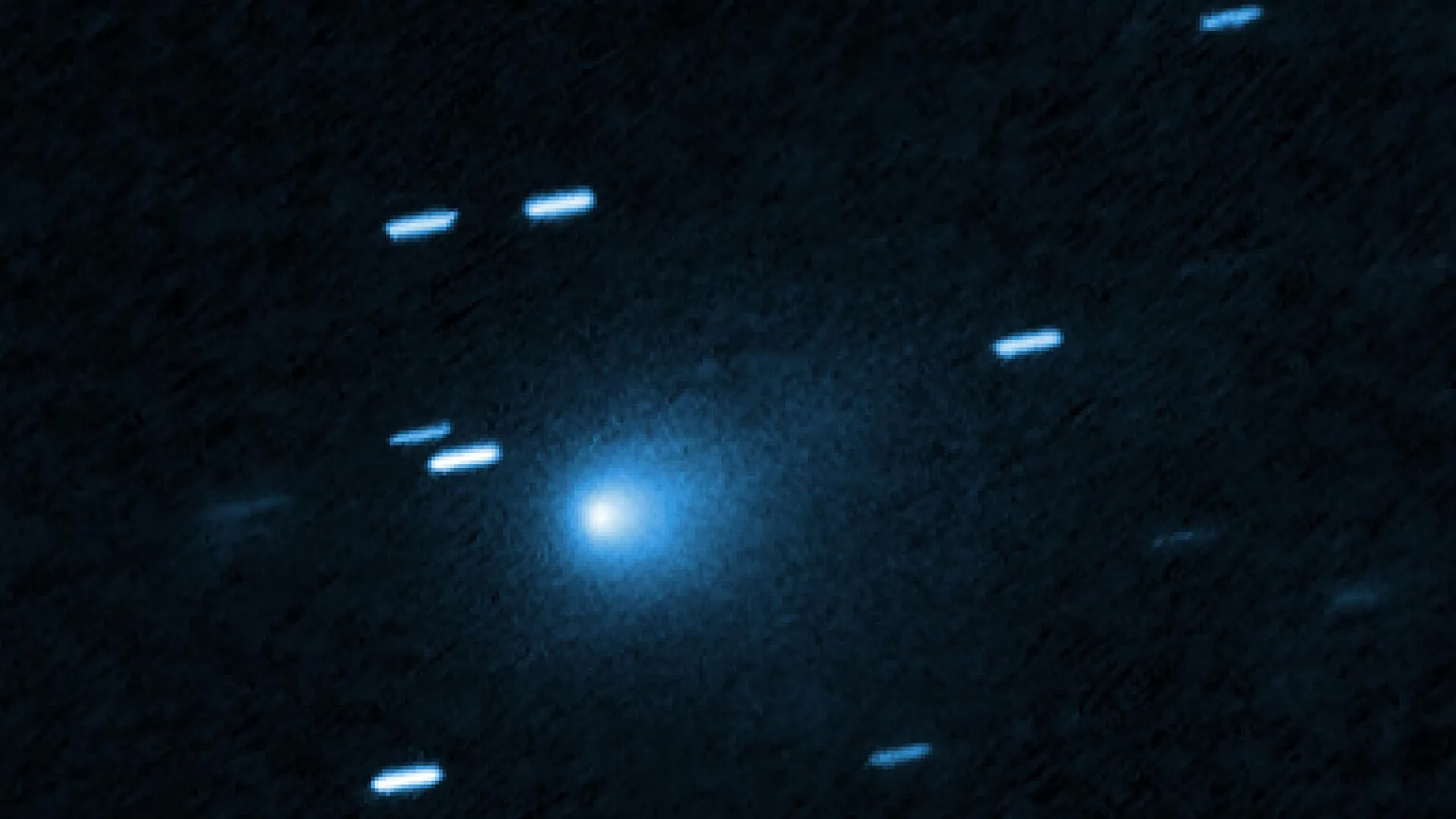
Initially thought to be an asteroid, 3I/ATLAS soon displayed tentative signs of cometary activity, including a coma and a tail. The IAU's Minor Planet Center confirmed these features, and the object was reclassified as a comet, officially designated C/2025 N1 (ATLAS). Hubble Space Telescope images revealed a faint coma and dust tail, with the nucleus estimated at under 5.6 kilometers across. However, earlier estimates suggested it could be up to 20 kilometers in diameter, indicating uncertainty about its true size.
Chemical Clues from the James Webb Space Telescope
Spectral data from the James Webb Space Telescope (JWST) show that the comet's coma contains an unusually high level of carbon dioxide (CO₂) with relatively low water-ice activity. This chemical imbalance suggests the object formed in a much colder, more carbon-rich region than typical solar system comets. A preprint on arXiv proposes that this composition could indicate an origin in a distant star system with different elemental abundances. The findings add to the mystery of 3I/ATLAS's birthplace.
Alien Technology Speculation and Scientific Skepticism
Harvard astrophysicist Avi Loeb, who previously argued that ʻOumuamua could be an alien spacecraft, posted a preprint titled "Is the Interstellar Object 3I/ATLAS Alien Technology?" on arXiv. He points to the object's unusual speed, composition, and orbit that takes it close to Venus, Mars, and Jupiter as potentially artificial features. However, Loeb also stated in his Medium column that "the simplest explanation remains that it's a comet." NASA Associate Administrator Amit Kshatriya held a press conference on November 19, 2025, to reassure the public that the object is natural, despite widespread social media speculation.
Non-Gravitational Acceleration Explained
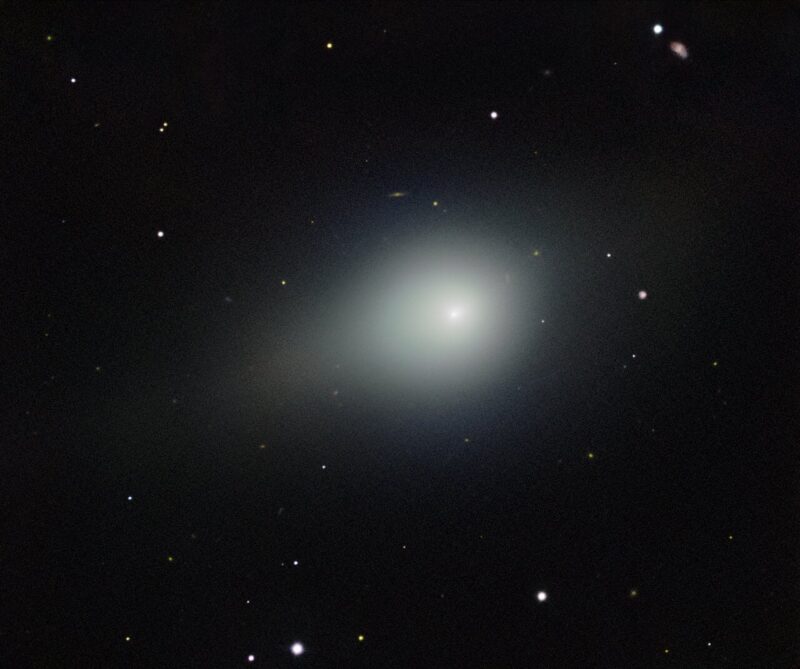
A paper published in the Research Notes of the AAS on December 9, 2025, analyzed the comet's non-gravitational acceleration. Using data from multiple spacecraft, scientists determined that the acceleration is caused by outgassing—the sublimation of icy material as the comet nears the Sun—not an alien engine. This finding aligns with the comet's behavior: after its close passage to the Sun on October 29, 2025, astrophotographers captured images showing multiple jets of gas and dust, a common feature of comets.
What Lies Ahead for 3I/ATLAS
As of December 19, 2025, 3I/ATLAS is making its closest approach to Earth before heading back out of the solar system. It will remain visible to telescopes in the eastern predawn sky, and the Virtual Telescope Project is providing a livestream starting July 3, 2025. While the object poses no danger, its passage offers a rare opportunity to study a visitor from another star system. Future observations may refine its size, composition, and origin, but its true nature—whether a pristine comet from a distant world or something more exotic—remains an open question.
The bottom line
- 3I/ATLAS is the third confirmed interstellar object, first detected on July 1, 2025.
- It travels at 245,000 km/h, the fastest known object in the solar system.
- NASA confirms it is a comet with a coma and tail, not an asteroid.
- JWST data show high CO₂ and low water ice, hinting at an exotic origin.
- Non-gravitational acceleration is due to outgassing, not alien technology.
- The object poses no threat to Earth, with closest approach on December 19, 2025.


Pakistan Braces for 37°C Heat as Rain Clears, Winds Drop

Rain Washes Out Second T20I in Chattogram, Bangladesh Clinch Series
Rain Washes Out Second T20I as Bangladesh Secures Series Lead