U.S. Navy Escorts Maersk Vessel Out of Hormuz After Destroying Iranian Boats
A fragile ceasefire teeters as Washington launches 'Project Freedom' to reopen the Strait of Hormuz, while Iran warns of 'deadlock' and oil prices surge.

PAKISTAN —
Key facts
- Maersk's US-flagged vessel Alliance Fairfax exited the Strait of Hormuz under US military escort on Monday.
- President Donald Trump said US forces destroyed seven Iranian 'fast boats' in the Strait of Hormuz; the six boats destroyed.
- Iran denied the attacks occurred and claimed its military fired warning shots at a US warship, which the US denied.
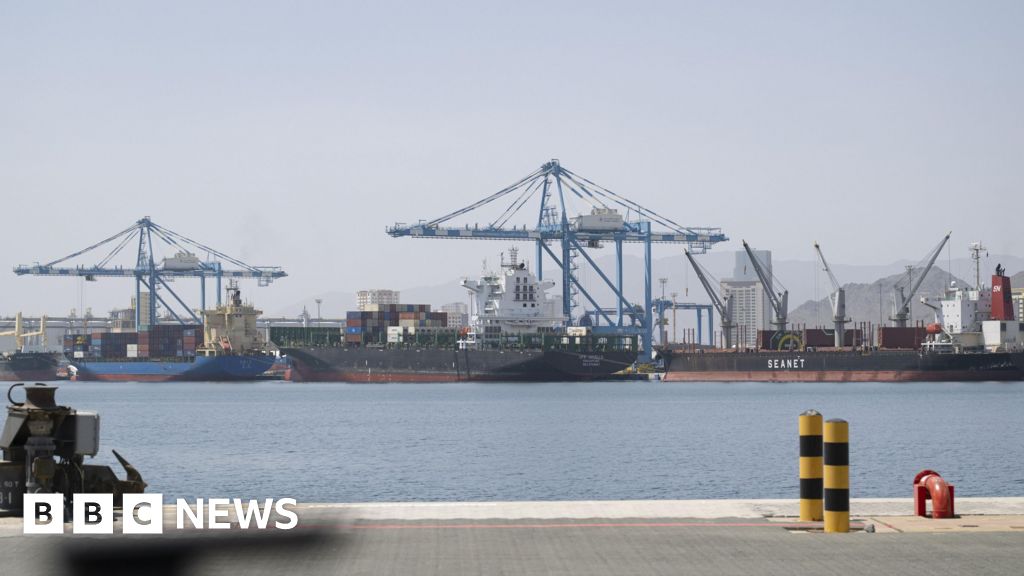
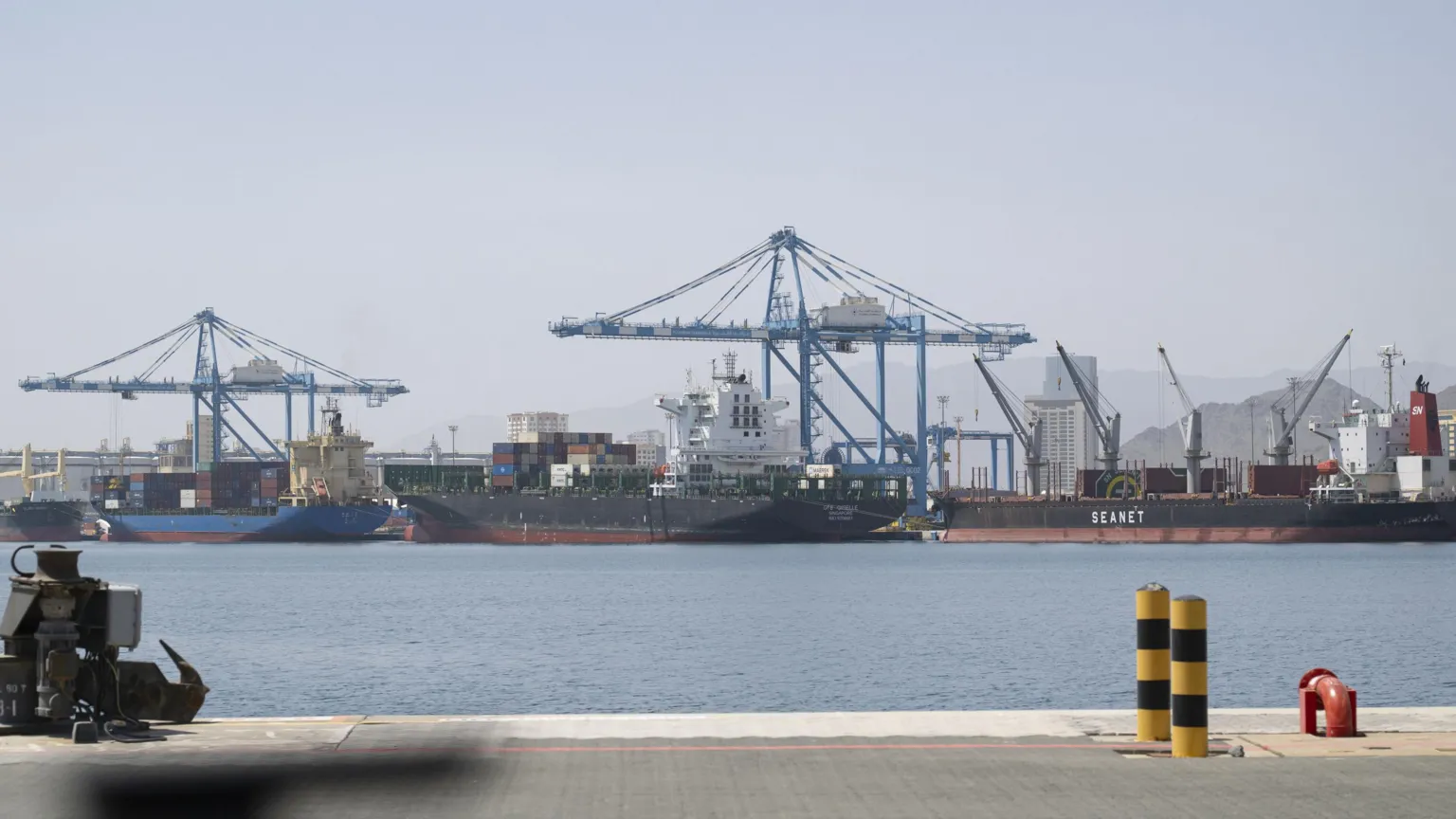
- A drone strike from Iran caused a fire at the Fujairah Oil Industries Zone in the UAE.
- A tanker affiliated with UAE state-owned Adnoc was hit in the Strait of Hormuz; an explosion on one of its ships anchored off the UAE.
- Brent crude futures surged 5.8% to $114.44 a barrel on Tuesday amid renewed conflict.
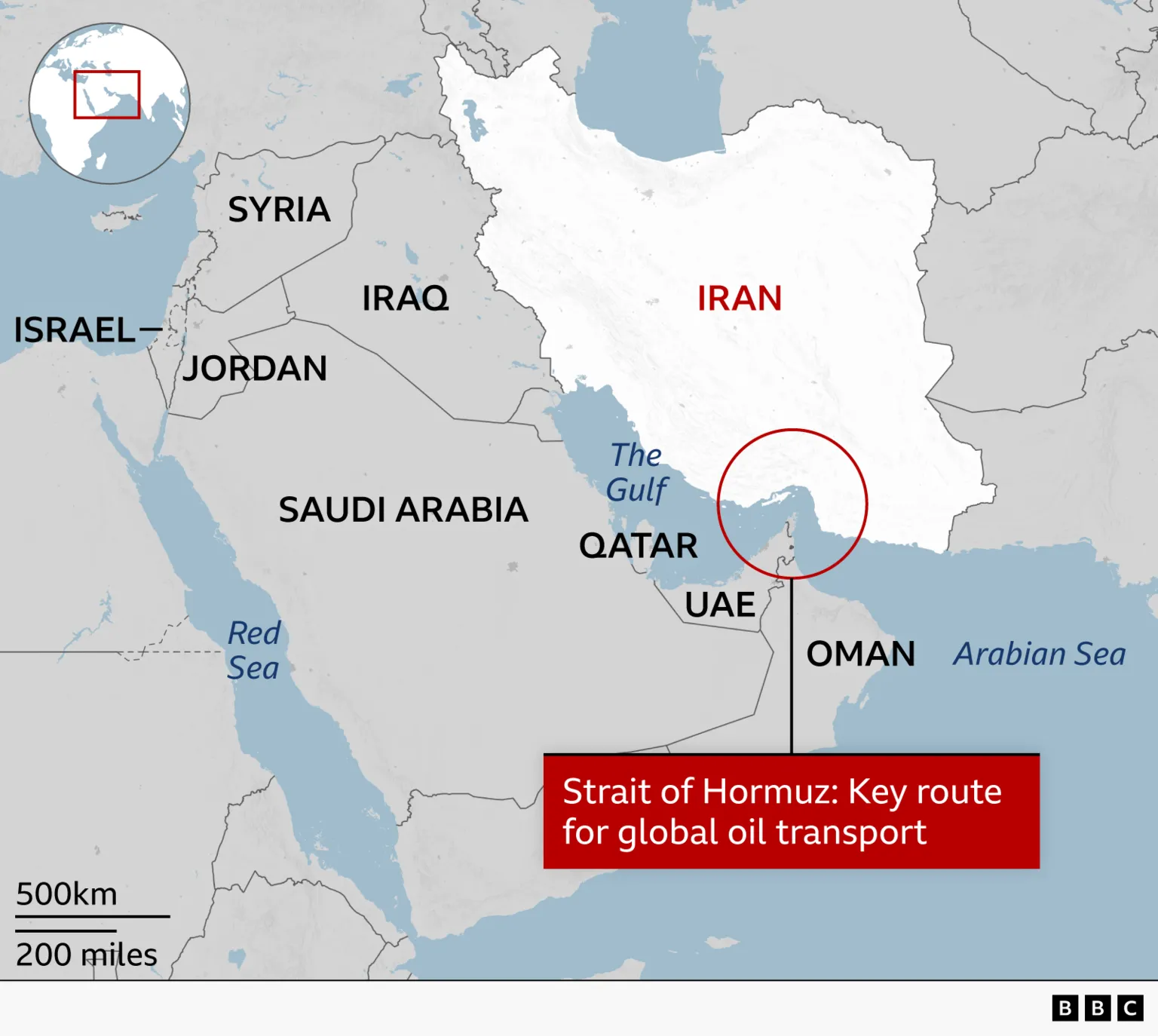
- The Strait of Hormuz has been largely blocked since US-Israeli airstrikes on Iran in February; 20% of global oil and LNG normally passes through.
- Sharjah's Private Education Authority shifted all schools to distance learning from May 5-7, 2026 due to security concerns.
Escort Mission Breaches Iranian Blockade
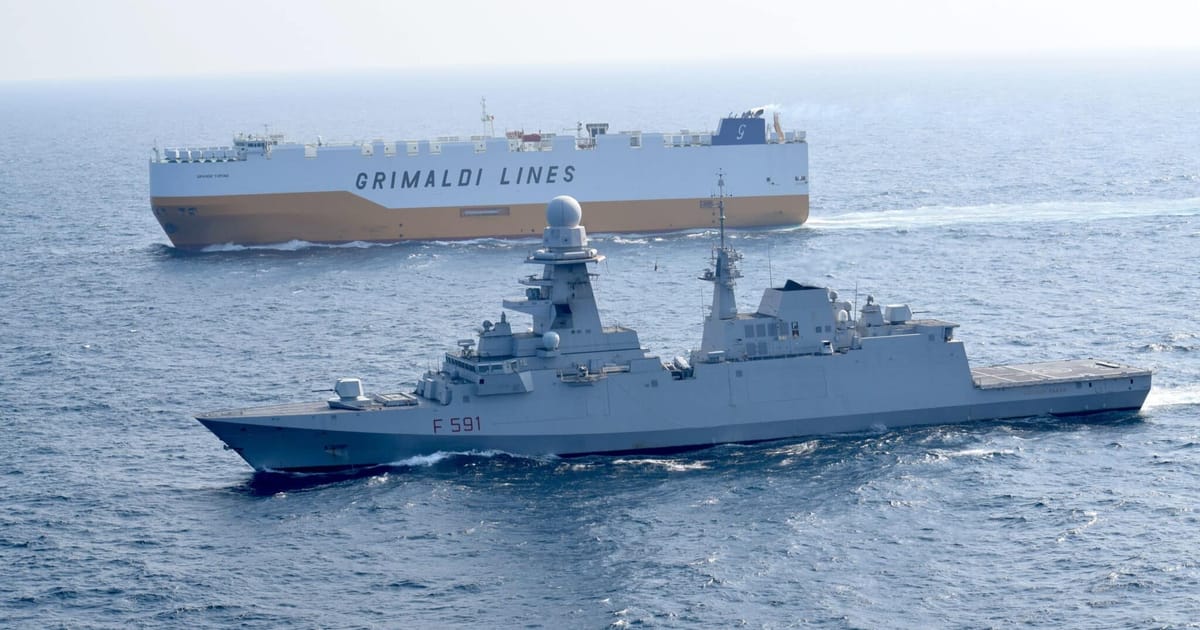
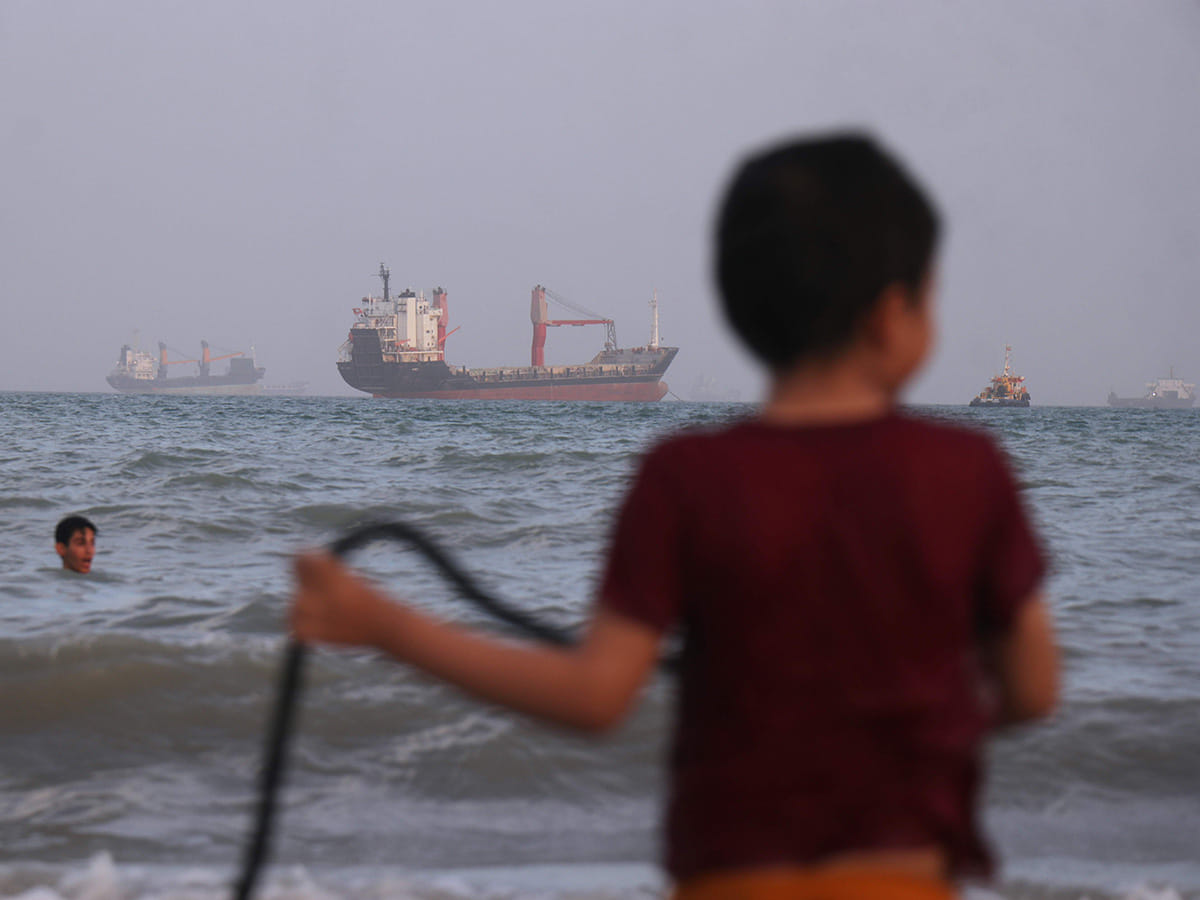
The US Navy has successfully escorted a commercial vessel through the Strait of Hormuz for the first time since Iran blocked the waterway in February, as Washington launched 'Project Freedom' to restore navigation. The Maersk-operated, US-flagged Alliance Fairfax, stranded in the Gulf since late February, transited the strait on Monday under US military protection, the shipping company confirmed. 'The vessel subsequently exited the Persian Gulf accompanied by US military assets,' Maersk said in a statement, adding that all crew members were safe and unharmed. President Donald Trump announced that US forces had destroyed seven Iranian 'fast boats' during the operation, though the US military later revised the number to six. 'We've shot down seven small boats or, as they like to call them, fast boats. It's all they have left,' Trump said. Iran denied the attacks, with its military claiming it had fired warning shots at a US warship — a claim the US military rejected.
Iranian Foreign Minister Dismisses 'Project Freedom' as Deadlock
Iranian Foreign Minister Abbas Araghchi responded to the US operation by asserting that events in the strait 'make clear that there's no military solution to a political crisis.' He added: 'Project Freedom is Project Deadlock.' His comments underscored Tehran's determination to maintain its blockade despite US military pressure. The 'double blockade' has hardened: the US naval blockade prevents Iran from exporting its oil, while Iran's threat over Hormuz chokes seaborne trade for the rest of the world. The Strait of Hormuz normally carries 20% of the world's oil and liquefied natural gas, but has remained largely impassable since the US and Israel launched airstrikes on Iran in February.
Renewed Attacks on UAE and South Korean Ships
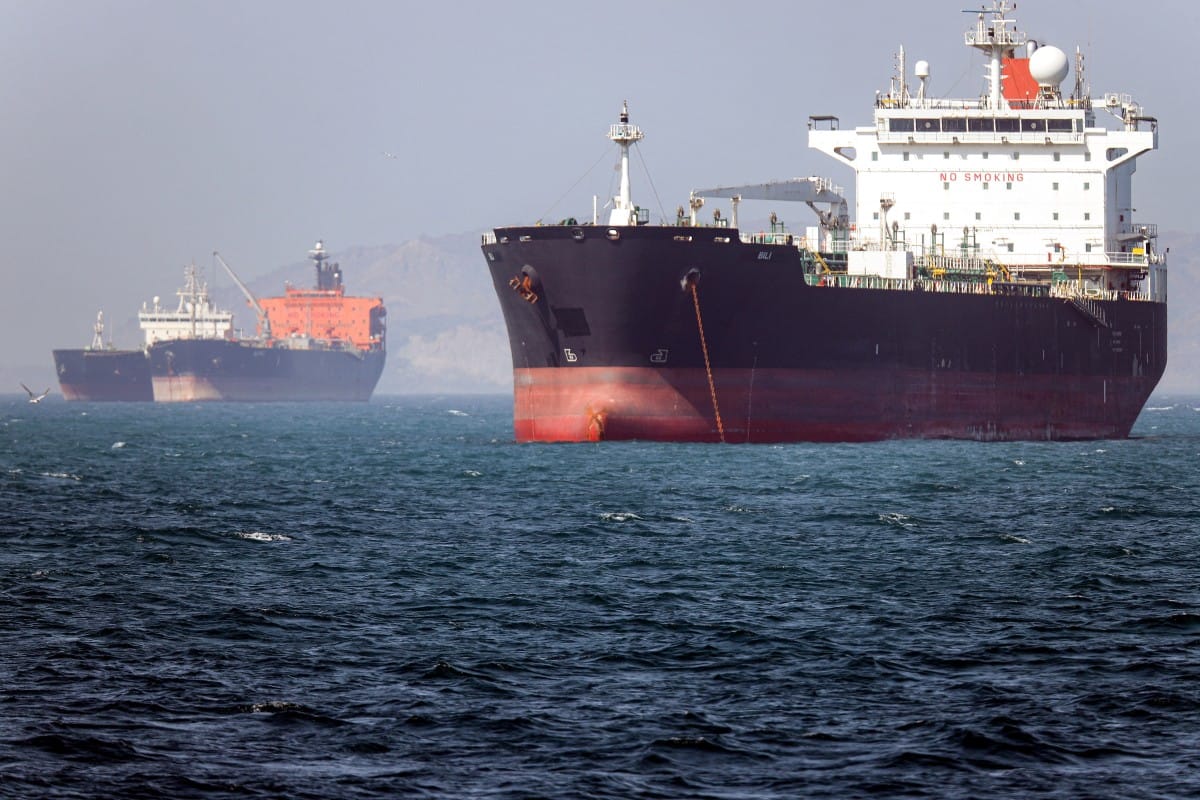
a tanker affiliated with its state-owned oil company Adnoc was hit in the Strait of Hormuz on Monday, while an explosion on one of its ships anchored off the UAE coast. A drone strike originating from Iran caused a fire at the Fujairah Oil Industries Zone, a major oil port, though the extent of damage was not immediately clear. In response to the escalating threats, the Sharjah Private Education Authority announced a temporary shift to distance learning for all educational institutions in the emirate, including private schools and nurseries, from May 5 to May 7, 2026. The measure applies to all students as well as administrative and teaching staff.
Oil Markets Jittery as Brent Surges Past $114
Global oil markets reacted sharply to the renewed hostilities. Benchmark Brent crude futures surged 5.8% to $114.44 a barrel on Tuesday, up $6.27, as concerns over supply disruptions gripped traders. Murban crude also climbed 3.4% to $107.30 by about 7:35 a.m. in Tokyo. The price jump reflects the market's assessment that the Strait of Hormuz closure could persist, threatening global energy supplies. The ceasefire announced in early April, under which Iran ended its drone and missile strikes on Gulf countries, has proven fragile. Few vessels have been able to transit the strait since then, and Monday's clashes mark the most significant breach of the truce.
Ceasefire at Risk as Trump Warns of 'Blowing Iran Off the Face of the Earth'
President Trump escalated his rhetoric, warning that Iranian forces would be 'blown off the face of the Earth' if they attempt to target US ships in the Strait of Hormuz or the broader Arabian Gulf. The statement came as US Central Command launched 'Project Freedom' to wrest control of the waterway from Iran. It remains uncertain whether the fragile ceasefire will hold. Both sides have exchanged fire in the strategic waterway, with US forces destroying six Iranian small boats and intercepting Iranian cruise missiles and drones fired by Tehran. The US military said it used helicopters to attack the boats, while Iran denied the attacks took place.
Strategic Stakes: Freedom of Navigation vs. Iranian Sovereignty
The confrontation over the Strait of Hormuz represents a high-stakes test of US naval power and Iranian resolve. For Washington, restoring freedom of navigation is a core strategic objective, given the waterway's role in global energy security. For Tehran, the blockade is a lever to counter US and Israeli airstrikes and to pressure Gulf states. Iranian Foreign Minister Araghchi's assertion that 'there's no military solution to a political crisis' reflects Tehran's view that the conflict can only be resolved through negotiations. Yet Trump's uncompromising stance and the 'double blockade' suggest that both sides are digging in, raising the risk of a wider conflagration.
The bottom line
- The US Navy's successful escort of a Maersk vessel through the Strait of Hormuz marks a significant breach of Iran's blockade, but the waterway remains largely closed.
- Iran's Foreign Minister Araghchi dismissed the US operation as 'Project Deadlock,' signaling Tehran's intent to maintain its blockade despite military losses.
- Renewed attacks on UAE and South Korean ships, including a drone strike on Fujairah oil port, highlight the regional spillover of the US-Iran conflict.
- Oil prices surged over 5% as markets priced in prolonged disruption to the Strait of Hormuz, through which 20% of global oil and LNG normally passes.
- The fragile April ceasefire is under severe strain, with both sides exchanging fire and Trump threatening to 'blow Iran off the face of the Earth.'
- The standoff underscores a fundamental impasse: the US seeks to restore navigation by force, while Iran insists on a political solution to the broader crisis.

Islamabad Braces for a Week of Rising Temperatures as Clear Skies Take Hold

Antonelli wins third straight Grand Prix, extends historic F1 run

Trump Threatens to 'Blow Iran Off Face of Earth' as US Launches Project Freedom in Hormuz