Oil surges above $120 as US readies extended blockade of Iran, Strait of Hormuz closure looms
Brent crude briefly hit $122 a barrel, its highest since 2022, as Trump meets energy executives and OPEC+ approves a modest output increase.
PAKISTAN —
Key facts
- Brent crude rose above $120 a barrel on Wednesday, briefly touching $122.
- Chevron CEO Mike Wirth and other energy executives met President Trump at the White House on Tuesday.
- Trump has instructed aides to prepare an extended blockade of Iran's ports.
- Iran continues to disrupt shipping through the Strait of Hormuz, which carries about 20% of global seaborne energy.
- OPEC+ agreed to a 188,000-barrel-a-day output increase.
- Project Freedom, a US initiative to support neutral vessels, is set to take effect on May 4.
- Moody's Analytics warns the global economy could enter recession if Brent remains near $125 a barrel.
- A tanker was attacked near Fujairah, UAE, on May 4.
Oil prices spike on fears of prolonged Strait of Hormuz closure
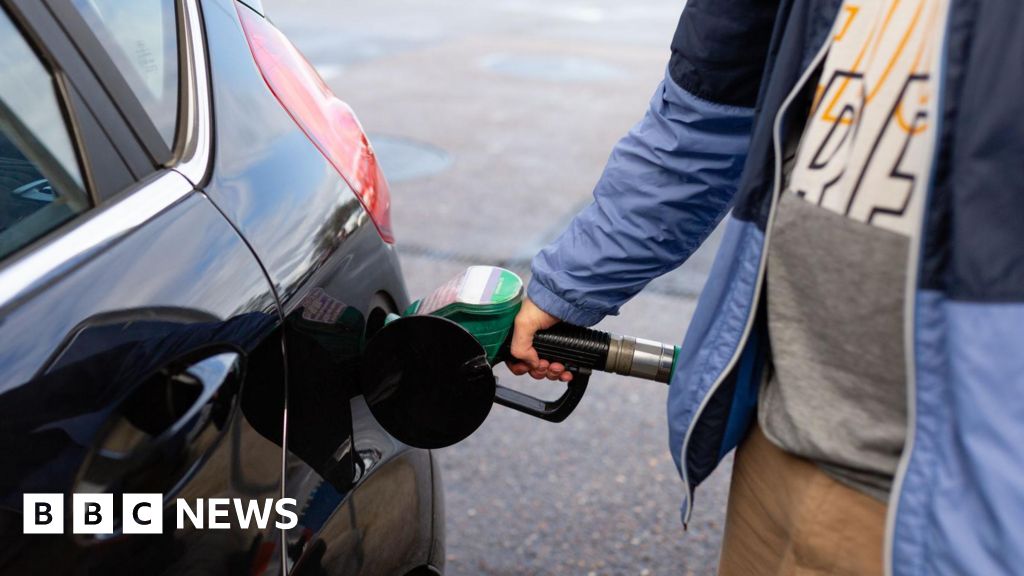
The price of crude oil has swung sharply as uncertainty over the war in the Middle East continues. Brent crude, the global benchmark, rose above $120 a barrel on Wednesday, briefly hitting $122, its highest price since 2022. the US is preparing for an extended blockade of Iran. Oil traders appear to have interpreted the White House meeting as a sign that the effective closure of the Strait of Hormuz will persist for a long time. The strait, which usually carries about a fifth of the world's oil and liquid natural gas, has been severely restricted for weeks due to the conflict.
Trump meets energy executives as blockade plans solidify
Energy executives including Chevron chief executive Mike Wirth met US President Donald Trump at the White House on Tuesday to discuss how to limit the fallout from the conflict on American consumers. According to a White House official, the executives discussed topics including domestic energy production, progress in Venezuela, oil futures, natural gas, and shipping. The meeting was described as part of the President's regular discussions with energy executives. Trump has instructed aides to prepare to extend the ongoing blockade of Iran's ports, in an effort to squeeze the country's economy. Iran has said it will continue to disrupt traffic through the Strait of Hormuz in response to the US blockade.
Project Freedom and OPEC+ response add market uncertainty
International oil prices were mixed amid tensions in the Strait of Hormuz and the rollout of Project Freedom, a US initiative to support the movement of neutral-country vessels. The measure, scheduled to take effect on May 4 based on Middle East time, is backed by US Central Command with destroyers, about 100 aircraft, and roughly 15,000 troops. Meanwhile, OPEC+ agreed to a 188,000-barrel-a-day output increase, drawing attention to expanding supply. The decision is viewed as the first since changes among key member states. On May 4, July Brent crude slipped slightly to $101.94 a barrel, while June West Texas Intermediate traded up 0.15% at $108.33.
Tanker attack near Fujairah underscores navigational risks
The a tanker was attacked near Fujairah in the United Arab Emirates on May 4, adding that navigational risks remain high. The incident highlights the ongoing dangers in the region as the blockade and counter-blockade continue. Analysis by BBC Verify shows that at least four vessels tracked from Iranian ports appear to have crossed the US blockade line. Despite the fluctuations of recent weeks, the price of oil remains much higher than the pre-conflict price of a barrel.
Economic recession warning if oil stays near $125
Experts have warned that prolonged tensions in the Middle East could weigh on the global economy. Gaurav Ganguly, head of international economics at Moody’s Analytics, said the world economy could fall into recession if Brent crude remains around $125 a barrel for an extended period. The warning comes as the market grapples with the dual pressures of supply disruption and potential demand destruction.
Outlook: blockade extension and diplomatic stakes
The coming weeks will test whether Project Freedom can effectively restore some shipping through the Strait of Hormuz, or whether the blockade will tighten further. Iran has vowed to continue disrupting traffic, and the US appears committed to squeezing Iran's economy. The OPEC+ output increase, while modest, may help ease some supply concerns, but analysts caution that the geopolitical risks remain elevated. For now, the price of oil remains highly sensitive to any news from the region. The meeting between Trump and energy executives signals that the administration is actively seeking ways to mitigate the impact on American consumers, but the path forward remains uncertain.
The bottom line
- Brent crude hit $122 a barrel, the highest since 2022, amid fears of a prolonged Strait of Hormuz closure.
- President Trump met with energy executives and is preparing an extended blockade of Iran's ports.
- Project Freedom, a US naval initiative, began on May 4 to support neutral vessels, but a tanker attack that same day underscores high risks.
- OPEC+ agreed to a 188,000 bpd output increase, but it may not offset supply disruptions.
- Moody's Analytics warns that sustained oil prices near $125 could trigger a global recession.
- The Strait of Hormuz, carrying about 20% of global seaborne energy, remains effectively closed due to the conflict.



Islamabad Braces for a Week of Rising Temperatures as Clear Skies Take Hold

U.S. Navy Escorts Maersk Vessel Out of Hormuz After Destroying Iranian Boats

Antonelli wins third straight Grand Prix, extends historic F1 run
