U.S. Begins Guiding Ships Out of Strait of Hormuz as Iran Threatens Attack
Washington launches 'Project Freedom' to revive traffic through the vital waterway, while Tehran warns that any U.S. forces entering the strait will be targeted.
PAKISTAN —
Key facts
- President Trump announced the U.S. would 'guide' ships not involved in the Iran war out of the Strait of Hormuz.
- The U.S.-led Joint Maritime Information Center set up an 'enhanced security area' south of typical shipping routes.
- The strait remains hazardous due to mines that have not been fully surveyed and mitigated.
- Roughly one-fifth of the world's oil typically passes through the Strait of Hormuz.
- The war, launched by the U.S. and Israel on Feb. 28, has disrupted the waterway, squeezing energy supplies to Europe and Asia.
- Iran's military stated on Monday that U.S. forces would be attacked if they entered the strait.
- Iran's 14-point proposal calls for resolving issues within 30 days and aims to end the war, not extend the ceasefire.
- Trump told congressional leaders that 'hostilities' with Iran have 'terminated,' addressing a 60-day deadline under the War Powers Resolution.
Project Freedom Underway Amid Mine Hazards
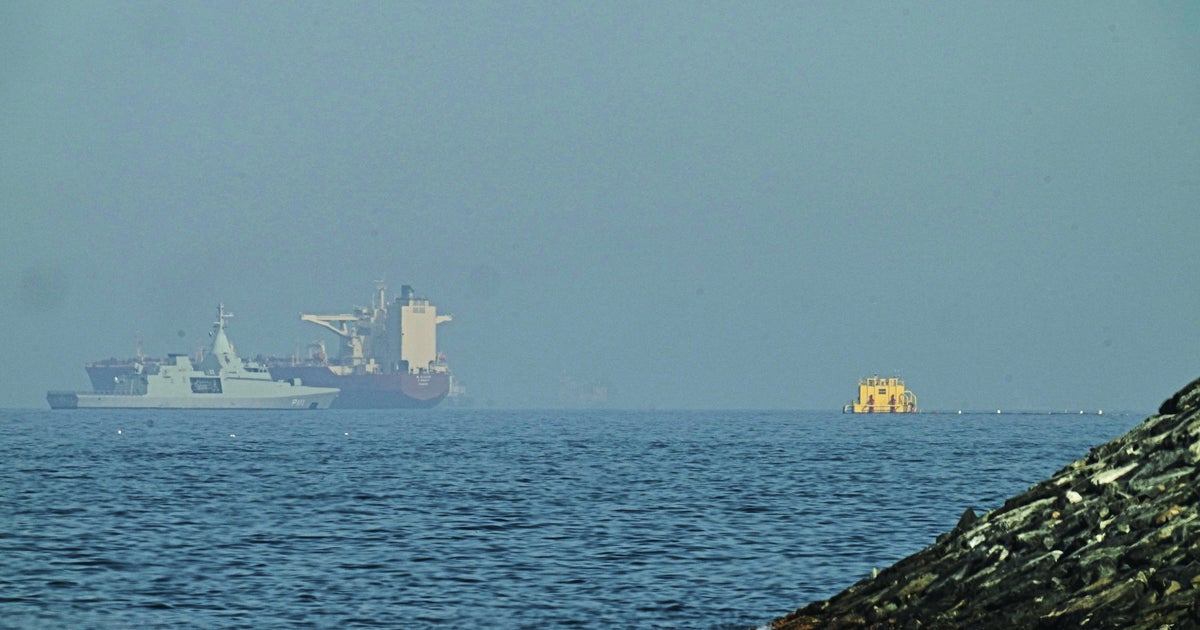
The United States has begun an operation to guide stranded commercial vessels out of the Strait of Hormuz, a day after President Trump announced what he called 'Project Freedom.' The Joint Maritime Information Center said Monday that it had established an 'enhanced security area' south of the typical shipping lanes and urged mariners to coordinate closely with Omani authorities due to anticipated high traffic. The center warned that approaching the usual traffic separation scheme 'should be considered extremely hazardous due the presence of mines that have not been fully surveyed and mitigated.' The effort marks the start of a U.S.-led push to revive traffic and restore confidence among commercial vessels transiting the strategic waterway.
Iran Threatens to Attack U.S. Forces in the Strait
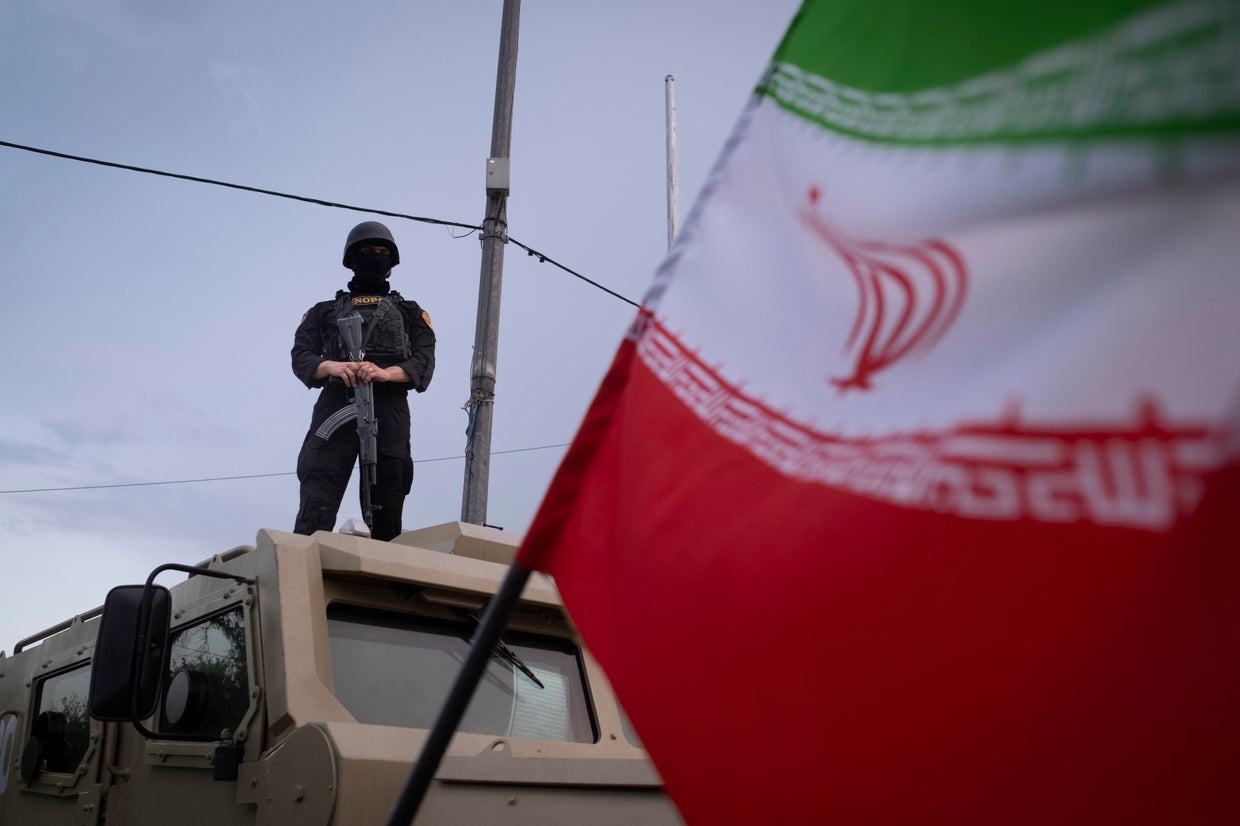
Iran's military said Monday that any U.S. forces entering the Strait of Hormuz would be attacked, directly challenging Washington's new escort mission. The warning came hours after Trump announced the U.S. would begin guiding ships through the blocked waterway. The standoff underscores the fragility of the situation, with no peace deal in sight despite the end of major hostilities. The disruption of the strait has become one of the most enduring consequences of the war that began on Feb. 28.
Economic Fallout Spreads as Oil Route Remains Blocked
The Strait of Hormuz, through which roughly one-fifth of the world's oil typically passes, has been effectively closed since the outbreak of hostilities. The blockage has squeezed countries in Europe and Asia that depend on Persian Gulf supplies, adding new volatility to energy prices for households and businesses worldwide. The U.S. operation aims to counter these economic disruptions, which have outlasted the peak of fighting. However, the presence of mines and the threat of Iranian attack complicate any attempt to restore normal traffic.
Iran's 14-Point Proposal and Trump's Skepticism
Iran has presented a 14-point plan to the United States that calls for resolving bilateral issues within 30 days and aims to end the war rather than extend the current ceasefire.orters on Saturday that he is reviewing the proposal but expressed doubt it would lead to a deal. The proposal comes as the U.S. and its allies seek a diplomatic off-ramp, but the gap between the two sides remains wide. Iran's insistence on a comprehensive resolution within a month contrasts with Washington's cautious approach.
War Powers Deadline Addressed as Hostilities 'Terminated'
Trump told congressional leaders that 'hostilities' with Iran have 'terminated,' addressing a critical 60-day deadline under the War Powers Resolution, a decades-old law meant to limit the use of military force without congressional authorization. The statement was made amid ongoing legal and political scrutiny of the conflict's duration. The declaration, however, does not resolve the broader crisis, as the Strait of Hormuz remains blocked and no peace agreement has been reached. The administration faces pressure to either secure a diplomatic settlement or seek congressional approval for continued military engagement.
Outlook: A Precarious Path to Normalization
The U.S. effort to reopen the Strait of Hormuz is fraught with risk, given Iran's explicit threat to attack any American forces entering the waterway. The mine hazard adds another layer of danger, requiring extensive clearance operations before safe passage can be guaranteed. Without a political resolution, the economic damage from the blockade will persist, affecting global energy markets and straining relations with allies. The coming days will test whether Washington can balance its military objectives with the urgent need for a diplomatic breakthrough.
The bottom line
- The U.S. has launched 'Project Freedom' to guide ships out of the Strait of Hormuz, but mines and Iranian threats pose significant risks.
- Iran has warned that any U.S. forces entering the strait will be attacked, escalating the standoff.
- The blockade has disrupted the flow of one-fifth of the world's oil, causing economic pain in Europe and Asia.
- Iran's 14-point proposal aims to resolve all issues within 30 days, but Trump has expressed skepticism.
- Trump declared 'hostilities' terminated to meet a War Powers Resolution deadline, but no peace deal has been reached.
- The situation remains volatile, with no clear path to reopening the strait or ending the conflict diplomatically.

Islamabad Braces for a Week of Rising Temperatures as Clear Skies Take Hold

U.S. Navy Escorts Maersk Vessel Out of Hormuz After Destroying Iranian Boats

Antonelli wins third straight Grand Prix, extends historic F1 run
