Trump Pauses 'Project Freedom' in Strait of Hormuz as U.S.-Iran Cease-Fire Holds
President halts effort to guide stranded commercial vessels amid talks with Tehran, while Pentagon insists truce remains intact despite fresh clashes.

PAKISTAN —
Key facts
- Trump announced a pause on 'Project Freedom' to finalize a deal with Iran, while maintaining the blockade of Iranian ports.
- U.S. Defense Secretary Pete Hegseth said the four-week-old truce with Iran is not over and that a path through the strait has been secured.
- Secretary of State Marco Rubio stated major U.S. military operations against Iran are over, calling recent clashes 'defensive in nature'.
- A cargo vessel was struck by a projectile in the strait, reported by Britain’s Maritime Trade Operations agency.
- U.S. national average gasoline price surpassed $4.50 per gallon for the first time since July 2022.
- UN Security Council began closed talks on a draft text that could lead to sanctions or authorize force against Iran.
- For a second consecutive day, UAE air defenses shot down missiles and drones from Iran; Tehran did not comment.
- Hezbollah launched rockets toward Israeli soldiers in southern Lebanon; no injuries were reported.
A Fragile Truce Under Strain
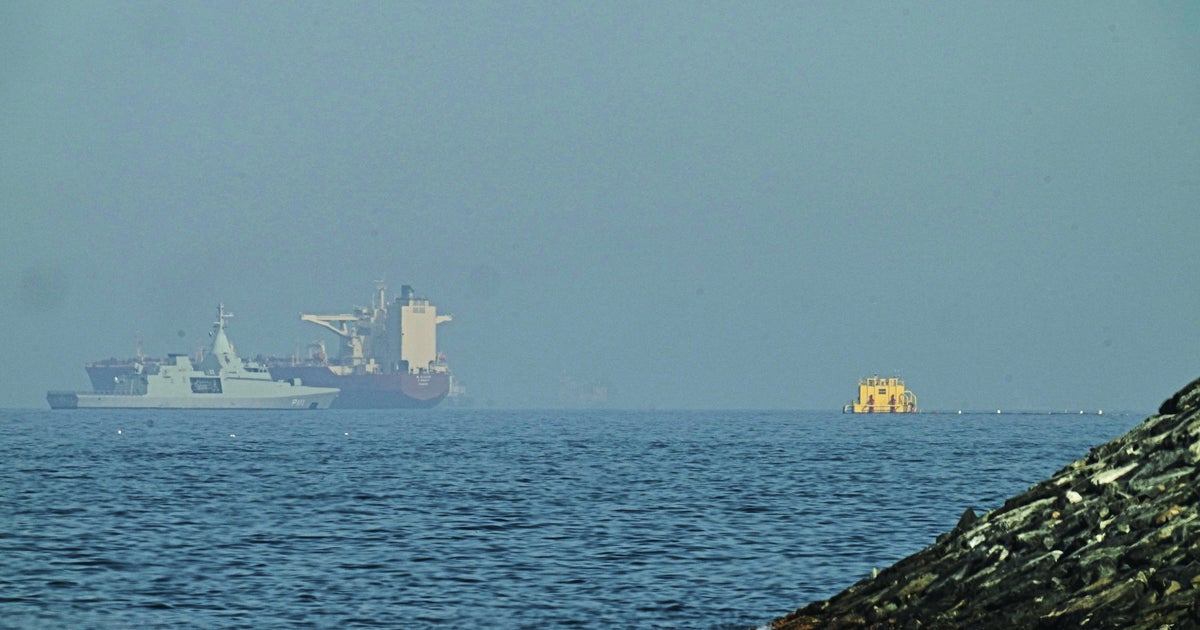
President Donald Trump announced Tuesday evening that he has paused 'Project Freedom'—the operation to guide stranded commercial vessels through the Strait of Hormuz—in order to finalize a deal with Iran to end the war. The decision, posted on social media, came as the United States and Iran navigate a fragile four-week-old truce that has been shaken by fresh exchanges of fire. Trump stated that the U.S. blockade of Iranian ports would continue, but the White House did not immediately respond to a request for comment. Iran has yet to react to Trump’s statement. Earlier in the day, U.S. Defense Secretary Pete Hegseth insisted that the cease-fire with Iran remains in place, despite escalating tensions in the strategic waterway. Hegseth said the U.S. military had successfully secured a path through the strait and that hundreds of commercial ships were lining up to pass through. The Pentagon chief’s remarks sought to reassure markets and allies that the truce, now in its fourth week, had not collapsed.
Diplomatic and Military Moves
Secretary of State Marco Rubio stated that major U.S. military operations against Iran are over, but he emphasized that Iran must agree to U.S. demands on its nuclear program and reopen the strait. Rubio characterized recent clashes with Iran as 'defensive in nature,' framing the U.S. posture as a response to Iranian aggression rather than an offensive campaign. His comments came as the UN Security Council began closed-door talks on a draft text drafted by the U.S. along with Bahrain, Saudi Arabia, the United Arab Emirates, Kuwait, and Qatar. The proposed resolution, if passed, could lead to sanctions against Iran and potentially authorize the use of force if Tehran fails to halt attacks and threats to commercial shipping. On the ground, the stakes were underscored by fresh exchanges of fire on Monday. For a second consecutive day, the its air defenses had shot down missiles and drones from Iran. Tehran did not immediately comment on the incidents. Meanwhile, Britain’s a cargo vessel had been struck by a projectile in the strait, though further details were not immediately available.
Economic Ripples and Regional Spillover
The crisis in the Strait of Hormuz has sent shockwaves through global energy markets. The U.S. national average retail price of gasoline surpassed $4.50 per gallon on Tuesday for the first time since July 2022, according to data from GasBuddy. The spike reflects the disruption to oil tanker traffic through the strait, a chokepoint for about 20% of the world’s petroleum. The continued blockade and military posturing have raised fears of sustained high fuel costs, adding pressure on the Biden administration to resolve the standoff. Beyond the strait, the conflict has spilled into other theaters. Clashes continued between Hezbollah and Israel, with Israel’s military reporting late Tuesday that Iran-backed Hezbollah militants in Lebanon had launched 'several rockets' toward Israeli soldiers in southern Lebanon. No injuries were reported, but the incident highlights the broader regional instability fueled by the U.S.-Iran confrontation.
The Path Forward: Negotiations or Escalation?
Trump’s pause of 'Project Freedom' signals a willingness to pursue a diplomatic off-ramp, but the continuation of the blockade and the unresolved status of Iran’s nuclear program leave significant obstacles. The UN Security Council’s deliberations could either pave the way for a negotiated settlement or provide a legal basis for further military action. The draft text, backed by Gulf states, reflects a unified front among U.S. allies in the region, but its passage is uncertain given divisions among permanent council members. For now, the truce holds, but the repeated violations—missile strikes, drone attacks, and projectile hits on vessels—underscore its fragility. The coming days will test whether Trump’s pause is a genuine step toward peace or a tactical breather before a new phase of confrontation. As one senior official put it, the situation remains 'below the threshold' of restarting full-scale war, but the threshold is perilously low.
The bottom line
- Trump paused 'Project Freedom' to finalize a deal with Iran, but the U.S. blockade of Iranian ports continues.
- The four-week-old truce remains intact despite fresh clashes and missile strikes.
- The UN Security Council is considering a draft resolution that could impose sanctions or authorize force against Iran.
- U.S. gasoline prices hit $4.50 per gallon, reflecting the economic impact of the strait disruption.
- Regional spillover includes Hezbollah rocket attacks on Israeli soldiers, though no casualties were reported.
- The cease-fire is fragile, with both sides accusing each other of violations, and the path to a lasting deal remains uncertain.


US Summer Electricity Bills to Rise 8.5% as Grid Upgrades and Data Center Demand Drive Costs
U.S. Begins Guiding Ships Out of Strait of Hormuz as Iran Threatens Attack

Islamabad Braces for a Week of Rising Temperatures as Clear Skies Take Hold
