U.S.-Iran Ceasefire Holds Fragilely as Iran Warns War Will 'Likely' Resume
Tehran's military says evidence shows Washington is not committed to any agreements, while the Treasury warns shippers against paying tolls in the Strait of Hormuz.

PAKISTAN —
Key facts
- President Trump announced 'major combat operations' against Iran on Feb. 28, 2026.
- A two-week ceasefire was declared in April 2026, but initial U.S.-Iran talks in Pakistan failed.
- Trump extended the ceasefire indefinitely and maintained a blockade pending Iran's proposal.
- Iran's Deputy Military Commander Mohammad Jafar Asadi said war will 'likely' resume.
- hitting 120 Hezbollah targets in southern Lebanon.
- The U.S. Treasury warned that paying an Iranian toll for passage through the Strait of Hormuz risks sanctions.
- An Iranian official claimed Tehran can sink U.S. warships.
- Trump said the U.S. will guide ships of non-belligerent countries out of the strait.
Ceasefire on a Knife-Edge
President Donald Trump told Congress this week that hostilities with Iran 'have terminated,' yet the ceasefire remains perilously fragile. Iran's armed forces have declared that war with the United States will 'likely' resume, citing what they call mounting evidence that Washington is not committed to any agreements or treaties. The announcement came from Mohammad Jafar Asadi, deputy of the military headquarters, in a statement carried by Iran's Fars news agency. 'The actions and statements of U.S. officials are primarily media-driven aimed first at preventing a drop in oil prices and second at extricating themselves from the mess they have created,' Asadi said. He added that Iran's armed forces are 'fully prepared for any new adventures or foolishness from the Americans.' The warning underscores the deep mistrust that persists despite the formal cessation of major combat operations.
From Major Combat to Open-Ended Truce
Trump launched 'major combat operations' against Iran on Feb. 28, 2026, with massive joint U.S.-Israeli strikes targeting military, government and infrastructure sites. The campaign escalated rapidly, drawing in regional proxies and threatening global oil supplies. In April, a two-week ceasefire was announced, followed by initial U.S.-Iran talks in Pakistan. Those negotiations failed to produce a peace deal. Trump then declared an open-ended extension of the ceasefire while maintaining a naval blockade, stating that the measures would continue until Iran submits a proposal and discussions conclude 'one way or the other.' The blockade has focused on the Strait of Hormuz, a critical chokepoint for global oil shipments. The Treasury Department's Office of Foreign Assets Control issued a warning Friday that any shipping company paying an Iranian toll for passage through the strait risks exposure to U.S. sanctions.
Iran's Military Posture and Regional Threats
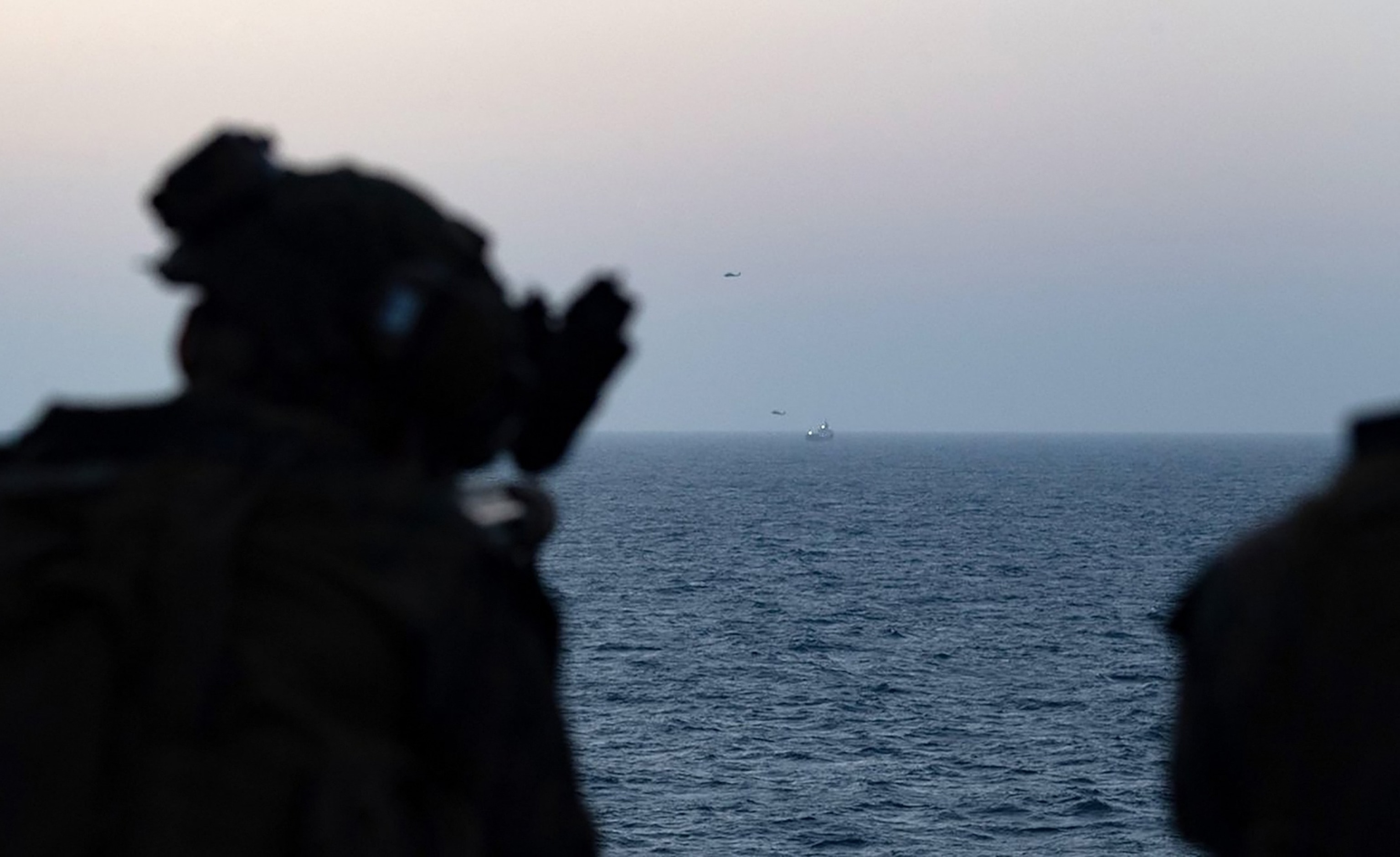
Iran's military leadership has signaled readiness for renewed conflict. A senior Iranian official said Tehran can sink U.S. warships, a threat that echoes previous exercises and statements. The Islamic Revolutionary Guard Corps (IRGC) has publicly stated that Trump must choose between an 'impossible' war or a 'bad deal.' Meanwhile, the striking 120 Hezbollah targets in southern Lebanon, indicating that the conflict's regional dimensions remain active. The strikes suggest that Israel continues to target Iranian-linked forces even as the broader U.S.-Iran ceasefire holds. Trump, for his part, announced on May 3 that the United States will guide ships of countries not involved in the war out of the Strait of Hormuz, a move aimed at de-escalating tensions while maintaining pressure on Iran.
Strait of Hormuz: The Economic Flashpoint
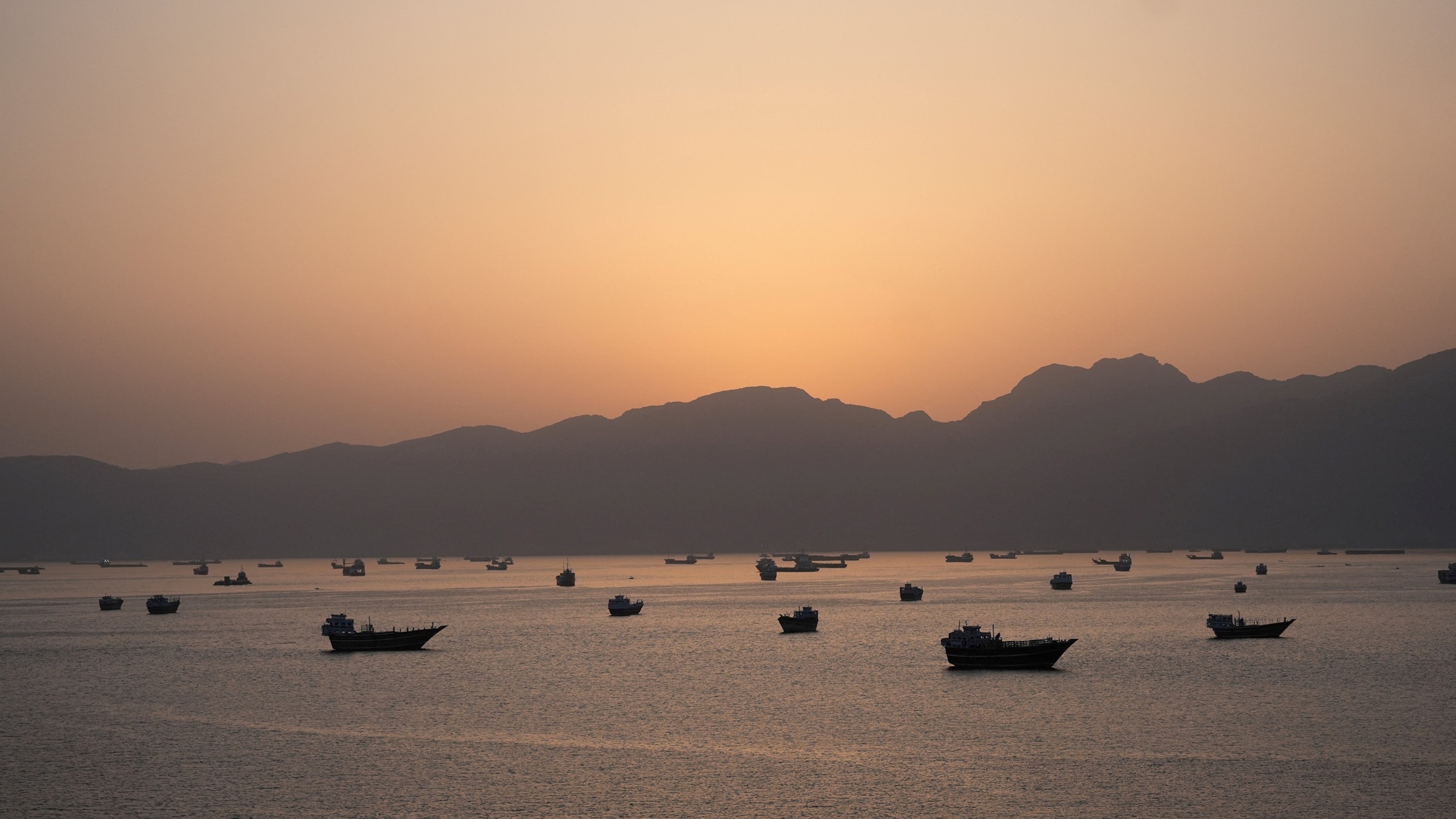
The Strait of Hormuz has emerged as the central economic battleground. Iran has long threatened to disrupt oil shipments through the waterway, and the U.S. blockade has heightened fears of a confrontation. The Treasury's warning to shippers is a clear signal that Washington will penalize any compliance with Iranian demands for tolls. Trump's offer to guide non-belligerent ships out of the strait is an attempt to isolate Iran economically while avoiding a direct clash with commercial shipping. However, the IRGC's rhetoric suggests that any such operation could be met with resistance. An Iranian official's claim that Tehran can sink U.S. warships adds a military dimension to the economic standoff, raising the stakes for any miscalculation.
The Stalled Peace Process
The failure of U.S.-Iran talks in Pakistan in April was a critical setback. The two-week ceasefire was intended to create space for negotiations, but the parties could not bridge their differences. Trump's insistence on a full proposal from Iran before lifting the blockade has been met with suspicion in Tehran. Iran's military leadership views the U.S. approach as a tactic to manage oil prices and extricate Washington from a costly war, rather than a genuine effort to reach a lasting peace. Asadi's statement reflects a deep-seated belief that the United States is not acting in good faith. Without a diplomatic breakthrough, the ceasefire remains a temporary pause rather than a step toward resolution. The open-ended extension gives both sides time, but the underlying grievances remain unresolved.
What Comes Next
The coming weeks will test whether the ceasefire can hold. Iran has signaled that it is prepared for renewed hostilities, while the U.S. continues to enforce the blockade and warn shippers against cooperating with Tehran. The IDF's strikes on Hezbollah targets indicate that Israel is not standing down. Trump's statement that hostilities 'have terminated' may be premature. The IRGC's warning that the president faces a choice between an 'impossible' war and a 'bad deal' highlights the strategic dilemma: any peace agreement will require concessions that Washington may be unwilling to make, while a return to full-scale combat carries enormous risks. For now, the situation remains in limbo — a ceasefire without peace, a blockade without resolution, and a region bracing for the next escalation.
A Precarious Equilibrium
The U.S.-Iran conflict has entered a phase of suspended animation, but the underlying dynamics are as volatile as ever. Iran's military is fully prepared, the U.S. Treasury is tightening sanctions, and regional proxies remain active. The ceasefire may be holding, but trust is absent. Asadi's warning that war will 'likely' resume is not an idle threat; it reflects a strategic calculation that the United States will eventually break the truce. The coming weeks will reveal whether diplomacy can gain traction or whether the region slides back into open conflict. For now, the world watches as two heavily armed adversaries stare each other down across the Strait of Hormuz, with global oil markets and regional stability hanging in the balance.
The bottom line
- The U.S.-Iran ceasefire is fragile, with Iran's military warning that war will 'likely' resume.
- Initial peace talks in Pakistan failed, leading to an open-ended ceasefire and continued blockade.
- The U.S. Treasury warned shippers against paying Iranian tolls in the Strait of Hormuz, risking sanctions.
- The IDF struck 120 Hezbollah targets in southern Lebanon, showing the conflict's regional spread.
- Iran's IRGC stated Trump must choose between an 'impossible' war or a 'bad deal.'
- Trump offered to guide non-belligerent ships out of the strait, a move to de-escalate while maintaining pressure.


Islamabad Braces for a Week of Rising Temperatures as Clear Skies Take Hold

U.S. Navy Escorts Maersk Vessel Out of Hormuz After Destroying Iranian Boats

Antonelli wins third straight Grand Prix, extends historic F1 run
